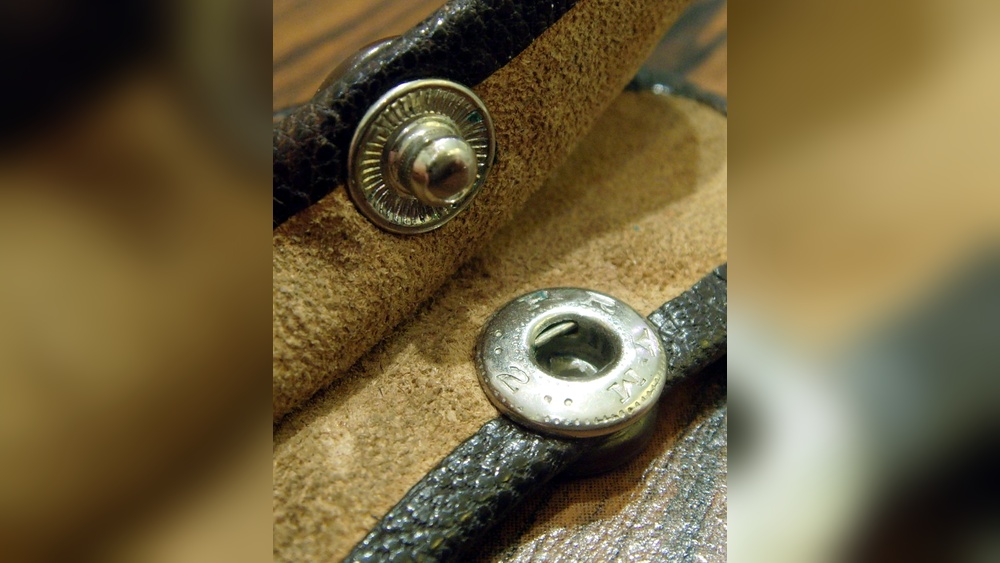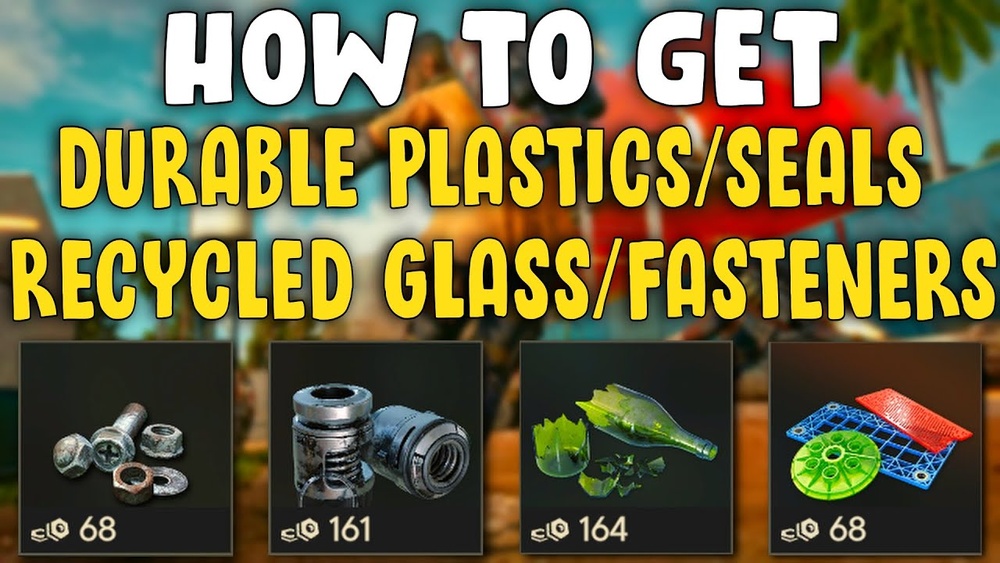
Have you ever wondered what goes on inside the mind of someone who works at a fastener company? If you think it’s just about nuts, bolts, and screws, think again.
There’s a unique way these employees see the world—like a complex crossword puzzle, where every piece fits perfectly to solve a bigger picture. You’ll discover how their daily work connects to problem-solving, teamwork, and even creativity in ways you might never expect.
Stick around, because what you learn here could change how you view even the smallest parts in your life.
Inside A Fastener Company
Inside a fastener company, the day moves with steady rhythm. Workers handle small but essential parts that keep machines and buildings together. The environment is busy and focused. Each task matters. Every fastener fits a purpose.
Understanding the inside of this company shows how many details go into producing these tiny tools. From receiving raw materials to shipping finished products, the process is precise and organized.
Daily Operations
Daily operations start early with inventory checks. Workers sort screws, bolts, nuts, and washers by size and type. Machines run to shape and polish fasteners. Quality control teams inspect each batch. Orders are packed and prepared for delivery. Communication flows between departments to keep everything on track.
Key Roles And Responsibilities
Each employee has a clear role. Machine operators run and maintain equipment. Quality inspectors test product strength and size. Warehouse staff organize and ship products. Sales teams handle customer orders and questions. Managers ensure safety and efficiency. Everyone works together to meet deadlines and standards.
Common Challenges
Fastener companies face tight deadlines and strict quality rules. Machines can break down, causing delays. Workers need to handle small parts carefully to avoid mistakes. Supply chain issues may affect raw materials. Meeting customer demands while keeping costs low is a constant challenge.
Credit: www.etsy.com
Types Of Fasteners
Fasteners come in many types. Each has a special job to hold things tight. Workers in fastener companies see these types every day. Knowing the right fastener helps in choosing the best one for a task.
Screws And Bolts
Screws and bolts join parts by threading into materials. Screws often go directly into wood or metal. Bolts need nuts to hold parts together. Both come in different sizes and shapes for many uses. They create strong, lasting connections.
Nuts And Washers
Nuts pair with bolts to lock pieces firmly. Washers sit under nuts or bolt heads. They spread pressure and stop damage to surfaces. Washers also help stop nuts from loosening. These small parts make connections safer and more stable.
Specialty Fasteners
Specialty fasteners serve unique needs. They include rivets, clips, and anchors. Rivets join materials permanently without threads. Clips hold parts temporarily or allow quick release. Anchors secure fasteners in walls or concrete. Each type fits special tasks in building and repair.
Quality Control Measures
Quality control measures are vital in a fastener company. They ensure every product meets the required standards. These steps prevent defects and keep customers satisfied. Employees play a key role in maintaining these standards daily. They follow strict procedures to inspect and test fasteners before shipping.
Inspection Techniques
Employees use visual checks to spot surface flaws. They measure fastener dimensions with precise tools. This ensures parts fit correctly in their applications. Random sampling helps catch issues early in production. Any faulty items get removed immediately from the batch.
Material Testing
Material testing verifies the quality of raw metals. Tests include hardness, tensile strength, and chemical composition. These checks confirm the fasteners can handle stress and pressure. Only materials that pass these tests move forward in production. This reduces the risk of failure in use.
Ensuring Durability
Durability tests simulate real-life conditions for fasteners. Employees expose products to corrosion, heat, and load trials. These tests prove how long fasteners last in harsh environments. Strong and reliable fasteners build trust with customers. Durability ensures safety and performance in every application.

Credit: www.ebay.com
Customer Interactions
Customer interactions form a core part of a fastener company employee’s daily work. These moments shape how clients view the business. They also help build trust and loyalty. Employees handle questions, orders, and concerns directly. Their role requires patience and clear communication.
Handling Orders
Taking and processing orders is a key task. Employees listen carefully to customer needs. They confirm product types, sizes, and quantities. Accuracy is crucial to avoid delays or errors. Fast processing keeps customers satisfied and returning. Employees often coordinate with warehouse teams to check stock.
Providing Technical Support
Customers often need help choosing the right fastener. Employees explain product features and uses clearly. They offer advice on materials and strength for different projects. Technical knowledge helps solve problems quickly. This support builds confidence in the company’s products. Clear instructions reduce product returns and complaints.
Managing Expectations
Employees must set clear and realistic timelines. They explain delivery dates and possible delays honestly. Managing expectations prevents frustration and confusion. When issues arise, employees communicate promptly and politely. Keeping customers informed helps maintain good relationships. Trust grows when customers feel respected and understood.
Industry Trends
The fastener industry is changing fast. Employees see these shifts daily. New tools, materials, and demands shape their work. Trends guide companies to stay competitive and meet client needs.
Innovations In Fastening Technology
Fastening tools get smarter and easier to use. Automated machines speed up production. New designs improve strength and reduce weight. Employees learn new skills to handle these tools. Technology helps make better and faster products.
Sustainability Efforts
Companies focus more on eco-friendly materials. Recycling metals saves resources and cuts waste. Employees sort and manage materials carefully. Energy-efficient processes reduce the company’s carbon footprint. Sustainability is part of daily work routines.
Market Demands
Clients want fast delivery and high quality. Custom orders increase as needs vary. Employees adapt to changing orders quickly. Global markets create more competition and opportunities. Meeting deadlines and standards is critical every day.
Career Growth
Career growth at a fastener company offers many chances to learn and move forward. Employees gain new skills and take on bigger roles. The environment supports growth and teamwork. This makes work more rewarding and helps build a strong career.
Skill Development
Employees learn practical skills useful in many jobs. Training covers tools, machines, and safety rules. These skills improve work quality and speed. Learning never stops as new products and methods appear. Skill growth makes workers more confident and valuable.
Advancement Opportunities
Many roles lead to higher positions over time. Starting from entry-level, employees can become supervisors or managers. Promotions depend on effort, knowledge, and teamwork. The company values hard work and rewards it. Advancement helps workers plan a clear career path.
Workplace Culture
The workplace feels friendly and supportive. Teamwork is important for success. Workers share ideas and help each other daily. Respect and fairness guide all actions. A good culture creates a safe and happy place to work. This encourages employees to stay and grow.
Common Crossword Clues
Crossword puzzles often include words from many fields. Employees at fastener companies spot clues that relate to their work. These clues cover terms, tools, and special language used in the fastener industry. Knowing these clues helps workers solve puzzles faster and enjoy them more.
Fastener Terminology
Words like bolt, nut, and screw come up often. These are basic parts that hold things together. Terms such as washer, rivet, and thread appear too. Each word has a clear meaning in the fastener world. Recognizing these helps with quick answers in crosswords.
Tools And Equipment
Common tools like wrench, pliers, and hammer are frequent clues. These tools help install or remove fasteners. Sometimes, puzzles mention drills or screwdrivers. Knowing tool names makes solving easier for fastener workers. Tools form a big part of the crossword vocabulary.
Industry Jargon
The fastener industry uses special words like torque and tensile. Torque means twisting force, important for tightness. Tensile refers to how strong a fastener is under pulling. Words like gauge and grade show size and quality. These terms appear in crosswords about fasteners and related topics.

Credit: www.nytimes.com
Frequently Asked Questions
What Insights Does A Fastener Company Employee Gain?
A fastener company employee learns about product variety, quality control, and customer needs. They understand industry trends and challenges. This knowledge helps improve product development and customer service, making them valuable to the company.
How Does Working In Fastener Manufacturing Impact Skills?
Employees develop technical skills in machinery and materials. They gain problem-solving abilities and attention to detail. Communication and teamwork skills improve through collaboration. These skills enhance career growth within manufacturing and engineering fields.
Why Is Quality Control Crucial In Fastener Companies?
Quality control ensures products meet safety and performance standards. It reduces defects and customer complaints. Maintaining high quality builds brand reputation and customer trust. This process is vital for long-term business success.
What Challenges Do Fastener Employees Commonly Face?
Employees often deal with tight deadlines and precision requirements. Managing machine maintenance and troubleshooting is frequent. Adapting to new technologies and standards is essential. These challenges foster continuous learning and improvement.
Conclusion
Working at a fastener company brings unique daily insights. Employees see how small parts build big things. They understand the value of precision and teamwork. Crossword puzzles reflect their attention to detail and problem-solving skills. This view helps us appreciate their work more.
It shows the connection between simple tasks and complex results. Fastener company workers play an important role behind the scenes. Their knowledge and effort keep industries running smoothly. A crossword glimpse reveals their sharp minds and dedication. It’s a small window into a hardworking world.