Have you ever wondered how patches stick firmly to your jacket or backpack but can still be removed or swapped out in seconds? The secret lies in a clever little invention called the hook fastener.
If you want a simple, reliable way to attach and remove patches without sewing or damaging your gear, understanding what a hook fastener is can make all the difference. You’ll discover exactly how hook fasteners work, why they’re so popular, and how they can bring convenience and versatility to your everyday items.
Keep reading to unlock the easy solution for all your patch-attachment needs!
Credit: www.velcro.com
Hook Fastener Basics
A hook fastener is part of a simple yet effective fastening system. It uses two pieces of fabric to join items quickly and securely. This system is popular for clothing, bags, and patches. Its ease of use makes it a favorite for many everyday applications.
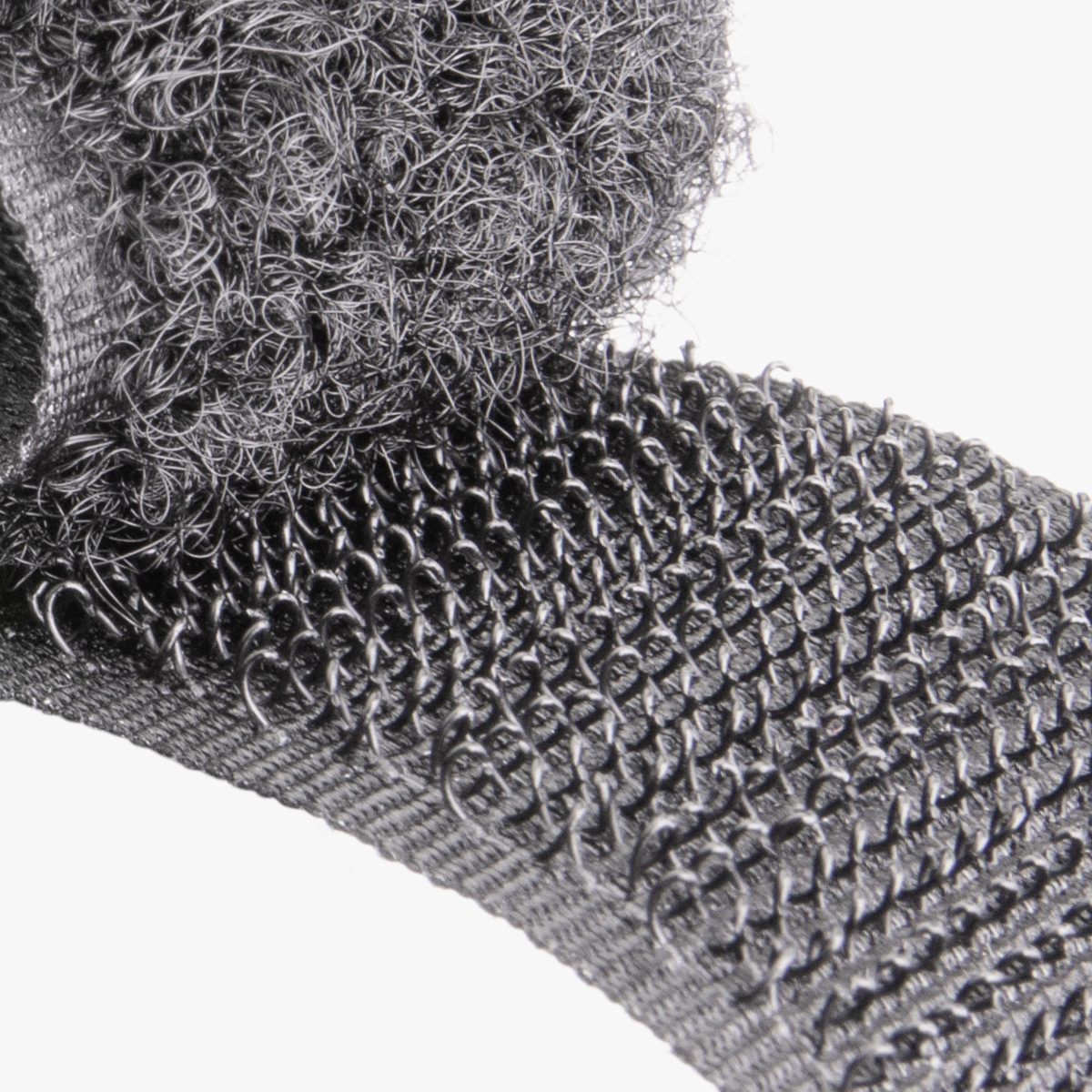
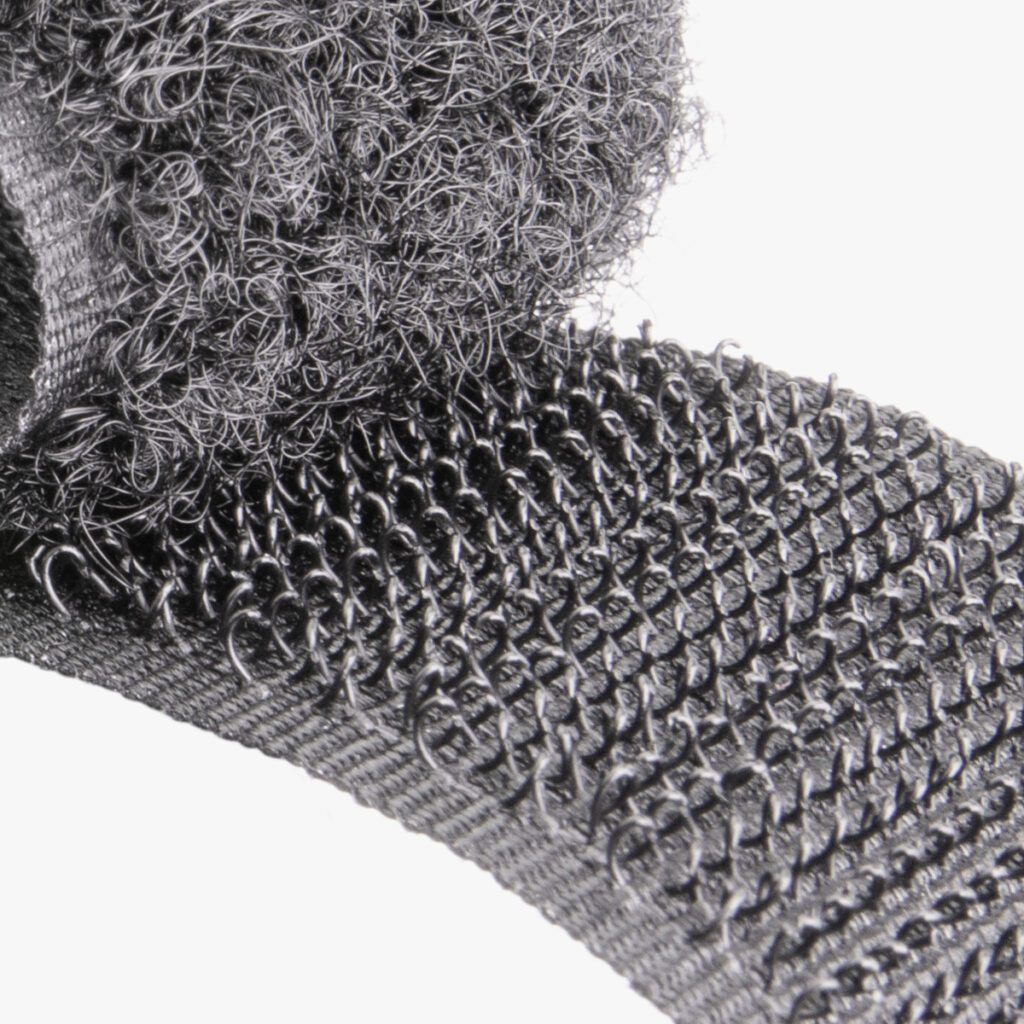
The system consists of two components that work together. One side has tiny hooks, and the other has soft loops. Pressing these together creates a firm hold. This hold can be undone and redone many times without losing strength.
Hook Side Features
The hook side has small, stiff hooks made from plastic or nylon. These hooks are rough to the touch. They are designed to catch onto the loops on the opposite side. The hooks are arranged closely to provide a strong grip. This side is usually attached to the item that needs to be fastened securely.
Loop Side Features
The loop side feels soft and fuzzy. It is made from fabric loops that are flexible and gentle. These loops catch the hooks when pressed together. The loop side is often sewn onto clothing or gear. It provides a comfortable and secure base for the hook side to attach.
How Hook And Loop Connect
The connection happens when the hook side presses against the loop side. The tiny hooks catch onto the loops, locking the two sides together. This bond holds firmly but can be pulled apart easily. The fastener allows quick attachment and removal without damage. It works well for items that need frequent changing or cleaning.
Common Uses
Hook fasteners are widely used across many fields. Their simple design offers quick attachment and removal. This makes them ideal for items needing frequent changes or secure hold. The hook fastener’s strength and ease of use suit various applications. Below are some common uses where hook fasteners perform best.
Military And Tactical Gear
Military gear relies on hook fasteners for flexibility and durability. Soldiers attach patches, name tags, and badges using hook fasteners. They allow easy swapping of unit insignias or rank badges. Tactical vests and backpacks use hook fasteners to hold modular pouches. This keeps gear organized and accessible in the field. Hook fasteners withstand rough use and harsh environments. Their secure grip prevents gear from falling off during movement.
Apparel And Uniforms
Hook fasteners appear on many uniforms and clothing types. They attach removable name tags on work shirts and jackets. Sportswear uses hook fasteners for adjustable closures and patches. School uniforms sometimes include hook fastener fastenings for convenience. They help users quickly change badges or logos. Hook fasteners allow easy garment repair or modification. Their reusability reduces waste compared to sewn-on patches.
Bags And Accessories
Bags often use hook fasteners to secure pockets and straps. Laptop cases and tool bags have hook fastener closures for quick access. Hook fasteners keep accessories like key holders or patches in place. They help users customize or organize items inside bags. Hook fasteners also appear on shoes and hats for adjustable fitting. Their ease of use makes them popular for everyday carry items.
Benefits Of Hook Fasteners
Hook fasteners offer many advantages that make them popular for patches and gear. They provide ease and speed in attaching and removing patches. Users benefit from simple maintenance and broad patch compatibility. These qualities make hook fasteners a practical choice for many applications.
Quick Patch Swapping
Hook fasteners allow patches to be changed quickly. No sewing is needed to switch patches. This saves time and effort in updating gear or uniforms. Users can adapt their look or function in seconds. This feature is especially helpful in active or professional settings.
Easy Cleaning And Maintenance
Hook fasteners make cleaning gear easier. Patches can be removed before washing items. This prevents damage to both the patch and the garment. It also helps keep patches looking new longer. Maintenance becomes simpler with this removable design.
Wide Compatibility With Patch Types
Hook fasteners work with many patch styles. Embroidered, PVC, and woven patches all fit well. This versatility lets users choose patches freely. It supports various designs and materials without extra hassle. The hook fastener system adapts to different needs easily.
Credit: www.velcro.com
Types Of Patches Compatible
Hook fasteners work best with certain types of patches. These patches attach easily to the hook side on the back. Choosing the right patch type helps ensure a strong hold. Different patches offer unique styles and durability.
Embroidered Patches
Embroidered patches have stitched designs made with thread. The back usually has a hook fastener sewn on. This makes it easy to attach and remove the patch. These patches are popular for uniforms and clubs. They offer a classic and textured look.
Pvc Patches
PVC patches are made from soft plastic material. They are durable and flexible with bright colors. The hook fastener sticks well to the back of these patches. PVC patches work great for outdoor gear and sportswear. They resist water and wear over time.
Woven Patches
Woven patches are made by weaving threads tightly together. They have a smooth surface and detailed designs. The hook fastener can be attached to the back easily. These patches provide a clean and subtle appearance. They are ideal for branding and logos.
Installation And Care
Proper installation and care of hook fasteners ensure long-lasting use. These fasteners work best when attached correctly and maintained regularly. Understanding the right methods helps avoid damage and keeps them functioning well.
Attaching Hook Fasteners
Start by cleaning the surface where you will attach the loop side. This step helps the adhesive stick better. Peel off the backing from the hook fastener carefully. Press the hook side firmly onto the loop side. Apply steady pressure for about 30 seconds. Let the adhesive set for a few hours before use. For fabric, sewing the loop side can add extra strength. Avoid stretching the material during attachment to prevent warping.
Maintaining Hook And Loop
Keep hook fasteners free of dirt and lint. Use a soft brush or tweezers to remove debris gently. Washing items with hook and loop fasteners is safe if done on a gentle cycle. Close the fasteners before washing to prevent snagging. Air dry instead of using high heat in dryers. Inspect fasteners regularly for wear or damage. Replace fasteners if hooks or loops become worn out or lose grip.
Troubleshooting Common Issues
If the fastener loses grip, check for trapped dirt or lint. Clean the hooks and loops thoroughly to restore hold. Sometimes hooks bend or break; replace the fastener if this happens. If adhesive peels off, clean the surface and reapply or sew the fastener. Avoid excess moisture and heat to extend adhesive life. Use hook fasteners that match the loop size for best results.
Credit: www.bradleyssurplus.com
Specialized Hook Fasteners
Specialized hook fasteners serve unique purposes beyond everyday use. They offer enhanced strength, durability, and reliability. These fasteners meet strict standards for demanding tasks and environments. Industries such as military, construction, and heavy machinery rely on these variants. Understanding their features helps in choosing the right fastener for tough jobs.
Military-grade Fasteners
Military-grade hook fasteners provide secure attachment under extreme conditions. They resist water, dirt, and heavy wear. Designed to endure harsh weather and rough handling, these fasteners keep gear in place. Their strength supports tactical uniforms, backpacks, and equipment. The hook and loop system allows quick removal and reattachment. This flexibility suits combat and training scenarios. Military-grade fasteners often use reinforced materials for extra toughness.
Heavy-duty Variants
Heavy-duty hook fasteners handle large loads and constant stress. They are common in industrial and outdoor settings. These fasteners use thicker hooks and stronger loops. This design prevents accidental separation and ensures long-lasting hold. Heavy-duty variants work well on heavy fabrics and equipment covers. They resist tearing and stretching even in tough environments. Their reliability makes them ideal for construction sites and heavy gear.
Customization And Design
Customization and design play a crucial role in the functionality of hook fasteners. These fasteners are not one-size-fits-all. They can be tailored to meet specific needs and styles. Customization allows users to match the fastener to their gear or uniform seamlessly.
Design choices impact both the look and performance of hook fasteners. Selecting the right materials and construction methods enhances usability. This section explores key customization options and design principles for hook fasteners.
Custom Patch Options
Custom patches with hook fasteners come in many styles. Embroidered patches offer detailed, colorful designs. PVC patches provide a durable, flexible option with vivid colors. Woven patches give a smooth, fabric-like finish.
Sizes and shapes vary to fit different needs. Patches can be round, square, or custom-shaped. Custom colors match branding or uniforms exactly. Users can add text, logos, or symbols to personalize patches.
The hook backing can be tailored too. Different hook densities affect grip strength. Some hooks are soft for delicate fabrics, while others are strong for heavy gear. This flexibility ensures patches stay secure without damage.
Designing For Durability
Durability is vital for hook fastener patches. Choosing robust materials prevents wear and tear. Strong stitching or heat sealing keeps patches attached firmly. Quality hook and loop materials resist fraying and loss of grip.
Designers consider the environment of use. Outdoor gear needs weather-resistant fasteners. Military or tactical patches require extra toughness. Sports apparel benefits from lightweight yet durable designs.
Proper hook placement ensures lasting attachment. Hooks distributed evenly provide balanced hold. Reinforced edges protect against peeling. These design details extend the patch’s life.
Frequently Asked Questions
What Is A Hook Fastener On A Patch?
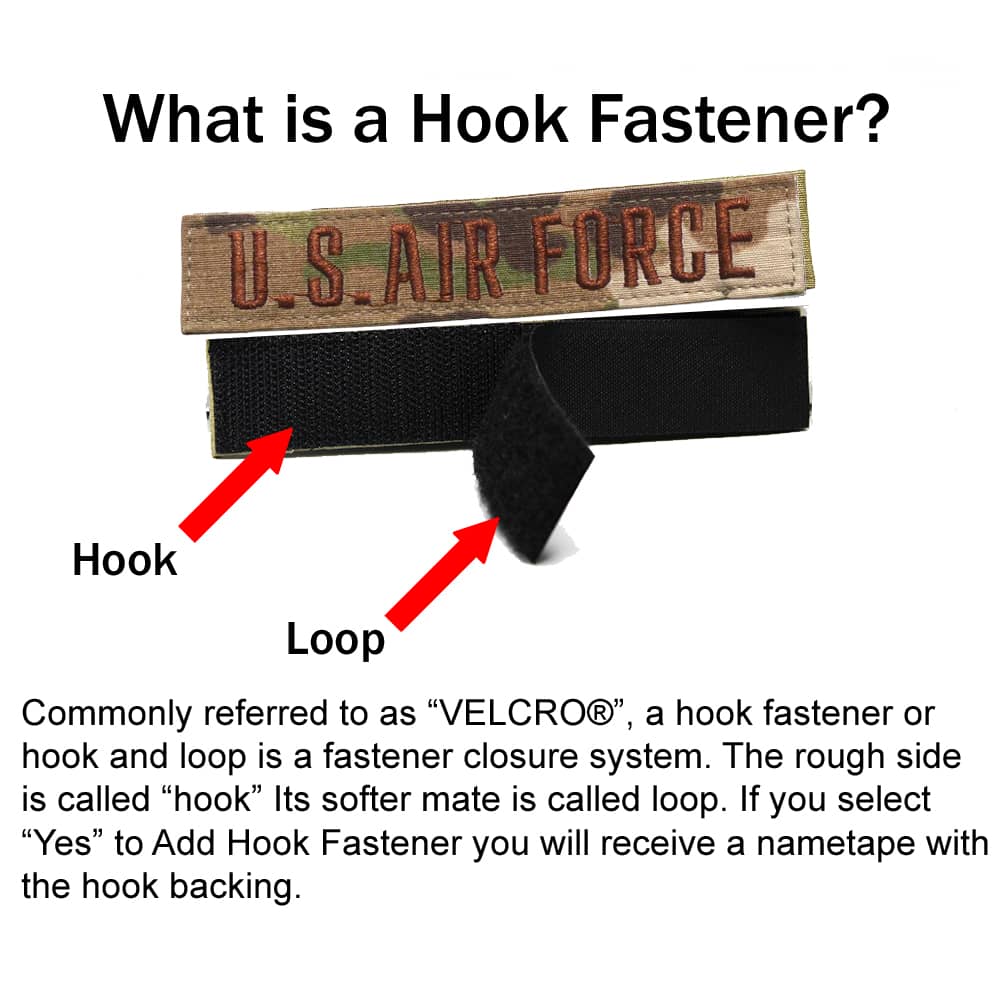
A hook fastener on a patch is the rough side that attaches to a soft loop side on clothing. It enables easy, reusable patch attachment and removal. This hook-and-loop system, like Velcro, allows quick swapping of patches on uniforms, bags, and gear.
What Are Fastener Hooks Used For?
Fastener hooks secure items by attaching the hook side to a loop side, enabling quick, reusable connections. They commonly hold patches on uniforms, gear, and apparel. This system allows easy patch swapping, cleaning, and adaptability across various materials and uses.
What Is A Hook Fastener With A Soft Side?
A hook fastener with a soft side features tiny hooks that attach securely to a soft, fuzzy loop side. This creates a reusable, adjustable bond ideal for patches, clothing, and gear. It allows easy attachment, removal, and swapping without damage, enhancing versatility and convenience.
What Is A Hook Fastener Army?
A hook fastener army patch has a rough, hook-backed side that attaches to a loop surface on uniforms or gear. It enables easy patch removal, replacement, and reuse. This hook-and-loop system, like Velcro, offers versatility for military and tactical applications.
Conclusion
Hook fasteners offer a simple and effective way to attach patches. Their two-part design makes swapping patches fast and easy. Many use them on uniforms, bags, and sports gear. The hook side grips firmly to the loop side, keeping patches secure.
This system saves time and adds flexibility to clothing and equipment. Understanding hook fasteners helps in choosing the right patch solution. They combine convenience with strong hold for everyday use. Consider hook fasteners when you need quick, reusable attachments.