If you have an exposed fastener metal roof or are thinking about installing one, you’re probably wondering: how long will it really last? This is a smart question because your roof protects your home from rain, wind, and Texas’s intense sun.
Unlike other roofing types, exposed fastener metal roofs have screws visible on the surface, which can affect their durability over time. You want to know if your investment will stand strong for decades or if you’ll be facing repairs sooner than expected.
You’ll discover the key factors that influence the lifespan of your exposed fastener metal roof and learn what you can do to extend it. Keep reading to protect your home and get the most value from your roof.
Exposed Fastener Roof Basics
Exposed fastener metal roofs are a popular choice for many buildings due to their cost-effectiveness and ease of installation. These roofs use screws or fasteners that are visible on the surface. Understanding the basics helps in knowing how long these roofs last and what maintenance they may need.
This roofing style offers durability but requires some care to prevent leaks. The fasteners hold the metal panels in place and allow for natural expansion and contraction. Proper design and quality components play a key role in the roof’s lifespan.
Design And Components
Exposed fastener roofs consist of metal panels attached with screws that have rubber washers. The washers create a seal to stop water from entering. Panels usually overlap to direct water off the roof. The metal can be steel, aluminum, or other alloys.
Fasteners are driven through the panel into the roof deck. The screw heads remain visible, making inspection easy. The design allows for quick installation and repairs. Yet, the exposed fasteners may loosen over time due to weather changes.
Common Uses
This roofing type is common on commercial buildings, warehouses, and agricultural structures. It suits low-slope or steep roofs and large surface areas. Its affordability makes it popular for budget-conscious projects.
Exposed fastener metal roofs also work well for garages and workshops. They provide good protection against rain and wind when installed correctly. Regular checks can help catch any loose screws or seal failures early.

Credit: www.perfectsteelsolutions.com
Typical Lifespan Expectancy
The typical lifespan expectancy of an exposed fastener metal roof depends on various factors. These include the quality of materials, installation methods, and maintenance routines. Generally, these roofs offer a durable option but require more upkeep compared to other types. Understanding their average service years helps set realistic expectations for homeowners and builders alike.
Average Years Of Service
Exposed fastener metal roofs usually last between 15 to 30 years. The screws and fasteners are exposed to weather, making them more vulnerable to wear. Over time, the fasteners can loosen, causing leaks or damage. Regular inspection and maintenance can help extend their life closer to 30 years. Neglect can shorten this lifespan significantly.
Comparison With Other Metal Roof Types
Standing seam metal roofs typically last longer, about 40 to 70 years. This is because their fasteners are hidden and protected from the elements. The reduced exposure lowers the risk of corrosion and loosening. While exposed fastener roofs cost less upfront, they may need repairs or replacements sooner. Choosing the right metal roof depends on budget, climate, and maintenance willingness.
Factors Affecting Durability
The lifespan of an exposed fastener metal roof depends on many factors. These factors influence how well the roof holds up over time. Understanding them helps in choosing the right roof and maintenance plan.
Climate And Weather Impact
Harsh weather can shorten a metal roof’s life. Heavy rain, snow, and hail wear down the metal and fasteners. Coastal areas with salty air cause faster corrosion. Extreme heat and cold make metal expand and contract. This movement can loosen screws and cause leaks.
Quality Of Materials
High-quality metal panels last longer. The thickness and coating protect against rust and damage. Good fasteners with strong gaskets prevent water from seeping in. Cheap materials may look fine at first but fail sooner. Choosing durable materials saves money over time.
Installation Practices
Proper installation is key to durability. Screws must be tight but not over-tightened. Over-tightening can break the gasket seal. Fasteners placed incorrectly allow water to enter. Skilled installers ensure panels align well and fasteners hold firmly. Poor installation leads to early problems and roof failure.
Fastener Lifespan And Maintenance
Fasteners play a critical role in the durability of exposed fastener metal roofs. Their lifespan and maintenance directly affect the roof’s overall performance. Proper care can prevent leaks and extend the roof’s life. Regular inspection and timely replacement of fasteners keep the structure secure and weather-resistant.
Screw Lifespan And Replacement
Screws for metal roofs usually last 15 to 30 years. This range depends on the environment and screw quality. Coastal areas with salty air cause faster corrosion. High-quality screws with neoprene washers resist rust better. Screws may need replacement sooner if damaged or loose. Regular checks help spot screws that require replacement early.
Signs Of Fastener Wear
Look for rust or corrosion near screw heads. Loose or crooked panels indicate fastener problems. Missing or crumbling gaskets reduce water resistance. Water leaks inside the attic suggest fastener failure. Stripped or damaged screw heads make removal difficult. These signs mean fasteners need attention or replacement soon.
Proper Fastener Installation
Correct installation extends fastener lifespan and protects the roof. Screws must be tight but not over-tightened to avoid gasket damage. Align screws carefully to prevent panel warping. Use screws with rubber washers to ensure a water-tight seal. Allow room for metal expansion and contraction to keep screws secure. Proper installation reduces maintenance needs and improves roof durability.
Common Issues And Risks
Exposed fastener metal roofs are popular for many reasons. Their durability and cost-effectiveness stand out. Still, they come with common issues and risks that affect their lifespan. Understanding these problems helps homeowners maintain their roofs better. It also prevents costly repairs.
Water Penetration And Leaks
Water penetration is a major risk for exposed fastener roofs. The screws go through the panels, creating potential entry points for water. Over time, the rubber washers can wear out. This allows water to seep inside. Even small leaks can cause serious damage to the roof deck and interior.
Proper installation reduces this risk. Regular inspections catch leaks early. Fixing them quickly protects your home from rot and mold.
Corrosion And Rust
Exposed fasteners face corrosion and rust due to weather exposure. Moisture and air cause metal parts to oxidize. Rust weakens screws and panels. Coastal areas with salty air increase this risk. Rust can cause fasteners to fail, leading to loose panels and leaks.
Using high-quality, coated fasteners slows corrosion. Cleaning and maintenance keep rust at bay. Replacing rusty screws extends the roof’s life.
Panel Movement And Fastener Loosening
Metal roofs expand and contract with temperature changes. This natural movement causes panels to shift slightly. Over time, the fasteners may loosen or back out. Loose screws reduce roof stability and allow wind to lift panels.
Frequent checks and tightening of fasteners prevent this problem. Replacing damaged screws ensures panels stay secure. Proper installation with the right fasteners reduces movement issues.
-2.png?width=500&height=409&name=ScrewDownMetalScrewsWallowed%20(2)-2.png)
Credit: www.billraganroofing.com
Maintenance Tips For Longevity
Maintaining an exposed fastener metal roof is essential to extend its lifespan. Routine care prevents common issues like leaks and rust. Simple maintenance tasks keep the roof strong and functional for many years.
Regular Inspections
Check your metal roof twice a year, especially after storms. Look for loose or missing fasteners and damaged panels. Early detection of problems stops bigger damage. Use binoculars or a ladder for a close view. Note any rust spots or worn seals. Prompt repairs save money and effort later.
Cleaning And Gutter Care
Remove leaves and debris from the roof surface and gutters. Blocked gutters cause water buildup and damage the roof edges. Clean gutters at least twice a year to ensure good drainage. Wash the roof gently with water to clear dirt. Avoid harsh chemicals that harm the metal coating. Clean surfaces prevent rust and keep the roof looking good.
Fastener Tightening And Replacement
Fasteners can loosen over time due to weather changes. Check screws and bolts regularly to keep them tight. Replace any rusty or damaged fasteners immediately. Use screws with rubber washers to prevent leaks. Proper fasteners keep panels secure and water out. Regular tightening reduces the risk of leaks and roof failure.
Cost Considerations
Cost plays a key role in choosing an exposed fastener metal roof. Understanding the financial aspects helps plan for short-term and long-term expenses. Metal roofs come with unique cost factors that differ from other roofing types. Evaluating these costs ensures better budgeting and decision making.
Repair And Replacement Costs
Exposed fastener metal roofs need regular checks for screws and seals. Damaged screws can cause leaks, leading to costly repairs. Replacing worn or rusted screws is less expensive than fixing water damage. Panel replacement happens less often but costs more than screw repairs. Labor costs vary depending on roof size and condition. Choosing quality fasteners reduces repair frequency and expenses.
Cost Benefits Over Time
Metal roofs last longer than many other roofing materials. Their durability lowers the need for frequent replacements. Energy efficiency of metal roofs saves money on cooling bills. Maintenance costs remain low compared to asphalt shingles. Reflective coatings can enhance savings by reducing heat absorption. Over time, these factors make exposed fastener metal roofs cost-effective.
Credit: sheffieldmetals.com
Choosing Between Roof Types
Choosing the right metal roof is important for its lifespan and performance. Different roof types suit various needs and climates. Understanding these differences helps in making a smart choice. Two popular metal roof types are exposed fastener and standing seam. Each has unique features affecting durability and maintenance.
Exposed Fastener Vs Standing Seam
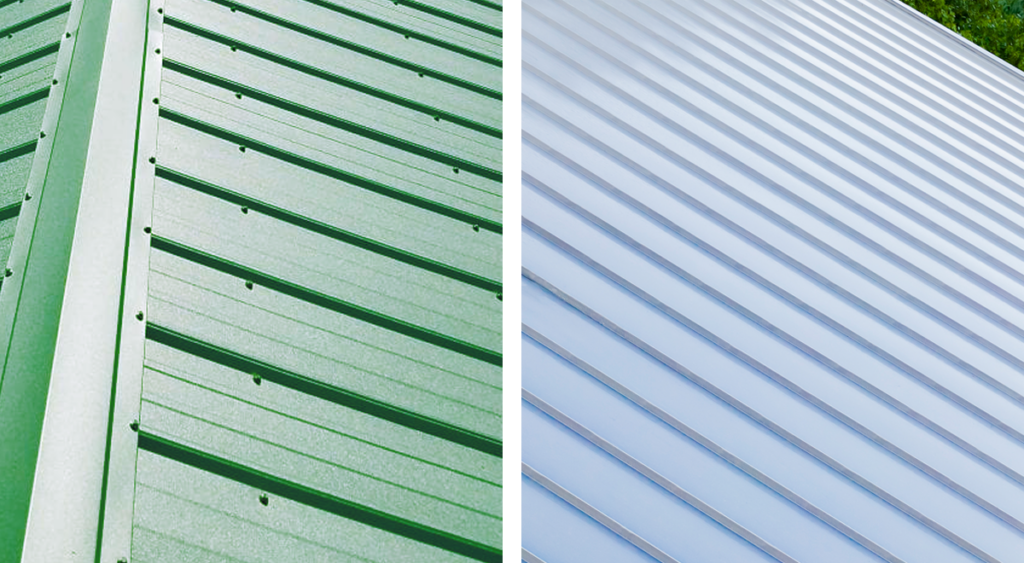
Exposed fastener roofs have screws visible on the surface. This design makes installation quicker and cheaper. The fasteners hold metal panels tightly to the roof deck. Standing seam roofs hide fasteners under raised seams. This creates a smooth, clean look and reduces leaks.
Exposed fastener roofs usually last around 20 to 30 years. The screws can loosen or rust over time. Standing seam roofs often last longer, up to 50 years or more. They resist weather better because fasteners are hidden and protected.
Suitability For Different Climates
Exposed fastener roofs work well in mild climates. They handle moderate rain and wind but may need extra care in heavy storms. Standing seam roofs suit harsh climates better. They resist strong winds, heavy snow, and ice buildup.
In coastal areas, standing seam roofs resist salt corrosion better. Exposed fastener roofs may need more frequent screw checks there. Both roof types expand and contract with temperature changes. Proper installation is key to prevent damage.
Frequently Asked Questions
What Is The Problem With Exposed Fastener Metal Roofs?
Exposed fastener metal roofs often face water leaks due to screw gasket wear and loosening from metal expansion. This leads to potential water damage and roof deterioration.
How Often Should You Replace The Screws On A Metal Roof?
Replace metal roof screws every 10-15 years or sooner if you notice rust, loose panels, damaged gaskets, or leaks. Regularly inspect twice yearly for wear. High-quality screws and proper installation extend lifespan. Harsh climates may require more frequent replacements to prevent water damage.
How Long Will An Exposed Fastener Metal Roof Last?
An exposed fastener metal roof typically lasts 20 to 30 years. Proper maintenance extends its lifespan and prevents leaks.
How Much Does It Cost To Replace Metal Roof Fasteners?
Replacing metal roof fasteners typically costs between $100 and $300, depending on roof size and labor rates. Higher-quality screws may increase expenses.
Conclusion
Exposed fastener metal roofs can last 20 to 30 years with proper care. Regular inspection helps spot loose or rusted screws early. Tightening or replacing screws prevents leaks and damage. Harsh weather and poor installation shorten roof life. Using quality materials improves durability.
Simple maintenance extends your roof’s lifespan and keeps it strong. Choose wisely and maintain well for lasting protection.