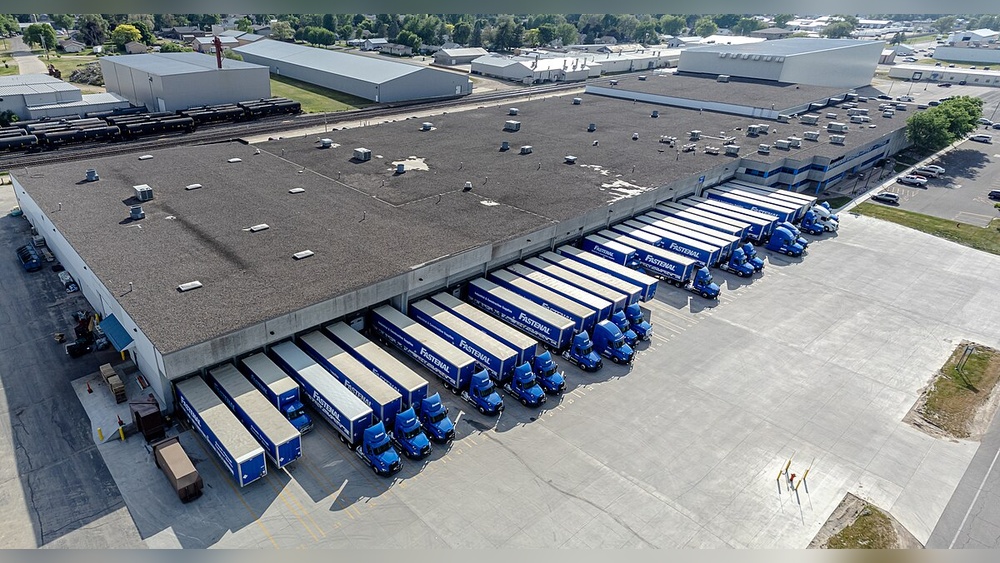
Have you ever wondered just how big Fastenal really is? Whether you’re a buyer, investor, or simply curious about this industrial giant, understanding Fastenal’s size can give you valuable insight into its market influence and reach.
From its vast product range to its extensive network of stores and distribution centers, Fastenal plays a major role in the supply chain for industries across North America and beyond. You’ll discover the true scale of Fastenal’s operations, how it stacks up against its biggest competitors, and what makes it a powerhouse in the industrial supply world.
Keep reading to get a clear picture of Fastenal’s impressive footprint and why it matters to you.
Fastenal’s Market Size
Fastenal’s market size reflects its position as a leading industrial supply company. It serves many industries with a wide range of products. The company’s growth over the years shows its expanding footprint and financial strength.
Understanding Fastenal’s market size helps grasp how large and influential this company is in its sector. Below, we explore key aspects like revenue, market capitalization, and global reach.
Revenue And Market Capitalization
Fastenal generates billions of dollars in annual revenue. Its consistent sales growth highlights strong demand for its products. The company’s market capitalization often exceeds $20 billion. This value shows investor confidence and the company’s financial health. Fastenal’s steady earnings make it a major player in industrial distribution.
Global Presence And Distribution Network
Fastenal operates thousands of stores across several countries. Its network spans North America, Asia, and Europe. The company uses local stores and online platforms to reach customers. Fastenal’s extensive distribution network ensures quick delivery and service. This global presence supports its large market size and competitiveness.
Credit: www.mdm.com
Industry Footprint
Fastenal has built a strong presence in the industrial supply market. Its industry footprint reflects broad reach and deep integration into many sectors. The company serves businesses that need reliable access to essential products and services. This reach helps Fastenal maintain steady growth and strong market position.
Product Range And Services
Fastenal offers a wide variety of industrial and construction supplies. Products include fasteners, tools, safety equipment, and janitorial supplies. They also provide inventory management and vending solutions. These services help customers manage stock efficiently. Fastenal supports both small businesses and large corporations with tailored solutions.
Key Customer Segments
Fastenal serves diverse industries such as manufacturing, construction, and government. Their customers range from small contractors to large industrial plants. The company also works with healthcare providers and educational institutions. This wide customer base shows Fastenal’s adaptability and market strength. Serving many sectors spreads risk and boosts company stability.
Competitive Landscape
Fastenal operates in a highly competitive market with several strong players. The industrial and maintenance supply sector features many companies battling for market share. Fastenal’s size and reach put it among the top contenders. Understanding its competitive landscape helps gauge its position and potential growth.
The company faces competition both from large distributors and regional suppliers. Each competitor brings unique strengths and strategies. Fastenal’s ability to adapt and innovate keeps it relevant in this dynamic environment.
Main Competitors
Fastenal’s main competitors include W.W. Grainger, MSC Industrial Direct, Home Depot, and Lowe’s. These companies offer similar products and services to industrial and maintenance customers. MSC Industrial Direct focuses heavily on industrial tools and equipment. Home Depot and Lowe’s compete in overlapping retail and commercial segments. The Wuerth Group also competes globally, especially in Europe. Ferguson Enterprises targets plumbing and HVAC markets, challenging Fastenal in specific areas.
Comparison With W.w. Grainger
W.W. Grainger is often viewed as Fastenal’s closest rival. Both are large public companies in the industrial supply space. Grainger typically has higher revenue and a larger market cap. Grainger’s product range is broader, including more specialized industrial equipment. Fastenal focuses more on fasteners and related products. Grainger’s distribution network is extensive, with a strong online presence. Fastenal competes by offering local inventory and faster delivery. This creates a balance of strengths between the two firms.
Regional And Global Rivals
Fastenal competes with regional suppliers in various U.S. markets. These smaller companies offer personalized service and local expertise. Globally, Fastenal faces competition from firms like the Wuerth Group. Wuerth leads in Europe with a vast product catalog. Other international distributors also challenge Fastenal’s expansion efforts. These rivals often focus on specific industries or regions. Fastenal’s strategy includes expanding its footprint and product offerings to stay competitive worldwide.

Credit: blueprint.fastenal.com
Financial Strength
Fastenal shows solid financial strength in the industrial supply sector. Its steady revenue growth and strong market presence highlight resilience. The company’s financial health supports ongoing expansion and investment in new markets. Investors often view Fastenal as a reliable choice for steady returns.
Stock Performance
Fastenal’s stock has delivered consistent gains over recent years. It trades on the Nasdaq under the ticker FAST. The stock price reflects confidence in its business model and market strategy. Dividend payments also attract income-focused investors. Market analysts track its performance closely against competitors.
Ceo Compensation And Leadership
Fastenal’s CEO compensation aligns with company performance. Leadership focuses on long-term value creation and operational efficiency. The CEO’s pay includes salary, bonuses, and stock options. This structure encourages growth and shareholder returns. Strong leadership has been key to Fastenal’s steady financial progress.
Innovation And Growth
Fastenal’s innovation and growth drive its strong position in the industrial supply market. The company invests in new technologies and smart strategies to serve customers better. Fastenal stays ahead by improving its services and expanding its reach.
Technological Advancements
Fastenal uses technology to simplify purchasing and inventory management. Its automated vending machines offer fast access to products. The company also developed a mobile app for easy ordering and tracking. Fastenal applies data analytics to understand customer needs. This helps in providing customized solutions. Technology supports faster delivery and better stock control.
Expansion Strategies
Fastenal grows by opening stores in new locations worldwide. It targets industrial hubs and areas with high demand. The company adds services like inventory management and supply chain solutions. Fastenal partners with businesses to offer tailored product programs. It also acquires smaller companies to enter new markets. These steps help Fastenal reach more customers and increase sales.

Credit: en.wikipedia.org
Community And Workforce
Fastenal plays a vital role in communities and workforce development. It invests in people and local economies alike. The company’s impact goes beyond just business. It creates jobs and builds strong partnerships with universities. These efforts strengthen both the company and the places it serves.
Employment Impact
Fastenal employs tens of thousands of workers across the United States and worldwide. It offers jobs in stores, distribution centers, and corporate offices. Many employees gain valuable skills and career growth opportunities. The company supports fair wages and safe working conditions. Local hiring also boosts community economies by creating stable jobs.
University Partnerships And Recognition
Fastenal partners with several universities to support education and research. These partnerships offer internships and training programs for students. The company also receives recognition from universities for its role as a top employer. For example, Fastenal was named Employer of the Year by the University of Wisconsin – Stout. This shows its commitment to developing future talent and giving back to educational institutions.
Frequently Asked Questions
Is Fastenal A Fortune 500 Company?
Fastenal is not currently listed as a Fortune 500 company. It ranks just outside the top 500 by revenue in the U. S.
Who Is Fastenal’s Biggest Competitor?
Fastenal’s biggest competitor is W. W. Grainger, a leading industrial and MRO supplies distributor. Other competitors include MSC Industrial Direct, Home Depot, and Lowe’s. These companies compete closely in the industrial supply and maintenance markets.
What Is The Net Worth Of Fastenal?
Fastenal’s net worth is reflected by its market capitalization, which fluctuates with stock price and shares outstanding. As of 2024, it is approximately $20 billion.
How Much Does The Ceo Of Fastenal Make?
Fastenal’s CEO, Daniel L. Florness, earns approximately $3. 5 million annually in total compensation. This includes salary, bonuses, and stock awards.
Conclusion
Fastenal stands as a major player in the industrial supply world. Its reach spans across many locations and industries. Competing with big names like Grainger and Home Depot, Fastenal holds a strong market position. The company’s size reflects steady growth and a broad product range.
Understanding Fastenal’s scale helps grasp its impact on the supply chain. For those interested in industrial markets, Fastenal remains a key company to watch. Its presence shows how large and influential industrial suppliers can become.