When you think about putting things together—whether it’s fixing a broken chair, building a new shelf, or assembling a gadget—what’s the one thing you rely on to hold everything in place? That’s right: a fastener.
Fasteners are the unsung heroes in your everyday projects, quietly keeping parts connected and secure. But do you really know what makes a fastener the perfect choice for your task? Understanding the types, uses, and strengths of fasteners can save you time, money, and frustration.
Keep reading to discover how the right fastener can make all the difference in your next project.
Common Fastener Types
Fasteners are essential tools in construction, manufacturing, and everyday repairs. They hold materials together securely and come in many types. Each type serves a unique purpose and works best in specific situations. Understanding common fastener types helps choose the right one for your project.
Screws And Their Uses
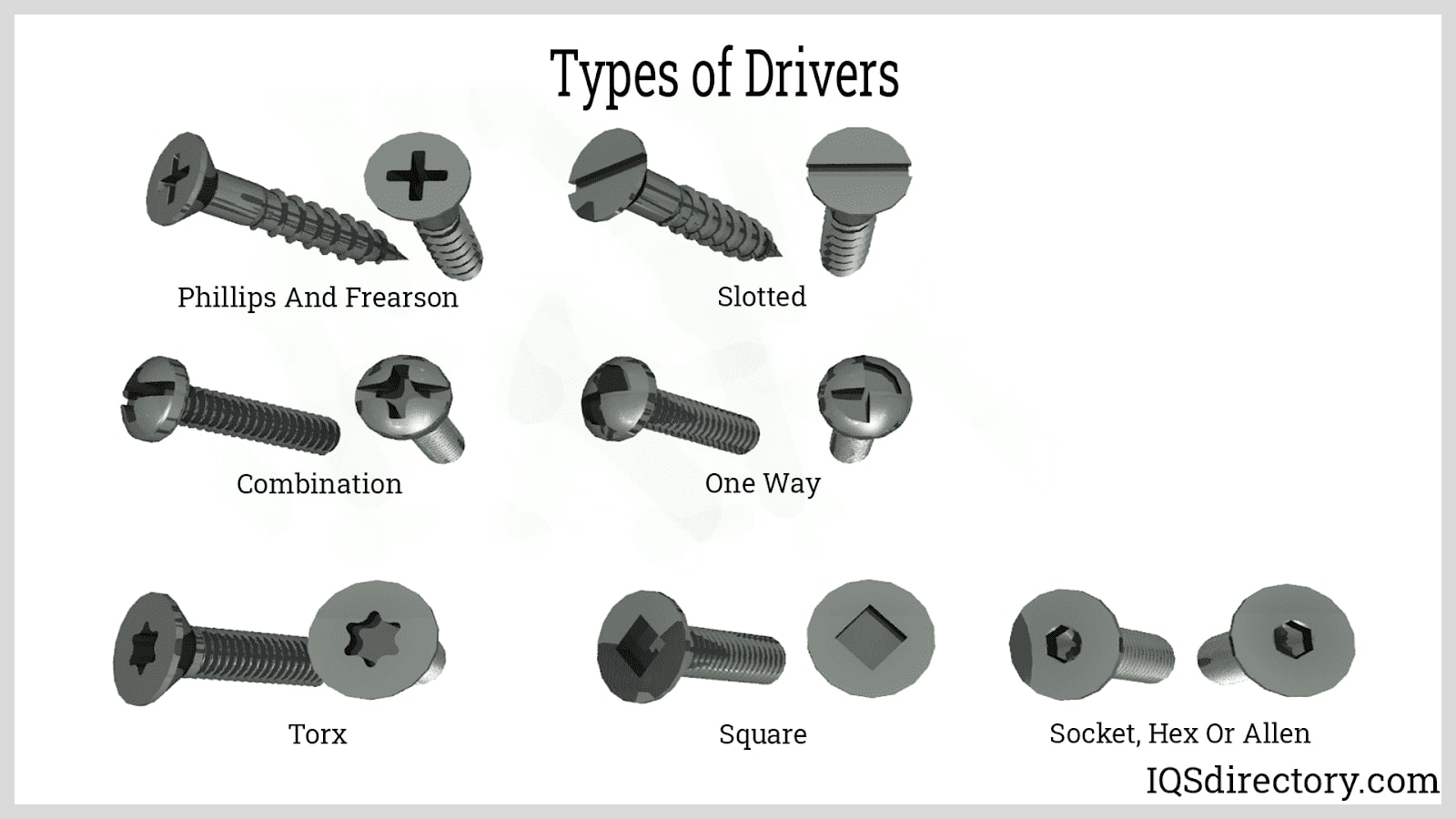
Screws are popular fasteners with a threaded shaft. They create strong, removable joints. Screws work well with wood, metal, and plastic. Different heads like flat, Phillips, and hex fit various tools. Their design allows easy insertion and removal.
Bolts, Nuts, And Washers
Bolts are similar to screws but need nuts to hold parts together. Nuts screw onto bolts to tighten joints. Washers sit under nuts or bolt heads to spread pressure. This setup creates a secure and stable connection. Bolts with nuts are common in machinery and structures.
Nails And Their Applications
Nails are simple fasteners made of smooth metal shafts. They are driven into materials with a hammer. Nails hold wood pieces quickly and cheaply. They are common in framing and carpentry. Nails are less strong than screws but faster to use.
Anchors For Stability
Anchors secure fasteners in walls or concrete. They expand or grip inside the material to hold screws firmly. Anchors prevent fasteners from pulling out under weight. They are ideal for hanging heavy objects on drywall or masonry. Anchors improve fastening strength and safety.
Rivets And Permanent Joints
Rivets create permanent connections by deforming the metal after insertion. They join two or more materials tightly. Rivets are common in metalwork and aircraft assembly. Once set, rivets do not come apart easily. They provide durable and reliable fastening.

Credit: en.wikipedia.org
Materials And Coatings
Fasteners come in many types, but their materials and coatings play a vital role. The choice of material affects strength, durability, and resistance to wear and corrosion. Coatings add extra protection and improve performance in different environments. Understanding these aspects helps select the right fastener for any job.
Steel And Stainless Steel
Steel is the most common fastener material. It offers high strength and good cost efficiency. Stainless steel resists rust and corrosion better than regular steel. It works well in damp or outdoor settings. Both types suit many applications, from construction to machinery.
Brass And Aluminum
Brass fasteners resist corrosion and have good electrical conductivity. They are softer than steel but ideal for decorative or electrical uses. Aluminum fasteners are lightweight and resist rust. They suit lightweight structures but have lower strength than steel fasteners.
Corrosion-resistant Coatings
Coatings protect fasteners from rust and wear. Zinc plating is popular for steel fasteners, creating a barrier against moisture. Black oxide adds mild corrosion resistance and a dark finish. Hot-dip galvanizing offers thick, durable protection for outdoor use. Coatings extend fastener life in harsh conditions.
Choosing Materials For Environment
Match fastener materials to the environment’s demands. Use stainless steel or coated fasteners in wet or salty areas. Brass fits well indoors or in electrical parts. Aluminum suits light loads in dry conditions. Correct material choice prevents damage and maintains safety.
Fastener Strength And Grades
Fasteners hold parts together in machines, buildings, and everyday items. Their strength matters most for safety and durability. Choosing the right fastener grade ensures the joint can handle the load without failing. Understanding fastener strength and grades helps pick the best option for every task.
Fastener strength depends on material quality and manufacturing. Different grades suit different uses. Knowing how to read strength ratings prevents mistakes and costly repairs.
Understanding Strength Ratings
Strength ratings show how much load a fastener can handle. They come from tests measuring force before breaking. These ratings help compare fasteners quickly. Usually, higher numbers mean stronger fasteners. Strength ratings guide engineers and workers in selecting the right fastener.
Grades For Different Applications
Fasteners come in grades like Grade 2, Grade 5, and Grade 8. Each grade has a different strength level. Lower grades suit light tasks, such as household repairs. Higher grades work well in heavy machinery and structural projects. Using the correct grade avoids accidents and extends product life.
Tensile Strength Vs. Shear Strength
Tensile strength is how much pull force a fastener can resist. Shear strength is the force it can withstand when cut or sliced. Tensile strength is important for bolts holding parts under tension. Shear strength matters for fasteners facing sideways forces. Knowing both helps choose fasteners for specific stresses.
Thread Types And Sizes
Threads are the spiraled ridges on fasteners like screws and bolts. They help hold parts tightly. Choosing the right thread type and size is key for a strong connection. Different threads fit different jobs and materials. Understanding thread details saves time and prevents damage.
Coarse Vs. Fine Threads
Coarse threads have fewer, deeper ridges per inch. They work well in soft materials like wood or plastic. Coarse threads are easier to install and resist stripping.
Fine threads have more, shallower ridges per inch. They are better for metal and hard materials. Fine threads provide stronger grip and more precise adjustments.
Metric And Imperial Measurements
Threads use two main measurement systems: metric and imperial. Metric threads are measured in millimeters. Imperial threads use inches.
Metric sizes start with “M” followed by diameter in millimeters. Imperial sizes list diameter in inches and threads per inch (TPI). Knowing both systems avoids mix-ups in projects.
Selecting The Right Thread Pitch
Thread pitch means the distance between thread ridges. It affects how fast a fastener moves when turned. Low pitch moves faster but grips less. High pitch moves slower but holds tighter.
Choose pitch based on material and load. Soft materials need coarse pitch for grip. Hard materials use fine pitch for strength. Match pitch to ensure secure fastening and easy assembly.
Application Considerations
Choosing the right fastener depends on several important factors. Understanding these helps ensure the joint performs well and lasts long. Each application needs careful thought about the conditions and requirements.
Load And Stress Factors
Fasteners must handle the forces they face in use. Consider the weight and pressure on the joint. Dynamic loads, like shocks or impacts, need stronger fasteners. Overloading can cause failure or damage. Select fasteners rated for the specific load to stay safe and stable.
Material Compatibility
Fasteners and joined materials must work well together. Different metals can cause corrosion if mixed improperly. Use matching or compatible materials to avoid rust or weakening. Think about temperature and environment too. Proper material choice extends the life of the fastened parts.
Vibration And Movement Effects
Vibrations can loosen fasteners over time. Machines and vehicles often face constant movement. Use locking fasteners or washers to keep parts secure. Regular checks help catch any loosening early. Consider flexible or vibration-resistant fasteners for high-movement areas.
Ease Of Installation And Removal
Fasteners should be easy to install and remove if needed. Quick assembly saves time and reduces errors. Choose fasteners that match available tools and skills. Reusable fasteners help in maintenance and repairs. Avoid overly complex fasteners that slow down work.
Tools And Installation Tips
Using the right tools and following proper installation tips ensure fasteners perform well. Proper installation prevents damage and extends fastener life. Below are key points to help with fastener installation.
Proper Tools For Fastening
Choose tools made for the specific fastener type. Screwdrivers, wrenches, and socket sets must fit the fastener head exactly. Using the wrong tool can strip or damage fasteners. Power tools with adjustable torque settings improve precision. Hand tools allow better control for delicate tasks. Clean tools work better and reduce slipping risks.
Torque Specifications
Tighten fasteners to the recommended torque value. Too little torque causes loose joints and vibration. Excess torque can break fasteners or damage materials. Use a torque wrench for accuracy. Follow manufacturer guidelines or industry standards for torque. Check torque values often during assembly for consistency.
Avoiding Common Installation Mistakes
Do not overtighten fasteners; this weakens threads and parts. Avoid cross-threading by aligning fasteners carefully before tightening. Clean fastener holes and threads to remove dirt or rust. Use thread lubricant or anti-seize compounds where needed. Inspect fasteners for defects before use. Replace damaged or worn fasteners to maintain safety.
Specialty Fasteners
Specialty fasteners serve unique purposes beyond standard fastening needs. They offer tailored solutions for specific tasks in various industries. These fasteners improve safety, efficiency, and appearance in many applications.
Locking Fasteners
Locking fasteners prevent loosening from vibration or movement. They keep parts secure under stress. Examples include lock nuts, lock washers, and thread-locking adhesives. These fasteners ensure joints stay tight and reliable.
Quick-release Fasteners
Quick-release fasteners allow fast assembly and disassembly. They save time during maintenance or adjustments. Common types are toggle clamps, snap fasteners, and cam locks. These fasteners simplify access without tools.
Decorative Fasteners
Decorative fasteners add style while fastening parts. They come in various shapes, finishes, and colors. These fasteners enhance the look of products like furniture or electronics. They combine function with visual appeal effectively.

Credit: allpointsfasteners.com
Credit: www.iqsdirectory.com
Frequently Asked Questions
What Are 5 Fasteners?
Five common fasteners include screws, nails, bolts, nuts, and washers. They mechanically join objects securely and removably.
What Is Another Word For Fastener?
Another word for fastener includes bolt, screw, nail, latch, clasp, clamp, hook, catch, or hasp. These terms describe devices that join objects securely.
What Is Called A Fastener?
A fastener is a hardware device that mechanically joins two or more objects. It creates removable, non-permanent joints.
What Is A Fastener That Holds Things Together?
A fastener is a hardware device like screws, bolts, or nails that securely holds two or more objects together.
Conclusion
Fasteners play a vital role in many everyday tasks. They join parts quickly and securely. From screws to bolts, each type fits a special purpose. Choosing the right fastener ensures strong, lasting connections. Understanding fasteners helps in building and fixing things better.
Simple tools with big impact. Keep these basics in mind for your projects. Fasteners hold the world together, quietly and firmly.