Are you about to pour concrete for your next project? Before you start, there’s an important step you can’t afford to miss—installing the right fastener.
Choosing and placing the correct fastener before concrete placement can save you time, money, and a lot of frustration down the road. If you want your structure to be strong, safe, and long-lasting, understanding which fastener to install first is crucial.
Keep reading, and you’ll discover exactly what you need to know to get it right from the very beginning.
Types Of Fasteners For Concrete
Fasteners play a key role in concrete construction. They hold parts in place before and during the concrete pour. Choosing the right fastener ensures strong, lasting structures. Different types serve different purposes depending on the project needs.
Here are common types of fasteners installed before concrete placement. Each type helps keep the concrete and other materials secure. Understanding these fasteners can improve your building process and final results.
Anchor Bolts
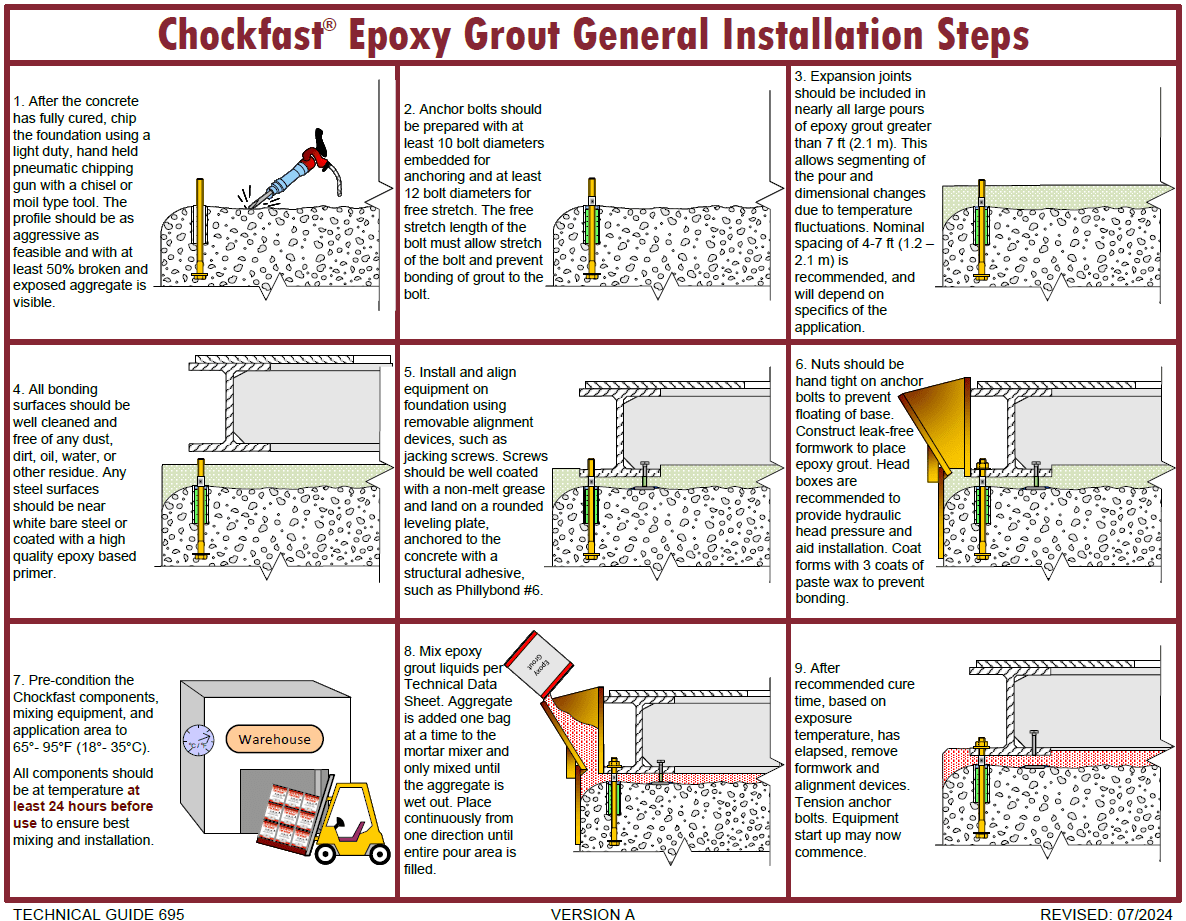
Anchor bolts fix structural elements to concrete. They are set in the formwork before pouring. Once concrete hardens, the bolts hold items like columns or beams firmly. They come in various sizes and shapes to match design needs.
Rebar Supports
Rebar supports hold reinforcing bars in place. They stop bars from moving during the concrete pour. Proper spacing and alignment of rebar increase concrete strength. Supports come as chairs, spacers, or wheels depending on the setup.
Embedded Plates
Embedded plates are metal pieces placed in concrete. They provide strong points for attaching other structures later. Plates are fixed securely before pouring and become part of the concrete. They help connect walls, beams, or other components.
Dowel Bars
Dowel bars transfer loads between concrete sections. They are short steel bars placed across joints. Dowels allow movement while keeping parts aligned. Installing them before concrete placement ensures proper joint performance.
Credit: atimprovements.com
Criteria For Selecting Fasteners
Selecting the right fastener before placing concrete is very important. The fastener must hold well and last long. Choosing depends on many factors. These include how much load the fastener will carry, the environment, and the type of concrete mix. Understanding these criteria helps pick the best fastener for strong and safe construction.
Load Requirements
Fasteners must handle the weight and force they will face. Heavy loads need strong and durable fasteners. Light loads can use smaller or simpler fasteners. Check the load size and type. This ensures the fastener will not fail under pressure. Correct load capacity keeps the structure safe.
Environmental Conditions
The place where the fastener goes affects the choice. Wet or outdoor areas need rust-resistant fasteners. Inside dry areas allow less protected options. Temperature changes can expand or shrink materials. Choose fasteners that tolerate these changes. This prevents damage and keeps the fastener stable.
Concrete Mix Compatibility
Concrete types vary in strength and chemicals. Some mixes are acidic or have additives. Fasteners must resist these chemicals to avoid corrosion. Also, the fastener should bond well with the concrete mix. Proper compatibility helps the fastener stay secure over time.
Installation Timing And Techniques
Installing fasteners before concrete placement requires careful timing and technique. Proper steps ensure the fasteners hold firm and stay in place during the pour. Attention to detail reduces errors and strengthens the final structure.
Positioning Before Pouring
Place fasteners exactly where needed before pouring concrete. Mark the spots clearly to avoid mistakes. Check measurements twice to ensure correct alignment. Positioning fasteners early saves time and prevents costly corrections.
Securing Fasteners
Fasteners must be firmly secured to prevent movement. Use clamps or ties to hold them in place. Tighten all connections without damaging the fastener. Secure fasteners allow concrete to set properly around them.
Avoiding Displacement
Concrete pouring can shift loose fasteners. Protect fasteners by stabilizing the surrounding area. Use braces or supports to keep fasteners steady. Avoid displacement to maintain structural integrity and safety.
Common Mistakes To Avoid
Installing fasteners before concrete placement is crucial for a strong structure. Mistakes during this step can cause delays and extra costs. Avoiding common errors helps ensure safety and durability.
Incorrect Fastener Placement
Placing fasteners in the wrong spot weakens the concrete hold. They must align with design plans exactly. Misplaced fasteners can lead to cracks or failure in the concrete. Check measurements twice before installation.
Inadequate Fastening
Loose or insufficient fastening causes instability. Fasteners need to be tight and secure. Poor fastening allows movement during concrete pouring. Use the right tools to ensure firm attachment.
Material Incompatibility
Choosing the wrong fastener material harms the concrete. Some metals react with concrete and corrode quickly. Use materials designed for concrete environments. This prevents rust and extends the structure’s life.
Safety And Compliance Standards
Installing fasteners before concrete placement requires strict safety and compliance standards. These standards ensure the structure’s strength and long-term durability. Following guidelines reduces risks on-site and meets legal requirements.
Safety rules protect workers and future users of the building. Compliance guarantees that all materials and methods are approved. This section covers key aspects of these standards in construction.
Building Codes
Building codes set the minimum requirements for fastener installation. They vary by region but always focus on safety. Codes specify types of fasteners allowed and their placement. Adhering to codes prevents structural failures and legal issues.
Inspection Procedures
Inspections verify fastener installation before concrete pours. Inspectors check for correct size, spacing, and alignment. Any mistakes must be fixed before continuing work. This process ensures that the project meets safety standards.
Quality Assurance
Quality assurance involves testing and documentation of fasteners. It confirms materials meet strength and durability standards. Records help track compliance throughout the project. This step builds trust and prevents costly errors.
Credit: itwperformancepolymers.com
Tools And Equipment Needed
Before placing concrete, specific tools and equipment are essential to install fasteners correctly. These tools ensure the fasteners are set firmly and accurately. Using the right equipment also improves safety and efficiency on site.
Fastener Setting Tools
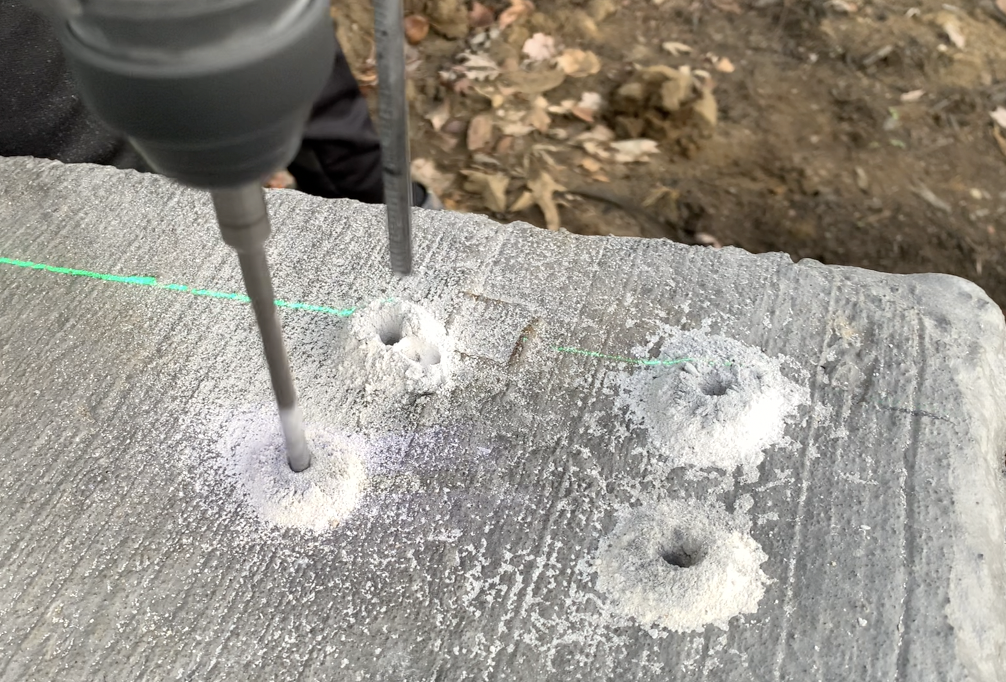
Fastener setting tools are designed to fix anchors or bolts into place. Common types include hammer drills, powder-actuated tools, and impact drivers. These tools help drive fasteners into hard surfaces like concrete or steel. Choosing the correct tool depends on the fastener type and the base material.
Measurement Devices
Accurate measurements are critical before concrete placement. Tape measures, laser levels, and plumb bobs ensure fasteners are positioned correctly. These devices help maintain alignment and spacing for structural integrity. Proper measurement prevents costly mistakes and rework.
Safety Gear
Safety gear protects workers during fastener installation. Essential items include gloves, safety glasses, ear protection, and hard hats. These reduce the risk of injury from flying debris, loud noise, and accidental impacts. Wearing the right gear keeps the worksite safe and compliant with regulations.

Credit: www.rodelta.com
Frequently Asked Questions
What Fastener Is Installed Before Concrete Placement?
Anchor bolts are typically installed before concrete placement. They secure structures to concrete. Proper positioning is crucial for stability and safety.
Why Install Fasteners Prior To Concrete Pouring?
Installing fasteners before pouring ensures accurate placement and strong bonding. It prevents costly adjustments and structural issues later.
How To Position Fasteners Before Concrete Placement?
Use templates or jigs to position fasteners accurately. Measure carefully and secure them firmly to avoid movement during pouring.
What Materials Are Best For Fasteners In Concrete?
Steel fasteners with corrosion resistance, like galvanized or stainless steel, are ideal. They ensure durability and long-term performance in concrete.
Conclusion
Fasteners installed before concrete ensure a strong, lasting hold. Choosing the right fastener prevents future repairs and safety issues. Proper placement saves time and money during construction. Always follow guidelines and use quality materials for best results. Planning fastener installation carefully makes concrete work easier and more reliable.
This small step leads to a sturdy, durable structure. Keep these points in mind for successful concrete projects.