Are you struggling with quick fastener screws that just won’t budge? You’re not alone.
These screws are designed to hold things tightly, but when it’s time to remove them, they can be tricky and frustrating. Imagine saving time and avoiding damage to your tools or project by learning the right way to remove these screws quickly and safely.
You’ll discover simple, effective steps that anyone can follow. Keep reading, and you’ll soon have the confidence to tackle quick fastener screws like a pro.
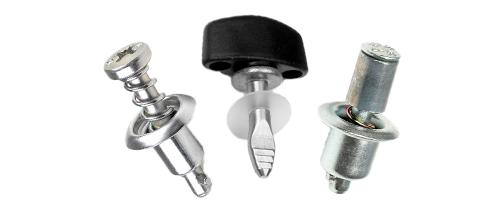
Credit: www.hfsindustrial.com
Types Of Quick Fastener Screws
Quick fastener screws come in various types. Each type has a unique design and purpose. Knowing these types helps you remove them easily and safely.
Common Designs
Quick fastener screws include push-type, quarter-turn, and snap-lock. Push-type screws hold by friction and need pulling out. Quarter-turn screws twist a quarter to unlock. Snap-lock screws snap in place and release with pressure. These designs make fastening and removing quick and simple.
Materials Used
These screws use materials like plastic, steel, or aluminum. Plastic screws resist rust and are light. Steel screws are strong and durable. Aluminum screws are lightweight and resist corrosion. Material affects how you remove the screws and what tools to use.
Applications
Quick fastener screws appear in automotive, electronics, and furniture. Cars use them for panels and trims. Electronics use them for easy access to parts. Furniture uses them for assembly and repair. Knowing applications guides the removal process and tool choice.

Credit: www.amazon.com
Tools Needed For Removal
Removing quick fastener screws requires the right tools. Using proper tools makes the job easier and prevents damage. Choose tools based on the screw type and location. Below are the common tools needed for removal.
Screwdrivers And Drivers
Screwdrivers come in many shapes and sizes. Flathead and Phillips screwdrivers fit most quick fastener screws. Use a screwdriver that matches the screw head. A power driver can speed up the process. Use it carefully to avoid stripping the screws.
Pliers And Wrenches
Pliers help grip and turn screws that are hard to reach. Needle-nose pliers work well in tight spaces. Wrenches offer better leverage for stubborn screws. Adjustable wrenches fit various screw sizes. Use these tools gently to avoid damaging the fastener.
Specialized Tools
Some quick fastener screws need special tools. A quick-release tool can unlock certain types of fasteners. A screw extractor helps remove damaged or stripped screws. These tools are handy for tough removal jobs. Keep them in your toolkit for emergencies.
Preparation Before Removing
Before removing quick fastener screws, proper preparation is key. It helps avoid damage and keeps you safe. Taking time to prepare also makes the process smoother and faster.
Safety Measures
Wear safety glasses to protect your eyes from small debris. Use gloves to avoid cuts and improve grip. Ensure the work area has good lighting. Keep tools in good condition to prevent accidents.
Clearing The Area
Remove any objects near the screws to have clear access. Clean the surface to avoid dirt falling into the screw holes. Make sure the area is stable and free of clutter. This helps avoid slips and makes your work easier.
Assessing Screw Condition
Check if the screws are rusty or stripped. Rusty screws may need extra care or special tools. Stripped screws might require a different removal method. Knowing the condition saves time and prevents damage to materials.
Step-by-step Removal Process
Removing quick fastener screws can be tricky without the right steps. Following a clear, simple process helps avoid damage and saves time. This guide breaks down the removal into easy parts.
Loosening The Screw
Start by choosing the correct screwdriver. Match the head size and type exactly. Turn the screwdriver slowly to the left. Use steady pressure to avoid stripping the screw head. If the screw moves, keep turning until it loosens fully.
Handling Stuck Screws
Apply a small amount of penetrating oil around the screw. Let it sit for a few minutes to soften rust or dirt. Tap the screw gently with a hammer to break the seal. Use a rubber band between the screwdriver and screw for extra grip. Try turning again with steady pressure.
Removing Without Damage
Pull the screw out straight to avoid stripping the hole. Use pliers if the head is exposed and the screwdriver fails. Clean the hole after removal to prepare for new screws. Always work slowly and carefully for best results.
Tips For Speedy Fixes
Removing quick fastener screws can be tricky without the right approach. Speed matters when fixing things fast. These tips help you remove screws quickly and safely. Follow simple steps to avoid damage and save time.
Using Lubricants
Lubricants reduce friction and loosen stuck screws. Apply a small amount of oil or spray on the screw head. Let it sit for a few minutes. This softens rust and dirt, making the screw easier to turn. Avoid using too much oil to keep the area clean.
Applying Proper Pressure
Press the screwdriver or drill firmly into the screw head. Too little pressure causes slipping or stripping. Too much pressure can damage the tool or screw. Find a balance to keep the tool steady and grip the screw tightly. Steady force helps the screw turn smoothly.
Maintaining Tool Grip
Use a screwdriver with a comfortable handle for better grip. Keep your hands dry and clean to avoid slipping. If the tool slips, stop and adjust your grip. Use gloves if needed for extra hold. A strong grip saves time and prevents accidents.
Troubleshooting Common Issues
Removing quick fastener screws can sometimes be tricky. Common problems often slow down the process. Knowing how to fix these issues helps you finish the job faster. Here are some common problems and easy ways to solve them.
Stripped Screws
Stripped screws lose their grip on the screwdriver. This happens when the tool slips or the screw is old. Use a rubber band for extra grip. Place it over the screw head and turn slowly. A small flathead screwdriver may also help to turn the screw.
Rust And Corrosion
Rust makes screws hard to remove. Spray a little rust remover or WD-40. Let it sit for 10 minutes to loosen the screw. Use pliers for better grip if the screwdriver slips. Work gently to avoid breaking the screw.
Broken Fasteners
Broken fasteners need careful handling. Use needle-nose pliers to pull out the broken part. If it is stuck inside, try a screw extractor kit. Drill a small hole in the broken fastener. Then, turn the extractor counterclockwise to remove it.
Preventing Future Removal Problems
Preventing future problems with quick fastener screws saves time and effort. These screws can be tricky to remove if they get stuck or damaged. Taking simple steps now helps avoid issues later. Proper care and smart choices make removal easier.
Regular Maintenance
Check screws often for rust or dirt. Clean them with a soft brush or cloth. Use lubricant to keep screws moving smoothly. Regular care stops screws from getting stuck. It also extends the life of your fasteners.
Choosing Quality Screws
Pick screws made from strong, rust-resistant materials. Cheap screws break or strip easily. Good quality screws hold better and last longer. They make removal easier when needed. Always buy from trusted brands or stores.
Proper Installation Techniques
Use the right tools to avoid damaging screws. Do not over-tighten screws, or they will be hard to remove. Follow instructions for correct screw depth and angle. Proper installation reduces the risk of stuck screws. This saves time and hassle later.

Credit: www.rockworkx.com
Frequently Asked Questions
How Do I Safely Remove Quick Fastener Screws?
Use a compatible screwdriver or quick-release tool. Turn counterclockwise gently to avoid stripping the screw head. Apply steady pressure for smooth removal.
What Tools Are Best For Quick Fastener Screws?
A flathead or Phillips screwdriver usually works well. Some quick fasteners need a specific release tool. Always check the screw type before starting.
Can Quick Fastener Screws Be Reused After Removal?
Yes, if they are undamaged and clean. Inspect screws for wear or stripping before reusing. Replace damaged screws to ensure secure fastening.
Why Are Quick Fastener Screws Difficult To Remove?
Improper tools or over-tightening can cause issues. Rust and debris buildup also make removal harder. Use penetrating oil if screws are stuck.
Conclusion
Removing quick fastener screws can be simple with the right steps. Use proper tools to avoid damage. Take your time and work carefully. Clean the area after removal to keep things neat. Practice makes the process easier and faster. Remember these tips for your next project.
Now, you can confidently handle quick fastener screws.