When you’re working on a project that involves joining wood or other materials, nails are often your go-to fastener. But have you ever stopped to wonder how nail fasteners actually work?
Understanding the simple yet effective mechanics behind nails can make a big difference in how you choose and use them for your next build. Whether you’re a DIY enthusiast or just curious about the tools in your toolbox, this guide will reveal exactly how nail fasteners hold materials tightly together, the role of friction and shear strength, and why some nails are bent or clinched after driving.
Keep reading, and you’ll gain the insider knowledge that helps you pick the right nails and tools to get the job done right every time.
Nail Fastener Basics
Nail fasteners are simple yet effective tools used to join materials. They are common in woodworking and construction. Understanding how they work helps in choosing the right nail for each job.
Nails hold materials together by creating a strong bond. This bond depends on how the nail interacts with the materials. The basic principles involve friction, shear strength, and special techniques.
How Nails Hold Materials
Nails hold materials by pushing into them and creating pressure. This pressure stops the pieces from moving apart. The nail’s shaft fits tightly inside the material. This tight fit locks the materials together.
The point of the nail cuts into the material. It makes a path for the shaft to follow. This path helps the nail stay secure. The head of the nail stops it from slipping through the material.
Friction And Shear Strength
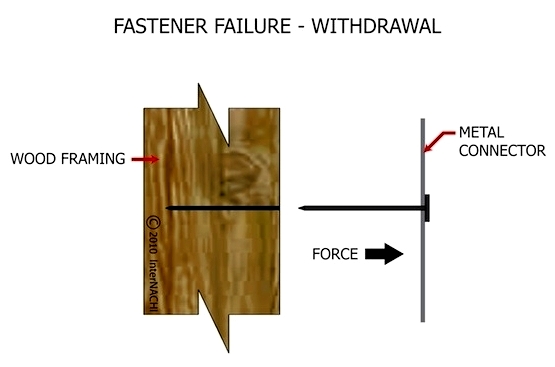
Friction is the force that resists movement along the nail’s length. It keeps the nail from sliding out. The rough surface of the nail and the material create this friction.
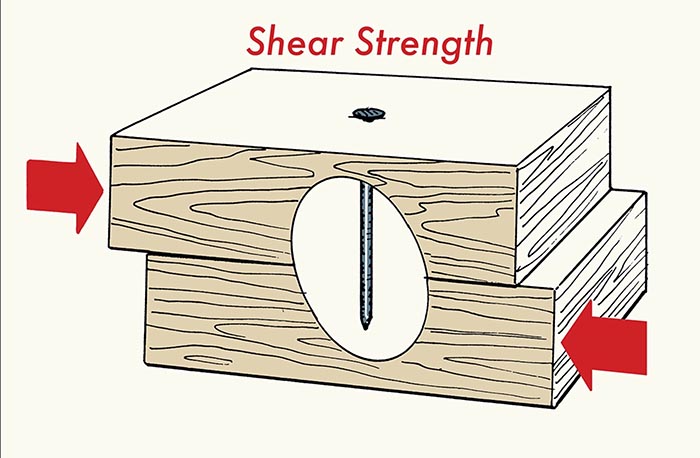
Shear strength is the nail’s resistance to forces pushing sideways. It stops the materials from moving side to side. Together, friction and shear strength make a nail strong and reliable.
Clinch And Bend Techniques
Clinching means bending the nail’s tip after it goes through the material. This bend locks the nail in place. It prevents the nail from pulling out easily.
Bending the nail also spreads its hold inside the material. This adds extra strength. These techniques improve the nail’s grip and make joints last longer.
Types Of Nail Fasteners
Nail fasteners come in various types, each designed for specific tasks. Choosing the right nail fastener affects the strength and appearance of your project. Understanding these types helps you pick the best one for your needs.
Common Nails
Common nails are thick and strong. They work well for framing and heavy wood construction. Their large heads hold materials tightly together. You often see them in building walls and roofs.
Finishing Nails
Finishing nails have small, thin heads. They leave a clean look on the wood surface. These nails are ideal for trim and molding. You can hide their heads with wood filler easily.
Brad Nails
Brad nails are thin and small. They prevent wood from splitting in delicate projects. People use them for light trim and crafts. Brad nails work well with narrow wood pieces.
Specialty Nails
Specialty nails serve unique purposes. Examples include roofing nails, which resist weather damage. Masonry nails are designed for hard surfaces like concrete. Each type fits specific construction needs.
Tools For Driving Nails
Nail fasteners need the right tools to work well. Driving nails properly depends on the tools you use. These tools make the job easier and faster. They also help avoid damage to the material. Let’s explore some common tools for driving nails.
Hammer Varieties
Hammers are the most common tools for nails. Different types suit different tasks. A claw hammer is popular for general use. It has a curved claw to pull out nails. Framing hammers are heavier and used for large projects. Ball-peen hammers work well for metal nails. Each hammer offers control and force for driving nails.
Nail Guns And Their Power Sources
Nail guns speed up nailing jobs a lot. They use power to push nails quickly. Pneumatic nail guns run on compressed air. Electric nail guns plug into outlets or use batteries. Cordless nail guns give freedom to move around. Nail guns work best for big or repetitive tasks. They save time and reduce hand strain.
Using A Nail Set
A nail set helps sink the nail head below the surface. This tool keeps wood looking smooth and neat. You place the nail set on the nail head. Then, tap it gently with a hammer. This pushes the nail deeper without damaging the wood. Nail sets are useful for finishing touches and trim work.
Credit: www.nachi.org
Removing Nails Safely
Removing nails safely is important to avoid damage and injury. Using the right tools helps protect surfaces and your hands. Careful techniques make the process smoother and faster.
Claw Hammer Techniques
Use the claw part of the hammer to grip the nail head. Pull the hammer back slowly to lift the nail out. Place a small block of wood under the hammer handle for leverage. This prevents damage to the surface below. Work gently to avoid bending the nail or breaking the wood.
Using Pliers
Pliers work well for small or stubborn nails. Grip the nail close to the surface firmly. Pull straight out or use a rocking motion to loosen the nail. Pliers provide better control when the nail head is damaged. Wear gloves to protect your hands from sharp edges.
Nail Pullers And Cat’s Paw
A nail puller or cat’s paw digs under the nail head with a pointed tip. Tap it gently with a hammer to get under the nail. Use the handle to pry the nail out slowly. These tools are ideal for deeply embedded or bent nails. They reduce surface damage and make removal easier.
Supporting Tools And Safety Gear
Using nail fasteners effectively requires more than just nails and a hammer. Supporting tools and safety gear make the job easier and safer. These tools help ensure nails go in the right place and prevent injuries during work. Understanding these essentials improves both precision and safety.
Measuring And Marking Tools
Measuring tape is vital to place nails accurately. Marking tools like pencils or chalk guide where to drive the nails. These tools prevent mistakes by showing exact spots for fasteners. Correct measurements keep materials aligned and secure.
Protective Equipment
Safety glasses protect eyes from flying debris during nailing. Work gloves shield hands from splinters and sharp nails. Ear protection is useful when using loud tools like nail guns. Wearing the right gear reduces the risk of accidents.
Additional Fastening Tools
A nail set helps sink the nail head below wood surfaces for a clean finish. Claw hammers pull out nails easily when needed. Pliers grip small or stubborn nails for removal. Nail pullers, such as cat’s paws, pry nails out without damage. These tools support nail fasteners in different tasks.
Comparing Nails With Other Fasteners
Fasteners hold materials firmly, making construction and repairs possible. Nails, screws, and bolts each have unique features. Understanding their differences helps you select the right one. This section compares nails with other fasteners to guide your choice.
Nails Vs Screws
Nails are simple and quick to use. They work by friction and hold materials tightly. Screws have threads that grip deeper into surfaces. This makes screws stronger for heavy loads. Nails are better for fast, light work. Screws are ideal when you need a secure and lasting hold.
When To Choose Bolts
Bolts are stronger than nails and screws. They need nuts and washers to fasten properly. Use bolts for heavy construction and metal parts. They provide excellent strength and can be tightened or loosened easily. Bolts are best for projects needing high durability and stability.
Combining Fasteners For Strength
Sometimes one fastener is not enough. Combining nails with screws or bolts adds extra strength. Use nails for quick positioning. Then add screws or bolts to lock materials firmly. This method improves the overall durability of your work. It prevents loosening under stress or vibration.
Applications Of Nail Fasteners
Nail fasteners serve many purposes across different fields. They hold materials firmly and provide structural support. Their versatility makes them valuable for various tasks. Understanding where nail fasteners are used helps you choose the right type for your needs.
Woodworking Projects
Nail fasteners are common in woodworking. They join pieces of wood quickly and securely. Small nails work well for delicate tasks like picture frames. Larger nails hold furniture and cabinets together. Nail fasteners allow for easy adjustments during assembly. They also help avoid splitting wood when used correctly.
Construction Uses
Nails play a key role in construction. Builders use them to frame walls and roofs. They fasten wood studs and support beams firmly. Nail guns speed up this process on job sites. Nails also secure drywall panels and exterior sheathing. Their strength ensures buildings stay stable in harsh weather.
Flooring Installation
Flooring experts rely on nail fasteners to fix boards. Nails keep hardwood and subflooring tightly in place. They reduce movement and prevent squeaks over time. Special flooring nails have a smaller head to stay hidden. Using nails correctly improves floor durability and appearance.
Credit: www.artofmanliness.com
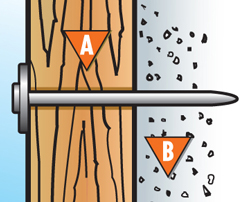
Credit: www.ramset.com
Frequently Asked Questions
How Does A Nail Fastener Work?
A nail fastener works by driving a pointed metal shaft into materials. It holds them together through friction and shear strength. The nail’s tip sometimes bends or clinches to prevent pulling out, ensuring a secure and lasting connection.
What Tools Are Needed For Nails Fasteners?
Essential tools for nail fasteners include a hammer, nail gun, nail set, claw hammer, pliers, and a nail puller. Safety glasses and work gloves also protect during use. For screws, use a drill or screwdriver, plus measuring tape for accuracy.
What Holds Tighter, Screws Or Nails?
Screws hold tighter than nails due to their threaded design, which grips materials more securely. Nails rely on friction and shear strength but offer less pull-out resistance.
How Do Nails Grow If They Are Attached?
Nails grow from the nail matrix beneath the skin, pushing the attached nail plate outward as new cells form. This continuous cell production causes nails to grow despite being attached.
Conclusion
Nail fasteners work by holding materials tightly through friction and strength. The pointed end of a nail pierces the wood easily. Once inside, the nail resists pulling forces by grip and sometimes clinching. Using the right tools, like a hammer or nail gun, helps drive nails quickly and securely.
Knowing how nails function makes your projects stronger and more stable. Simple tools and correct technique ensure nails stay in place over time. Understanding these basics can improve your DIY and construction work significantly. Nails remain a reliable choice for joining materials effectively.