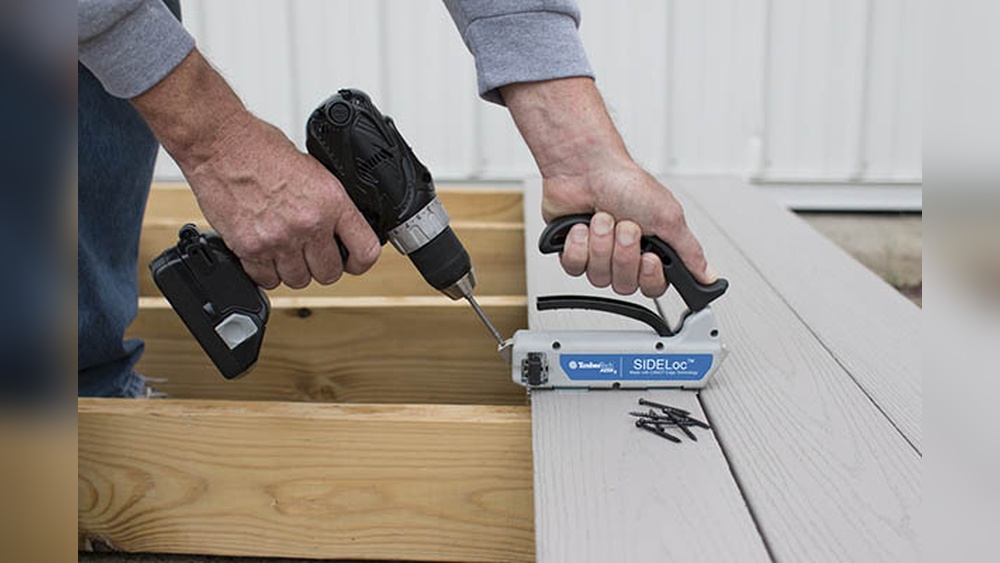
Are you tired of seeing screws and nails ruining the smooth surface of your deck? Hidden deck fasteners might be the perfect solution for you.
But how do these clever devices actually work to keep your deck sturdy and beautiful without any visible hardware? Understanding the mechanics behind hidden deck fasteners can help you decide if they’re the right choice for your outdoor space. You’ll discover exactly how hidden fasteners hold your deck boards in place, why they’re gaining popularity, and what benefits they offer for a sleek, professional finish.
Keep reading to unlock the secrets that can transform your deck into a flawless retreat.
Credit: diydeckplans.com
Types Of Hidden Deck Fasteners
Hidden deck fasteners come in several types. Each type offers a unique way to secure deck boards without visible screws. These fasteners improve the deck’s look and safety by hiding hardware beneath or between boards. Understanding different types helps choose the right one for your project.
Side-mount Clips
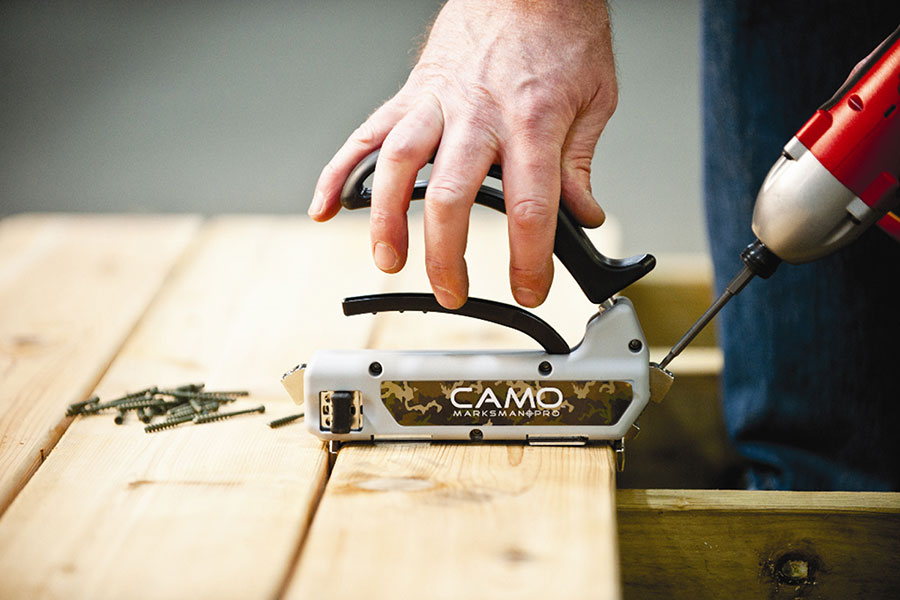
Side-mount clips attach to the side of each deck board. They fit into grooves cut along the edges of boards. Screws then fasten the clips to the joists beneath the deck. This method leaves no screws on the top surface. It creates a smooth, clean deck finish.
Underside Fasteners
Underside fasteners work from below the deck boards. They hold boards down from the joist side. This type is hidden completely under the deck surface. It works well for wood and composite materials. Underside fasteners allow wood to expand and contract freely.
Spline Systems
Spline systems use a thin strip called a spline. The spline fits into grooves on the edges of deck boards. It locks boards tightly together without screws on top. This system offers a uniform gap between boards. Spline systems provide a modern, seamless deck appearance.
Credit: www.homedepot.com
Installation Process
The installation process of hidden deck fasteners ensures a clean, smooth deck surface without visible screws. This method requires careful preparation and precise steps to secure the deck boards firmly. Each stage plays a key role in achieving a strong, long-lasting deck.
Preparing The Deck Boards
Start by selecting quality deck boards that fit your design. Cut the boards to the correct length before installation. Check the edges for any rough spots or splinters. Clean the boards to remove dust and dirt. This ensures the fasteners grip properly and the deck looks neat.
Attaching Fasteners To Joists
Place the hidden fasteners on the joists along the edge of each board. Use screws designed for the fasteners to secure them tightly. Make sure the fasteners are aligned evenly for a uniform deck surface. Avoid over-tightening to prevent damage to the joists or fasteners. Proper attachment keeps the deck stable and secure.
Securing Boards With Clips
Slide the deck boards into the clips attached to the joists. The clips grip the boards firmly on the sides, holding them in place without visible screws on top. Check that each board is flush with the next for a smooth look. Tighten screws in the clips to lock the boards securely. This step hides the fasteners and prevents board movement.
Tools Required
Gather essential tools before starting the installation. You will need a drill with screwdriver bits for driving screws. A tape measure helps with accurate board placement. Use a level to ensure the deck surface is even. Safety gear like gloves and goggles protects you during work. Having the right tools speeds up installation and improves results.
Materials Compatibility
Hidden deck fasteners must match the decking material for lasting results. Choosing the right fastener ensures strong holds and prevents damage. Different decking materials need specific fastener types and coatings. Understanding compatibility helps avoid rust and board warping.
Wood Decking
Wood decking requires fasteners that resist corrosion and wood movement. Stainless steel or coated fasteners work best to prevent rust. Fasteners must allow the wood to expand and contract without splitting. Properly matched fasteners keep wood boards secure and looking good.
Composite Decking
Composite decking needs fasteners designed to grip synthetic materials tightly. Clips made of plastic or metal fit well with composite boards. These fasteners avoid surface damage and allow for material expansion. Using the correct fastener prevents board cracking or loosening.
Pvc Decking
PVC decking calls for fasteners that do not react with plastic. Fasteners with corrosion-resistant coatings are ideal for PVC decks. They hold boards firmly without causing discoloration or damage. Matching fasteners to PVC ensures a clean, durable deck surface.
Benefits Of Hidden Fasteners
Hidden deck fasteners offer several advantages over traditional visible screws or nails. They create a cleaner look and improve the overall deck experience. These fasteners attach deck boards securely without showing any hardware on the surface. This section explains the key benefits of using hidden fasteners for your deck project.
Seamless Deck Appearance
Hidden fasteners keep the deck surface smooth and free of visible screws. This creates a sleek, modern look that highlights the wood or composite material. The absence of screw heads means no interruptions in the deck’s lines. It also prevents unsightly stains or rust marks around fasteners.
Enhanced Safety
Without exposed screws, there are no sharp edges or protrusions. This reduces the risk of tripping or injury on the deck. Hidden fasteners also prevent nails or screws from loosening and sticking out over time. The smooth surface is safer for bare feet and children playing on the deck.
Reduced Maintenance
Hidden fasteners protect the deck boards from moisture and dirt buildup around screws. This lowers the chance of wood splitting or warping near fastener points. You spend less time cleaning and repairing the deck. The deck stays attractive longer without frequent touch-ups.
Improved Durability
These fasteners hold boards tightly in place and allow for natural wood movement. This prevents loosening and damage caused by expansion and contraction. Many hidden fasteners use corrosion-resistant materials for long-lasting performance. Your deck remains strong and stable through changing weather.
Common Challenges
Hidden deck fasteners offer a clean look for decks but come with their own set of challenges. Understanding these common issues helps in better planning and maintenance. These challenges mainly involve the precise installation, the natural movement of deck boards, and the risk of fastener corrosion.
Installation Precision
Hidden deck fasteners require exact placement. Even a small error can cause gaps or uneven boards. Installers must follow manufacturer instructions closely. Using the wrong size or type of fastener leads to poor fit and stability. Precise drilling and alignment are crucial for a secure hold.
Deck Board Movement
Wood and composite boards expand and contract with weather changes. Hidden fasteners must allow slight movement to avoid warping or cracking. Too tight fastening can damage the boards over time. Proper spacing and clip flexibility help manage natural board shifts.
Fastener Corrosion
Fasteners often face moisture and outdoor elements. Corrosion weakens the hold and can stain deck boards. Choosing corrosion-resistant materials like stainless steel improves durability. Regular inspection helps catch rust early and extends the deck’s life.

Credit: www.reddit.com
When To Avoid Hidden Fasteners
Hidden deck fasteners create clean, smooth deck surfaces without visible screws. Yet, these fasteners do not suit every decking project. Certain conditions make their use impractical or less effective. Knowing when to avoid hidden fasteners helps maintain deck durability and appearance.
Certain Wood Types
Softwoods like pine often split with hidden fasteners. They need special clips or pre-drilling to avoid damage. Hardwood decks with uneven edges may not lock properly into hidden fasteners. Some composite materials require specific fastener styles. Check wood compatibility before choosing hidden fasteners.
Irregular Deck Designs
Decks with curves or angles challenge hidden fastener installation. Clips work best on straight, uniform boards. Irregular layouts often need visible screws for better hold. Steps, stairs, and railings also limit hidden fastener use. Visible fasteners offer more flexibility in complex designs.
Budget Constraints
Hidden fasteners cost more than traditional screws. The clips and special tools add to expenses. Larger decks increase these costs significantly. Tight budgets may favor visible screws to save money. Consider long-term benefits versus upfront costs before deciding.
Maintenance Tips
Maintaining hidden deck fasteners ensures your deck stays strong and beautiful. Regular care prevents damage and prolongs the life of the fasteners. A few simple steps keep everything in top shape.
Inspecting Fasteners Regularly
Check hidden fasteners at least twice a year. Look for signs of rust or looseness. Tighten screws that feel loose. Early detection stops small problems from growing.
Cleaning Around Clips
Remove dirt and debris around fastener clips. Use a soft brush or cloth for cleaning. Avoid harsh chemicals that can damage the material. Clean clips allow proper water drainage and reduce corrosion risks.
Replacing Damaged Components
Replace any fasteners showing cracks or heavy rust. Use parts made for your deck type. Damaged fasteners weaken deck stability and can cause boards to shift. Quick replacement keeps your deck safe and neat.
Popular Brands And Products
Hidden deck fasteners offer a clean, smooth look for your deck. Many brands provide reliable options that ensure durability and ease of installation. Choosing the right fastener depends on your decking material and design needs. Below are some popular brands and products known for quality and performance.
Timbertech Solutions
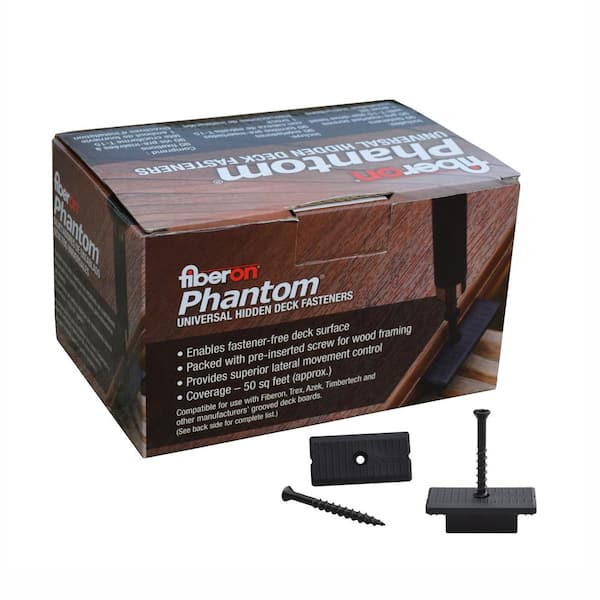
TimberTech offers a range of hidden fasteners designed for composite decking. Their systems provide strong board attachment without visible screws. These fasteners fit tightly between deck boards, preventing movement and noise. TimberTech fasteners are corrosion-resistant, which extends deck life. Installation is straightforward, saving time and effort for builders.
Trex Fastener Systems
Trex fasteners are made specifically for Trex decking products. They use stainless steel clips that lock boards in place securely. The clips keep screws hidden, maintaining a smooth surface. Trex fasteners resist rust and fading, ideal for outdoor use. Their design allows for natural board expansion and contraction, reducing damage.
Other Recommended Options
Several other brands also provide quality hidden fasteners. Armadillo Deck and Mataverde offer durable clips for various decking types. These fasteners focus on easy installation and strong grip. Some come with stainless steel screws to resist corrosion. Checking product compatibility with your deck material is important for best results.
Cost Considerations
Considering cost is crucial before choosing hidden deck fasteners. These fasteners can affect your budget in several ways. Understanding costs helps plan the project better and avoid surprises. Below are the main cost factors to keep in mind.
Material Costs
Hidden deck fasteners come in various materials like stainless steel and plastic. Stainless steel fasteners cost more but resist rust and last longer. Plastic or nylon options are cheaper but may wear out faster. The decking material you use also affects fastener choice and price.
Labor Expenses
Installing hidden fasteners can take more time than traditional screws. Workers must place clips precisely to keep boards aligned. This careful work increases labor hours and costs. Some fastener systems are easier to install, which can lower labor expenses.
Long-term Value
Hidden fasteners protect deck boards from damage and improve appearance. They reduce maintenance needs because screws are not exposed. This saves money on repairs and replacements over time. A well-installed deck with hidden fasteners can add lasting value to your home.
Frequently Asked Questions
When Not To Use Hidden Deck Fasteners?
Avoid hidden deck fasteners on softwoods prone to splitting or when using very thin or narrow deck boards. They also don’t suit uneven joists or curved designs. Choose visible fasteners for easier repairs and when maximum board ventilation is needed.
How Do Hidden Fasteners Work?
Hidden fasteners attach deck boards from the sides or underneath, securing them to joists without visible screws on top. They create a clean, smooth deck surface.
How To Install Deck Boards With Hidden Fasteners?
Align deck boards with joists. Attach hidden fastener clips to joists. Slide boards into clips until secure. Tighten screws to hold clips firmly. Check each board for stability before proceeding.
How Long Do Trex Hidden Fasteners Last?
Trex hidden fasteners typically last 25 years or more, matching the durability of Trex decking boards. They resist corrosion and provide long-lasting, secure deck installation. Regular maintenance helps maximize their lifespan.
Conclusion
Hidden deck fasteners keep boards securely in place without visible screws. They fit between deck boards and attach to the joists below. This design creates a clean, smooth surface that looks better and feels safer. Installation is straightforward, but choosing the right fastener matters for durability.
These fasteners help prevent wood splitting and improve deck lifespan. They work well with composite and wood decking materials. Understanding how hidden fasteners work helps you build a stronger, more attractive deck. A simple choice for a neat, lasting outdoor space.