Have you ever wondered what kind of fastener has a head shaped like a bugle? If you’re working on a project involving drywall or wood, knowing the right fastener can make all the difference.
The answer might surprise you—it’s called a drywall screw, designed with a unique bugle-shaped head that helps it sit perfectly flush without damaging delicate surfaces. You’ll discover why this simple design matters, how it protects your materials, and where else you can use these screws to get a clean, professional finish every time.
Keep reading to make sure your next project is as smooth and sturdy as possible.

Credit: us.amazon.com
Drywall Screw Basics
Understanding the basics of drywall screws is essential if you’re working on any project involving drywall installation or repair. These screws are specifically designed to secure drywall panels firmly to studs without damaging the material. Knowing what makes drywall screws unique can help you choose the right fastener and achieve a clean, professional finish.
Design And Shape
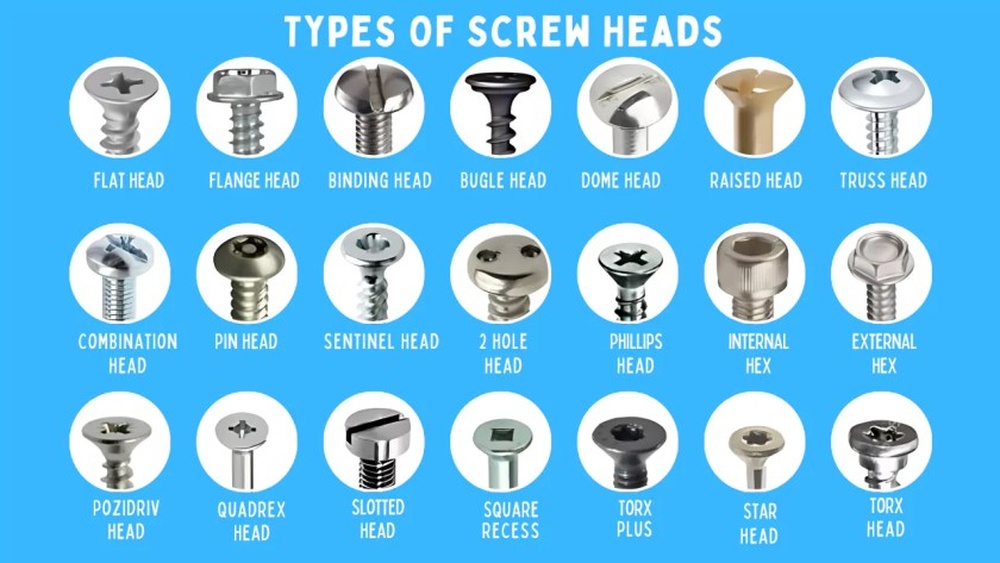
Drywall screws feature a distinctive bugle-shaped head that is gently curved, unlike flat or pan heads on other screws. This shape allows the screw to sit flush with the drywall surface, which means you won’t have to worry about damaging the paper face of the drywall. The bugle head also helps spread the pressure evenly around the screw hole, reducing the chance of tearing or cracking.
Have you ever noticed how a regular screw can leave dents or tears in drywall? That’s exactly why the bugle-shaped head was designed—to prevent those common problems. It’s a simple but smart solution to keep your walls looking smooth and intact.
Material And Coating
Most drywall screws are made from hardened steel, providing the strength needed to hold drywall securely in place. However, since drywall projects often involve moisture, these screws usually come with a protective coating. Common coatings include black phosphate and zinc, which help resist rust and corrosion.
Choosing the right coating matters because a rusty screw can weaken the hold and cause issues down the line. If you’re working in damp areas like basements or bathrooms, opting for corrosion-resistant drywall screws is a practical choice. This small detail can save you from costly repairs later on.

Credit: mm.made-in-china.com
Functions Of Bugle-shaped Heads
The bugle-shaped head on certain fasteners serves important roles in construction and woodworking. Its unique design helps improve the fastener’s effectiveness and protects the materials being joined. Understanding these functions reveals why this head shape is popular, especially in drywall screws.
Flush Surface Seating
The bugle shape allows the fastener to sit flush with surfaces. It fits smoothly into soft materials like drywall and wood. This prevents the fastener from sticking out and causing bumps. A flush surface creates a neat and even finish.
Pressure Distribution
The curved head spreads pressure evenly around the fastener. This reduces stress on the material’s surface. Even pressure helps hold materials firmly without warping or cracking. It also improves the fastener’s grip and stability.
Preventing Material Damage
The bugle head protects delicate surfaces from damage. It stops the fastener from tearing or breaking the paper face of drywall. The smooth curve reduces the chance of cracks or holes forming. This keeps surfaces intact and strong.
Common Applications
The fastener with a bugle-shaped head is widely used in construction and woodworking. Its unique head design helps the screw sit flush with the material surface. This feature prevents damage and offers a smooth finish. Below are some common uses of this fastener.
Drywall Installation
Bugle head screws are perfect for drywall installation. The curved head fits snugly into drywall paper without tearing it. These screws hold drywall sheets firmly to wooden or metal studs. Their design helps spread pressure evenly to avoid surface damage. This makes drywall installation cleaner and more durable.
Wood Fastening
These screws work well for fastening wood pieces together. The bugle-shaped head allows the screw to sit flush with wood surfaces. This prevents splintering or cracking around the screw hole. They provide strong holding power and a neat finish. Woodworkers often choose them for furniture and cabinetry.
Deck Construction
Deck builders use bugle head screws to attach decking boards. The smooth, countersunk head keeps the surface flat and safe to walk on. These screws resist loosening from outdoor conditions like weather and use. They help maintain deck strength and appearance over time. Bugle head screws make deck assembly easier and cleaner.
Comparison With Other Fasteners
Understanding how a fastener with a bugle-shaped head compares to other fasteners helps in choosing the right one. Different screw heads serve specific purposes and work best in certain materials. This section explains how bugle head screws differ from flat head, pan head, and self-tapping screws.
Flat Head Screws
Flat head screws have a flat top and a conical shape underneath. They sit flush with the surface when fully driven in. Unlike bugle head screws, flat heads usually have sharper angles. This makes flat heads better for hard materials like metal. Bugle heads offer a smoother, curved profile, reducing damage to soft surfaces like drywall.
Pan Head Screws
Pan head screws have a rounded, slightly domed top with a flat bearing surface below. They do not sit flush like bugle head screws. Pan heads are easier to grip with tools and work well for surface fastening. Bugle head screws provide a cleaner finish because their shape blends better with soft materials. Pan heads may leave a raised bump on the surface.
Self-tapping Screws
Self-tapping screws create their own threads as they are driven in. Many bugle head screws are self-tapping, especially drywall screws. Self-tapping screws come with various head shapes, including bugle, flat, and pan. The bugle head shape helps self-tapping screws prevent tearing soft materials. Other head styles may not protect the surface as well during installation.
Choosing The Right Screw
Choosing the right screw is essential for a strong and lasting hold. The bugle-shaped head screw, often used in drywall, fits flush with surfaces without damage. Picking the correct screw depends on several key factors. These details help ensure your project stays secure and neat.
Material Compatibility
Match the screw material to the material you are fastening. Steel screws work well with wood and drywall. Stainless steel resists rust, ideal for outdoor use. Avoid screws that can corrode or weaken the material. Proper compatibility prevents damage and extends the life of your work.
Screw Size And Length
Choose the right size to hold materials firmly. A screw too short will not secure the pieces well. Too long can cause splitting or go through the material. Measure the thickness of the layers you join. Add extra length for a strong grip in the base material.
Thread Type
Thread style affects how the screw bites into the material. Coarse threads grip softer materials like drywall or wood better. Fine threads suit metal or harder materials for a tight hold. Select the thread type based on the surface and strength needed. Correct threads make installation easier and stronger.
Installation Tips
Installing a fastener with a bugle-shaped head requires careful attention to detail. Proper installation ensures a secure hold and a smooth finish. Follow these tips to get the best results.
Proper Drilling Techniques
Use the right drill bit size before inserting the screw. Pre-drilling helps prevent material splitting. Drill straight and steady to keep the hole clean. Avoid wobbling the drill to maintain alignment.
Avoiding Overdriving
Stop driving the screw as soon as it sits flush with the surface. Overdriving can damage the material or strip the screw head. Use a screwdriver with adjustable torque to control pressure. This preserves the bugle shape and ensures a neat finish.
Surface Preparation
Clean the surface of dust and debris before installation. A smooth, dry surface helps the screw hold better. Check for any damage or uneven areas to avoid weak spots. Proper preparation improves the strength and appearance of the joint.
Maintenance And Removal
Proper maintenance and removal of screws with bugle-shaped heads extend their life and ensure effective use. These screws are common in drywall installation and other light construction tasks. Handling them with care prevents damage and saves time during future repairs or adjustments.
Handling Stripped Heads
Stripped heads make screw removal difficult. Use a rubber band between the screwdriver and the head for better grip. Try a screwdriver with a larger or different tip size. Extractors designed for stripped screws also work well. Avoid using excessive force to prevent further damage.
Rust Prevention
Rust weakens screws and reduces their holding power. Store screws in a dry place to avoid moisture exposure. Apply a thin layer of oil to protect against corrosion. Use rust-resistant screws for outdoor or humid environments. Regularly inspect screws and replace any that show rust signs.
Reusing Screws
Reusing screws saves money and resources. Check screws for bends, stripped heads, or rust before reuse. Clean screws to remove dirt and debris. Avoid reusing screws in critical structural areas. Use screws only if they maintain their original shape and thread strength.

Credit: www.amazon.com
Frequently Asked Questions
Which Of The Following Fasteners Has A Bugle-shaped Head?
A drywall screw features a bugle-shaped head. Its curved, countersunk design sits flush and prevents material damage during fastening.
What Type Of Fastener Is Suitable For Use In Wallboard Nccer?
A drywall screw with a bugle-shaped head is suitable for use in wallboard NCCer. It secures panels without damaging the surface.
What Is A Metric Fastener Designation Of M6?
The metric fastener designation M6 indicates a screw with a 6-millimeter nominal outer diameter. It defines size, not length.
When Using An Epoxy Anchoring System?
Drill the hole to the correct size and clean it thoroughly. Fill the hole three-quarters with mixed epoxy. Insert the anchor while spinning to avoid air pockets. Ensure the hole stays dry throughout the process.
Conclusion
A bugle-shaped head fastener is most often a drywall screw. This design helps the screw sit flush with soft surfaces like drywall. It spreads pressure evenly to avoid damage to the material. These screws work well for wood and metal framing too.
Using the right fastener ensures a smooth, strong finish in construction projects. Choosing bugle head screws can make your work cleaner and more durable.