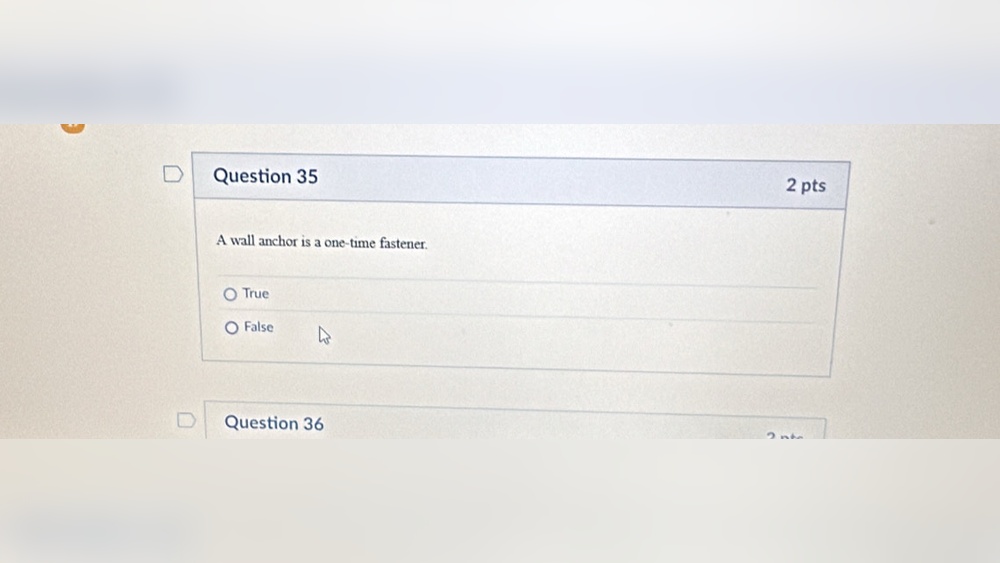
When you hang something on your wall—whether it’s a shelf, a picture frame, or a heavy mirror—you want to be sure it stays put. That’s where a wall anchor comes in.
But did you know that a wall anchor is usually a one-time fastener? Once it’s installed, removing and reusing it isn’t a good idea. Using it again can weaken its grip and put your items at risk of falling. You’ll discover why wall anchors are designed this way, how they work, and what that means for your home projects.
Keep reading to make sure your walls stay strong and your belongings stay safe.
Credit: plierpincer.com
Wall Anchor Basics
Wall anchors are simple devices that help secure objects to walls. They provide extra support when screws alone cannot hold firmly. Anchors spread the load across a larger area inside the wall. This prevents damage and keeps items stable. Understanding the basics of wall anchors helps choose the right one for each job.
Many wall anchors are one-time fasteners. Once installed and loaded, removing them can reduce their strength. Reusing the same anchor may cause it to fail. This makes it important to pick the right anchor the first time.
Types Of Wall Anchors
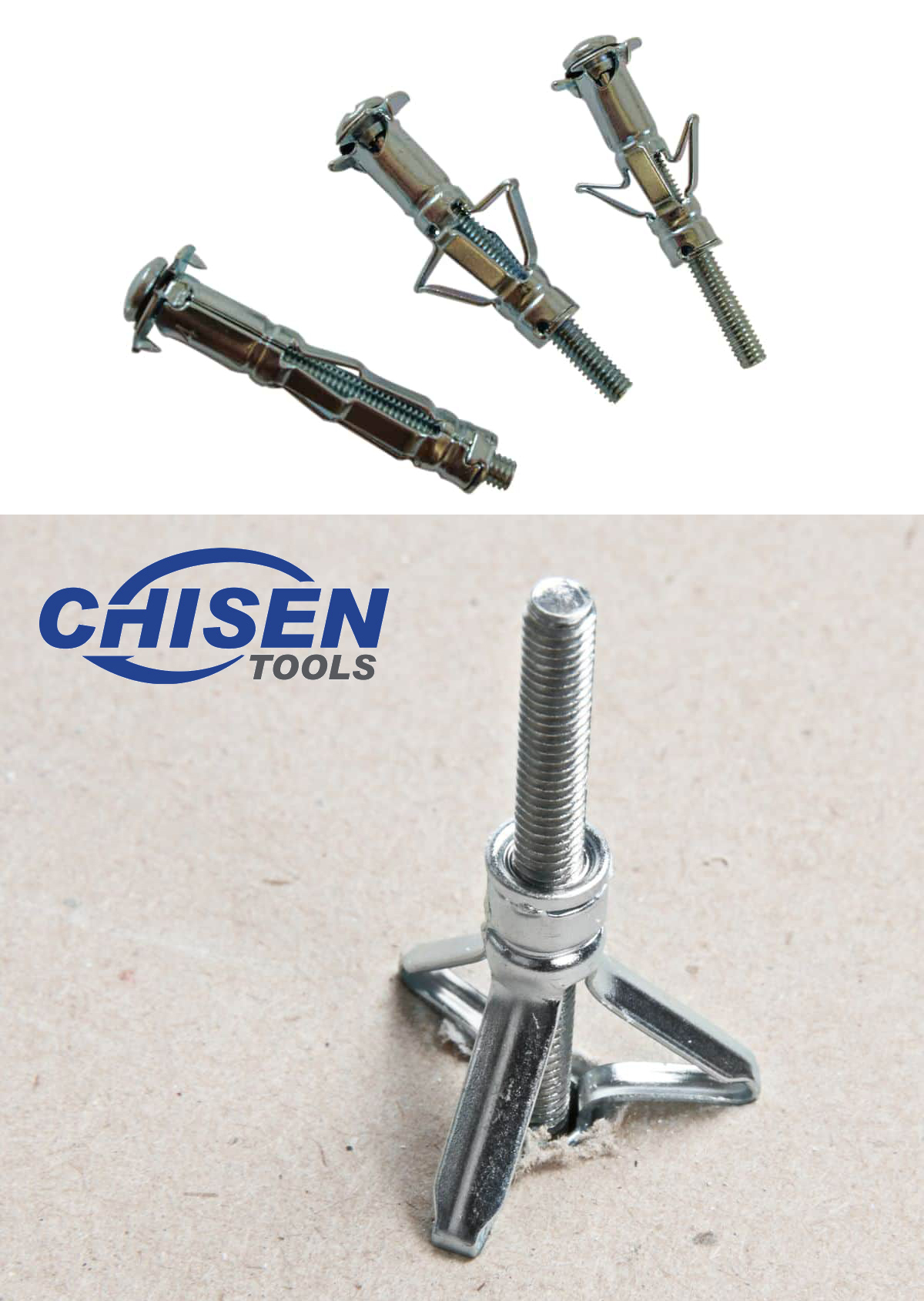
There are several types of wall anchors. Plastic expansion anchors are common for light loads. They expand inside the wall as the screw is tightened. Toggle bolts have wings that open behind the wall for strong support. Molly bolts are metal anchors that expand as screws are driven in. Each type fits different wall materials and weight needs.
Materials Used
Wall anchors come in various materials. Plastic anchors are lightweight and easy to use. Metal anchors offer higher strength and durability. Nylon anchors resist moisture and chemicals well. The choice of material affects the anchor’s holding power and lifespan.
Common Applications
Wall anchors are used in many places. They help hang shelves, mirrors, and pictures securely. Anchors support curtain rods and towel racks in bathrooms. Electrical fixtures and light fittings often rely on anchors. They are useful in drywall, plaster, and masonry walls.

Credit: www.amazon.com
One-time Use Explained
Wall anchors are essential for securing objects to walls that cannot hold weight on their own. The term “one-time use” means wall anchors are designed for a single installation. Once set, removing and reusing them reduces their strength and reliability. Understanding why they are one-time fasteners helps ensure safety and proper use.
Why Wall Anchors Are Single Use
Wall anchors expand or grip inside the wall when installed. This expansion creates a strong hold. Removing the anchor damages its shape and grip. The wall material around the anchor also weakens after removal. These factors make reusing wall anchors unsafe and ineffective.
Impact Of Reuse On Safety
Reusing wall anchors can cause them to fail under load. A weakened anchor may slip or pull out of the wall. This failure risks damage to the wall and injury to people. Safety is the top priority, so using new anchors for each installation is best practice.
Comparison With Other Fasteners
Screws and nails can often be reused if undamaged. Wall anchors differ because they deform inside the wall. Unlike hooks or brackets, anchors rely on tight expansion. This expansion cannot be restored after removal. Hence, wall anchors are unique as one-time fasteners.
Installation Tips
Installing a wall anchor correctly ensures a strong and lasting hold. Proper installation helps the anchor support the intended weight safely. Follow these simple tips to get the best results with your wall anchors.
Choosing The Right Anchor
Select an anchor that matches the wall type and weight of the item. Drywall, plaster, and concrete walls need different anchors. Check the packaging for weight limits and wall compatibility. Using the wrong anchor can cause damage or failure.
Proper Drilling Techniques
Use the correct drill bit size for the anchor. Drill straight and steady to avoid enlarging the hole. Clean out dust and debris from the hole before inserting the anchor. This helps the anchor grip tightly and prevents slipping.
Avoiding Common Mistakes
Do not reuse old anchors; they lose strength after one use. Avoid over-tightening screws as this can crack the wall or the anchor. Make sure the anchor is fully flush with the wall surface. Loose or poorly seated anchors reduce holding power.
Benefits Of Using Wall Anchors
Wall anchors offer many advantages for securing objects safely to walls. They improve the strength of the hold and protect the wall from damage. Using wall anchors provides a reliable solution for mounting items without worry. Their benefits make them a popular choice for various tasks around the home or office.
Enhanced Load Support
Wall anchors provide stronger support than screws alone. They spread the weight over a larger area inside the wall. This reduces the risk of screws pulling out under heavy loads. Anchors hold objects firmly in place, even on weak or hollow walls. This makes them ideal for hanging shelves, mirrors, or cabinets.
Wall Protection
Anchors help prevent cracks and holes in the wall. They reduce stress on drywall or plaster by distributing force evenly. This stops the wall from crumbling around the screw. Using anchors keeps walls looking neat and intact after installation. It also reduces the need for frequent repairs.
Versatility Across Surfaces
Wall anchors work on many different wall types. They can be used in drywall, plaster, brick, and concrete. This versatility makes them useful for many projects. Anchors adapt to the wall material to provide a secure grip. They offer a simple way to mount objects safely on almost any surface.
Self-drilling Anchors
Self-drilling anchors are a popular choice for securing items to walls without pre-drilling holes. They combine the drilling and anchoring steps into one easy action. These anchors save time and effort during installation. Ideal for drywall and light materials, they create a strong hold with minimal tools.
How They Work
Self-drilling anchors have sharp, threaded tips that cut into the wall. As you turn the anchor, it drills itself into the drywall or plaster. The threads grip the wall tightly, holding the anchor in place. Once installed, screws can be driven into the anchor for a secure hold. This design removes the need for a separate drill step.
Advantages Over Traditional Anchors
Self-drilling anchors install faster than traditional anchors. No need for a drill or pilot hole. They reduce wall damage by creating a clean entry point. These anchors offer better grip in drywall and soft materials. They work well for light to medium loads. The installation is simple, even for beginners.
Best Use Cases
Use self-drilling anchors for hanging pictures, shelves, or light fixtures. They work well in drywall, plaster, and hollow walls. Ideal for small home projects and repairs. Avoid using them in very heavy load applications. Best for locations where quick and easy installation is needed. Perfect for renters or those who want to avoid wall damage.
Safety Considerations
Safety is the top priority when using wall anchors. These fasteners support heavy objects and keep them secure. Ignoring safety can cause damage or injury. Understanding load limits, signs of failure, and replacement timing helps maintain safety.
Load Limits And Testing
Each wall anchor has a maximum load limit. Exceeding this limit risks anchor failure. Always check the manufacturer’s load rating before installation. Testing anchors with the intended load ensures they hold securely. Proper testing prevents accidents and damage.
Signs Of Anchor Failure
Look for cracks, movement, or loosening around the anchor. Rust or corrosion weakens metal anchors. Wall damage or holes near anchors show stress. Any unusual movement means the anchor may fail soon. Early detection helps avoid accidents.
When To Replace Anchors
Replace anchors after heavy loads or impact. If an anchor shows damage or corrosion, change it immediately. Avoid reusing anchors removed from walls. New anchors ensure maximum strength and safety. Regular inspection keeps your walls secure.

Credit: simpleweld.com
Frequently Asked Questions
Is A Wall Anchor A One Time Fastener?
A wall anchor is usually a one-time fastener. Removing it often damages its grip, reducing effectiveness and safety for reuse.
What Is A Wall Fastener?
A wall fastener, also called a wall anchor, secures screws in weak or brittle wall materials. It supports heavy loads safely.
What Type Of Fastener Uses The Anchor Itself As A Drill Bit?
A self-drilling anchor uses its tip as a drill bit to cut and embed directly into the base material.
Which Of The Following Is A Type Of Fastener?
A wall anchor is a type of fastener designed to secure screws in weak or hollow walls. It often serves as a one-time fastener.
Conclusion
Wall anchors secure items firmly and safely on walls. They work best when used once. Removing and reusing them can weaken their hold. For strong and lasting support, use a new anchor each time. This simple step ensures safety and reliability.
Always choose the right anchor for your wall type. Proper use prevents damage and keeps objects stable. Remember, a wall anchor is a one-time fastener designed for single use. This knowledge helps you hang items with confidence and care.