Are you curious about what pin fasteners are and why they matter in keeping things together? Whether you’re dealing with machinery, vehicles, or everyday equipment, pin fasteners play a crucial role in holding parts securely and making sure everything works smoothly.
These simple yet powerful components come in different types, each designed to fit specific needs—from quick assembly to precise alignment. If you want to understand how pin fasteners can improve your projects or maintenance tasks, keep reading. This guide breaks down everything you need to know in clear, easy steps, helping you make smarter choices the next time you work with fasteners.
Credit: www.huyett.com
Pin Fasteners Basics
Pin fasteners are simple but essential tools in many industries. They hold parts together securely and help keep everything aligned. These fasteners come in many shapes and sizes. Each type has a specific job to do.
Understanding the basics of pin fasteners helps in choosing the right one for a task. This section explains what pin fasteners are and the materials used to make them.
What Are Pin Fasteners
Pin fasteners are small, cylindrical pieces of metal or plastic. They fit into holes on parts to join them firmly. Unlike screws, pins usually do not have threads. They keep parts aligned and stop them from moving apart.
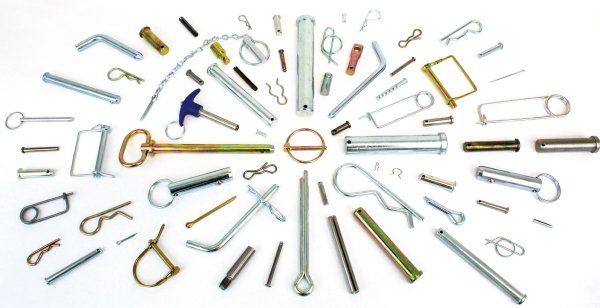
There are many types of pin fasteners. Some common ones include spring pins, dowel pins, clevis pins, and quick-release pins. Each type serves a unique purpose. For example, clevis pins often work with cotter pins to lock parts in place. Quick-release pins allow for fast assembly and removal.
Common Materials Used
Pin fasteners must be strong and durable. Steel is the most common material. It offers high strength and resists wear well. Stainless steel is also popular because it does not rust easily. This makes it good for outdoor or wet environments.
Other materials include brass, aluminum, and plastic. Brass pins resist corrosion and conduct electricity. Aluminum pins are lightweight and resist corrosion but are less strong. Plastic pins are used in applications where metal might cause damage or interfere with signals.
Choosing the right material depends on the environment and the forces the pin must handle.
Types Of Pin Fasteners
Pin fasteners come in various types to serve different needs in machinery and construction. Each type offers unique features for holding parts together securely. Understanding these types helps in choosing the right pin for your project.
Spring Pins
Spring pins are hollow and made from flexible steel. They compress when inserted, creating a tight hold. These pins absorb shock and vibration well. They suit applications needing a secure yet flexible fastener.
Dowel Pins
Dowel pins provide precise alignment of components. They are solid, cylindrical pins. Installation often requires pressure or tools. These pins ensure accurate positioning in assemblies.
Clevis Pins
Clevis pins have a flat head on one end. The other end has a hole for a cotter pin. This design keeps parts from sliding off. They are common in mechanical linkages and hinges.
Quick-release Pins
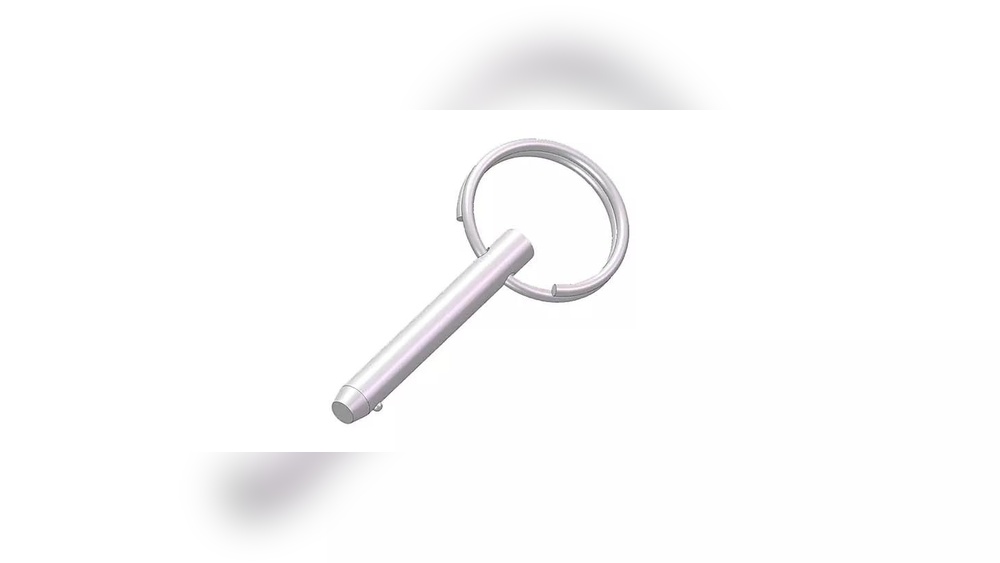
Quick-release pins include a handle and locking balls. They allow fast assembly and removal without tools. Their locking mechanism prevents accidental release. Useful for parts needing frequent changes.
Cotter Pins
Cotter pins are split metal pieces. After insertion, their ends bend to lock components. They secure clevis pins and other fasteners. These pins prevent loosening under vibration.
Lynch Pins
Lynch pins have a ring-shaped handle. They lock by snapping the ring over the shaft. These pins prevent parts from falling off. Commonly used in tractors and trailers.
How Pin Fasteners Work
Pin fasteners hold parts together by fitting into matching holes. Their simple design allows easy assembly and strong connections. Pins work through physical blocking, pressure fitting, and resisting forces. These principles keep components aligned and secure in many machines.
Preventing Component Separation
Pins stop parts from moving apart by filling the gap between them. The pin fits tightly in holes on each part. This physical barrier prevents the parts from sliding or pulling away.
Some pins have heads or locks that hold them in place. This ensures the pin stays secure, even under vibration or movement.
Creating Pressure Fit
Certain pins are slightly larger than the hole they enter. This forces the material to stretch or compress around the pin. The tight fit creates pressure that holds parts firmly together.
Spring pins use this idea with their flexible metal coil. When inserted, they push outward to create strong contact inside the hole. This pressure fit improves stability without extra fasteners.
Resisting Shear Forces
Shear forces try to slide parts sideways past each other. Pins resist these forces by bearing the load along their length. The pin acts like a solid rod, blocking sideways movement.
Stronger materials and proper pin diameter increase shear resistance. This ensures the pin holds firm, even under heavy stress or impact.

Credit: www.hlc-metalparts.com
Applications Of Pin Fasteners
Pin fasteners serve many roles across different industries. Their simple design makes them perfect for various tasks that need secure and reliable connections. These fasteners hold parts together, align components, and allow for easy removal or replacement. Their versatility suits both heavy machinery and light structural use.
Machinery Assembly
Pin fasteners join moving parts in machines. They provide strong, stable connections that resist vibration. Pins help keep gears, shafts, and levers in place. Their use reduces wear and damage in machinery. They allow for easy maintenance by enabling quick part swaps.
Structural Alignment
Pins align structural components precisely. They ensure that parts fit together correctly during construction. This reduces errors and improves safety. Pins hold beams, panels, and frames in the right position. Proper alignment makes structures stronger and more durable.
Quick Assembly And Disassembly
Some pins allow fast assembly without tools. Quick-release pins save time during installation or repair. They lock securely but can be removed easily. This feature is ideal for temporary setups or frequent adjustments. It also lowers downtime in industrial environments.
Choosing The Right Pin Fastener
Choosing the right pin fastener is crucial for a secure and efficient connection. Picking the correct type depends on the function and environment. The wrong choice can lead to failure or damage. This section helps you make the best decision by considering key factors.
Matching Pin Type To Application
Select a pin fastener that fits the job’s needs. Use spring pins for flexible, shock-absorbing connections. Dowel pins suit precise alignment tasks. Clevis pins work well where a cotter pin will lock the assembly. Quick-release pins allow easy removal without tools. Each type serves a specific purpose. Match the pin to the mechanical demands and ease of use required.
Material Considerations
Choose pin materials based on strength and environment. Stainless steel resists rust in wet conditions. Carbon steel offers high strength for heavy loads. Brass and aluminum suit light-duty or decorative uses. Consider corrosion, temperature, and load when selecting materials. The right metal ensures durability and safety over time.
Installation And Removal Tools
Pin fasteners need suitable tools for fitting and removal. Some pins require simple hand pressure. Others need hammers or presses for installation. Quick-release pins have built-in mechanisms for easy handling. Using the correct tools prevents damage to the pin and parts. Plan for tool access to maintain and replace pins efficiently.
Maintenance And Safety Tips
Proper maintenance and safety practices extend the life of pin fasteners and ensure secure connections. Regular care reduces the risk of failure and accidents. Follow these tips to keep pin fasteners in good condition and working safely.
Inspection Guidelines
Check pin fasteners regularly for signs of wear or damage. Look for cracks, bends, rust, or corrosion on the pin surface. Ensure the pin fits tightly in its hole without excessive play. Inspect locking mechanisms like cotter pins or quick-release handles for proper function. Replace any pin that shows signs of weakening or damage.
Proper Handling
Handle pins with clean hands or gloves to avoid dirt buildup. Insert pins straight into holes to prevent bending or damage. Use the right tools for installation and removal to avoid deforming the pin. Avoid forcing pins into holes that are too small. Store pins in a dry place to prevent rust and corrosion.
Replacement Indicators
Replace pins if they show visible wear, such as thinning or elongation. Bent or twisted pins must be discarded immediately. Pins that no longer lock securely pose safety risks and need replacement. Frequent loosening or slipping suggests the pin no longer fits properly. Replace pins after heavy use or impact to maintain safety.

Credit: apexfasteners.com
Frequently Asked Questions
What Are Fasteners Pins?
Fastener pins are unthreaded cylindrical rods that align and secure machine parts. Types include dowel, spring, clevis, and quick-release pins. They fit into pre-made holes and resist shear forces, enabling easy assembly and disassembly in various applications.
What Do Pin Fasteners Look Like?
Pin fasteners are cylindrical, unthreaded metal pins inserted into holes to connect and align parts securely. They come in types like spring, dowel, clevis, quick-release, and cotter pins. Each type offers unique features for strong holding, precise alignment, or easy assembly and removal.
What Is A Pin Type Fastener Used For?
Pin type fasteners connect and align machine parts by fitting into holes. They hold components securely and allow quick assembly or disassembly.
What Tools Are Used For Pin Fasteners?
Common tools for pin fasteners include pliers, pin punches, hammers, and retaining ring pliers. These tools help insert, align, and secure various pins efficiently.
Conclusion
Pins fasteners play a vital role in holding parts together securely. They come in various types, each serving a specific purpose. Easy to install and remove, these fasteners help machines and structures work smoothly. Their simple design offers strong support without complex tools.
Understanding pins fasteners can improve your knowledge of mechanical connections. Use the right pin fastener to ensure safety and efficiency in your projects.