Have you ever wondered how your clothes stay perfectly in place or how you manage to put them on and take them off with ease? The secret lies in something called fastening.
Fastening in clothing is all about the small devices or methods that join two pieces of fabric together. Whether it’s a button, zipper, snap, or hook, these tiny heroes play a huge role in your daily comfort and style. Understanding what fastening is and how it works can help you appreciate your wardrobe even more—and maybe even inspire you to try your hand at sewing or customizing your own clothes.
Ready to discover the many types of fastenings and how they keep your outfits functional and fashionable? Let’s dive in!

Credit: blog.treasurie.com
Fastening Basics
Fastening is a key part of clothing design. It helps hold pieces of fabric together. This allows clothes to fit well and be easy to wear. Fastenings come in many forms and serve different needs. Understanding the basics helps you choose the right one for any garment.
Fastening is not just about holding fabric. It also adds style and function. Some fastenings are simple, like buttons, while others are more complex, like zippers. Each type has a special role in making clothes practical and comfortable.
Purpose Of Fastening
The main purpose of fastening is to join two pieces of fabric. It makes clothes easy to put on and take off. Fastenings also help adjust fit and shape. They keep clothing secure and neat during wear. Without fastenings, clothes would be hard to wear properly.
Temporary Vs Semi-permanent Joints
Temporary joints allow fastenings to open and close easily. Examples include buttons, snaps, and zippers. They let you wear and remove clothing without damage. Semi-permanent joints hold fabric more firmly. They may cause slight damage if removed. Rivets and some sewn hooks fall in this group. Choosing the right joint depends on garment use and durability needed.
Common Materials Used
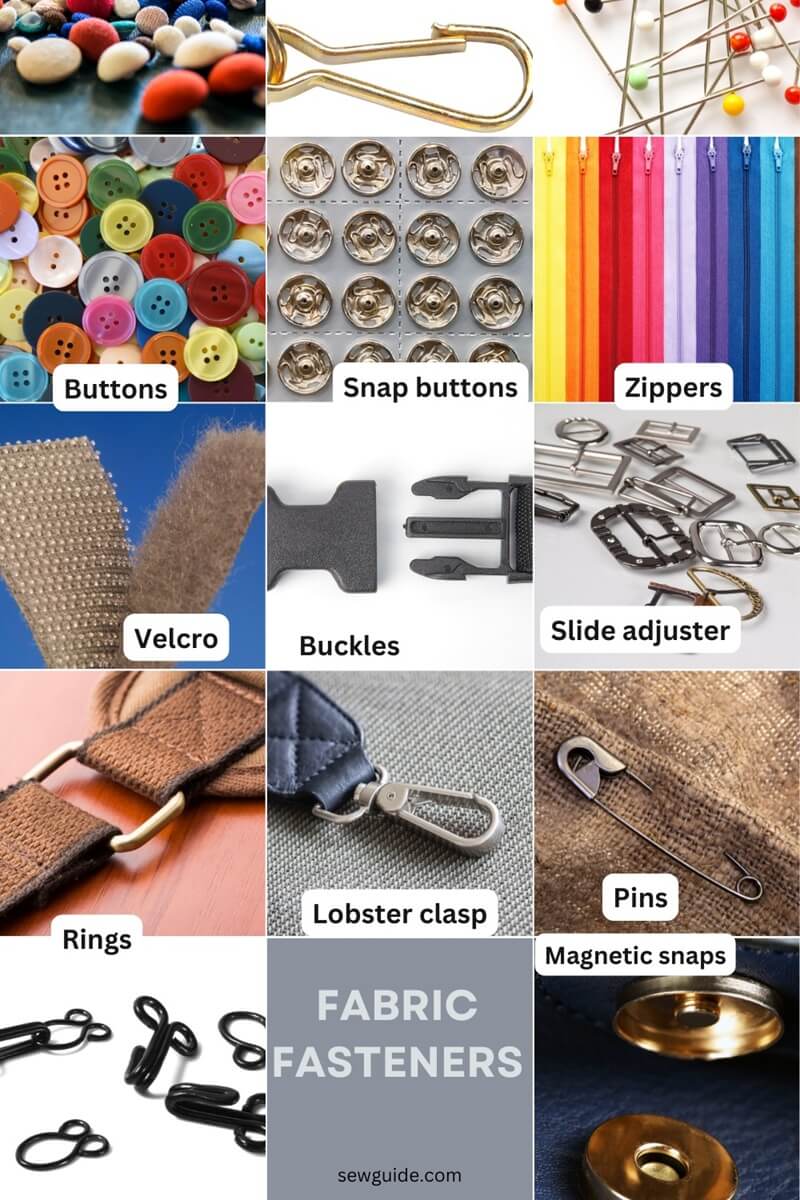
Fastenings use various materials for strength and style. Metal is popular for durability and classic looks. Plastic offers lightweight and colorful options. Fabric-based fastenings like Velcro provide quick closure. Sometimes, a mix of materials improves function and appearance. The choice of material affects comfort and garment longevity.
Credit: sewguide.com
Popular Fastening Types
Fastenings are essential in clothing for joining fabric pieces securely. They allow easy dressing and undressing. Various types exist, each with unique features and uses. Understanding popular fastening types helps in choosing the right one for garments.
Buttons And Buttonholes
Buttons are small, round fasteners sewn onto fabric. Buttonholes are slits made to fit buttons. They create a strong, reusable closure. Buttons come in many shapes, sizes, and materials. They add style and function to shirts, coats, and pants.
Zippers And Their Variations
Zippers consist of two strips with interlocking teeth. A slider moves up and down to open or close. Variations include invisible zippers, separating zippers, and waterproof zippers. They offer quick fastening, ideal for jackets and dresses.
Snaps And Press Studs
Snaps are small metal or plastic fasteners that click together. Press studs are a type of snap with two parts that press firmly. Both provide a fast, secure closure. Common in baby clothes, bags, and sportswear.
Hooks And Eyes
Hooks and eyes are simple metal fasteners. The hook catches onto the eye to close. They are discreet and strong, used in bras, dresses, and skirts. Ideal for tight or hidden fastening needs.
Velcro And Hook-and-loop
Velcro has two fabric strips: one with hooks, one with loops. Pressing them together creates a strong bond. Easy to open and close, perfect for shoes, jackets, and children’s wear. Offers convenience and adjustability.
Specialty Fasteners
Specialty fasteners add unique style and function to clothing. These fasteners often combine practical use with decorative appeal. They can enhance both the look and the ease of wearing garments. Specialty fasteners come in many forms, each offering distinct benefits. Understanding these helps in choosing the right fastening for your clothing project.
Buckles And Clasps
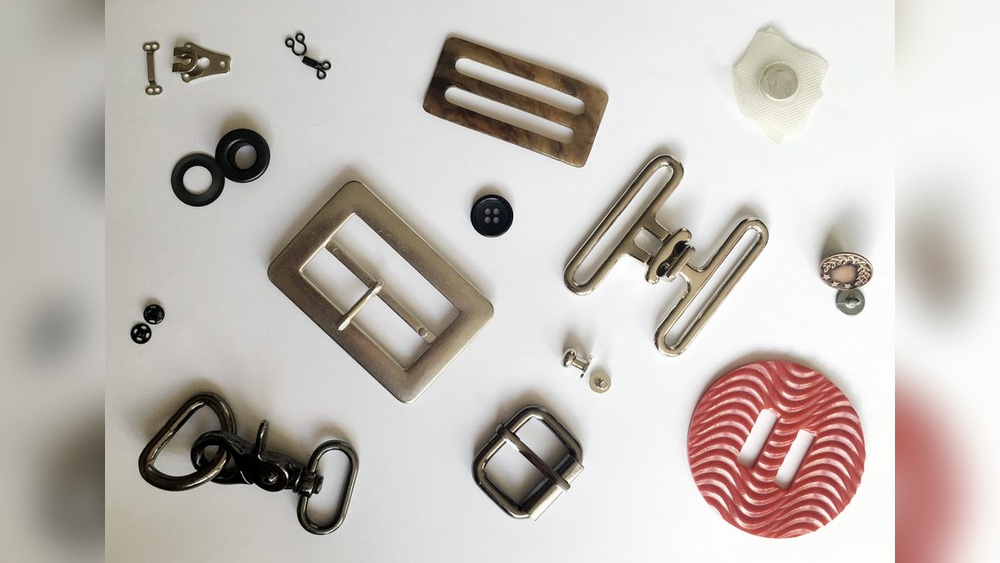
Buckles and clasps secure fabric with a firm hold. Buckles often appear on belts, shoes, and bags. They allow adjustable fastening for comfort and fit. Clasps, smaller and more delicate, are common on jewelry or formal wear. Both add a stylish touch while keeping clothes secure.
Eyelets And Lacing
Eyelets are small holes reinforced with metal or stitching. They create strong points for lacing or threading. Lacing is common in corsets, shoes, and some jackets. It allows adjustable tightness and a custom fit. Eyelets and lacing blend function with a classic or edgy look.
Magnetic Closures
Magnetic closures use magnets to fasten garments quickly. They offer easy opening and closing without buttons or snaps. These fasteners work well for people with limited hand strength. Magnetic closures provide a clean, modern look on jackets, bags, and accessories.
Decorative Fasteners
Decorative fasteners focus on enhancing garment appearance. They include ornate buttons, jeweled clasps, and embroidered hooks. These fasteners may also secure the fabric but highlight style. They add personality and detail to clothing, making pieces stand out.
Choosing Fasteners For Clothing
Choosing the right fasteners for clothing involves more than just picking a button or zipper. Each fastener impacts the garment’s look, feel, and function. Selecting fasteners carefully ensures the clothing is comfortable, durable, and stylish. Consider the fabric, how the garment will be used, and the design style. These factors guide the choice of fasteners to match the clothing perfectly.
Fabric Compatibility
Fasteners must suit the fabric’s weight and texture. Heavy fabrics need strong fasteners like metal buttons or sturdy zippers. Light fabrics work best with small snaps or delicate hooks. Thick fabrics can damage delicate fasteners, causing wear or breakage. Testing fasteners on fabric samples helps avoid problems. Matching fastener type to fabric keeps garments functional and long-lasting.
Functionality And Wearability
Fasteners should make the clothing easy to wear and remove. Zippers offer quick closure for jackets and pants. Buttons allow adjustable openings on shirts and coats. Snaps give convenience for children’s wear and sportswear. Fasteners must endure frequent use without failing. Comfort matters too; bulky fasteners can irritate skin or limit movement. Choose fasteners that balance durability and wearer comfort.
Aesthetic Considerations
Fasteners add style to garments and can be a design feature. Shiny metal buttons create a classic, elegant look. Colorful plastic snaps add fun and youthfulness. Invisible zippers keep the garment sleek and smooth. The size and shape of fasteners affect the garment’s visual appeal. Coordinating fasteners with fabric color and style enhances the overall design. Fasteners should complement, not clash with, the clothing’s look.
Fastening Techniques
Fastening techniques play a crucial role in clothing design and functionality. They join two pieces of fabric securely and allow wearers to put on or remove garments easily. Different methods suit various types of fabrics, styles, and uses. Understanding these techniques helps in choosing the right fastener for each clothing item.
Sewing Fasteners
Sewing fasteners attach fabric edges using thread and needle. Buttons are a common example. They are sewn onto one side and slip through buttonholes on the other. Hooks and eyes are small fasteners sewn to connect fabric discreetly. Zippers are stitched along fabric edges and allow smooth opening and closing. Sewing fasteners are durable and often permanent but still allow garment removal.
Attaching Without Sewing
Some fasteners do not need sewing. Velcro uses two strips that stick together when pressed. Snaps consist of two parts that click to close. These fasteners can be added with simple tools or by pressing. They offer quick fastening and easy removal. Adhesive tapes and iron-on fasteners also secure fabric edges without sewing.
Maintaining Fasteners
Fasteners need care to last longer and work well. Buttons should be checked regularly for loose threads. Zippers need gentle handling and occasional lubrication to avoid jamming. Velcro strips must be kept clean from lint and dirt. Snaps require proper alignment before pressing to prevent damage. Regular maintenance keeps fasteners functional and clothes wearable.

Credit: www.thecreativecurator.com
Innovations In Fastening
Innovations in fastening have transformed how clothing functions and feels. Modern fasteners offer more than just utility; they improve comfort and style. New technologies and materials make fastening smarter and greener. The future holds exciting possibilities for fasteners in fashion.
Smart And Adaptive Fasteners
Smart fasteners adjust to the wearer’s needs. Some use sensors to detect tightness or looseness. Others change shape or size with temperature or movement. These fasteners can improve fit and comfort. Adaptive fasteners also speed up dressing and undressing.
Eco-friendly Materials
Fasteners made from recycled or natural materials reduce waste. Bamboo, wood, and recycled plastics are popular choices. These materials break down faster in nature. They help reduce environmental impact in clothing production. Eco-friendly fasteners align with growing consumer demand for sustainability.
Future Trends
Fastening technology will blend with wearable tech. Imagine fasteners that monitor health or adjust automatically. 3D printing will allow custom fasteners for every garment. Biodegradable fasteners will become standard in eco-conscious brands. Fastening will continue evolving, balancing function and fashion.
Frequently Asked Questions
What Is A Fastening In Clothing?
A fastening in clothing is a device that joins two fabric edges securely. It allows easy wearing and removal. Examples include buttons, zippers, snaps, and hooks. Fastenings create temporary joins, ensuring convenience and functionality in garments.
What Is An Example Of Fastening?
An example of fastening is a button on clothing. It secures fabric edges and allows easy opening and closing.
What Does Fastening Mean?
Fastening means securing or joining two or more objects together using devices like buttons, zippers, or screws. It allows easy attachment and detachment.
Is A Zipper A Fastening?
Yes, a zipper is a fastening. It securely joins two fabric edges and allows easy opening and closing.
Conclusion
Fastening in clothing helps hold fabric pieces together securely. It allows easy wearing and removal of garments. Common fasteners include buttons, zippers, snaps, and hooks. Each type serves a specific purpose in design and function. Choosing the right fastening improves comfort and style.
Understanding fastenings helps when making or fixing clothes. They combine practicality with fashion in everyday wear. Fastening remains an essential part of clothing construction today.