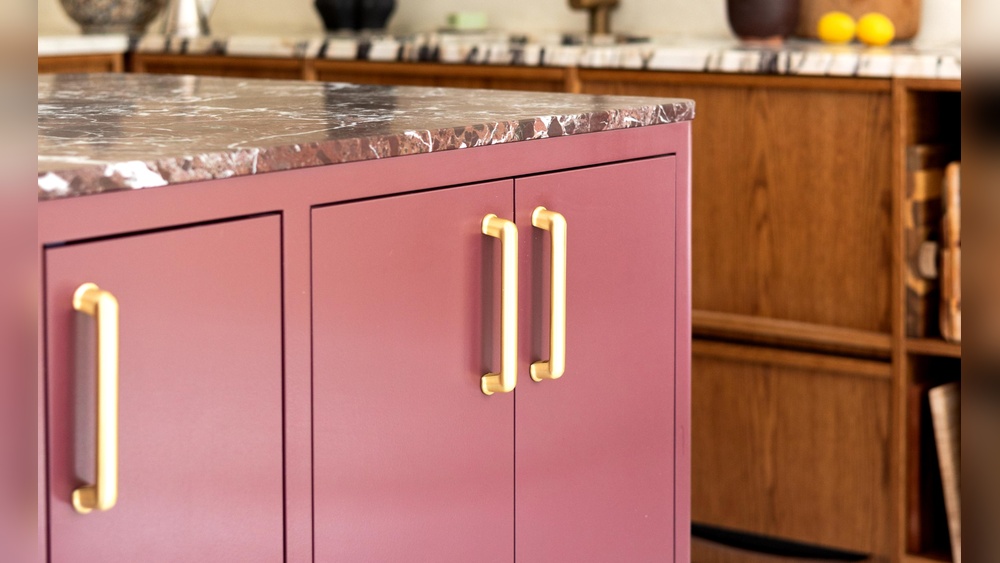
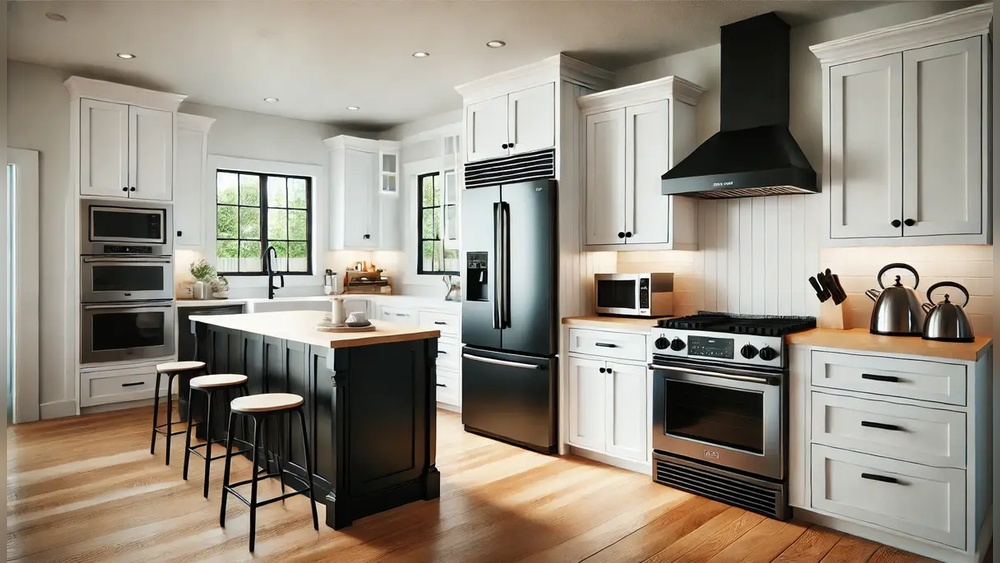
Choosing the right hardware for your cabinets can make a bigger difference than you might think. It’s not just about looks—your choice affects how easy your cabinets are to use, how long they last, and even how your whole room feels.
But with so many options out there, where do you start? You’ll discover simple tips that help you pick hardware that fits your style, budget, and needs perfectly. By the end, you’ll feel confident making choices that transform your cabinets from ordinary to outstanding.
Keep reading to unlock the secrets to cabinet hardware that works for you.
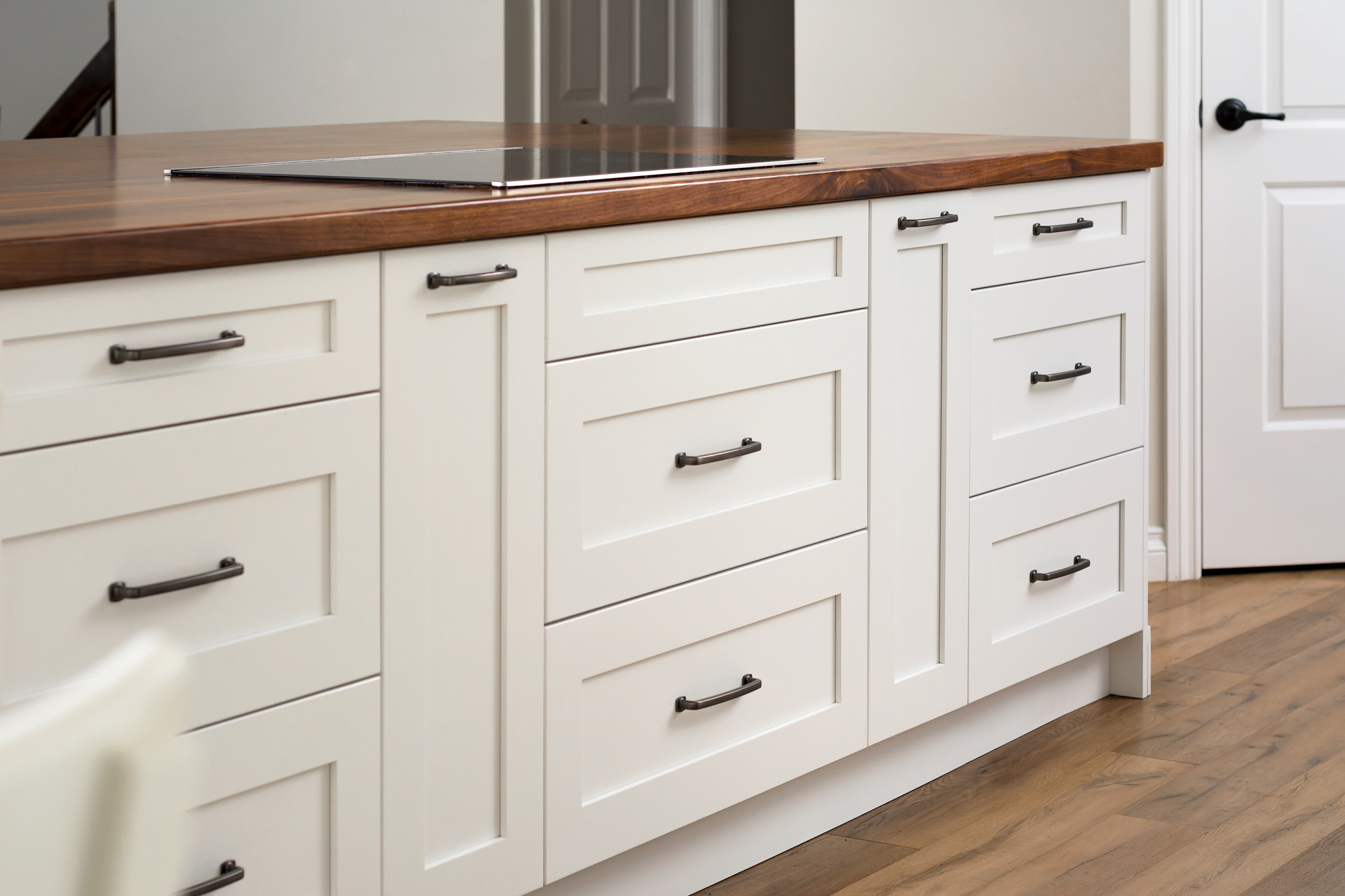
Credit: decorcabinets.com
Types Of Cabinet Hardware
Choosing the right hardware for cabinets affects both style and function. Cabinet hardware comes in many types, each serving a different purpose. Understanding these options helps pick the perfect fit for any kitchen or bathroom.
Knobs Vs Pulls
Knobs are small and round or square. They attach to one point on the cabinet door or drawer. Knobs work well for smaller cabinets and simple designs. Pulls are longer and require two screws. They offer a better grip, especially for larger drawers. Pulls fit modern and traditional styles easily.
Handles And Bar Pulls
Handles are similar to pulls but come in many shapes. Some are curved, others straight or decorative. Bar pulls are a popular handle type, known for their clean, straight lines. They fit well in contemporary kitchens. Handles and bar pulls are easy to use and add visual interest.
Hinges And Their Styles
Hinges connect cabinet doors to the frame. They control door movement and support weight. There are visible hinges, which show outside the cabinet. Concealed hinges hide inside for a clean look. Soft-close hinges stop doors from slamming. Choosing the right hinge style improves cabinet function and appearance.
Materials And Finishes
Choosing the right materials and finishes for cabinet hardware affects both style and durability. The right choice keeps cabinets looking good and functioning well for years. Understanding common materials and popular finishes helps make smart decisions.
Popular Materials For Durability
Metal is the top choice for cabinet hardware due to its strength. Brass, stainless steel, and zinc alloy resist wear and tear. Brass offers a warm look and resists corrosion. Stainless steel is tough and suits modern kitchens. Zinc alloy is affordable and can mimic other metals.
Wood hardware adds a natural touch but may wear faster. Plastic is less common but works in low-use areas. Choose material based on how often you use the cabinet.
Matching Finishes With Decor
Finish affects the hardware’s color and shine. Matching finish with room decor creates a balanced look. For classic kitchens, polished brass or bronze adds warmth. Matte black or brushed nickel fits modern and industrial styles. Light finishes suit bright, airy spaces.
Try to match hardware finish with other fixtures like faucets and lighting. Consistency in finishes makes the room feel connected.
Trends In Hardware Finishes
Current trends favor mixed metal finishes for a unique look. Satin gold and matte black are popular choices. Textured finishes like hammered or brushed metal add interest. Vintage brass is making a comeback in rustic designs.
Matte and muted finishes work well in minimalist spaces. Bright and shiny finishes suit traditional or glam styles.
Measuring And Sizing Hardware
Measuring and sizing hardware for cabinets is important to get the right fit. The right size ensures the hardware looks good and works well. Taking careful measurements helps avoid mistakes and extra costs. This section explains how to measure and size cabinet hardware correctly.
Choosing The Right Size
Start by measuring your cabinet doors and drawers. Use a ruler or tape measure for accurate results. Hardware size depends on cabinet size and style. Small cabinets usually need smaller knobs and pulls. Large cabinets can handle bigger, stronger hardware. Make sure the hardware fits comfortably on the door or drawer front.
Spacing And Placement Tips
Place handles and knobs in easy-to-reach spots. For drawers, center the hardware horizontally. For doors, place knobs near the edge for easy opening. Keep equal spacing for pairs of knobs or handles. Use a template or guide to mark spots before drilling. Consistent spacing looks neat and professional.
Functionality And Comfort
Choosing the right hardware for cabinets is about more than looks. Functionality and comfort play a big role. Good hardware makes opening and closing cabinets easy. It also feels good to use every day. This section covers how to pick hardware that works well and feels right.
Ergonomics In Hardware
Ergonomics means designing for comfort and ease of use. Cabinet hardware should fit your hand well. Handles that are too small or sharp can hurt fingers. Round knobs or smooth pulls often work best. Consider the height and reach too. Hardware should be easy to grab without strain.
Think about how often you use the cabinets. Hardware for daily use needs to be sturdy. It should open smoothly without sticking. Soft-close features can add comfort and protect the cabinet. Choose materials that feel good to touch, like wood or brushed metal.
Hardware For Different Cabinet Types
Different cabinets need different hardware types. Drawers often use pulls for better grip. Doors can use knobs or handles depending on size. Large doors benefit from longer handles for easier opening. Small doors work well with round knobs.
For glass cabinets, sleek and simple hardware suits best. Heavy cabinets require strong, durable hardware. In kitchens, hardware should resist moisture and dirt. For bathrooms, choose rust-resistant materials. Matching hardware to cabinet type improves both function and style.
Matching Hardware To Style
Choosing the right hardware is key for cabinet style. It can lift the whole look or feel out of place. Hardware should match the style of the room and cabinets. This creates a smooth, beautiful design that feels balanced and complete.
Think about the style you want. Then pick hardware that fits that style well. This small detail changes how the cabinets appear. It also affects the room’s mood and charm.
Modern And Minimalist Options
Modern cabinets often use simple, clean hardware. Look for sleek handles with straight lines. Matte black, chrome, or brushed nickel finishes work best. They give a fresh and uncluttered look. Small knobs or flat pulls fit well here. Avoid ornate or bulky hardware. It breaks the smooth, minimal feel.
Traditional And Classic Choices
Traditional cabinets call for classic hardware styles. Choose knobs and pulls with detailed shapes. Brass, bronze, or polished finishes add warmth. Curved handles and decorative backplates suit this style. These touches create a timeless, elegant look. Hardware should feel sturdy and well-crafted. They add charm and a sense of history.
Rustic And Vintage Looks
Rustic cabinets pair well with rugged, aged hardware. Look for metal with a worn or distressed finish. Iron, oil-rubbed bronze, or antique brass are good picks. Hardware with a rough texture or unique shapes fits this style. Leather pulls or wooden knobs also work great. These details add character and a cozy, lived-in feel.
Installation Tips And Tricks
Installing cabinet hardware can change the look of your cabinets quickly. Proper installation ensures the hardware works well and lasts longer. Follow some simple tips and tricks for a smooth process. This section covers the tools you need, a step-by-step guide, and common mistakes to avoid.
Tools You’ll Need
Gather these tools before starting the installation:
- Drill with drill bits
- Screwdriver (manual or electric)
- Measuring tape or ruler
- Level
- Pencil for marking
- Masking tape
- Template or jig (optional but helpful)
Step-by-step Installation Guide
Start by measuring the exact spot for the hardware. Mark the hole locations with a pencil. Use masking tape on the cabinet surface to prevent wood from splitting.
Drill pilot holes carefully. Make sure the drill bit size matches the screws. Attach the hardware with screws, tightening them gently. Use a level to check the alignment before fully tightening.
Repeat for all handles or knobs. Take your time to ensure each piece is straight and secure. Clean the cabinet surface after installation to remove any marks.
Avoiding Common Mistakes
Never guess the placement. Measure twice, drill once. Avoid drilling too deep or wide holes. This can damage the cabinet.
Don’t overtighten screws. It can strip the wood or damage the hardware. Avoid rushing the process; it leads to crooked or loose hardware.
Use a template for uniform placement. It helps keep all hardware aligned and consistent. Check the hardware fit before drilling to confirm screw size and length.
Budgeting For Cabinet Hardware
Setting a budget for cabinet hardware helps control costs and guides choices. It ensures the new hardware fits the style and durability needs without overspending. Planning ahead avoids surprises and keeps the project on track. Budgeting also helps balance style and function for a pleasing result.
Affordable Options That Look Great
Budget-friendly hardware can still look stylish and fresh. Materials like zinc alloy or plastic offer many designs. These options suit kitchens or bathrooms with light use. Finishes like brushed nickel or matte black add a modern touch. Small changes in hardware can update the entire cabinet look.
Investing In Quality Hardware
Quality hardware lasts longer and feels sturdy. Solid brass or stainless steel resists wear and tear. Spending more upfront can save money on repairs later. Premium hardware often has better finishes that won’t fade or chip. This choice fits busy kitchens or cabinets used daily.

Credit: capitolgranite.net
Where To Buy Cabinet Hardware
Choosing the right hardware for your cabinets starts with knowing where to buy it. The place you pick can affect your options, price, and style. Some places offer many choices, while others give more personal help. This guide shows three great places to find cabinet hardware.
Online Retailers
Online stores have a huge variety of cabinet hardware. You can find different styles, finishes, and prices in one spot. Shopping online saves time and lets you compare products easily. Many sites show customer reviews to help you decide. Delivery comes right to your door, which is very convenient.
Local Hardware Stores
Local hardware stores give a chance to see hardware in person. You can touch and feel the materials before buying. Staff can answer questions and offer advice. These stores usually have popular styles and quick availability. Supporting local shops also helps your community.
Custom Hardware Makers
Custom hardware makers create unique pieces made just for you. This option fits special styles and unusual needs. You get personal design help and quality craftsmanship. Custom pieces may cost more but add a special touch. This choice works well for high-end or vintage cabinets.
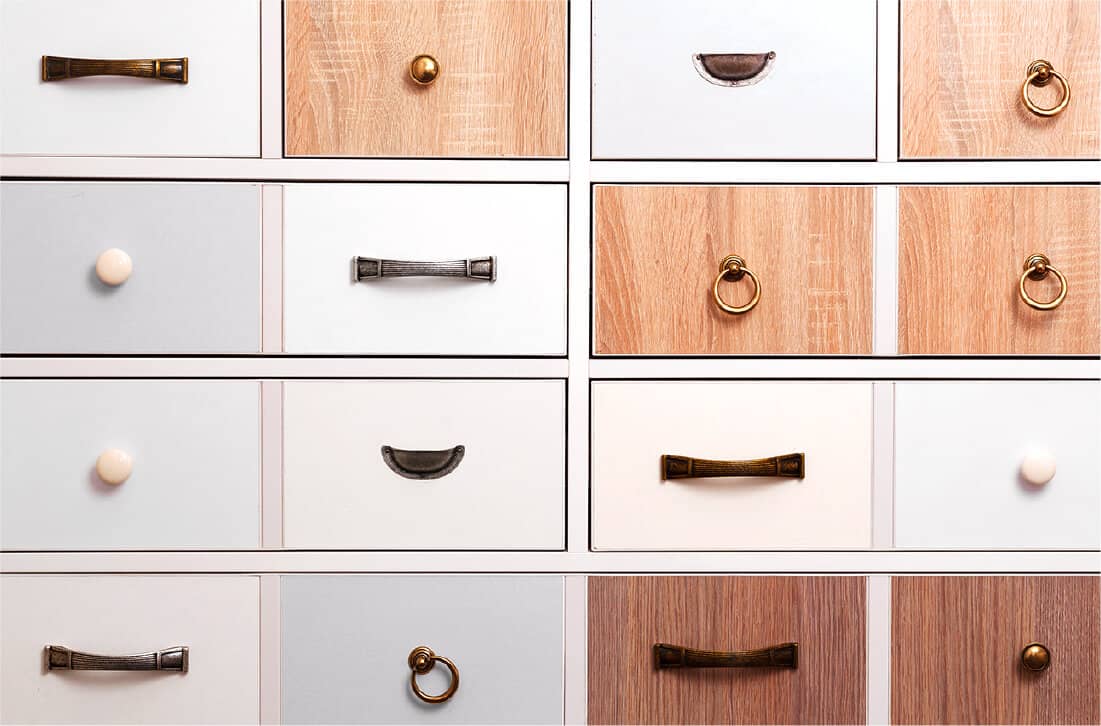
Credit: kitchencabinetkings.com
Frequently Asked Questions
What Factors To Consider When Choosing Cabinet Hardware?
Consider style, material, finish, size, and functionality. Match hardware with cabinet design and room decor. Prioritize durability and ease of use for daily convenience.
How To Match Cabinet Hardware With Kitchen Style?
Choose hardware that complements your kitchen’s theme. For modern kitchens, use sleek metals. Traditional styles suit ornate or antique finishes. Balance aesthetics with practical needs.
What Are The Common Materials Used For Cabinet Hardware?
Popular materials include stainless steel, brass, bronze, and zinc alloy. Each offers different durability and style options. Select based on your kitchen’s moisture levels and design preference.
How To Measure Cabinet Hardware For A Perfect Fit?
Measure the hole spacing between existing screws. Check cabinet door thickness and handle length. Accurate measurements ensure hardware fits securely and functions well.
Conclusion
Choosing the right hardware improves your cabinet’s look and function. Focus on style, size, and material that fit your space. Think about how often you use the cabinets. Select hardware that feels comfortable and is easy to clean. Small details can make a big difference in your kitchen or bathroom.
Take your time and compare options before deciding. Good hardware helps your cabinets last longer and look better. Simple choices create a neat and organized room. Hardware is not just useful; it adds personality too.