Are you struggling with stubborn license plate fasteners that just won’t budge? Removing them can feel frustrating and time-consuming, especially if you don’t have the right tools or know the tricks.
But what if you could get the job done quickly and without damage? In this guide, you’ll discover simple, effective methods to remove license plate fasteners fast—saving you time and stress. Keep reading to learn how to tackle this task like a pro, even if you’re a beginner.
Tools Needed
Removing license plate fasteners requires the right tools. Using proper tools makes the job faster and safer. It also prevents damage to your license plate and car surface.
Common Fastener Types
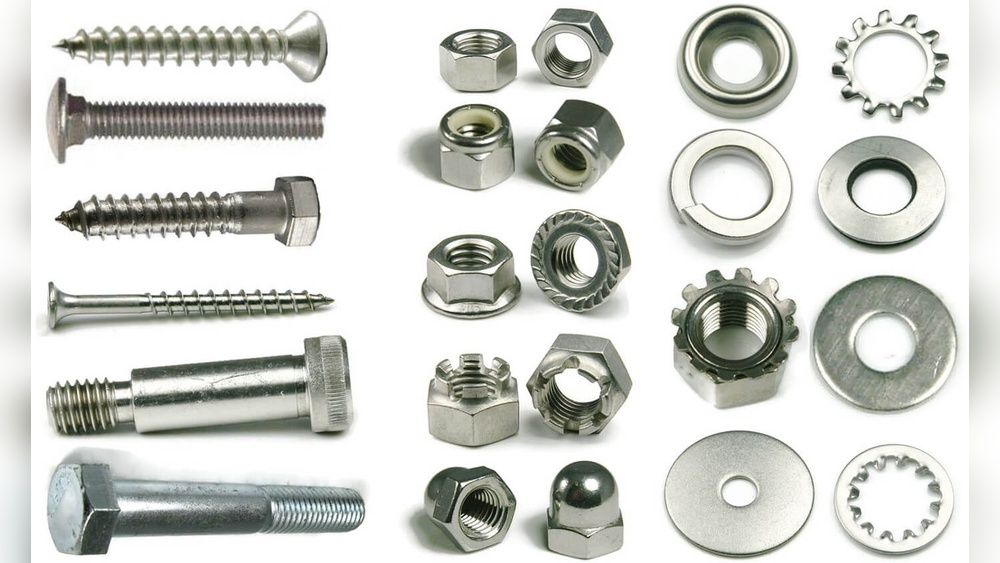
License plate fasteners come in several types. Some use screws, others use plastic clips or bolts. Some fasteners have special heads like Torx or Phillips. Identifying the fastener type helps pick the right tool.
Plastic push-in clips are common on newer cars. Screws with flat or cross slots appear on older models. Security bolts need special keys or sockets to remove them.
Essential Tools List
A basic tool kit covers most license plate fasteners. Start with a Phillips screwdriver for crosshead screws. A flathead screwdriver works for slotted screws and clips.
Torx screwdrivers handle star-shaped heads. A socket wrench set fits bolts and nuts. Needle-nose pliers help pull out plastic clips carefully.
Sometimes a trim removal tool is useful for prying clips. A magnetic tray keeps screws safe during removal. These tools make the process smooth and damage-free.
Manual Removal Techniques
Removing license plate fasteners by hand is a simple skill. It requires only a few tools and little effort. This method works well for most cars and avoids damage to the plate or car body. Let’s explore two easy techniques.
Using A Screwdriver
Start by selecting a screwdriver that fits the fastener head. Most license plates use Phillips or flathead screws. Place the screwdriver tip into the screw head firmly. Turn the screwdriver counterclockwise slowly. Apply steady pressure to avoid stripping the screw. If the screw is tight, use a little extra force. Remove the screw completely before pulling off the license plate.
Prying With A Flat Tool
Some fasteners clip in rather than screw. Use a flat tool like a putty knife or flathead screwdriver. Slide the tool gently under the edge of the fastener. Twist or lift to release the clip’s grip. Work carefully to prevent scratching the plate or car. Once loose, pull the fastener out by hand. Repeat for all fasteners to remove the plate.
Power Tool Methods
Power tools make removing license plate fasteners quicker and easier. They reduce hand strain and speed up the process. Using the right tool helps avoid damage to the plate or car. Always pick the correct bit or socket for the fastener type. Wear safety glasses to protect your eyes from debris. Let’s explore two common power tool methods.
Using A Drill
A drill with a screwdriver bit can remove screws fast. Choose a bit that fits the screw head perfectly. Set the drill to a low speed to avoid stripping the screws. Hold the drill steady and apply gentle pressure. If the screw is stuck, try reversing the drill to loosen it. Keep the drill straight to prevent damage to the plate or car paint.
Impact Driver Tips
An impact driver works well for tight or rusted fasteners. It delivers strong, sudden rotational force to break loose screws. Use impact-rated bits to avoid breaking the bit. Hold the driver firmly and apply steady pressure. Let the tool do the work without forcing it. This method is effective for stubborn fasteners that a drill cannot remove.

Credit: www.youtube.com
Handling Rusted Or Stuck Fasteners
Rusted or stuck license plate fasteners can block your progress. These fasteners hold the plate tight but may not come off easily. Rust forms when metal meets moisture over time. It makes fasteners hard and rough. Removing them needs care and the right tools.
Try gentle methods first. Avoid forcing fasteners to prevent damage. Two useful ways to handle stuck fasteners are applying penetrating oil and using heat. Both can help loosen rust and free the fasteners.
Applying Penetrating Oil
Penetrating oil seeps into tight spaces around the fastener. It breaks down rust and loosens stuck parts. Spray oil directly on the fastener and wait 10 to 15 minutes. Let it soak deep into the threads. Use a small brush to spread oil evenly.
After soaking, try turning the fastener with a screwdriver. Repeat oil application if it stays stuck. Patience helps here. This method avoids damage to your plate or screws.
Using Heat To Loosen
Heat expands metal, breaking the rust bond. Use a heat gun or a hairdryer on the fastener. Heat the area evenly for about one to two minutes. Avoid overheating to protect plastic parts nearby.
Once warm, try unscrewing the fastener. The heat softens rust and metal, making removal easier. If still tight, apply heat again and try slowly. This method works well with penetrating oil for tough cases.
Preventing Future Fastener Issues
Preventing future fastener problems saves time and effort. It helps keep your license plate secure and avoids rust or damage. Taking simple steps today makes removal easier later. Careful choice and care of fasteners reduce issues significantly.
Choosing The Right Fasteners
Select fasteners made of rust-resistant materials like stainless steel. These fasteners last longer and resist corrosion. Use the correct size to fit your license plate holes snugly. Avoid cheap plastic fasteners; they break easily and wear out fast. Quality fasteners keep your plate steady and make removal easier.
Applying Anti-seize Compounds
Apply a small amount of anti-seize compound on fastener threads. This prevents rust and makes fasteners easier to remove. Use compounds designed for metal to avoid damage. Reapply during each installation for the best protection. Anti-seize keeps fasteners from sticking or getting stuck over time.

Credit: www.youtube.com

Credit: www.wikihow.com
Frequently Asked Questions
How Do I Remove Rusty License Plate Fasteners?
To remove rusty fasteners, apply a penetrating oil and let it sit for 10 minutes. Use a screwdriver or pliers to gently loosen and remove the fasteners. Avoid forcing them to prevent damage to the plate or vehicle.
What Tools Are Needed To Remove License Plate Fasteners?
Common tools include a flathead or Phillips screwdriver, pliers, and penetrating oil. These help loosen and remove various types of fasteners easily without damaging the plate or car surface.
Can I Remove License Plate Fasteners Without Damaging The Plate?
Yes, use the correct screwdriver and apply gentle pressure. Avoid using excessive force. Applying penetrating oil can also prevent damage by loosening stuck fasteners before removal.
Why Are Some License Plate Fasteners Hard To Remove?
Fasteners can become stuck due to rust, corrosion, or over-tightening. Exposure to weather elements causes metal parts to seize, making removal difficult without proper tools or lubricants.
Conclusion
Removing license plate fasteners can be quick and simple. Use the right tools to avoid damage. Apply steady pressure and turn carefully. Keep fasteners and screws safe for reinstallation. Clean the area once fasteners are removed. Practice makes the process easier each time.
Stay patient and work slowly for best results. This helps you remove fasteners without stress or harm.