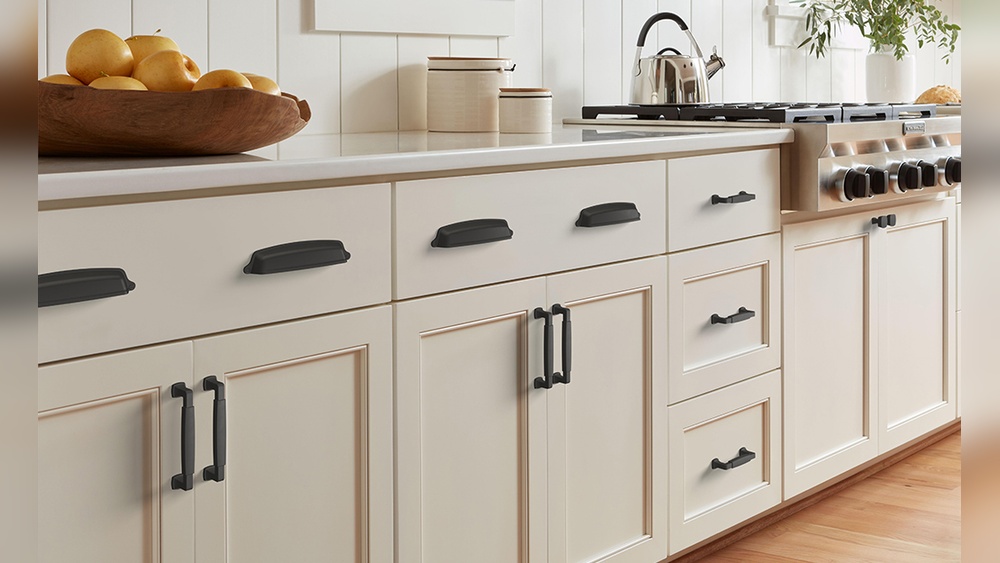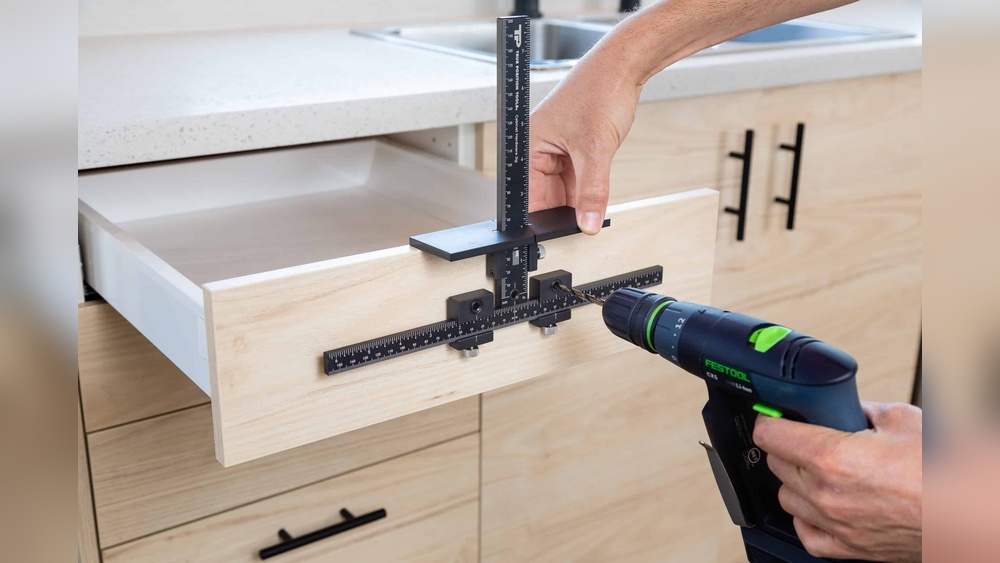
Are you tired of uneven drawer handles and misaligned cabinet hardware? Using a cabinet hardware jig can change that in minutes.
Imagine perfectly placed knobs and pulls every time, without the guesswork or frustration. You’ll learn simple, step-by-step tips to use a cabinet hardware jig on your drawers like a pro. Keep reading to discover how this small tool can make a big difference in your home projects—and save you time and effort.
Your drawers deserve that flawless finish, and you’re just a few easy steps away from getting it.
Choosing The Right Cabinet Hardware Jig
Choosing the right cabinet hardware jig is important for perfect drawer installation. The right jig helps drill holes evenly and at the correct spots. It saves time and prevents mistakes. Different jigs suit different hardware and drawer sizes. Understanding the types and features of jigs makes the job easier.
Types Of Hardware Jigs
There are several types of cabinet hardware jigs. Some are basic, made for simple holes. Others are adjustable, fitting many drawer sizes and hardware types. Some jigs include built-in rulers or guides for accuracy. Choose a jig that matches your drawer hardware style and drilling needs.
Materials And Durability
Jigs come in plastic, metal, or wood. Plastic jigs are light and cheap but less durable. Metal jigs are strong and last longer. Wood jigs feel solid but can wear out. Durable jigs hold their shape and maintain accuracy over time. Pick a sturdy jig for long-term use.
Size Compatibility
Check if the jig fits your drawer size before buying. Some jigs work only with small or medium drawers. Others adjust to fit large drawers too. Size compatibility ensures holes line up correctly. Using the right size jig avoids misaligned hardware and damage.

Credit: www.amazon.com
Preparing Drawers For Installation
Preparing drawers for cabinet hardware installation ensures a smooth and accurate process. Proper preparation helps avoid mistakes and damage. It also makes the installation faster and easier.
Measuring Drawer Fronts
Measure the width and height of each drawer front carefully. Use a ruler or tape measure for accuracy. Write down the measurements for every drawer. Consistent measurements help place hardware evenly. Double-check each measurement before moving forward.
Marking Drill Points
Use a pencil to mark where the hardware will go. Use the cabinet hardware jig to find exact drill points. Hold the jig steady against the drawer front. Mark the holes clearly but lightly. Check the marks from different angles to ensure alignment.
Cleaning And Prepping Surfaces
Wipe the drawer fronts with a clean cloth to remove dust and dirt. Use a mild cleaner if needed. Let the surfaces dry completely before drilling. Smooth surfaces help the hardware stick better. Avoid using harsh chemicals that can damage the wood.
Setting Up The Jig
Setting up the cabinet hardware jig correctly is crucial for perfect drawer installation. It helps place handles or knobs accurately every time. A good setup saves time and avoids mistakes. Follow these steps to prepare your jig for use on drawers.
Adjusting For Drawer Thickness
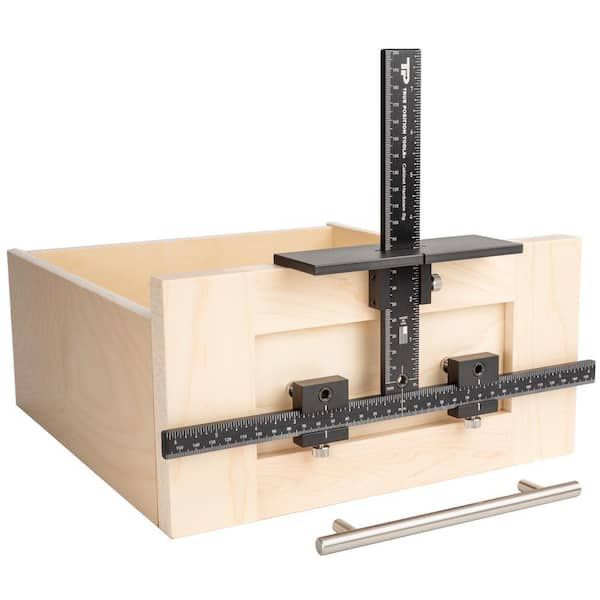
First, measure the thickness of your drawer front. Most jigs allow adjustment to fit different thicknesses. Loosen the screws or knobs on the jig. Slide the jig until it fits snugly against the drawer surface. Tighten the screws to lock it in place. This ensures the jig stays stable during drilling.
Aligning With Marked Points
Mark the exact points on the drawer where you want the hardware. Use a pencil and ruler for precision. Place the jig on the drawer front. Line up the jig’s guide holes with your marks. Check alignment from different angles. Adjust the jig slightly if needed. Proper alignment prevents uneven or crooked hardware.
Securing The Jig In Place
After alignment, hold the jig firmly on the drawer. Use clamps if the jig has clamp slots. Clamps keep the jig from moving while you drill. If clamps are not available, press the jig down with steady hands. Double-check that the jig does not shift. A secure jig ensures clean, accurate holes for your hardware.
Credit: www.homedepot.com
Drilling Holes With Precision
Drilling holes with precision is key to installing cabinet hardware on drawers. It ensures the handles or knobs fit perfectly and look balanced. Using a cabinet hardware jig helps you mark the exact spots. Next comes drilling, which must be done carefully. Accurate drilling prevents damage and keeps your project neat.
Choosing The Right Drill Bit
Select a drill bit that matches your hardware’s screws. Usually, a bit slightly smaller than the screw diameter works best. This size allows the screw to hold tightly. Use a sharp bit to avoid splintering the wood. For softwood, brad point bits give clean holes. For metal or hardwood, use a twist bit designed for that material.
Maintaining Drill Stability
Keep the drill steady to avoid crooked holes. Hold the drill perpendicular to the drawer surface. Use both hands for better control and pressure. Start drilling slowly to create a guide hole. Push the drill gently without forcing it. Let the drill do the work for smooth results.
Avoiding Common Drilling Mistakes
Do not rush the drilling process. Rushing can cause uneven or oversized holes. Avoid moving the drill while drilling. This can damage the wood and hardware fit. Check the jig placement before drilling every hole. Make sure the drawer surface is clean and dry. These steps reduce errors and improve your final look.
Attaching Hardware To Drawers
Attaching hardware to drawers requires care and precision. Using a cabinet hardware jig makes this process easier. The jig helps place screws in the right spot every time. It ensures the handles or knobs fit perfectly and look neat. Follow these steps to attach hardware correctly.
Selecting Appropriate Screws
Choose screws that match your drawer hardware size. Screws too long can damage the drawer back. Screws too short will not hold the hardware firmly. Check the thickness of your drawer front before buying screws. Use screws made from rust-resistant materials for durability.
Ensuring Proper Fit And Alignment
Use the jig to mark exact drill spots on the drawer. Drill holes slowly to avoid splitting the wood. Place the hardware on the drilled holes carefully. Tighten screws evenly to keep hardware straight. Double-check alignment before fully tightening screws.
Testing Hardware Functionality
Open and close the drawer several times after attaching hardware. Ensure handles or knobs feel secure and comfortable to use. Check that hardware does not wobble or shift. Adjust screws slightly if hardware feels loose. Confirm smooth drawer movement with the new hardware.
Tips For Consistent Results
Getting consistent results with a cabinet hardware jig saves time and avoids mistakes. Small errors can cause misaligned handles or holes that look unprofessional. Follow simple tips to keep every drawer looking perfect. These tips help you place hardware evenly and quickly.
Using Templates For Multiple Drawers
Templates keep your measurements the same on every drawer. Make one template for your jig by marking the hole positions. Use it to quickly mark each drawer without measuring again. This method reduces errors and speeds up your work. It helps keep all handles at the same height and distance.
Double-checking Measurements
Always check your measurements twice before drilling. Measure the drawer width and height carefully. Mark the spot with a pencil, then measure again to confirm. This step prevents holes in the wrong place. Take your time here to avoid costly mistakes.
Maintaining Jig Accuracy
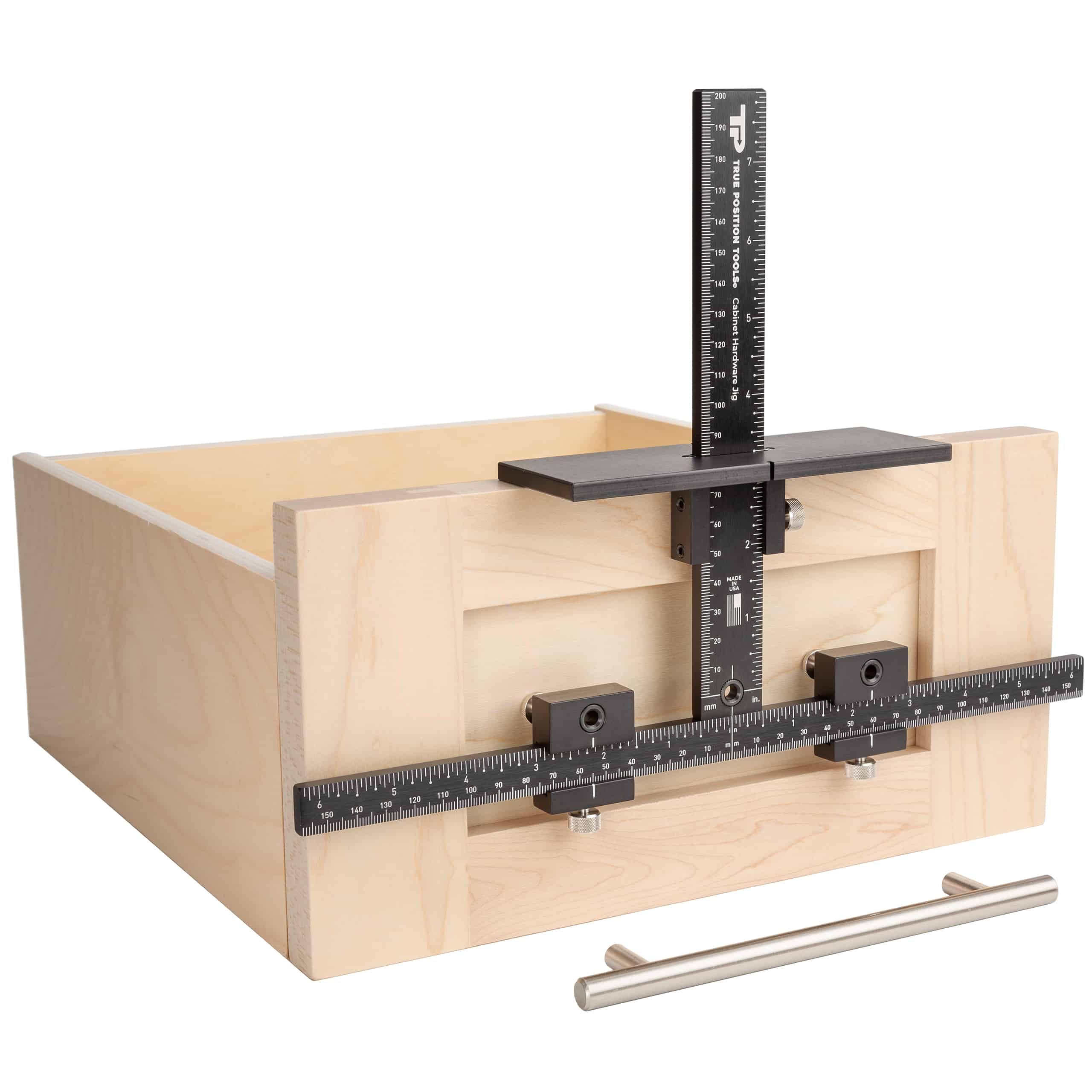
Keep your jig clean and free of dust or glue. Dirt can change the jig’s position and cause errors. Store it flat to avoid bending or damage. Check the jig’s settings before each use. Tighten screws and make sure the stops are secure. This keeps your marks precise every time.
Troubleshooting Common Issues
Troubleshooting common issues with a cabinet hardware jig helps ensure smooth installation. Problems can slow down your project or cause mistakes. Identifying these issues early saves time and effort. Below are some frequent problems and practical tips to fix them.
Misaligned Holes
Misaligned holes happen when the jig slips or is set incorrectly. Double-check measurements before drilling. Clamp the jig tightly to the drawer front. Use a pencil to mark pilot holes first. Drill slowly to keep holes straight and aligned.
Hardware Loosening Over Time
Hardware may loosen if screws are too short or the surface is weak. Use screws recommended by the hardware manufacturer. Avoid overtightening screws, which can damage the wood. Add small wood glue drops inside holes for extra hold. Check hardware regularly and tighten if needed.
Handling Uneven Drawer Surfaces
Uneven surfaces cause the jig to wobble and make inaccurate holes. Sand or plane the drawer front to create a flat surface. Use a shim under the jig to level it if needed. Confirm the jig sits firmly before drilling. Consistent pressure helps keep holes straight on uneven wood.
Credit: truepositiontools.com
Frequently Asked Questions
What Is A Cabinet Hardware Jig?
A cabinet hardware jig is a tool that helps align drawer holes for handles or knobs. It ensures precise, consistent placement. Using it saves time and improves accuracy during installation.
How Do I Use A Cabinet Hardware Jig On Drawers?
Place the jig on the drawer front, align it with edges, and mark hole positions. Drill holes through the jig guides for perfect hardware placement every time.
Can I Use A Cabinet Hardware Jig For All Drawer Types?
Yes, most jigs are adjustable for different drawer sizes and styles. Check the jig’s specifications to ensure compatibility with your drawer thickness and hardware type.
Why Should I Use A Jig Instead Of Measuring Manually?
A jig eliminates human error and speeds up installation. It guarantees uniform hole spacing and alignment, resulting in a professional, polished appearance on all drawers.
Conclusion
Using a cabinet hardware jig makes drawer installation easier and faster. It helps place handles and knobs in the right spot every time. This tool saves you from guessing and measuring again. You get neat and even results that look professional.
Anyone can use it, even with little experience. Keep your drawers looking great by using a jig for hardware. Try it on your next project to see the difference. Simple steps lead to better results and less stress.