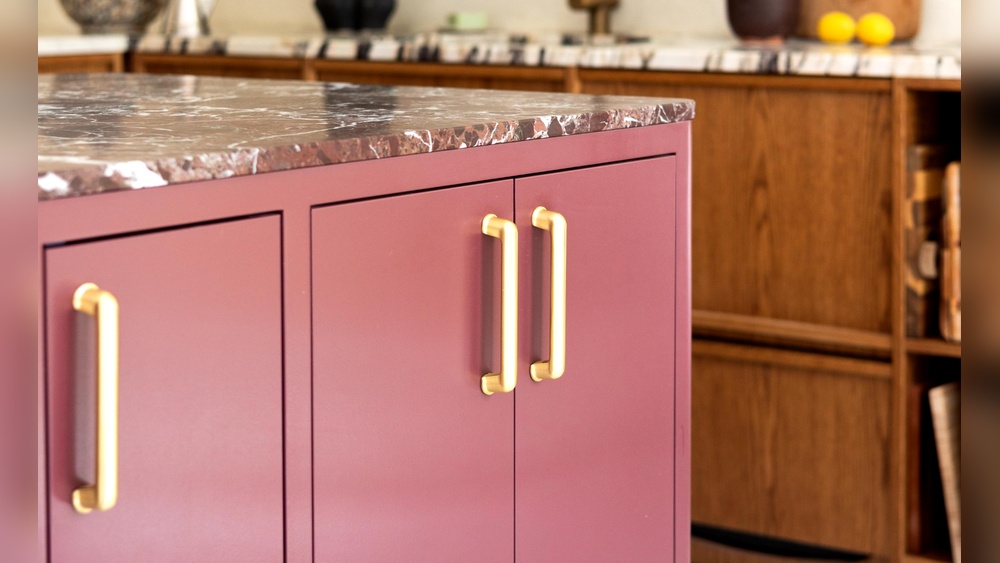
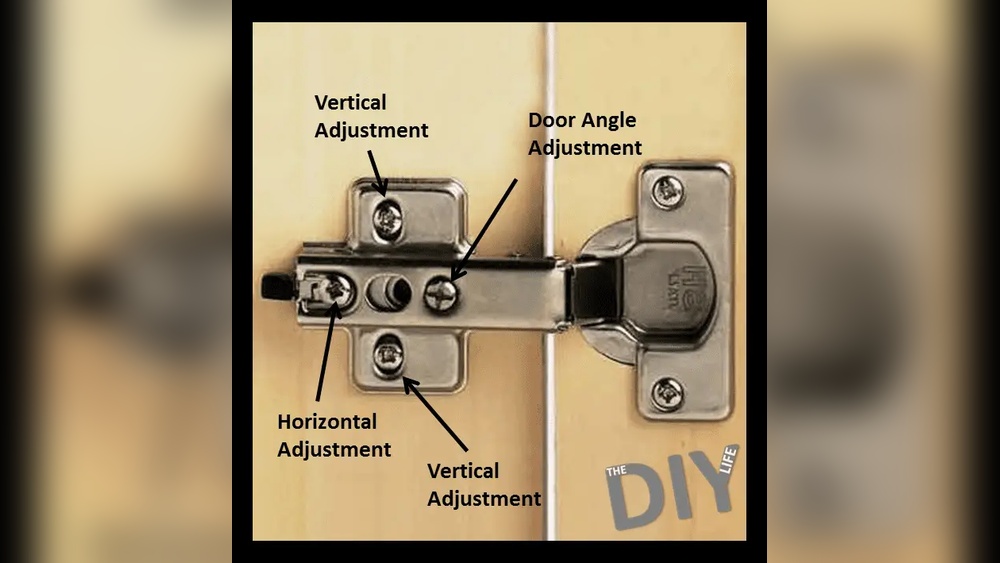
Are your cabinet handles looking outdated or worn out? Replacing 2 1/8 cabinet hardware with a backplate can give your cabinets a fresh, stylish look without a full remodel.
But if you’re worried about the process being tricky or time-consuming, don’t be. You can do this yourself, even if you’ve never done a project like this before. In this guide, you’ll find simple, step-by-step instructions that make the job easy and stress-free.
By the end, your cabinets will look brand new—and you’ll feel proud of what you’ve accomplished. Ready to transform your space? Let’s get started.
Tools And Materials Needed
Replacing 2 1/8 cabinet hardware with backplates requires the right tools and materials. Having these ready makes the job smooth and quick. This section covers what you need to prepare before starting.
Essential Tools
Gather a screwdriver that fits your cabinet screws well. A drill with a small drill bit helps if new holes are needed. A tape measure ensures correct placement of the hardware. Use a pencil to mark spots. A level keeps everything straight. Keep a soft cloth nearby to protect surfaces from scratches.
Choosing The Right Backplates
Pick backplates that match your cabinet’s size and style. Measure the current hardware and check the backplate dimensions. Consider the finish—chrome, brass, or bronze—to fit your room’s decor. Choose durable materials for long-lasting use. Make sure the backplate covers old holes or marks.
Hardware Selection Tips
Select hardware that fits your hand comfortably. Check that screws are the right length for your cabinet thickness. Match the hardware finish with the backplate for a neat look. Think about the design—modern, classic, or rustic—to match your kitchen style. Simple shapes often work best with backplates.
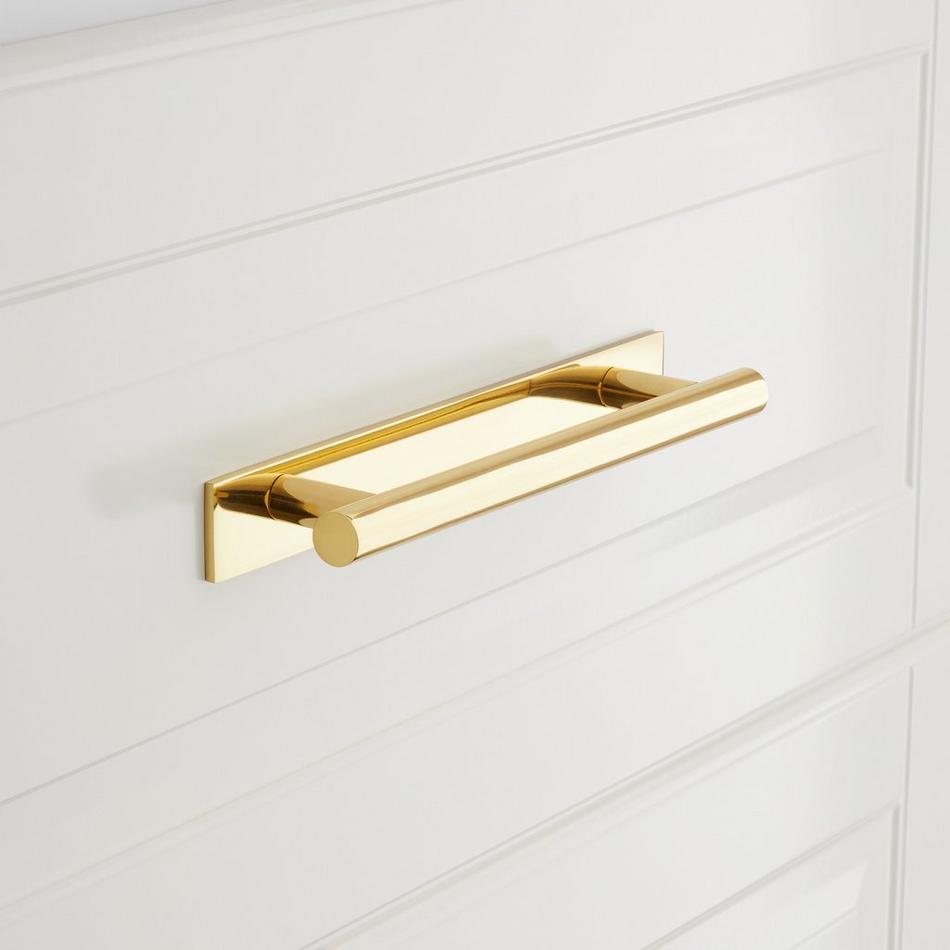
Credit: www.signaturehardware.com
Preparing Your Cabinet
Preparing your cabinet is the first step to replacing 2 1/8 cabinet hardware with a backplate. This stage makes sure the new hardware fits well and looks great. It also helps avoid damage during installation. Proper preparation leads to a smooth and successful update.
Focus on removing old hardware, cleaning the surface, and measuring for new backplates. Each task is important for a professional finish and lasting results.
Removing Old Hardware
Start by removing the old cabinet handles or knobs carefully. Use a screwdriver that fits the screws to avoid stripping them. Keep the screws in a safe place in case you need them later. Remove all hardware pieces, including any backplates or washers. Take your time to avoid scratching the cabinet surface.
Cleaning The Surface
Clean the cabinet surface after removing the hardware. Use a soft cloth and mild cleaner to remove dirt, grease, and old adhesive. Avoid harsh chemicals that can damage the finish. Dry the surface thoroughly to prevent moisture from affecting the new hardware. A clean surface helps the new backplates stick well and look neat.
Measuring For New Backplates
Measure the cabinet area for the new backplates accurately. Use a ruler or tape measure to check the screw holes’ distance. Note the size of the backplates to ensure they cover the old holes. Mark the new screw placement lightly with a pencil. Correct measurements prevent misalignment and ensure a perfect fit.
Installing The Backplates
Installing backplates on your 2 1/8 cabinet hardware is a simple way to improve your cabinet’s look. This step adds a clean, finished touch and helps cover old holes or marks. Follow these easy steps to fit your backplates correctly and securely.
Aligning The Backplates
Place the backplate over the cabinet door or drawer. Make sure it lines up with the existing holes. Check that the backplate sits flat and covers any old holes or damage. Hold it steady to avoid shifting in the next steps.
Marking Drill Holes
Use a pencil to mark the drill holes through the backplate’s openings. Double-check the marks to ensure they match the hardware’s screws. Mark lightly to avoid messy spots on your cabinet. Accurate marks make drilling easier and prevent mistakes.
Drilling And Securing
Choose a drill bit slightly smaller than the screw size. Drill the marked holes carefully to avoid cracking the wood. Place the backplate back on the cabinet and line up the holes. Insert the screws and tighten them firmly, but do not over-tighten. This keeps the backplate secure and the cabinet undamaged.
Attaching New Cabinet Hardware
Attaching new cabinet hardware with a backplate requires careful steps. Proper attachment ensures the hardware looks good and works well. Follow simple instructions to secure handles and knobs firmly. This section explains how to select screws, mount hardware, and test stability for best results.
Selecting Correct Screws
Choose screws that fit the backplate and cabinet thickness. Screws too long can damage the cabinet’s inside. Screws too short will not hold the hardware tightly. Measure the cabinet door or drawer thickness before buying screws. Use screws made of durable material to prevent rust.
Mounting Handles And Knobs
Align the backplate with the cabinet holes carefully. Insert screws through the backplate and into the cabinet. Tighten screws by hand first to avoid stripping threads. Use a screwdriver to secure screws firmly but do not overtighten. Check that handles and knobs sit flat against the cabinet surface.
Testing Stability
After mounting, pull the handle or knob gently to test strength. Hardware should not wiggle or feel loose. If loose, tighten screws slightly until secure. Ensure the backplate does not shift when using the hardware. Proper stability prevents damage and keeps cabinets functional.
Tips For A Professional Finish
Achieving a professional finish when replacing 2 1/8 cabinet hardware with a backplate requires careful attention. Small details make a big difference. Proper matching, touch-ups, and maintenance keep cabinets looking fresh and polished.
These tips help create a clean, cohesive look that lasts. Follow them to enhance your cabinet upgrade.
Matching Hardware Styles
Choose hardware that fits your cabinet style. Match the backplate and handle finishes. Consistent styles create harmony. Avoid mixing modern and traditional pieces. This keeps your cabinets looking balanced and attractive. Check the size and shape to fit your cabinet doors.
Touching Up Paint Or Finish
Remove hardware carefully to avoid damage. Fill any holes left by old hardware with wood filler. Sand the area smooth before painting. Use matching paint or stain for a seamless look. Let paint dry fully before attaching new hardware. This step hides imperfections and refreshes your cabinets.
Maintaining Your Hardware
Clean hardware regularly with a soft cloth. Avoid harsh chemicals that can damage finishes. Tighten screws periodically to keep handles secure. Replace worn or damaged pieces quickly. Proper care extends the life of your cabinet hardware. It keeps your kitchen looking neat and well-kept.

Credit: www.amazon.com
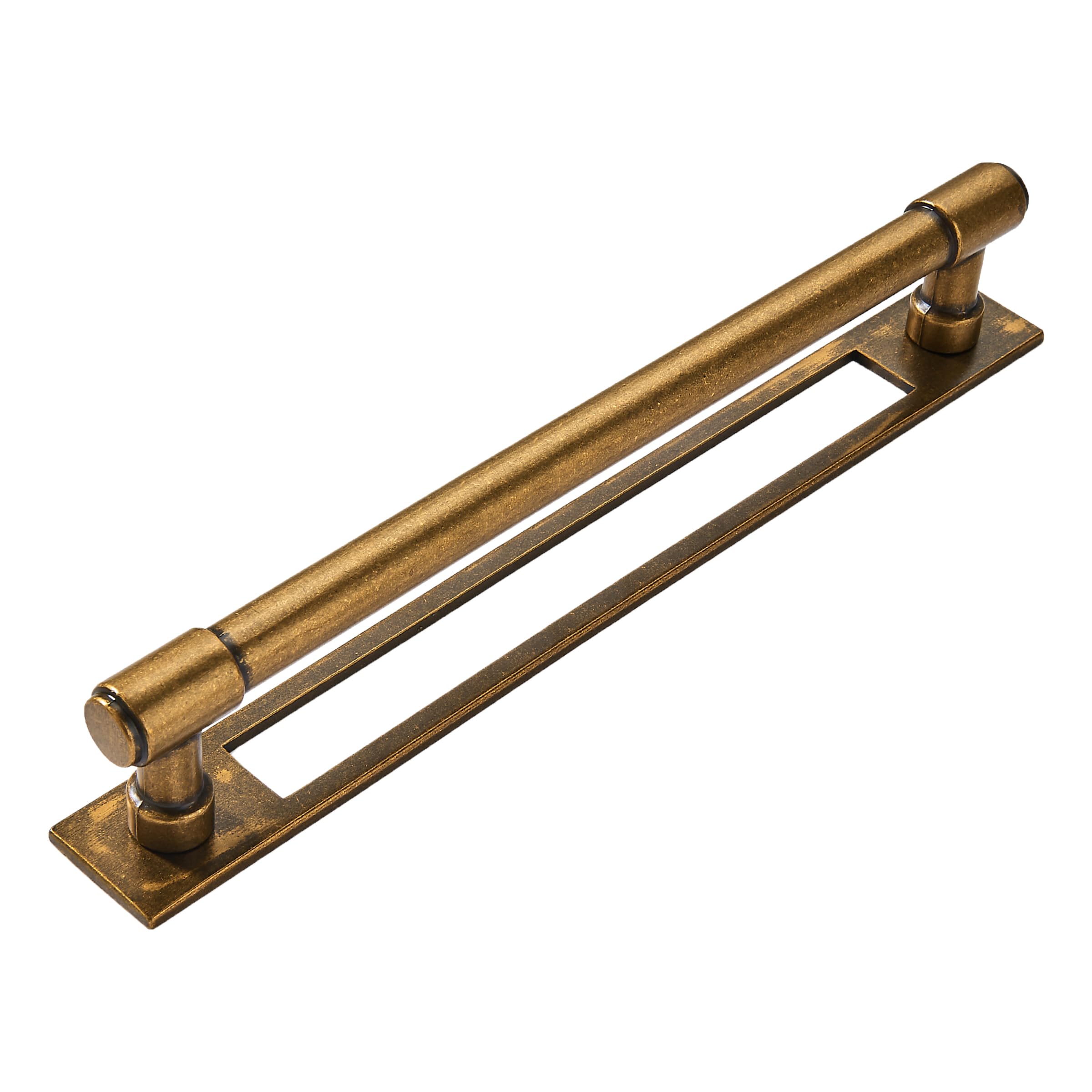
Credit: www.amazon.com
Frequently Asked Questions
What Tools Are Needed To Replace 2 1/8 Cabinet Hardware?
You need a screwdriver, drill, measuring tape, and the new hardware with backplate. A pencil helps mark drill points. Safety glasses are recommended for protection during the process.
How To Measure For Cabinet Hardware Backplate Installation?
Measure the existing hole spacing and backplate dimensions carefully. Mark new drill points accurately to ensure the backplate fits perfectly. Proper measurement prevents misalignment and damage.
Can I Reuse Old Cabinet Hardware With Backplates?
Usually, old hardware won’t fit new backplates due to size differences. It’s best to purchase hardware designed for backplates to ensure compatibility and a clean look.
How To Avoid Damaging Cabinet Doors During Replacement?
Use gentle tools and avoid forcing screws. Support the door firmly and work slowly. Pre-drill holes if necessary to prevent wood splitting or cracking.
Conclusion
Replacing 2 1/8 cabinet hardware with a backplate is simple and effective. It updates your cabinets and hides old holes easily. Use the right tools and measure carefully for best results. Take your time to avoid mistakes. This small change can refresh your kitchen’s look without big work.
Try it step-by-step and enjoy a neat, polished finish. Your cabinets will look new and stylish again.