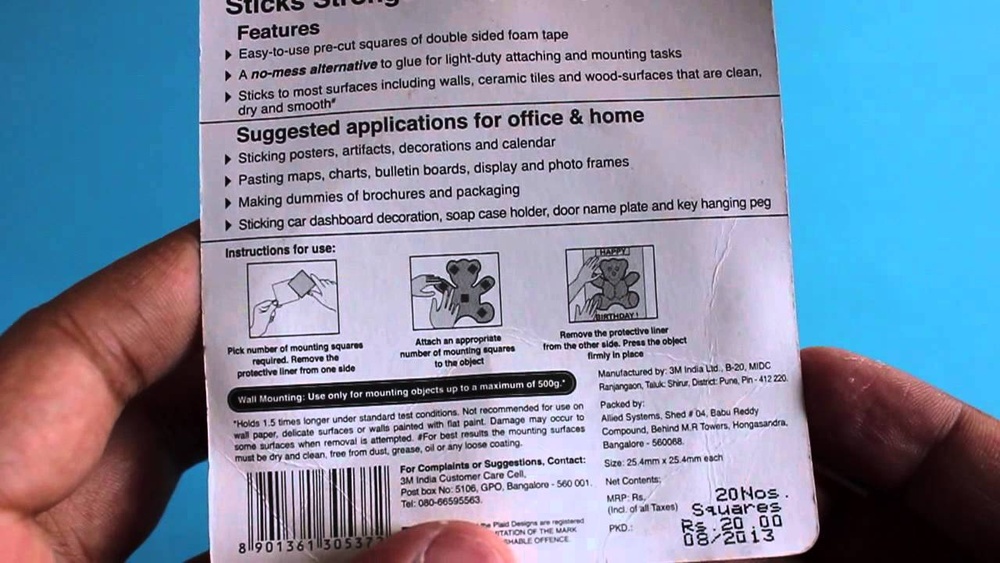
Are you tired of struggling with messy glue or complicated fasteners? Scotch Fasteners offer a simple, quick way to stick things together without the hassle.
Whether you’re fixing something at home, organizing your workspace, or crafting a special project, knowing how to use Scotch Fasteners can save you time and frustration. You’ll discover easy steps and insider tips to make the most out of these handy tools.
Keep reading to learn how to make your projects neater, stronger, and more efficient with Scotch Fasteners!

Credit: www.walmart.com
Choosing The Right Scotch Fasteners
Choosing the right Scotch fasteners is key for a strong and lasting hold. Different tasks need different types of fasteners. Picking the correct one saves time and effort. It also prevents damage to surfaces.
Types Of Scotch Fasteners
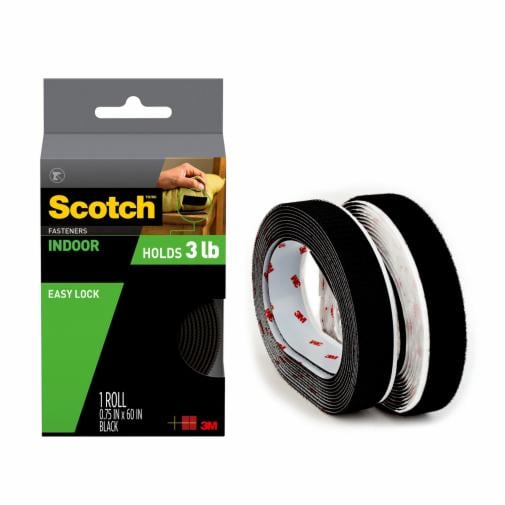
Scotch fasteners come in many forms. The most common are hook and loop strips. There are also adhesive dots and strips. Each type fits different uses. Hook and loop strips are reusable and flexible. Dots and strips stick firmly for one-time use.
Selecting Based On Material
The surface affects which fastener works best. Fabric needs soft, flexible fasteners. Wood or metal require stronger, rigid ones. Check if the fastener sticks well to plastic or glass. Some fasteners work better on rough surfaces. Others suit smooth surfaces better.
Adhesive Strength Options
Adhesive strength varies by product. Light adhesive is good for paper or fabric. Medium strength holds on wood or painted walls. Heavy-duty adhesive sticks on metal and rough surfaces. Choose the right strength to avoid peeling. Strong adhesive may damage delicate surfaces.
Credit: www.scotchbrand.com
Preparing Surfaces For Application
Preparing surfaces before applying Scotch Fasteners is key for a strong hold. Dirt, dust, and moisture can stop the adhesive from sticking well. Taking time to prepare the surface helps the fasteners last longer and work better. Follow these simple steps to get your surface ready.
Cleaning The Area
Remove all dirt and dust from the surface. Use a soft cloth or brush to wipe it clean. Avoid using oily or greasy cleaners. Instead, use mild soap and water. Clean surfaces help the adhesive bond tightly.
Drying Tips
Make sure the surface is completely dry before applying fasteners. Use a dry cloth to remove water or let it air dry. Moisture weakens the glue and causes the fastener to fall off. Patience pays off here.
Surface Compatibility
Check if the surface works with Scotch Fasteners. They stick best to smooth, hard surfaces like wood, plastic, or metal. Rough or porous surfaces may need extra care or may not hold well. Testing a small area first saves trouble later.
Applying Scotch Fasteners
Applying Scotch fasteners is simple and quick. Follow a few easy steps to get a strong hold. Proper use ensures the fasteners stick well and last long.
Prepare your materials and workspace before starting. Clean surfaces help the fasteners bond better. Now, let’s explore how to apply Scotch fasteners correctly.
Cutting To Size
Cut the fastener strips to fit your project. Use scissors for a clean, straight edge. Cut only what you need to avoid waste. Small pieces work best for precise attachment.
Peeling The Backing
Gently peel the backing paper from the adhesive side. Start at one corner to avoid tearing. Remove the backing slowly to keep the adhesive intact. Expose only one side at a time for easier handling.
Proper Placement Techniques
Place the fastener carefully on the clean surface. Press firmly to secure the adhesive. Hold for a few seconds to improve sticking power. Align pieces properly before pressing down. Avoid repositioning after contact to keep strong hold.
Securing And Pressing Fasteners
Securing and pressing Scotch fasteners is an important step for a strong hold. Proper technique ensures the fasteners stick well and last longer. This section covers how to apply pressure, use heat, and avoid errors.
Applying Pressure Correctly
Press firmly but evenly on the fastener pieces. Use your fingers or a flat tool for better control. Hold the pressure for about 10 seconds. This helps the adhesive bond tightly to the surface.
Too little pressure can cause weak attachment. Too much pressure might damage the fastener or the material. Find a balance and press steadily to get the best result.
Using Heat For Better Bond
Heat can improve the stickiness of Scotch fasteners. Use a warm iron or hairdryer on low setting. Heat activates the adhesive to make a stronger bond.
Hold the heat source a few inches away. Move it slowly over the fastener area for 15 to 20 seconds. Avoid overheating, which can melt or warp the fastener.
Avoiding Common Mistakes
Do not rush the pressing process. Pressing too fast leads to weak attachment. Avoid placing fasteners on dirty or wet surfaces. Dirt and moisture reduce adhesion power.
Check alignment before pressing. Misaligned fasteners do not work well. Do not peel off backing paper too early. Keep it on until ready to press firmly.
Removing And Reusing Scotch Fasteners
Removing and reusing Scotch Fasteners is a practical skill. It saves money and helps the environment. You can keep your projects neat and tidy by handling fasteners carefully. Follow easy steps to remove, clean, and reuse them without damage.
Safe Removal Methods
Peel Scotch Fasteners gently from the surface. Pull slowly to avoid tearing or stretching. Use a flat tool like a plastic card to lift edges. Avoid sharp objects that can damage the fastener or surface. Heat the fastener with a hairdryer to soften the adhesive. This method works best on delicate surfaces.
Cleaning Residue
Remove sticky residue with rubbing alcohol on a cloth. Dab gently to avoid spreading the glue. Soap and warm water can clean surfaces after alcohol use. Let the surface dry completely before reattaching fasteners. Avoid harsh chemicals that may harm surfaces or fasteners.
Reattachment Tips
Check both sides of the fastener for cleanliness. Replace backing paper to keep adhesive fresh. Press firmly when reapplying to ensure a strong bond. Store unused fasteners in a cool, dry place. Proper storage keeps them sticky for future use.
Creative Uses For Scotch Fasteners
Scotch fasteners are small but mighty tools. They stick two surfaces together without sewing or glue. Their use goes beyond simple repairs. They offer creative solutions in many parts of daily life. Let’s explore some smart ways to use Scotch fasteners.
Home Organization Hacks
Keep cables neat by bundling them with Scotch fasteners. Attach small pouches to walls or inside cabinets for extra storage. Use fasteners to hang lightweight tools and keep workspaces clear. Label items by attaching tags with fasteners for easy spotting. Organize craft supplies by sticking fasteners on storage boxes.
Craft And Diy Projects
Fasteners help join fabric pieces without sewing. Create removable decorations for walls or furniture with them. Attach patches to clothes or bags with fasteners for a new look. Make custom bookmarks or gift tags by sticking materials together. Use fasteners to hold parts temporarily during craft assembly.
Temporary Fixes On Clothing
Secure a lost button or torn fabric quickly. Use fasteners to close small rips until proper repair is done. Adjust tightness of clothes by attaching fasteners in new spots. Fix hems that come loose without sewing. Keep scarves or wraps in place with fastener pairs.
Credit: www.scotchbrand.com
Frequently Asked Questions
What Are Scotch Fasteners Used For?
Scotch Fasteners are used to securely attach items without sewing or adhesives. They provide a reusable, strong bond. Ideal for fabric, crafts, and household fixes. They help in quick, neat, and easy fastening.
How Do You Apply Scotch Fasteners Properly?
Clean the surface before applying Scotch Fasteners. Peel the backing and press firmly together. Align pieces carefully for a strong hold. Wait a few seconds to ensure adhesion.
Can Scotch Fasteners Be Reused Multiple Times?
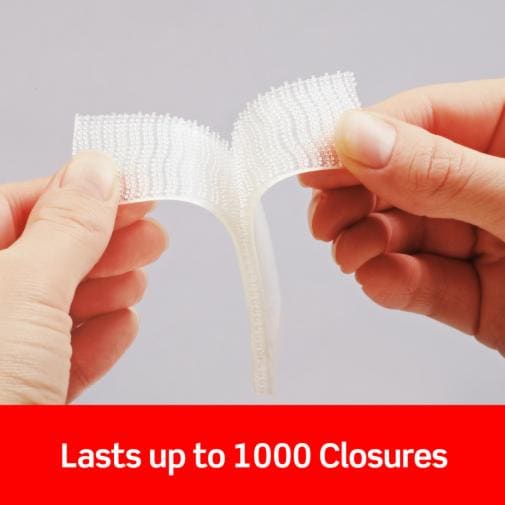
Yes, Scotch Fasteners are designed for multiple uses. They maintain grip through many openings and closings. However, their strength may reduce after extensive reuse.
Are Scotch Fasteners Safe For All Fabrics?
Scotch Fasteners are safe for most fabrics. They do not damage or leave residue. Test on a small area if fabric is delicate.
Conclusion
Scotch fasteners offer a quick and easy way to join materials. They work well on fabric, paper, and light objects. Applying them is simple and requires no special tools. Keep surfaces clean for the best stick. Press firmly and wait a moment.
This small step helps hold things tight. Using Scotch fasteners saves time and effort in many projects. Try them for crafts, repairs, or organizing items. You will find they make tasks easier and neater. Simple, fast, and reliable—Scotch fasteners are a handy tool to have.
