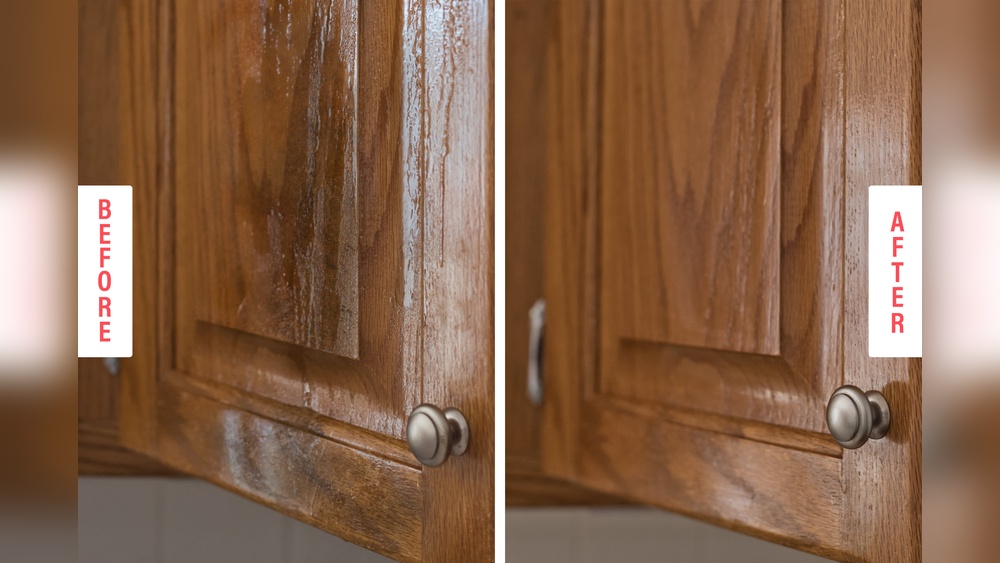
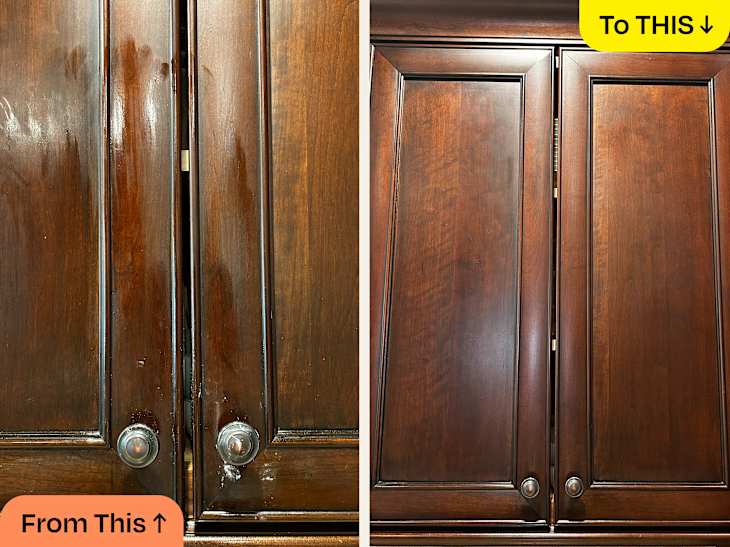
Grease build-up on your kitchen cabinet hardware can be stubborn and frustrating. When your handles and knobs look sticky or dull, it affects the whole feel of your kitchen.
But don’t worry—you can easily bring back their shine with a few simple steps. You’ll discover practical and effective ways to clean grease off your cabinet hardware. Keep reading to learn how to make your kitchen look fresh and inviting again.

Credit: www.goodhousekeeping.com
Causes Of Grease Build Up
Grease build up on kitchen cabinet hardware is a common issue. It happens quietly over time. Understanding the causes helps in cleaning and prevention. Grease sticks to surfaces and creates a sticky film. This film traps dirt and dust, making cabinets look dirty fast.
Common Sources In The Kitchen
Cooking oils and fats release tiny particles into the air. These particles settle on nearby surfaces, including cabinet handles. Frying, sautéing, and baking produce the most grease. Steam from hot food also carries grease droplets. Over time, grease collects on cabinets near the stove or oven. Even splashes from pans can cause build up. Regular kitchen activities create this invisible layer of grease.
Why Hardware Attracts Grease
Cabinet hardware often has rough or textured surfaces. These textures catch and hold grease better than smooth ones. Metal handles attract grease because oil sticks well to metal. Dirt mixes with grease, making it thicker and harder to remove. Frequent touching spreads grease and dirt from hands. Warm kitchen air makes grease softer and stickier. This combination makes cleaning cabinet hardware necessary more often.
Choosing The Right Cleaning Supplies
Choosing the right cleaning supplies is key to removing grease from kitchen cabinet hardware. The right products protect your hardware and make cleaning easier. Harsh cleaners can damage finishes or leave residue. Gentle, effective supplies clean well without harm.
Safe Cleaners For Cabinet Hardware
Use mild soap and warm water for most hardware. Dish soap cuts grease but is gentle on surfaces. Avoid bleach or ammonia, which can cause damage. Vinegar and baking soda work well for tough spots. Test cleaners on a small area first. Use soft cloths to avoid scratches.
Tools That Make Cleaning Easier
Soft brushes help reach small crevices on hardware. Microfiber cloths pick up grease without scratching. Cotton swabs clean tight corners gently. Use old toothbrushes for stubborn grease in grooves. Avoid abrasive pads that can damage the finish. Dry hardware well after cleaning to prevent water spots.
Step-by-step Cleaning Process
Cleaning grease build-up on kitchen cabinet hardware can be simple. Follow these clear steps for best results. Proper cleaning keeps your hardware shiny and working well. This guide breaks down the process into easy parts.
Removing Hardware Safely
Start by removing cabinet handles or knobs carefully. Use a screwdriver to unscrew them gently. Keep screws and parts in a small container. Avoid forcing hardware off to prevent damage. This step helps clean all sides properly.
Soaking And Scrubbing Techniques
Fill a bowl with warm water and mild dish soap. Soak hardware pieces for 10 to 15 minutes. This loosens grease and dirt effectively. Use a soft brush or old toothbrush to scrub. Focus on corners and edges for best cleaning. Avoid harsh scrubbing to protect the finish.
Drying And Polishing Tips
Dry hardware completely with a soft cloth to avoid water spots. Use a microfiber cloth for a smooth finish. Polish metal parts with a small amount of olive oil. Buff gently to restore shine and protect surface. Let hardware dry fully before reattaching to cabinets.

Credit: www.decoranddecor.com
Natural Cleaning Alternatives
Natural cleaning alternatives offer a safe way to remove grease from kitchen cabinet hardware. They use simple ingredients found in most homes. These methods avoid harsh chemicals and protect your hardware’s finish. Let’s explore two effective natural solutions.
Using Vinegar And Baking Soda
Vinegar and baking soda create a powerful cleaning duo. First, sprinkle baking soda on the greasy hardware. Then, spray white vinegar over the baking soda. The mixture will bubble and loosen dirt. Let it sit for five minutes. Use a soft brush or cloth to scrub gently. Rinse with warm water and dry with a clean cloth. This method removes grease and shines your hardware.
Lemon And Olive Oil Solutions
Lemon and olive oil can clean and polish cabinet hardware. Cut a lemon in half and rub it on the greasy areas. The lemon’s acid breaks down the grease. Wipe off the residue with a soft cloth. Next, apply a small amount of olive oil to another cloth. Buff the hardware to restore shine. This natural solution leaves a fresh scent and protects metal surfaces.
Preventing Future Grease Build Up
Preventing future grease build up on kitchen cabinet hardware helps keep your kitchen clean and fresh. Grease can make handles and knobs sticky and hard to use. Simple habits and smart products can stop grease from sticking for a long time. This section shares easy ways to protect your hardware.
Regular Maintenance Routines
Clean cabinet hardware often. Use a soft cloth with mild soap and water. Wipe down handles at least once a week to stop grease buildup. Dry hardware well to avoid water spots and damage. Avoid harsh chemicals that can harm finishes. Small, regular cleaning prevents large, tough grease layers.
Protective Coatings And Barriers
Apply clear protective coatings on hardware. These coatings block grease and dirt. Choose a non-toxic, kitchen-safe product. Use a small brush or cloth to spread it evenly. Let it dry fully before use. Barriers make cleaning easier and keep hardware shiny longer. Replace coatings every few months for best results.
Credit: www.thekitchn.com
When To Seek Professional Help
Cleaning grease from kitchen cabinet hardware is usually easy with household products. Sometimes, the grease or dirt is too thick or old. At times, hardware shows signs of damage or wear. These situations need expert help. Knowing when to call a professional saves time and prevents more damage.
Signs Of Damage Or Wear
Look for scratches, rust, or loose parts on your hardware. Grease build-up can hide these problems. If hardware feels sticky or stiff, it may need repair. Cracks or broken pieces mean replacement is needed. Professionals can assess the condition quickly and suggest the best action.
Restoration Services For Hardware
Experts offer cleaning and restoration services for tough grease build-up. They use safe tools and special solutions to avoid damage. Restoration can bring back the shine and smooth function. This service saves money by extending hardware life. Trust professionals for delicate or antique hardware to keep them safe.
Frequently Asked Questions
How Do I Remove Grease From Kitchen Cabinet Hardware?
Use warm soapy water and a soft cloth to wipe the hardware. For stubborn grease, apply a baking soda paste. Rinse and dry thoroughly to prevent residue.
What Household Items Clean Grease On Cabinet Handles?
Common items include baking soda, vinegar, and mild dish soap. These effectively break down grease without damaging finishes. Always test on a small area first.
Can I Use Vinegar To Clean Kitchen Cabinet Hardware?
Yes, vinegar is a natural degreaser. Mix equal parts vinegar and water, apply with a cloth, then rinse and dry. Avoid on delicate finishes like brass.
How Often Should I Clean Kitchen Cabinet Hardware?
Clean hardware monthly to prevent grease buildup. Frequent cleaning keeps handles shiny and hygienic. Wipe spills immediately to reduce grease accumulation.
Conclusion
Cleaning grease build-up on kitchen cabinet hardware is simple and quick. Use gentle cleaners and soft cloths for best results. Regular cleaning stops grease from building up again. You save time and keep your kitchen looking fresh. Small steps make a big difference in kitchen care.
Try these tips and enjoy a cleaner, brighter kitchen space. Easy to do, easy to keep up. Your cabinets will thank you!

