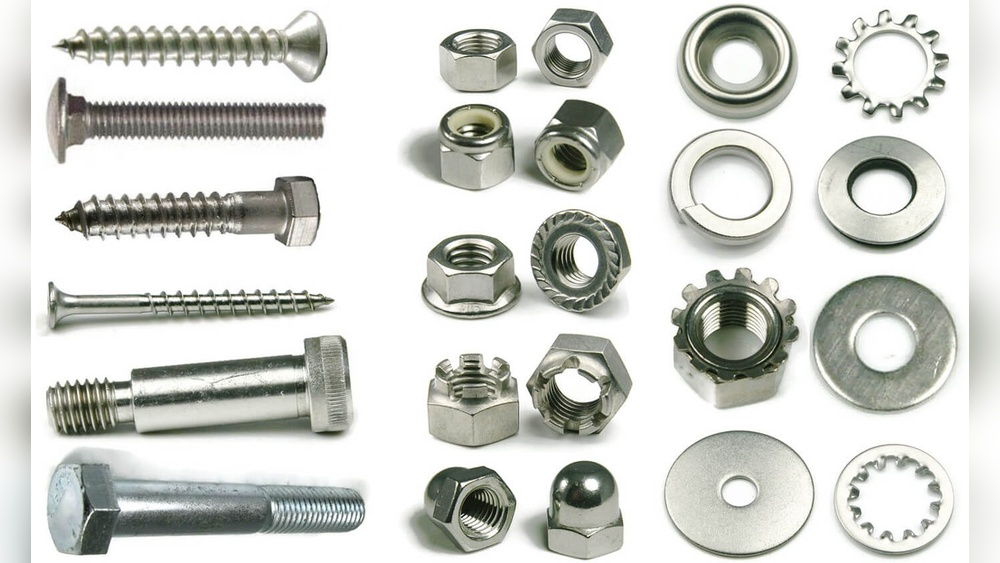
Have you ever stopped to really look at the little things that hold everything together? Fasteners might seem small and simple, but they play a huge role in your daily life.
Whether you’re fixing a chair, building a shelf, or working on a car, knowing what fasteners look like can save you time and frustration. You’ll discover the shapes, sizes, and types of fasteners that make your projects easier and stronger.
Keep reading, and you’ll soon see these tiny heroes in a whole new light.
Common Fastener Shapes
Fasteners come in many shapes. Each shape serves a specific purpose in joining parts. Knowing common shapes helps identify the right fastener for your project. Shapes vary by use, strength, and ease of installation.
Screws And Their Variations
Screws have a helical ridge called a thread. They come with different heads like flat, round, and Phillips. Some screws are self-tapping, making holes as they go in. Others need a pre-drilled hole. Variations include wood screws, machine screws, and sheet metal screws.
Nuts And Bolts
Bolts are cylindrical with external threads. They pair with nuts to hold parts together. Nuts are usually hexagonal to fit a wrench. Bolts have flat or rounded heads. The combination provides a strong, removable joint.
Washers And Spacers
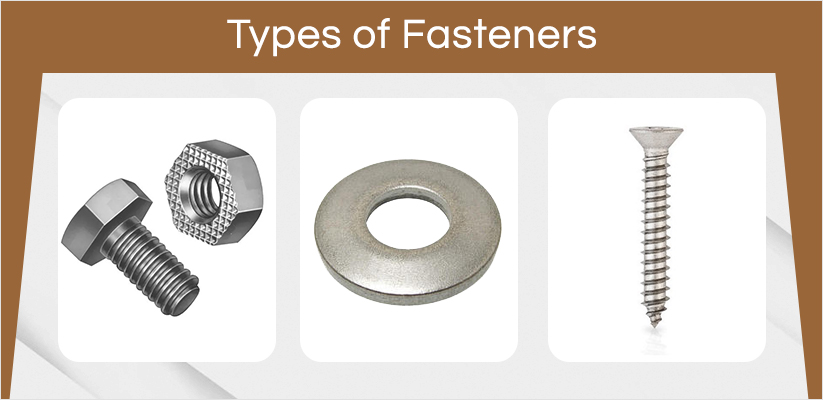
Washers are thin, flat discs. They distribute pressure from the bolt or screw. Washers protect surfaces from damage. Spacers create space between parts. They keep parts aligned and prevent friction.
Pins And Clips
Pins are slender rods used to hold parts in place. Common types include cotter pins and split pins. Clips fasten parts quickly without tools. Examples are retaining clips and spring clips. Both secure parts but allow easy removal.
Materials Used For Fasteners
Fasteners come in many shapes and sizes. Their materials affect strength, durability, and use. Choosing the right material matters for each job. Some materials resist rust. Others handle heat well. Some stay light and flexible. Understanding fastener materials helps you pick the best one.
Steel And Stainless Steel
Steel fasteners are strong and common. They work well for heavy tasks. Stainless steel does not rust easily. It suits wet or outdoor use. Steel fasteners are cost-effective and reliable. They hold parts together tightly and last long.
Brass And Copper
Brass and copper fasteners resist corrosion well. They look shiny and attractive. These materials do not rust like steel. They are softer, so use where less force is needed. Brass and copper suit decorative projects and electrical work.
Plastic And Nylon
Plastic and nylon fasteners are light and flexible. They do not rust or corrode. These fasteners work in electronics and light machinery. They resist chemicals and moisture. Plastic fasteners are easy to install and remove.
Specialty Alloys
Specialty alloys include titanium and Inconel. They offer extra strength and heat resistance. These fasteners are for tough environments. Aerospace and medical fields use them often. Specialty alloys cost more but perform better under stress.
Types Of Screws
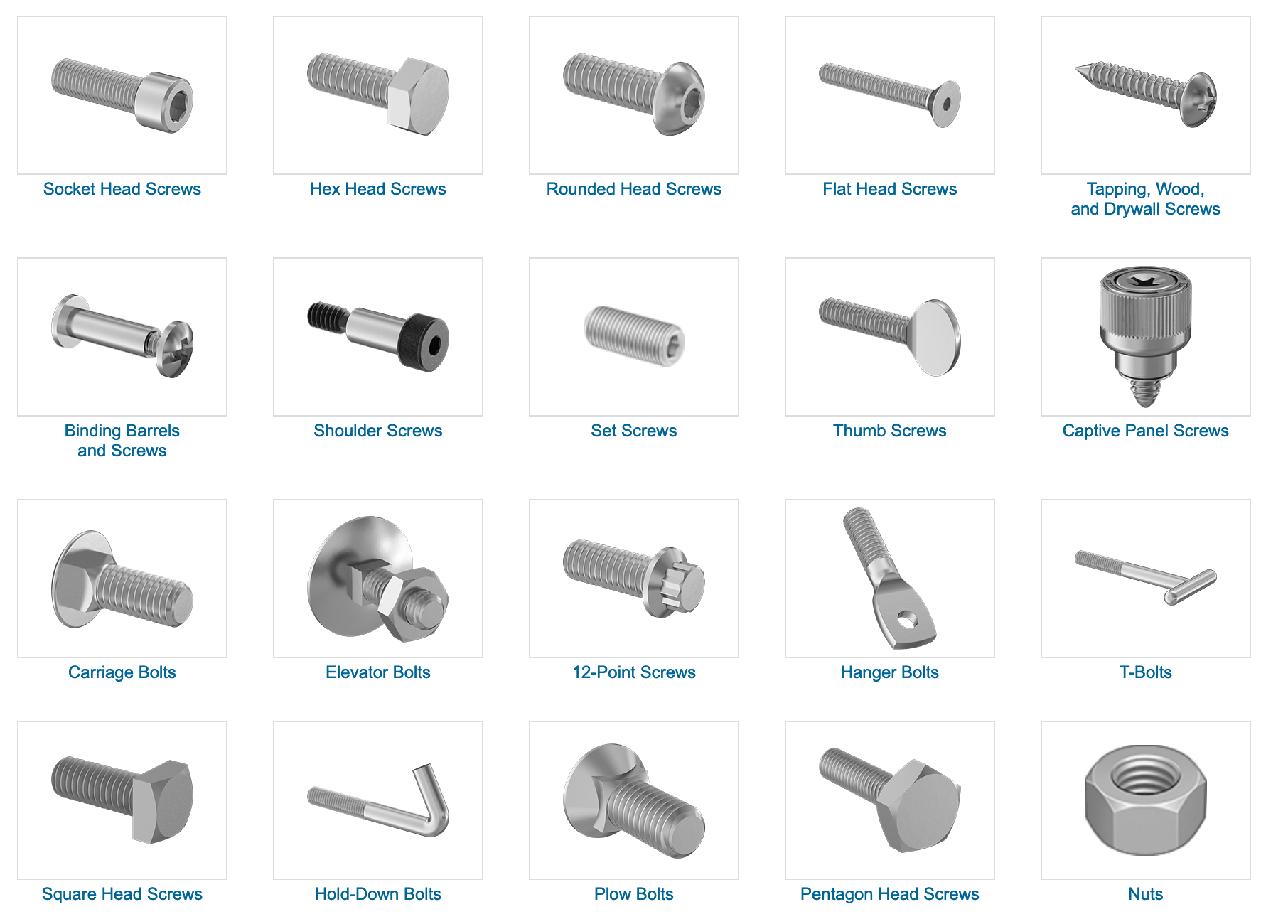
Screws are one of the most common fasteners in the world. They come in many types, each designed for a special purpose. Understanding the different types helps you pick the right one for your project. Screws vary in shape, size, and thread style. This variety makes them suitable for wood, metal, and other materials.
Wood Screws
Wood screws have sharp threads that dig into wood. They hold pieces of wood tightly together. These screws usually have a smooth shank near the head. This design pulls wood parts close without splitting them. Wood screws come in different lengths and thicknesses.
Machine Screws
Machine screws are smaller and have fine threads. They fit into pre-made holes or nuts. These screws are used in machines and electronics. They often have a flat or round head. Machine screws provide strong, precise fastening.
Sheet Metal Screws
Sheet metal screws have sharp threads all along the shaft. They cut through thin metal sheets easily. These screws can also fasten plastic or wood. Their pointed ends help start the hole without drilling. Sheet metal screws come in many sizes and finishes.
Self-tapping Screws
Self-tapping screws create their own hole when driven. They save time by not needing a pilot hole first. These screws are useful for metal and hard materials. Their sharp threads cut into the surface as you turn. Self-tapping screws come in different head shapes and thread types.
Bolt Varieties
Bolt varieties come in many shapes and sizes. Each type serves a different purpose. Understanding their look helps in choosing the right one for your project.
Bolt heads, shafts, and thread patterns change across types. These features affect how bolts fasten materials together. Knowing common bolt varieties makes work easier and safer.
Hex Bolts
Hex bolts have six-sided heads. This shape fits standard wrenches and sockets. They are strong and easy to tighten. Hex bolts suit metal and wood connections. Their threads run along part of the shaft.
Carriage Bolts
Carriage bolts have round, smooth heads. They lack edges for tools to grip. Below the head, a square section locks the bolt in place. These bolts work well with wood. They prevent spinning when tightened from the opposite side.
Lag Bolts
Lag bolts are large and heavy-duty. They have sharp threads like screws. These bolts drive into wood without a nut. Lag bolts hold heavy objects to wood. Their hex heads allow strong tightening with a wrench.
Eye Bolts
Eye bolts have a looped head, like an eye. They attach ropes, cables, or chains. Eye bolts come in many sizes and strengths. They are perfect for lifting or securing loads. Their threaded shafts fasten into wood or metal.
Nuts And Their Forms
Nuts are essential fasteners that join parts securely. They come in many shapes and sizes. Each type serves a unique purpose in fastening tasks.
Nuts work by threading onto bolts or screws. This creates a strong hold. Their forms vary to fit different needs and environments.
Hex Nuts
Hex nuts have six flat sides. This shape allows easy gripping with tools. They are the most common type of nut. Hex nuts fit many bolts and screws. Their simple design makes them very versatile.
Wing Nuts
Wing nuts have two large “wings” on each side. These wings allow hand tightening without tools. They are great for parts that need quick assembly. Wing nuts often appear in furniture and machines.
Lock Nuts
Lock nuts prevent loosening from vibration or movement. They have special features like nylon inserts or deformed threads. These features keep the nut tight over time. Lock nuts are common in automotive and machinery use.
Cap Nuts
Cap nuts have a dome-shaped top. They cover the bolt end for a smooth finish. This protects the threads and improves appearance. Cap nuts are popular in furniture and decorative projects.
Credit: mccoymart.com
Special Fasteners
Special fasteners are designed for unique tasks and tough conditions. They help join materials that normal fasteners cannot hold well. These fasteners come in many shapes and sizes. Each type has a specific use and look.
They are important in construction, machinery, and repair work. Special fasteners provide strong, lasting connections. They also help with easy removal or adjustments when needed.
Rivets
Rivets are small metal pins with a smooth head on one side. The opposite end is deformed to hold parts tightly. They are often used in metalwork and aircraft. Rivets look like tiny cylinders with flat or rounded heads. They do not spin like screws.
Anchors
Anchors are fasteners that fix objects to walls or ceilings. They expand inside holes to grip solid surfaces. Anchors come in plastic, metal, or nylon. They look like plugs or sleeves with wings or threads. Anchors hold heavy items securely on hard materials.
Clamps
Clamps hold objects firmly together without drilling holes. They come in many shapes like C-clamps or spring clamps. Clamps have a screw or lever to tighten the grip. They look like small tools with jaws or pads. Clamps are easy to attach and remove.
Retaining Rings
Retaining rings are thin, circular fasteners. They snap into grooves on shafts or inside holes. Their job is to keep parts in place on rods. Retaining rings look like thin metal bands with open ends. They are invisible once installed but very strong.
Applications Of Fasteners
Fasteners are small but powerful tools. They join parts and hold structures tight. Their uses span many fields. Each field uses fasteners in a special way. Let’s explore where fasteners play a key role.
Construction And Building
Fasteners connect wood, metal, and concrete parts. Nails and screws secure walls and roofs. Bolts hold steel beams firmly in place. Without fasteners, buildings would not stand strong.
Automotive And Machinery
Cars and machines rely on fasteners for safety. Screws and bolts keep engines and parts together. Fasteners resist vibration and movement. They help machines run smoothly and last longer.
Electronics And Appliances
Small fasteners fit inside gadgets and devices. They hold circuit boards and casings tightly. Fasteners protect delicate parts from damage. They make repairs and upgrades easier.
Furniture And Fixtures
Fasteners assemble chairs, tables, and cabinets. Screws and dowels join wood pieces neatly. They keep furniture stable and safe to use. Fasteners allow quick assembly and disassembly.
Credit: www.fusiondesigninc.com
Choosing The Right Fastener
Choosing the right fastener is key to a strong and lasting connection. Each project needs a specific type of fastener. The choice depends on many factors. Knowing these helps avoid weak joints and damage. It also saves time and money.
Load And Strength Considerations
Fasteners must hold the weight and pressure of the project. Some fasteners are strong and thick. Others are thin and light. Check the load needs before choosing. A small screw may fail under heavy weight. A strong bolt suits heavy loads better.
Environmental Factors
Environment affects fastener choice. Outdoor projects face rain, sun, and wind. Indoor fasteners may not need to resist rust. Use stainless steel or coated fasteners outside. They resist corrosion and last longer. Think about temperature and moisture too.
Material Compatibility
Fasteners must match the materials joined. Wood, metal, and plastic need different fasteners. Wood screws have wide threads for gripping wood. Metal screws have fine threads for metal. Wrong fasteners can cause splits or loose joints. Check material type before buying fasteners.
Installation Techniques
Some fasteners need special tools or skills. Nails are quick and easy to install. Screws require a screwdriver or drill. Bolts need wrenches and nuts. Choose fasteners that match your tools and skill. Proper installation ensures a strong hold.

Credit: en.wikipedia.org
Frequently Asked Questions
What Do Common Fasteners Look Like?
Common fasteners include screws, bolts, nails, and washers. Screws have a threaded shaft and a head with slots. Bolts are similar but require nuts. Nails have a smooth shaft and pointed tip. Washers are flat discs used with bolts or screws.
How Can I Identify Different Fastener Heads?
Fastener heads vary by shape: flat, round, hex, or Phillips. Flat heads sit flush with surfaces. Round heads protrude slightly. Hex heads are six-sided for wrenches. Phillips heads have a cross slot for screwdrivers. Each head type suits specific tools and uses.
What Materials Are Fasteners Usually Made Of?
Fasteners are typically made from steel, stainless steel, brass, or aluminum. Steel is strong and common. Stainless steel resists rust. Brass is corrosion-resistant and decorative. Aluminum is lightweight and corrosion-resistant. Material choice depends on strength and environment.
Why Do Fasteners Have Different Thread Types?
Fasteners have coarse or fine threads for various applications. Coarse threads are better for quick assembly and soft materials. Fine threads provide better grip and strength in hard materials. Thread type affects fastening performance and durability.
Conclusion
Fasteners come in many shapes and sizes. Screws, bolts, nails, and clips each look different. Their design matches their job. Knowing what fasteners look like helps you pick the right one. This makes your work safer and easier. Next time you see a fastener, you will recognize it.
Simple tools with big roles.

