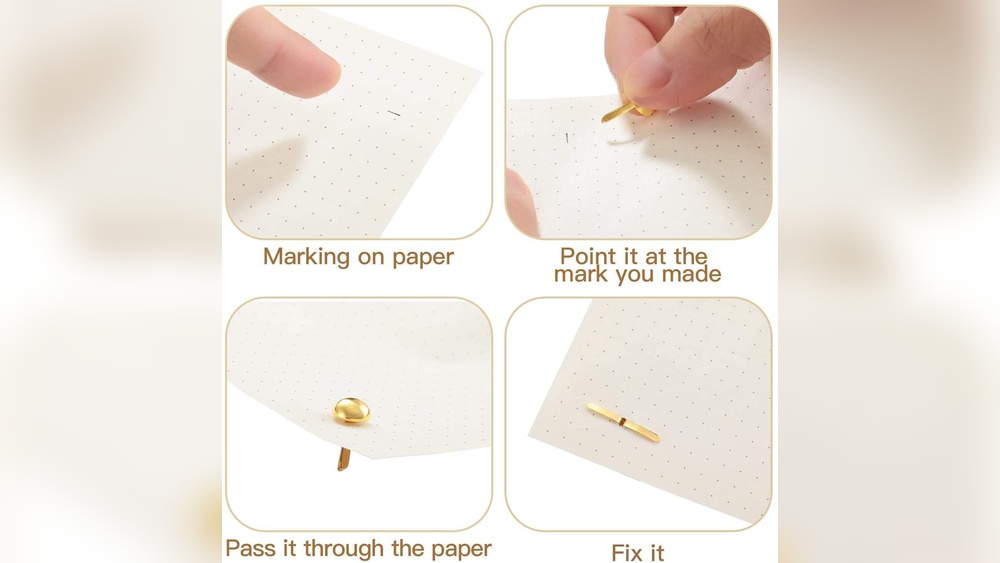
Are you struggling to find the right fasteners for your project? Round head fasteners might be exactly what you need.
They are simple, reliable, and perfect for many applications. But how do you use them correctly to get the best results? You’ll discover easy steps and expert tips to handle round head fasteners like a pro. Keep reading, and you’ll gain the confidence to choose, install, and secure your fasteners with ease.
Your next project just got a whole lot simpler.
Types Of Round Head Fasteners
Round head fasteners come in different types to fit various needs. Each type has specific features. Understanding these helps you pick the right fastener for your project. This section covers common materials, size variations, and head styles of round head fasteners.
Common Materials
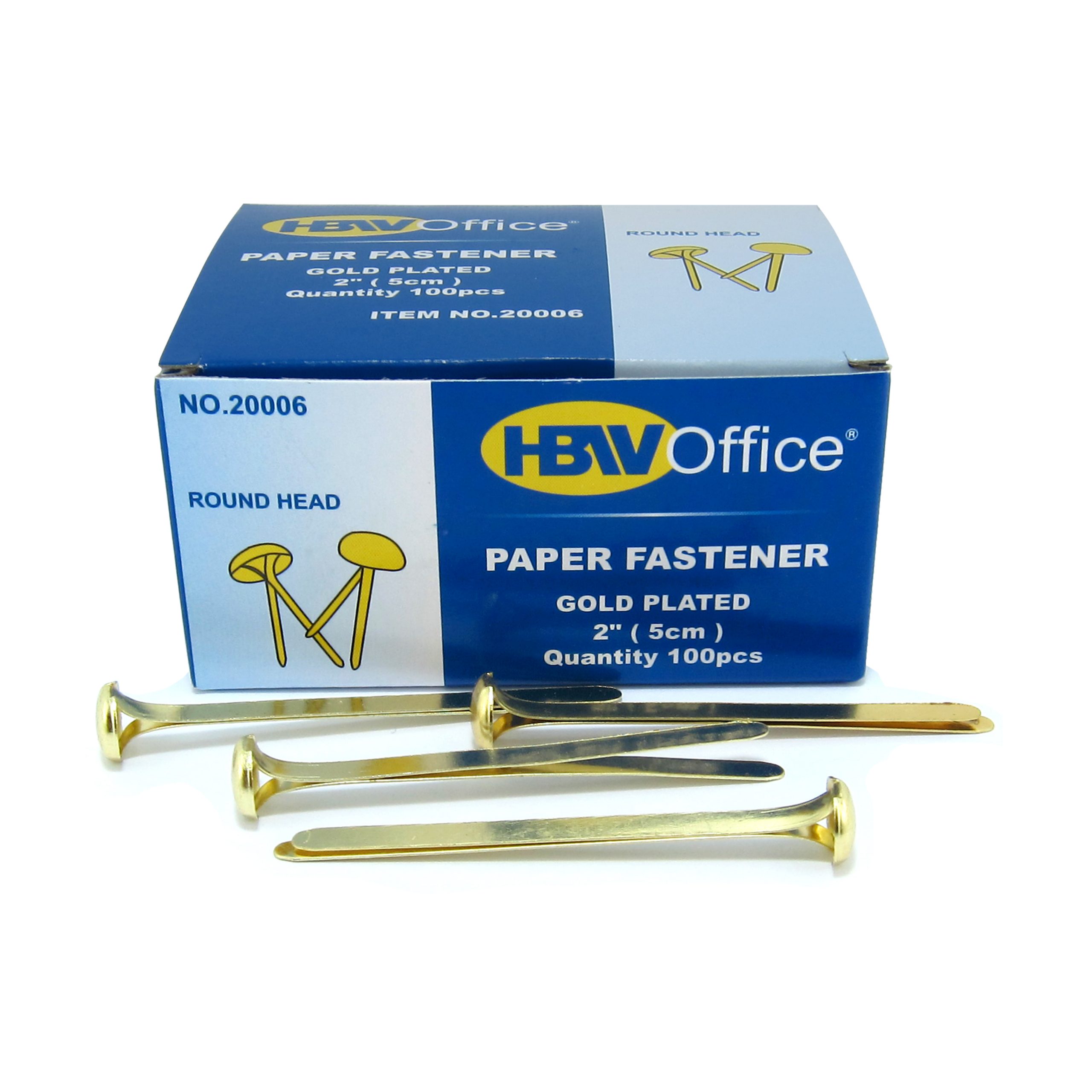
Round head fasteners are made from many materials. Steel is the most popular choice. It offers strength and durability. Stainless steel resists rust and works well outdoors. Brass adds a decorative touch and resists corrosion. Nylon fasteners are lightweight and non-conductive. Each material suits different environments and uses.
Size Variations
Fasteners come in many sizes. Length varies from short to long screws. Diameter also changes to fit different holes. Thread pitch affects how tightly it holds. Choose size based on the thickness and type of materials joined. Correct size ensures a strong, secure fit.
Head Styles
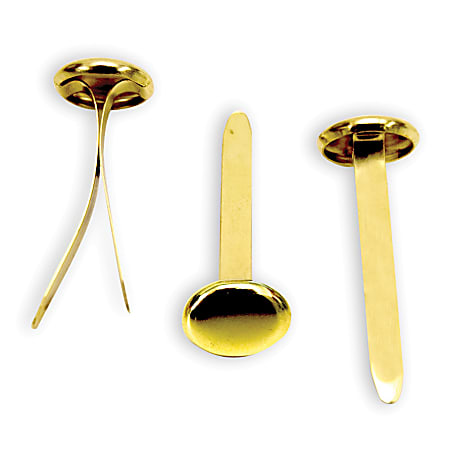
Round head fasteners have distinct head styles. Standard round heads are smooth and domed. Truss heads are wider with a low profile. Button heads are slightly flatter but still rounded. Each style offers different looks and holding power. Pick a head style that suits your tool access and appearance needs.
Choosing The Right Fastener
Choosing the right round head fastener is key for a strong and lasting hold. The right fastener fits the material, handles the load, and resists rust. This guide helps you pick the best fastener for your project.
Matching Fastener To Material
Different materials need different fasteners. Soft wood works well with screws that have coarse threads. Metal needs fasteners with fine threads for a tight grip. Using the correct fastener prevents damage and ensures a secure fit.
Load And Strength Considerations
Consider the weight the fastener must hold. Heavy loads require fasteners made from strong materials like steel. For lighter tasks, smaller or weaker fasteners can work. Always choose a fastener that matches the strength needs.
Corrosion Resistance
Fasteners exposed to moisture need protection from rust. Stainless steel and coated fasteners resist corrosion well. Using rust-resistant fasteners increases the life of your project. Avoid fasteners that rust easily for outdoor or wet areas.
Tools Needed For Installation
Installing round head fasteners requires specific tools to ensure a secure fit. Using the right tools helps avoid damage to the fastener or the material. This section covers the essential tools needed for proper installation.
Screwdrivers And Drivers
Screwdrivers are the most basic tools for installing round head fasteners. Choose a screwdriver that fits the fastener’s slot or cross shape perfectly. A poor fit can strip the fastener head. Drivers, including manual and powered versions, make the job faster and easier. Use a driver with adjustable speed for better control.
Drills And Bits
Drills help prepare holes for fasteners in harder materials. Use the correct drill bit size to match the fastener diameter. Too large a hole weakens the hold, too small makes insertion hard. Sharp, high-quality bits reduce the risk of damaging the material. Cordless drills offer portability and ease for various job sites.
Torque Wrenches
Torque wrenches control the tightness of round head fasteners. They prevent over-tightening, which can strip threads or break fasteners. Set the torque wrench to the recommended value for your fastener. This ensures a strong but safe hold. Torque wrenches come in manual and digital forms for easy use.
Credit: www.odpbusiness.com
Preparation Before Fixing
Preparation before fixing round head fasteners is essential for a strong hold. It ensures the fasteners fit well and last longer. Taking time to prepare the surface and materials can prevent common problems. Follow these steps carefully for the best results.
Surface Cleaning
Start by cleaning the surface where you will fix the fasteners. Remove dust, dirt, and grease. Use a cloth or brush to wipe the area thoroughly. A clean surface helps the fastener grip better and avoids slipping or loosening later.
Pilot Hole Drilling
Drill pilot holes before inserting round head fasteners. These holes guide the fastener and stop the material from splitting. Choose a drill bit slightly smaller than the fastener’s shaft. Drill straight and to the correct depth for a secure fit.
Measuring And Marking
Measure carefully to place fasteners in the right spot. Use a ruler or tape measure for accuracy. Mark spots with a pencil or marker. Correct placement keeps your project neat and ensures the fasteners hold evenly.
Step-by-step Fixing Process
The step-by-step fixing process with round head fasteners ensures strong and secure connections. Follow each step carefully to avoid errors and get the best results. This guide covers alignment, driving techniques, and common mistakes to avoid.
Aligning The Fastener
Start by placing the round head fastener in the hole or on the surface. Make sure it is straight and not tilted. Proper alignment helps the fastener hold tightly and prevents damage.
Check the position twice before driving the fastener. This saves time and effort later.
Driving Techniques
Use the correct tool for the fastener, such as a screwdriver or drill. Apply steady pressure and drive the fastener slowly at first. This keeps it from slipping or stripping the head.
Keep the tool aligned with the fastener to ensure a straight drive. Stop once the fastener is flush or slightly raised above the surface.
Avoiding Common Mistakes
Do not overtighten the fastener. It can strip the threads or break the material. Avoid driving the fastener at an angle; this weakens the hold.
Check for cracks or splits in the material before starting. Replace damaged fasteners to keep the fix strong and safe.
Credit: www.khs-hdh.de
Ensuring Secure And Durable Fixing
Ensuring a secure and durable fixing with round head fasteners is essential. These fasteners provide a smooth, rounded surface that resists damage and wears well over time. Proper use helps keep materials tightly joined, avoiding loosening or failure.
Small steps can make a big difference in the strength and lifespan of your fastening. Checking the tightness regularly, using washers and sealants, and performing maintenance all help maintain a strong hold.
Checking Tightness
Regularly check the tightness of round head fasteners. Over time, vibrations and movement can cause them to loosen. Use a suitable tool to ensure they remain snug. Tighten gently to avoid stripping threads or damaging materials. A firm hold prevents parts from shifting or falling apart.
Using Washers And Sealants
Washers spread the load and protect surfaces from damage. They also help prevent fasteners from loosening. Use flat or spring washers depending on the need. Sealants add extra protection by blocking moisture and dirt. This reduces rust and corrosion, extending the fastener’s life. Choose sealants compatible with the fastener material.
Regular Maintenance Tips
Inspect fastened joints regularly. Look for signs of rust, wear, or looseness. Clean any dirt or debris around the fasteners. Replace damaged or corroded parts promptly. Lubricate threads lightly to ease future tightening. Regular care keeps fasteners working well and extends their durability.
Troubleshooting Fixing Issues
Fixing issues with round head fasteners can slow down your project. Knowing how to solve common problems helps you save time and avoid frustration. This section covers key troubleshooting tips for common fixing issues.
Dealing With Stripped Heads
Stripped heads occur when the tool slips or the fastener is over-tightened. Use a rubber band between the tool and the fastener for extra grip. A small flathead screwdriver can sometimes turn a stripped round head. If the fastener is badly damaged, try using a screw extractor tool. Always apply steady pressure to avoid further stripping.
Fastener Loosening Solutions
Fasteners may loosen over time due to vibration or movement. Use thread-locking adhesive to keep them in place. Tighten fasteners with the correct torque to prevent loosening. Adding a washer under the round head can improve grip. Check fasteners regularly during maintenance to ensure they stay secure.
Handling Material Damage
Material damage around the fastener can weaken the fix. Avoid over-tightening to prevent cracking or deformation. Use a larger washer to spread the load on soft materials. If the hole is damaged, fill it with a strong filler before re-fastening. Replace damaged parts if the material cannot hold the fastener securely.

Credit: www.officesupply.com
Frequently Asked Questions
What Are Round Head Fasteners Used For?
Round head fasteners are mainly used for decorative and functional joining. Their rounded top provides a smooth finish. They work well in woodworking, metalwork, and machinery for a secure hold.
How Do You Install Round Head Fasteners?
To install, align the fastener with the pre-drilled hole. Use a screwdriver or drill to tighten it gently. Avoid over-tightening to prevent damage to the material or fastener.
What Materials Suit Round Head Fasteners Best?
Round head fasteners work well with wood, metal, and plastic. They provide strong connections and a neat appearance. Choose the fastener material based on your project’s durability and environmental needs.
Can Round Head Fasteners Be Reused?
Yes, round head fasteners can often be reused if not damaged. Carefully remove them with the appropriate tool to avoid stripping. Reuse saves cost and supports sustainable practices.
Conclusion
Round head fasteners offer strong and reliable connections. Choose the right size and material for your project. Tighten them carefully to avoid damage. Use the proper tools to make work easier. These fasteners fit many applications, from furniture to machinery.
Following simple steps ensures your work stays secure and lasts longer. Keep your workspace safe by handling fasteners with care. Practice makes perfect, so don’t rush the process. Small details matter in every fastening job.