Are your cabinet handles looking worn out or outdated? Changing the hardware on your cabinets is one of the quickest and easiest ways to refresh the look of your kitchen or bathroom without spending a fortune.
You don’t need to be a professional or have special tools to do it right. You’ll discover simple, step-by-step instructions that make the process smooth and satisfying. Keep reading, and you’ll be amazed at how a small change can transform your space and boost your confidence in home improvement.
Choosing The Right Hardware
Choosing the right hardware for your cabinets changes their look and feel. It can brighten a dull kitchen or give a modern touch to old furniture. Hardware includes knobs, pulls, and handles. Each style and finish can create a unique effect. Understanding your options helps make the best choice. Simple steps guide you to the perfect hardware for your space.
Types Of Cabinet Hardware
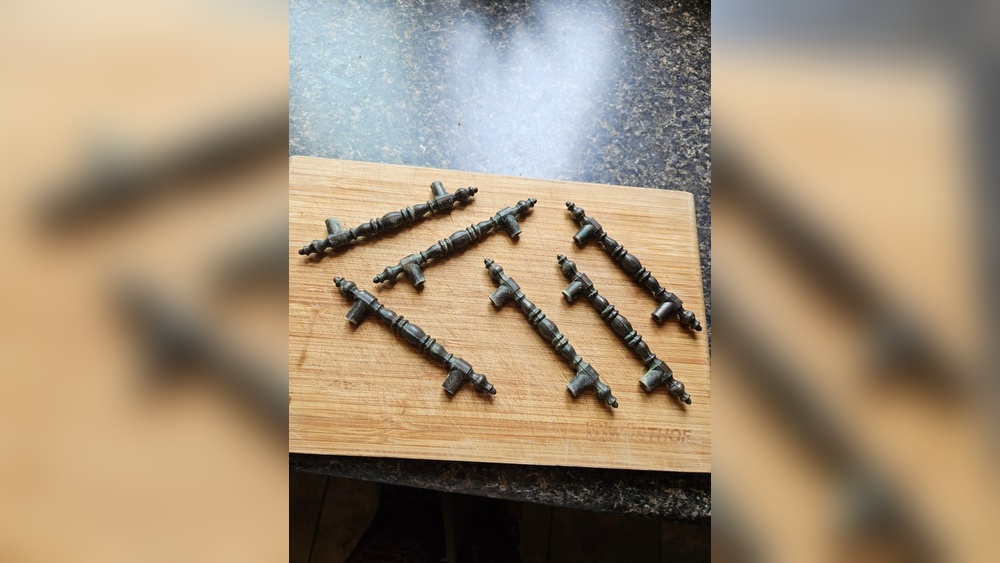
Cabinet hardware comes in many forms. Knobs are small and round or square. Pulls are longer bars or handles. Handles can be sleek or decorative. Each type fits different cabinet designs and uses. Knobs suit smaller doors and drawers. Pulls offer better grip for heavier cabinets. Choose based on how you use your cabinets daily.
Matching Hardware To Style
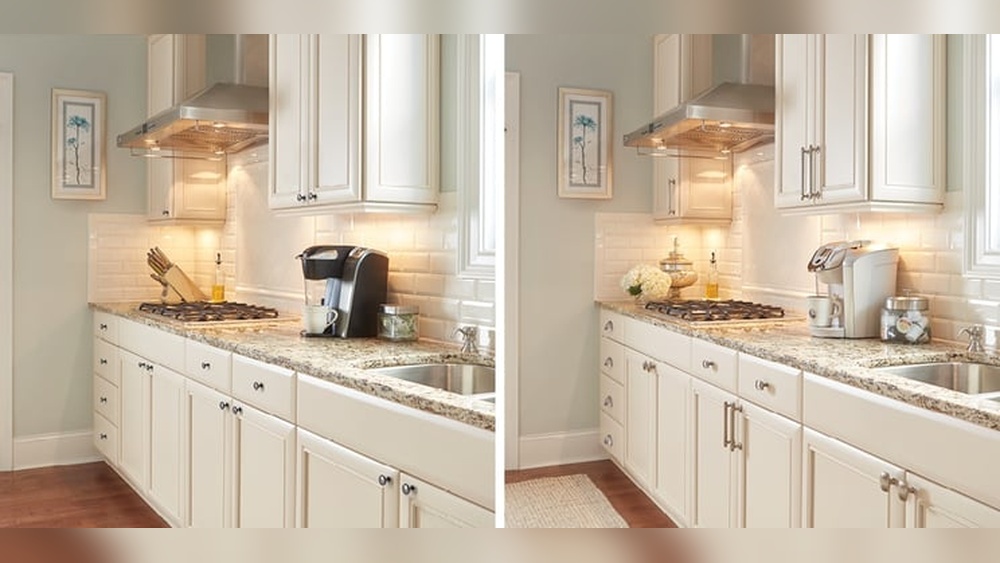
Hardware should match your room’s style. Modern kitchens look good with simple, clean hardware. Classic or traditional rooms need ornate or vintage styles. Rustic cabinets pair well with bronze or black metal. Mixing styles can confuse the eye. Keep hardware consistent for a polished look. Think about your cabinet color and room theme.
Selecting The Finish
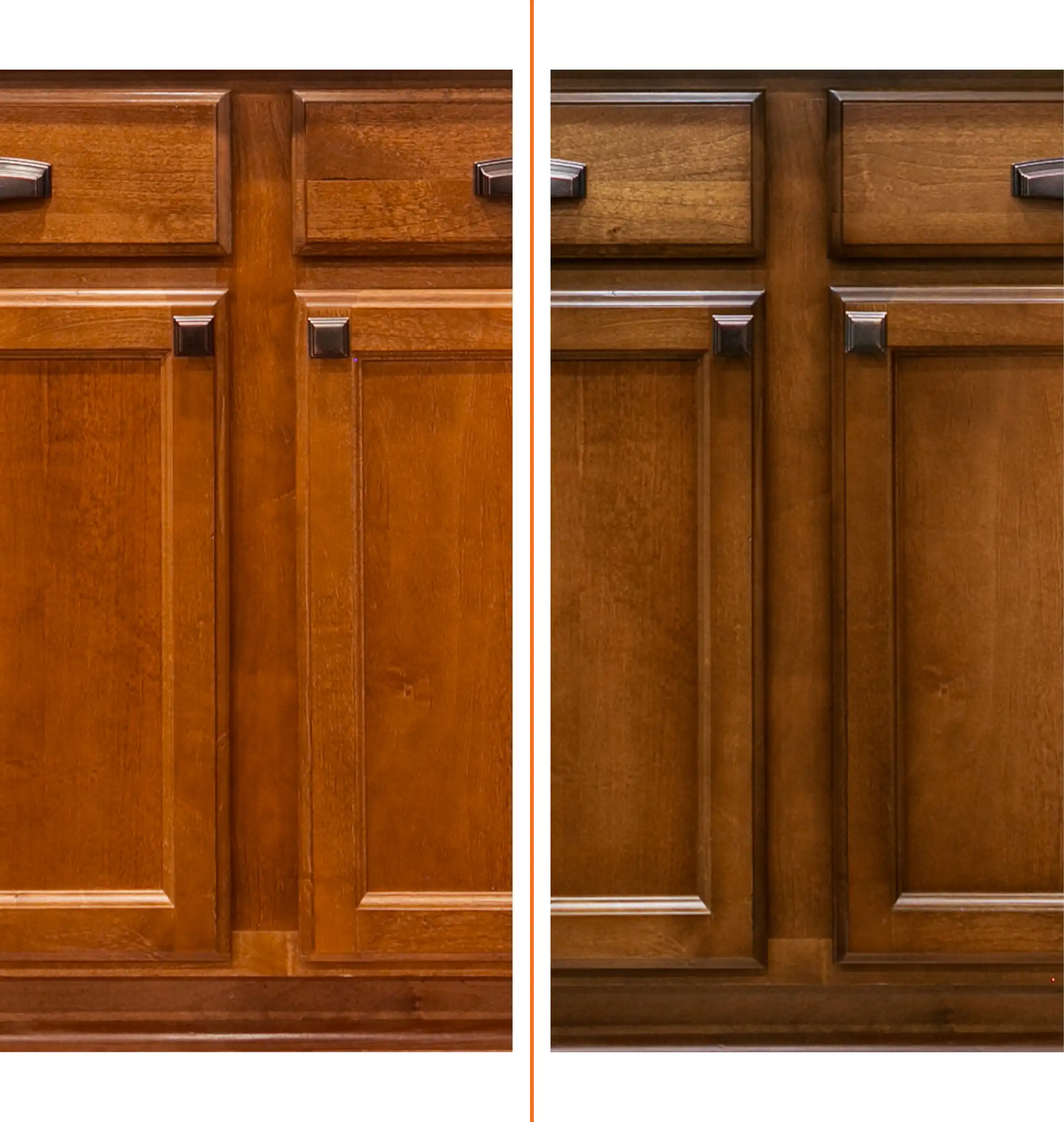
The finish affects the hardware’s look and durability. Popular finishes include chrome, brass, bronze, and nickel. Chrome and nickel offer a shiny, modern look. Brass and bronze add warmth and vintage charm. Matte finishes hide fingerprints and scratches well. Match the finish to other fixtures in the room. Choose a finish that fits your lifestyle and cleaning habits.

Credit: www.reddit.com
Gathering Necessary Tools
Start by collecting tools like a screwdriver, drill, and replacement hardware. These items make the cabinet hardware change easier and faster. Having everything ready helps avoid interruptions during the work.
Basic Tools Needed
Start by gathering the basic tools for changing cabinet hardware. You need a screwdriver that fits your screws well. Most cabinet screws use a Phillips head screwdriver.
A tape measure helps to check the hardware size and placement. A pencil is useful to mark holes for new hardware. A drill may be needed to make new holes or remove old screws easily.
Optional Tools For Efficiency
Some tools make the job faster and easier. A power screwdriver speeds up screw removal and installation. A level ensures new hardware aligns perfectly.
Use a small hammer to tap hardware gently if needed. A putty knife helps remove old glue or debris around hardware. These tools help keep your work clean and precise.
Removing Old Hardware
Removing old hardware is the first step in updating your cabinets. It prepares the surface for new handles and knobs. This process needs care to avoid damage to the cabinet doors and drawers. Start with the right tools and plan your work area well.
Preparing The Cabinets
Clear the cabinet doors and drawers. Remove any items inside to avoid mess. Lay down a cloth or paper to catch screws. Gather a screwdriver, pliers, and a small container for screws. Work in good light to see fasteners clearly.
Unscrewing Handles And Knobs
Turn the screws counterclockwise to loosen them. Hold the handle or knob firmly while unscrewing. Use a screwdriver that fits the screw head properly. Place screws in the container to keep them safe. Gently pull the hardware away from the cabinet surface.
Handling Stubborn Fasteners
Some screws may be tight or rusty. Apply a little oil or lubricant to loosen them. Let it sit for a few minutes. Use pliers to grip the screw head if the screwdriver slips. Avoid forcing screws to prevent damage to the wood. Work slowly and carefully to remove stubborn hardware.
Credit: www.nhance.com
Measuring And Marking
Measuring and marking are key steps when changing hardware on cabinets. Proper measurements ensure the new handles or knobs fit perfectly. Marking the spots clearly helps avoid mistakes during installation. Taking time here saves effort later.
Finding Existing Holes
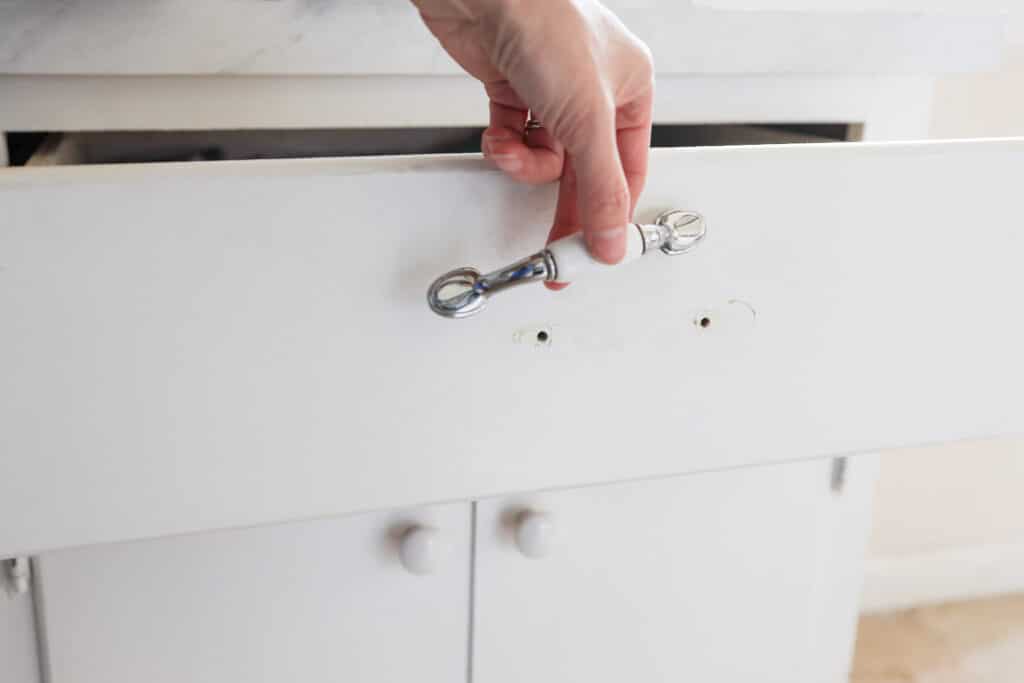
Start by looking for old holes in the cabinet doors or drawers. These holes show where the previous hardware was attached. Use a flashlight to spot them if needed. Align new hardware with these holes to avoid drilling new ones. This keeps the cabinet surface clean and neat.
Marking New Hardware Positions
When new holes are needed, measure carefully. Use a ruler or tape measure to find the exact spot for screws. Mark these points lightly with a pencil. Double-check the marks to keep hardware straight and level. Even small errors can cause handles to look crooked.
Using Templates For Accuracy
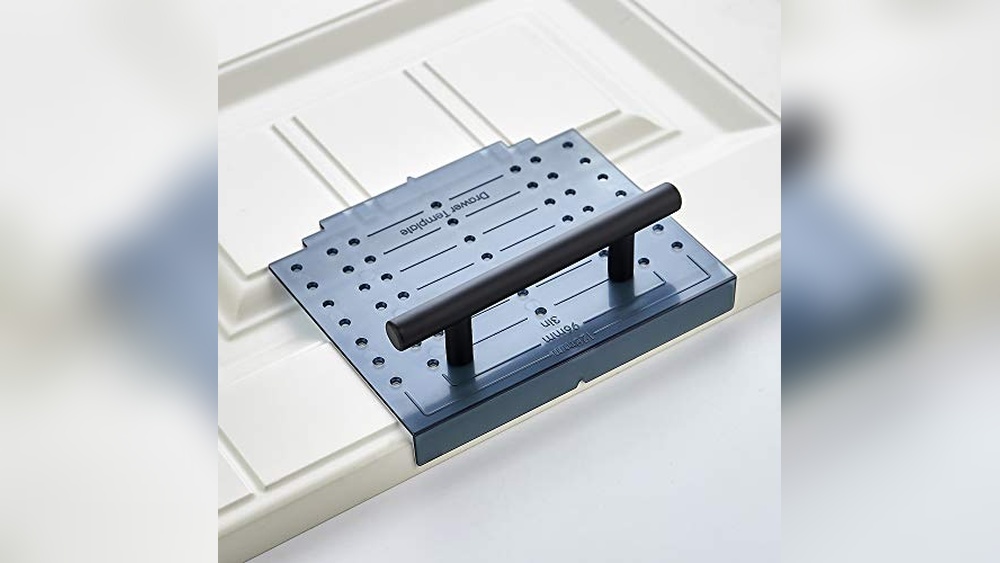
Templates make marking easier and more precise. Many hardware sets include paper or plastic templates. Place the template on the cabinet surface and align it correctly. Mark the drill holes through the template guides. Templates help keep all handles uniform and save time.
Installing New Hardware
Installing new hardware on cabinets can refresh the look of any room. It is a simple step that changes the style and feel instantly. Follow clear steps to ensure the hardware fits well and works smoothly.
Aligning Handles And Knobs
Start by placing the handles or knobs on the cabinet doors. Use a ruler or tape measure to find the exact spot. Mark the holes carefully with a pencil. This helps keep the hardware straight and balanced. Proper alignment makes the cabinet look neat and professional.
Securing With Screws
Insert screws through the back of the cabinet door into the hardware. Use a screwdriver to tighten the screws. Make sure they are snug but not too tight. Over-tightening can damage the cabinet or hardware. Tight screws keep the handles and knobs firmly in place.
Checking For Stability
After securing the hardware, test each handle and knob. Pull gently to check for any wobble or looseness. Tighten screws if needed to improve stability. Stable hardware lasts longer and feels better to use. It also prevents damage to the cabinet over time.
Finishing Touches
Finishing touches bring the new hardware and cabinets together. They make your work look clean and complete. Small details matter and give your cabinets a fresh, polished look. Take time to finish well.
Cleaning Cabinet Surfaces
Clean all cabinet surfaces after hardware installation. Use a soft cloth and mild cleaner. Avoid harsh chemicals that can damage paint or wood. Remove fingerprints, dust, and any leftover dirt. Clean surfaces make hardware stand out nicely.
Adjusting Hardware Fit
Check each handle and knob for proper fit. Tighten screws but do not over-tighten. Make sure hardware moves smoothly without wobbling. Align pieces evenly for a neat look. Well-fitted hardware feels sturdy and works well.
Maintaining Hardware Shine
Keep hardware shiny with regular gentle cleaning. Use a soft cloth to wipe fingerprints and smudges. Avoid abrasive cleaners that can scratch metal. Polish metal hardware occasionally to restore shine. Shiny hardware keeps cabinets looking new longer.
Troubleshooting Common Issues
Troubleshooting common issues during hardware changes on cabinets can save time and frustration. Problems like misaligned holes, loose hardware, or damaged cabinets often appear. Understanding how to address these issues helps keep your project smooth and successful.
Dealing With Misaligned Holes
Misaligned holes occur when new hardware doesn’t fit the old holes. Measure the distance between holes carefully before drilling. Use wood filler to cover old holes. Let it dry completely, then sand it smooth. Mark new hole positions precisely. Drill new holes slowly to avoid mistakes.
Fixing Loose Hardware
Loose hardware can cause doors or drawers to wobble. Check screws and tighten them with a screwdriver. If screws don’t hold, use longer screws or anchors. Filling the hole with a toothpick and glue can help. Let glue dry before reinserting screws. This strengthens the grip of the screws.
Replacing Damaged Cabinets
Damaged cabinets may need partial or full replacement. Remove hardware carefully to avoid more damage. Cut out damaged wood if small, then fill or patch it. For large damage, replace the entire cabinet panel. Choose materials that match the existing cabinet. Secure new panels firmly for lasting support.
Credit: semistories.semihandmade.com
Frequently Asked Questions
How Do I Remove Old Cabinet Hardware Safely?
Start by unscrewing the existing hardware with a screwdriver. Use gentle pressure to avoid damaging the cabinet surface. If screws are stuck, apply a lubricant. Keep the screws for reinstallation or replacement.
What Tools Are Needed To Change Cabinet Hardware?
You will need a screwdriver, drill, measuring tape, and pencil. A drill helps with new holes if hardware size changes. A level ensures hardware alignment. These tools make the process efficient and accurate.
Can I Reuse Old Hardware On Cabinets?
Yes, you can reuse old hardware if it’s in good condition. Clean it thoroughly before reinstalling. Check screws for rust or damage and replace them if needed. Reusing hardware saves money and maintains your cabinet’s style.
How Do I Measure For New Cabinet Hardware?
Measure the distance between existing screw holes, called the center-to-center measurement. Use a tape measure or ruler for accuracy. This ensures the new hardware fits without drilling new holes. Always double-check measurements before buying.
Conclusion
Changing cabinet hardware can refresh any room quickly and affordably. Choose handles and knobs that match your style and needs. Measure carefully before removing old hardware to avoid mistakes. Use basic tools and take your time for best results. Small upgrades make a big difference in your space.
Enjoy the new look and feel of your cabinets today. Simple steps lead to satisfying home improvements. Try it yourself and see the change happen.