Are your cabinet handles looking dull and tarnished? It’s frustrating when your beautiful cabinets are let down by hardware that has lost its shine.
But don’t worry—cleaning tarnished cabinet hardware is easier than you think. You’ll discover simple, effective ways to restore that sparkle and make your cabinets look brand new again. Keep reading, and you’ll learn how to bring back the shine without spending a fortune or hiring a pro.
Your cabinets deserve to look their best, and you’re just a few steps away from making that happen.
Identify Tarnish Types
Tarnish on cabinet hardware can look different, such as dark spots or a dull finish. Knowing the type helps you choose the right cleaning method. Some tarnishes need gentle cleaning, while others require stronger solutions.
Tarnish on cabinet hardware can look different depending on the metal and cause. Knowing the type helps you choose the best cleaning method.
Each tarnish type has unique colors and textures. Recognizing these signs makes cleaning easier and more effective.
Black Tarnish
Black tarnish usually appears on silver or nickel hardware. It looks like a dark, dull layer covering the metal. This form happens due to sulfur in the air reacting with the metal.
Green Tarnish
Green tarnish often shows on copper or brass hardware. It looks like a greenish or bluish film. This happens when the metal reacts with moisture and oxygen over time.
White Or Gray Tarnish
White or gray tarnish can appear on aluminum or zinc parts. It looks like a chalky or powdery substance on the surface. This occurs from exposure to water or cleaning chemicals.
Rust Spots
Rust spots show as reddish-brown patches, mostly on iron or steel hardware. Rust forms when metal meets water and oxygen, causing corrosion.
Gather Cleaning Supplies
Gathering the right cleaning supplies is the first step to restore cabinet hardware. Having everything ready makes the process smooth and quick. It prevents unnecessary interruptions during cleaning.
Focus on gentle, effective tools and cleaners. Avoid harsh chemicals that can damage the metal. Choose products suitable for the type of hardware you have. Different metals need different care.
Basic Cleaning Tools
Soft cloths and microfiber towels are essential. They clean without scratching the surface. A soft toothbrush helps reach tight spots and crevices. Use a small bowl to hold cleaning solutions.
Cleaning Solutions
Mild dish soap mixed with warm water works well. White vinegar can remove tarnish from brass and copper. Baking soda creates a gentle abrasive paste. Lemon juice adds natural shine and freshness.
Protective Gear
Wear gloves to protect your hands. Some cleaning ingredients may irritate the skin. Use old towels or newspapers to protect your workspace. Keep a mask handy if you are sensitive to smells.
Remove Hardware Safely
Removing cabinet hardware safely is the first step to clean tarnished pieces. Taking them off carefully prevents damage to both the hardware and the cabinet. This step saves time and effort during cleaning and reinstallation.
Handle the screws and pieces gently. Keep track of small parts to avoid losing them. Use the right tools for the job.
Gather The Right Tools
Use a screwdriver that fits the screws well. This avoids stripping the screw heads. A small container helps keep screws safe. Have a soft cloth ready to protect cabinet surfaces.
Protect Cabinet Surfaces
Place a towel or cloth under the hardware area. This prevents scratches or dents. Work slowly and carefully to avoid slips. Protecting the cabinet keeps it looking new.
Remove Screws Carefully
Turn screws counterclockwise to loosen them. Apply steady, gentle pressure. Avoid forcing screws to prevent damage. Keep screws in a container for safekeeping.
Handle Hardware Gently
Lift hardware pieces carefully from the cabinet. Do not pull or twist hard. Use both hands for larger pieces. Gentle handling preserves their shape and finish.

Credit: www.reddit.com
Use Natural Cleaners
Cleaning tarnished cabinet hardware can be simple and safe with natural cleaners. These methods use common household items that are gentle on metal. They restore shine without harsh chemicals. Natural cleaners are eco-friendly and cost-effective. Try these easy techniques to bring back your hardware’s beauty.
Lemon And Baking Soda
Mix lemon juice with baking soda to make a paste. Apply it to the tarnished hardware with a soft cloth. Let it sit for 5 to 10 minutes. Gently scrub the surface to remove tarnish. Rinse with warm water and dry well. This mix brightens metal and removes stains naturally.
Vinegar Soak
Soak small hardware pieces in white vinegar for 15 to 30 minutes. Vinegar breaks down tarnish and grime. After soaking, scrub lightly with a soft brush or cloth. Rinse thoroughly with water. Dry each piece to stop water spots. This method works well for brass and copper hardware.
Salt And Aluminum Foil Method
Line a bowl with aluminum foil, shiny side up. Add hot water and mix in 1 tablespoon salt. Place tarnished hardware in the bowl. Let it soak for a few minutes. The salt and foil create a chemical reaction that removes tarnish. Rinse parts with water and dry them carefully. This trick is great for silver hardware.
Apply Commercial Cleaners
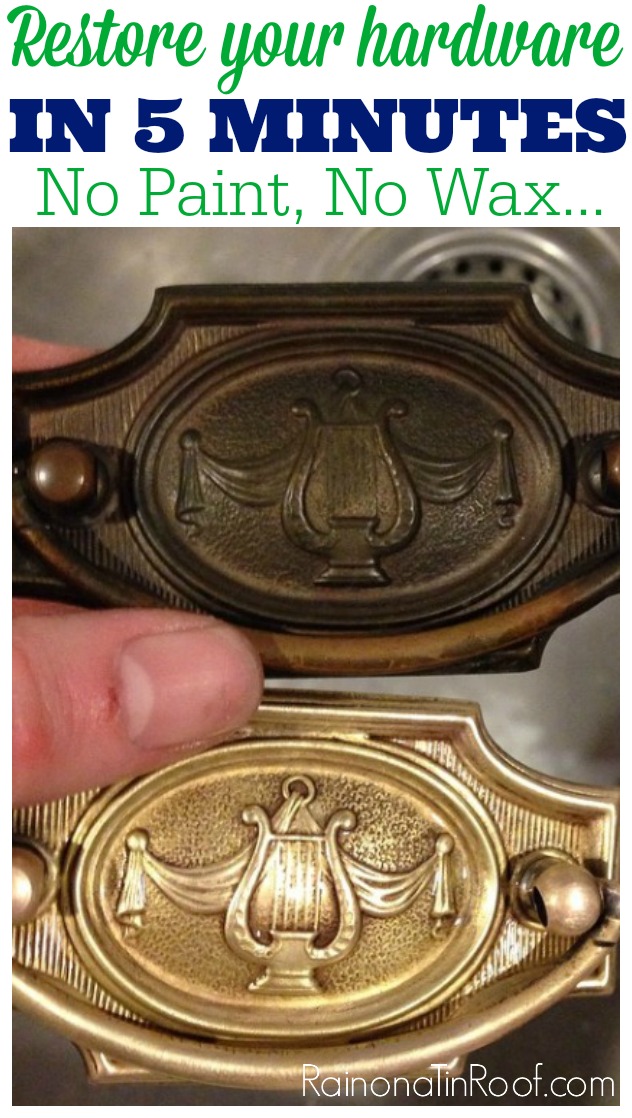
Cleaning tarnished cabinet hardware can be quick with commercial cleaners. These products are made to remove tarnish and restore shine fast. They work well on metals like brass, bronze, and nickel. Using the right cleaner saves time and effort.
Choosing The Right Product
Select a cleaner that fits your hardware’s metal type. Some cleaners work better on brass, others on chrome. Check the label for metal compatibility. Avoid harsh chemicals on delicate finishes. Pick a product with clear instructions. Look for non-toxic and eco-friendly options if possible.
Application Tips
Wear gloves to protect your skin from chemicals. Apply the cleaner with a soft cloth or sponge. Rub gently in circular motions to lift tarnish. Let the cleaner sit for the time stated on the label. Rinse thoroughly with water after cleaning. Dry the hardware well to prevent water spots. Repeat the process for tough tarnish. Always test the cleaner on a small hidden area first.
Credit: rainonatinroof.com
Polish And Protect
Polishing and protecting cabinet hardware keeps it looking shiny and new. This step removes any leftover tarnish and adds a layer to stop future damage. Proper care helps your hardware last longer and stay attractive.
Buffing Techniques
Start with a soft cloth or microfiber towel. Use small, circular motions to polish the surface gently. Avoid harsh scrubbing that can scratch the metal. For stubborn spots, try a little metal polish on the cloth. Work carefully until the shine returns. Always wipe off excess polish to avoid residue build-up.
Applying Protective Coating
After polishing, apply a thin layer of protective coating. Use clear wax or a special metal sealant made for hardware. This coating blocks moisture and air that cause tarnishing. Apply with a clean cloth or brush, covering all areas evenly. Let it dry fully before touching or using the hardware. Reapply the coating every few months for best results.
Prevent Future Tarnish
Keeping cabinet hardware shiny and clean takes effort. Preventing future tarnish is key to saving time and work. Simple habits can protect metal surfaces and keep them bright longer.
Regular care and controlling the environment around your hardware help slow down tarnish. These steps keep your cabinets looking fresh and new.
Regular Maintenance
Wipe hardware often with a soft cloth. This removes dust and oils that cause tarnish. Use a mild soap solution for deeper cleaning. Avoid harsh chemicals that can damage metal. Dry hardware thoroughly after cleaning to stop moisture buildup. Small, regular cleanings prevent heavy tarnish buildup over time.
Environmental Control
Keep cabinets away from moisture and humidity. Use dehumidifiers in damp rooms to reduce rust risk. Avoid placing hardware near cooking steam or water splashes. Good ventilation helps air circulate and keeps metal dry. Consider using wax or clear sealant for extra protection. A dry, clean environment slows tarnish and protects your hardware.

Credit: www.reddit.com
Frequently Asked Questions
How Do I Remove Tarnish From Cabinet Hardware?
To remove tarnish, soak hardware in a vinegar and water solution for 15 minutes. Then, scrub gently with a soft brush and dry thoroughly to restore shine.
What Household Items Clean Tarnished Cabinet Handles?
Common items like baking soda, lemon juice, and vinegar effectively clean tarnished hardware. Mix them into a paste or solution, apply, then scrub and rinse for best results.
Can I Clean Tarnished Hardware Without Removing It?
Yes, you can clean hardware in place using a soft cloth and gentle cleaner. Avoid harsh chemicals and use a toothbrush for detailed areas to protect finishes.
How Often Should I Clean Tarnished Cabinet Hardware?
Clean hardware every few months to prevent heavy tarnish build-up. Regular light cleaning keeps the metal bright and extends the hardware’s lifespan.
Conclusion
Cleaning tarnished cabinet hardware can refresh your entire kitchen. Use simple household items like vinegar, baking soda, or lemon. Gently scrub to avoid damage and restore shine. Regular cleaning keeps hardware looking new longer. Small efforts save money on replacements.
Try these easy steps and see the difference yourself. Your cabinets deserve this simple care. Enjoy a brighter, cleaner space today.