Have you ever wondered if a nut is really a fastener? It’s a question that might seem simple but can actually change the way you understand basic tools and hardware.
Whether you’re fixing something at home or just curious about how things hold together, knowing the answer can save you time and frustration. You’ll discover exactly what makes a nut a fastener and why it matters for your projects. Keep reading—you’ll be surprised by how important this small piece can be!
Credit: www.electronicfasteners.com
What Is A Nut?
A nut is a small but important part used in many projects. It is a type of fastener that holds parts together. Nuts work with bolts or screws to create strong joints. Understanding what a nut is helps in choosing the right tool for the job.
Basic Characteristics
Nuts are usually small metal pieces with a hole in the middle. The hole has threads inside. These threads match the threads on a bolt or screw. When twisted onto a bolt, the nut tightens and holds parts firmly. Nuts come in many sizes and shapes to fit different bolts. They are made from steel, brass, or plastic. Nuts resist loosening from movement or vibration. This makes them reliable in many uses.
Common Types
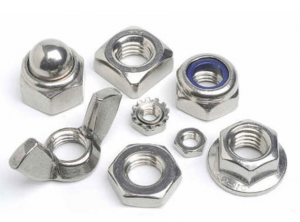
There are many types of nuts for different needs. Hex nuts are the most common, shaped like a hexagon with six sides. Wing nuts have two “wings” for hand tightening. Lock nuts have special shapes or inserts to stop loosening. Cap nuts cover the bolt end for safety and neat looks. Each type serves a unique purpose in fastening tasks.

Credit: www.youtube.com
What Makes A Fastener?
A fastener is a device that joins two or more objects together. It holds parts firmly in place. Fasteners are essential in construction, machinery, and everyday items. Understanding what makes a fastener helps us identify different tools like nuts, bolts, and screws.
Key Features
Fasteners must be strong and reliable. They create a secure connection that resists movement. Most fasteners are made from metal or durable materials. They often have threads or shapes that lock parts tightly. Easy installation and removal are important traits too. A good fastener provides stability and safety in many applications.
Different Categories
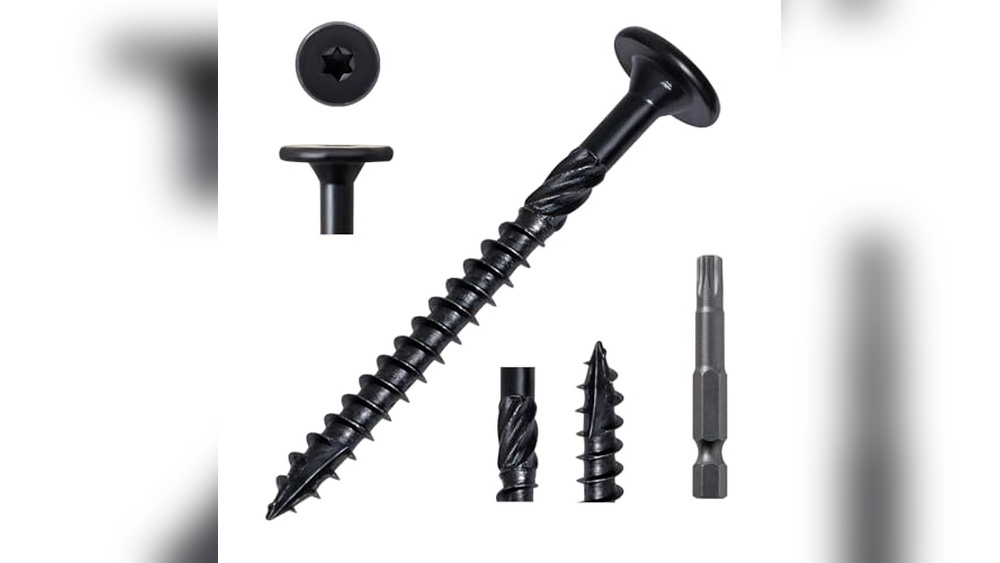
Fasteners come in many types and sizes. Common categories include screws, bolts, nuts, washers, and rivets. Screws and bolts use threads to hold parts. Nuts pair with bolts to lock pieces together. Washers protect surfaces and distribute pressure. Rivets permanently join materials by deforming the fastener’s end. Each type serves a specific purpose in fastening tasks.
How Nuts Function In Fastening
Nuts are small but powerful parts in many assemblies. They hold pieces tightly together. Their design makes them essential for strong and safe connections. Understanding how nuts work helps you see their value in fastening.
Role In Assembly
Nuts secure parts by clamping them together. They create a firm grip that stops movement. This grip prevents loosening from vibrations or pressure. Nuts also help spread the force evenly. This protects the materials and keeps the joint strong.
Interaction With Bolts
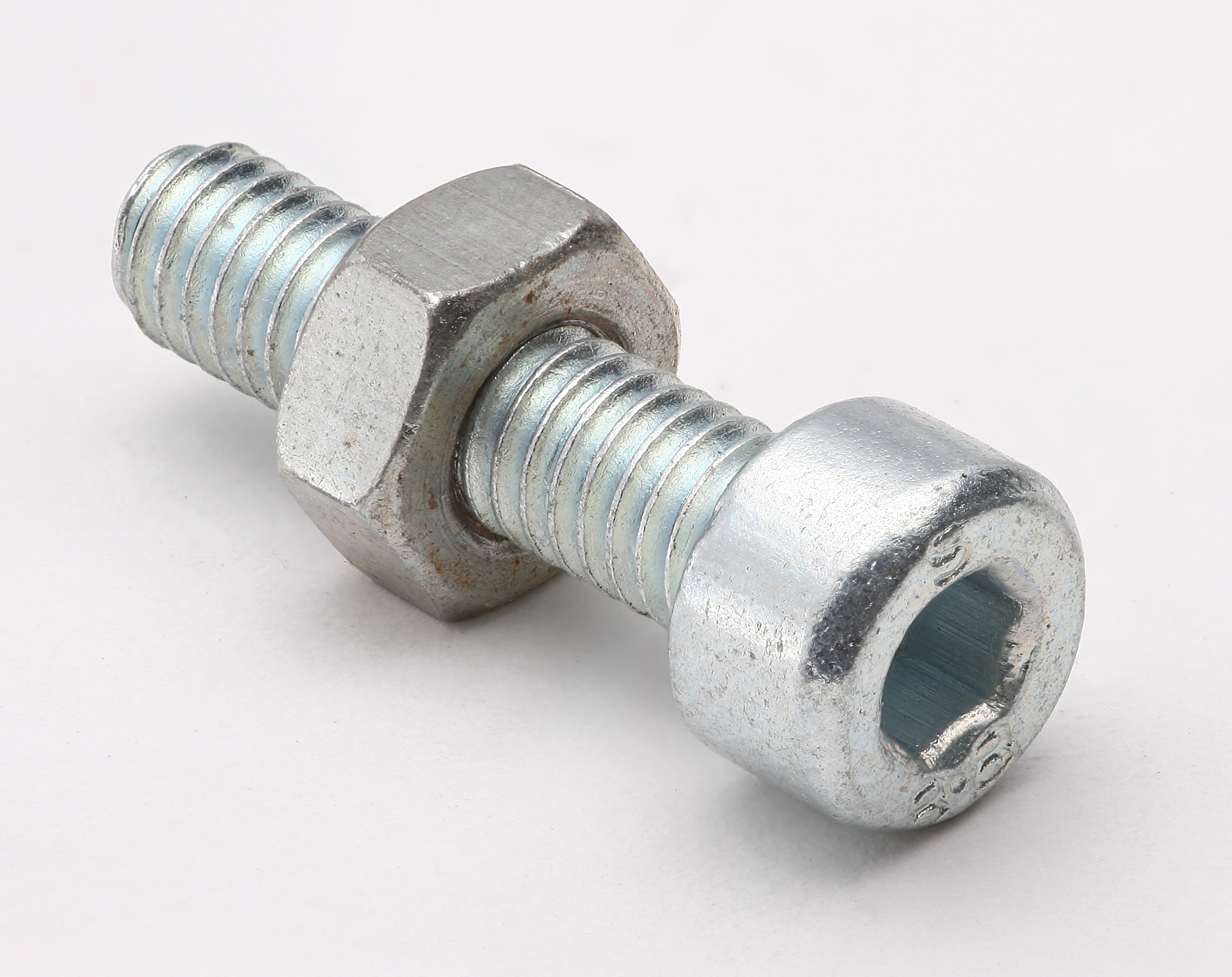
Nuts work by threading onto bolts. The threads lock both parts in place. Turning the nut tightens the bolt and pulls parts closer. This action creates a strong bond between components. Together, nuts and bolts form a reliable fastening system.
Comparing Nuts To Other Fasteners
Fasteners hold parts together. Nuts are one type of fastener. Comparing nuts to other fasteners helps understand their use. Each fastener has a unique role in construction and repair. Knowing these differences aids in choosing the right fastener for any job.
Bolts Vs. Nuts
Bolts are long metal rods with threads on one end. Nuts are small pieces with internal threads. Nuts fit onto bolts to lock parts in place. Bolts need nuts to work properly. Nuts alone do not hold parts together. They rely on bolts to secure objects tightly.
Screws And Rivets
Screws have threads along their entire length. They screw directly into materials without nuts. Screws create their own grip in wood or metal. Rivets are permanent fasteners. They join materials by deforming their tail end. Rivets do not need nuts or bolts. They are used when a strong, permanent hold is required.
Common Uses For Nuts
Nuts are small but strong parts used with bolts or screws. They hold things tightly together. Nuts come in many shapes and sizes. They are found in many places and tools. Understanding where nuts are used helps to see their importance.
Industrial Applications
Nuts play a big role in factories and machines. They keep metal parts joined firmly. Heavy machines need nuts that do not loosen. Cars, airplanes, and bridges use nuts for safety. Nuts help in building tall structures. They hold beams and frames with great strength.
Everyday Items
Nuts are also in many things at home. Furniture like tables and chairs use nuts. Bikes and scooters have nuts to keep parts steady. Electronics and appliances have small nuts inside. Even toys and tools rely on nuts for assembly. Nuts make sure everyday items stay fixed and work well.
Materials And Strength Of Nuts
Nuts are small but strong parts used to hold things together. Their strength depends on the materials they are made from. Different materials give nuts different levels of toughness and durability. This affects how well they work in various jobs.
Choosing the right material is key to making sure the nut fits the need. It affects how the nut handles pressure, heat, and weather. Understanding these materials helps in picking the best nut for each task.
Types Of Materials
Nuts come in many materials. Steel is common and strong. Stainless steel resists rust and works well outside. Brass is soft but stops corrosion. Nylon nuts are light and resist chemicals. Each material suits different needs and uses.
Impact On Performance
The material type changes how a nut performs. Steel nuts hold tight under heavy loads. Stainless steel works well in wet or salty places. Brass nuts last long with little rust. Nylon nuts offer flexibility and resist damage from acids. The right material keeps the nut safe and reliable.
Choosing The Right Nut
Choosing the right nut is key for a strong and safe connection. Nuts come in many sizes and types. Picking the correct one helps avoid problems like loosening or damage. Focus on size and threading first. Then consider where and how you will use the nut.
Size And Threading
Match the nut size to the bolt or screw size. The nut must fit perfectly on the threads. Threads have different pitches and shapes. Choose a nut with the same thread pitch as the bolt. This ensures tight and secure fastening. Avoid nuts that are too big or too small.
Application Considerations
Think about where the nut will be used. Some nuts resist rust and weather well. Others work better for high heat or heavy loads. Choose a nut material that fits your project needs. Also, consider if the nut needs to be tightened often or stay fixed. This affects the nut type you pick.
Credit: en.wikipedia.org
Frequently Asked Questions
Is A Nut Considered A Fastener In Construction?
Yes, a nut is a fastener. It secures bolts and screws by threading onto them. Nuts hold parts tightly together in various assemblies.
How Does A Nut Function As A Fastener?
A nut fastens by threading onto a bolt or screw. It creates a strong clamping force that holds materials in place securely.
What Types Of Nuts Are Commonly Used As Fasteners?
Common nuts include hex nuts, lock nuts, and wing nuts. Each type serves a specific fastening purpose for different applications.
Can Nuts Be Reused As Fasteners?
Yes, nuts can often be reused if they are not damaged. However, worn threads may reduce their fastening strength and reliability.
Conclusion
A nut is a type of fastener used with bolts or screws. It helps hold parts tightly together. Nuts come in many shapes and sizes for different jobs. They work by threading onto a bolt’s shaft. This creates strong pressure to keep items secure.
Understanding nuts helps in choosing the right fastener. Simple tools can tighten or loosen them easily. Nuts play an important role in construction and repairs. They make connections stable and safe. So yes, a nut is definitely a fastener.