Your kitchen cabinets hardware—those handles, knobs, and pulls—may seem small, but they make a big difference in how your kitchen looks and feels. Over time, dirt, grease, and grime build up, dulling their shine and making your kitchen look less fresh.
If you’ve ever wondered how to clean kitchen cabinets hardware quickly and effectively, you’re in the right place. Keep reading, because with a few simple steps, you’ll bring back that sparkle and make your kitchen feel brand new again.
Types Of Cabinet Hardware
Cabinet hardware plays a key role in kitchen design and function. Different types of hardware serve various purposes and styles. Knowing these types helps in proper cleaning and maintenance.
Knobs And Pulls
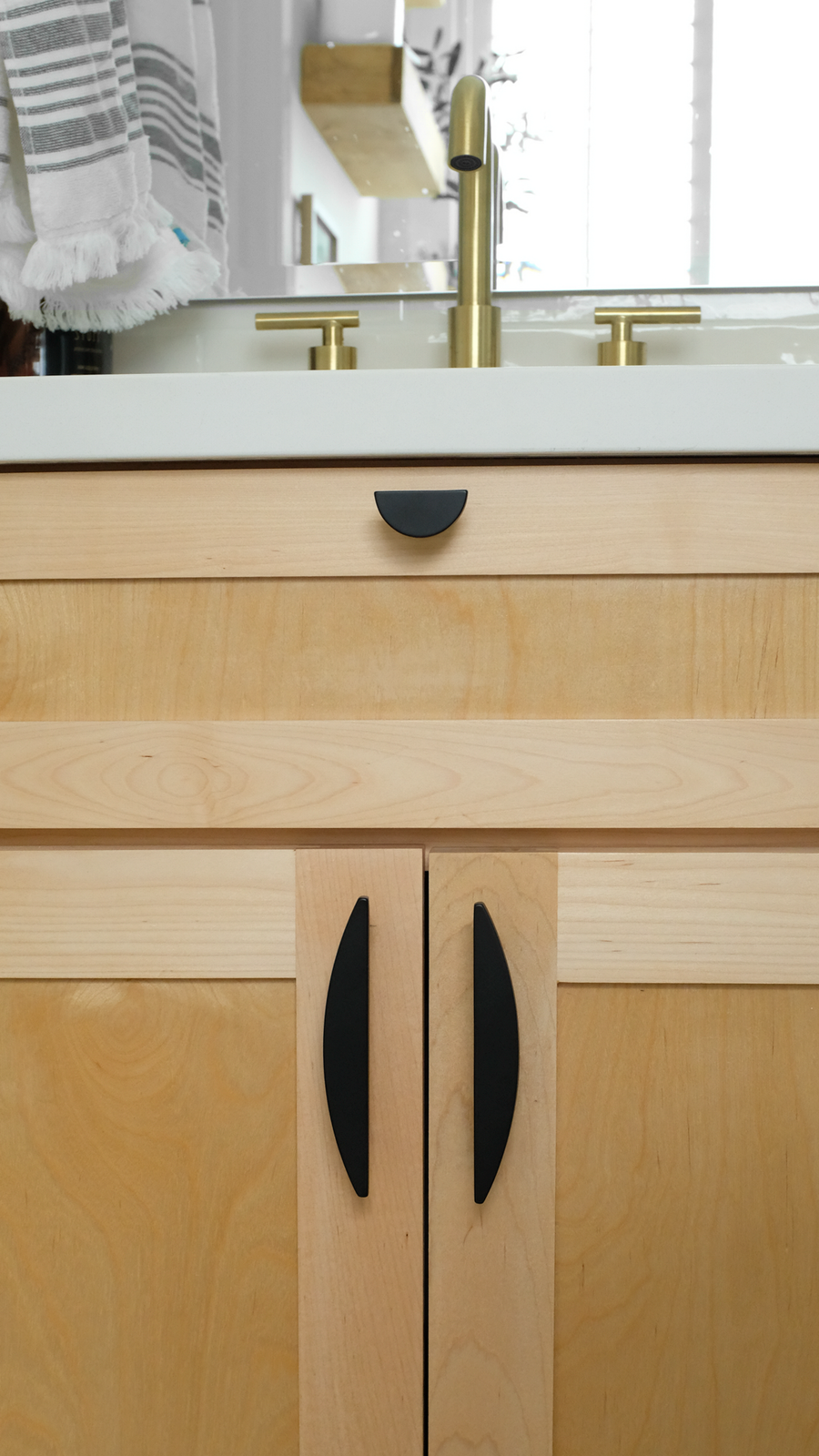
Knobs are small, round pieces attached to cabinet doors. They are easy to grip and simple to clean. Pulls are longer handles that provide more space for fingers. Both add style and make opening cabinets easier.
Hinges And Handles
Hinges connect cabinet doors to the frame. They allow doors to swing open and close smoothly. Handles are usually larger than knobs and pull the door open. Both need regular cleaning to avoid dirt build-up.
Materials And Finishes
Cabinet hardware comes in many materials like metal, plastic, and wood. Common finishes include chrome, brass, and matte black. Each material needs different cleaning methods to keep it shiny and damage-free.
Gathering Cleaning Supplies
Gathering the right supplies makes cleaning kitchen cabinet hardware easier. Having everything ready saves time and avoids frustration. Proper tools and solutions protect your hardware from damage. Follow these tips to prepare your cleaning kit.
Essential Tools
Soft cloths or microfiber towels work best for cleaning. Use a small brush or old toothbrush to reach tight spots. A bowl or bucket helps mix cleaning solutions. Gloves protect your hands from chemicals and grime. Paper towels or cotton swabs assist in drying and detailing.
Safe Cleaning Solutions
Mild dish soap mixed with warm water cleans most hardware safely. White vinegar diluted with water removes tough grime and grease. Baking soda paste gently scrubs without scratching surfaces. Avoid harsh chemicals that can strip finishes or cause discoloration.
Items To Avoid
Steer clear of abrasive scrubbers like steel wool or rough sponges. Bleach and ammonia can damage the metal and wood. Avoid acidic cleaners on delicate finishes to prevent corrosion. Harsh chemicals harm both hardware and cabinet surfaces. Stick to gentle, proven cleaning options only.
Preparing The Cabinets
Preparing your kitchen cabinets is the first step before cleaning the hardware. It helps avoid damage and makes the process easier. Take your time with this stage to protect the cabinets and ensure a smooth cleaning.
Removing Hardware Safely
Start by gathering the right tools, like a screwdriver. Unscrew handles and knobs carefully. Keep the screws and hardware in a small container to avoid losing them. Avoid using force to prevent scratches or dents. If the hardware is stuck, use a little oil to loosen it gently.
Protecting Surrounding Surfaces
Cover areas around the hardware with painter’s tape. This step shields the cabinet finish from cleaning liquids. Use old cloths or paper towels to catch drips. Avoid harsh chemicals that can damage paint or wood. Protecting these surfaces keeps your cabinets looking new.

Credit: www.reddit.com
Cleaning Techniques
Cleaning kitchen cabinet hardware is simple with the right techniques. Proper cleaning removes dirt, grease, and stains. It keeps your hardware looking fresh and new. Use safe and effective methods to protect the material. Here are three easy techniques to clean your cabinet hardware well.
Soaking And Scrubbing
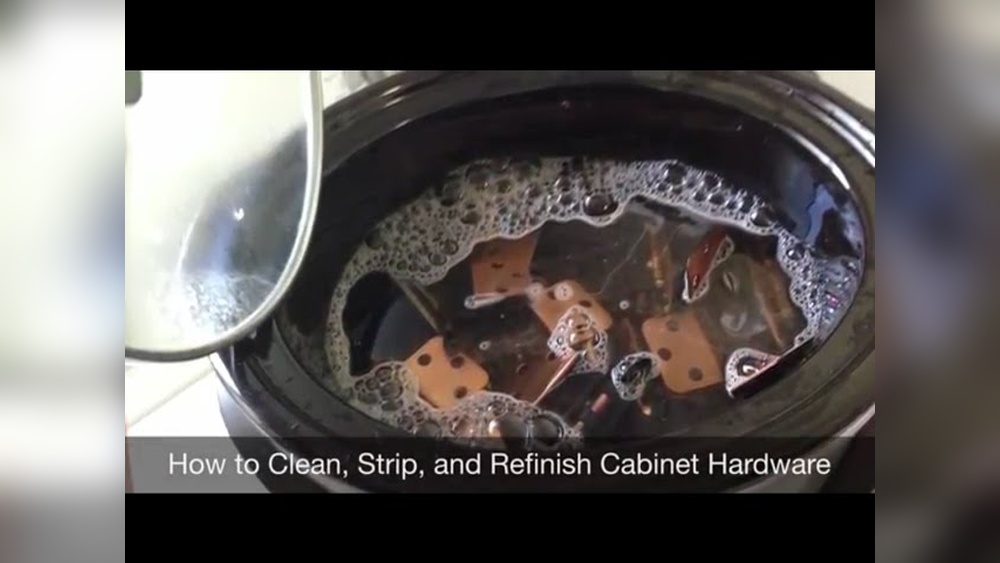
Start by removing the hardware from cabinets. Soak them in warm, soapy water for 15 to 20 minutes. This loosens stuck-on grime and grease. Use a soft brush or old toothbrush to scrub gently. Focus on crevices and detailed areas. Rinse well with clean water and dry with a soft cloth.
Using Vinegar And Baking Soda
Mix equal parts white vinegar and water in a bowl. Soak a cloth or sponge in the solution and wipe the hardware. For tough stains, sprinkle baking soda on the hardware first. Then scrub with the vinegar solution. This natural method breaks down dirt and brightens metal. Rinse and dry thoroughly after cleaning.
Polishing For Shine
After cleaning, polish hardware to restore shine. Use a metal polish or a small amount of olive oil on a soft cloth. Rub the hardware gently in circular motions. Buff with a clean cloth until shiny. Polishing adds protection and keeps hardware looking new longer.
Dealing With Stubborn Stains
Stubborn stains on kitchen cabinet hardware can be tough to remove. These marks often come from rust, tarnish, grease, and grime. Cleaning these stains requires patience and the right approach. Using the proper methods restores shine and keeps your hardware looking new.
Rust And Tarnish Removal
Rust forms when metal reacts with moisture over time. Tarnish appears as a dull film on brass or copper. Start by wiping the hardware with a soft cloth. Apply a paste made from baking soda and water. Rub gently to avoid scratching the surface. Let it sit for 10 minutes before rinsing with warm water. Dry the hardware completely to stop new rust. For heavy rust, use white vinegar. Soak a cloth in vinegar and wrap it around the hardware. Leave it for 30 minutes, then scrub lightly with a brush. Rinse and dry well. Regular cleaning prevents rust and tarnish buildup.
Grease And Grime Solutions
Grease and grime come from cooking oils and dirt. They stick to handles and knobs easily. Use a mild dish soap mixed with warm water. Dip a soft cloth into the solution and wipe the hardware. For sticky spots, use an old toothbrush to scrub gently. Avoid harsh chemicals that can damage finishes. Rinse with a clean damp cloth to remove soap residue. Dry completely with a towel. Repeat this routine weekly to keep hardware clean and shiny.
Reinstalling And Maintaining Hardware
Reinstalling and maintaining kitchen cabinet hardware is key to keeping your kitchen neat and functional. Properly attached hardware ensures doors and drawers open smoothly. Regular care helps prevent wear and tear, saving time and money. Follow simple steps to keep your cabinet hardware in top shape.
Proper Reattachment Tips
Start by aligning the hardware with the original holes. Tighten screws carefully to avoid stripping. Use a screwdriver that fits each screw well. Avoid over-tightening to prevent damage to the wood or hardware. Check if the hardware moves freely after installation. Adjust if necessary to ensure smooth operation.
Regular Maintenance Routines
Clean hardware with a soft cloth and mild soap regularly. Avoid harsh chemicals that can damage finish or metal. Dry thoroughly to prevent rust or corrosion. Tighten loose screws every few months to keep hardware stable. Inspect for signs of wear and replace parts early. Routine care extends the life of your cabinet hardware.
Preventing Future Build-up
Preventing future build-up on kitchen cabinet hardware helps keep your kitchen clean longer. Dirt, grease, and grime can stick to handles and knobs over time. Taking simple steps stops this from happening. It saves time and effort on deep cleaning later.
Routine Cleaning Habits
Wipe hardware with a soft cloth every day. Use warm water and mild soap for better results. Avoid harsh chemicals that can damage the finish. Dry the hardware after cleaning to stop water spots. Regular cleaning prevents dirt from settling and building up.
Check hardware weekly for any grime or grease. Clean spills and fingerprints quickly. Small efforts keep hardware looking new and shiny. Make cleaning a quick habit to protect your kitchen’s look.
Protective Coatings And Treatments
Apply a thin layer of clear wax or polish to hardware. It creates a barrier against dirt and moisture. Use products made for metal or wood, depending on your hardware type. Reapply every few months for lasting protection.
Consider special sprays that repel dust and fingerprints. These treatments make cleaning easier and faster. Follow the instructions carefully to avoid damage. Protective coatings extend the life of your cabinet hardware.

Credit: www.deslaurier.com
Credit: hapnyhome.com
Frequently Asked Questions
How Do I Clean Kitchen Cabinet Hardware Safely?
Use a mild soap and warm water solution to clean hardware. Avoid abrasive cleaners that can damage the finish. Dry thoroughly with a soft cloth to prevent water spots and rust.
What Household Items Clean Cabinet Knobs And Pulls?
White vinegar, baking soda, and olive oil are effective for cleaning. Vinegar removes grease, baking soda tackles grime, and olive oil polishes metal hardware gently.
How Often Should I Clean Kitchen Cabinet Hardware?
Clean hardware every 1-2 months to maintain shine and hygiene. Frequent cleaning prevents buildup of grease and dirt, keeping cabinets looking fresh and new.
Can I Remove Kitchen Cabinet Hardware For Deep Cleaning?
Yes, removing hardware allows thorough cleaning and inspection for damage. Use a screwdriver carefully, soak hardware in warm soapy water, then dry and polish before reattaching.
Conclusion
Cleaning kitchen cabinet hardware keeps your kitchen fresh and neat. Regular care stops dirt and grease build-up. Use simple tools and gentle cleaners for best results. Small efforts make a big difference in appearance. Clean hardware brightens your kitchen instantly.
Keep a routine to maintain the shine and function. Enjoy a tidy kitchen that feels welcoming every day.