
Have you ever wondered how those tiny fasteners hold so much together? Whether it’s the screws in your furniture or the bolts on your car, fasteners play a crucial role in keeping things secure.
But how are these small yet powerful pieces actually made? If you want to learn the simple steps behind making fasteners and understand what goes into their production, you’re in the right place. By the end of this article, you’ll have a clear idea of the process and maybe even the confidence to try it yourself.
Let’s dive in and uncover the secrets of fastener making!

Credit: www.youtube.com
Types Of Fasteners
Fasteners hold things together. They come in many types and shapes. Each type fits different needs in building or fixing objects. Knowing these types helps you choose the right one for your project.
Screws And Bolts
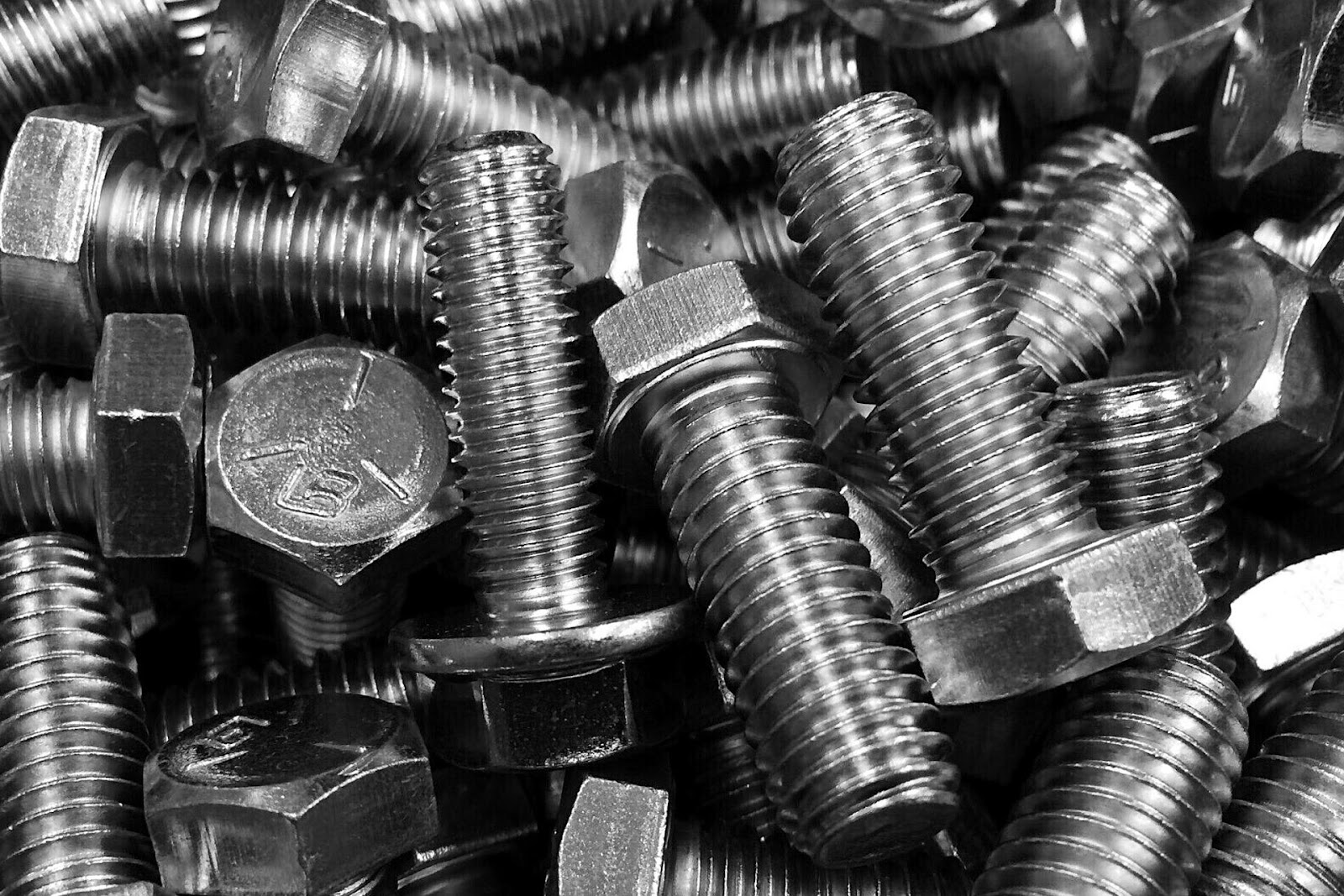
Screws have threads that grip into materials. They often need a screwdriver to fasten. Bolts are similar but usually require a nut. They are stronger and used for heavy loads.
Nuts And Washers
Nuts are small parts that screw onto bolts. They hold the bolt tightly in place. Washers sit under nuts or bolt heads. They spread the pressure and protect surfaces.
Rivets And Pins
Rivets join pieces by pressing or hammering. They stay in place permanently. Pins are removable fasteners. They allow parts to move or be taken apart.
Clips And Clamps
Clips hold parts without screws or bolts. They snap or slide into place. Clamps apply pressure to hold items tightly. They are useful for temporary or adjustable fastening.
Essential Tools And Materials
Making fasteners requires the right tools and materials. These essentials help create strong, reliable fasteners. Choosing proper tools improves accuracy and efficiency. Quality materials ensure durability and performance.
Below are key tools and materials needed for fastener production.
Metalworking Tools
Metalworking tools shape and form fasteners. Common tools include lathes, drills, and milling machines. A lathe spins metal to cut threads and shapes. Drills create holes for screws and bolts. Milling machines cut precise shapes and slots. Hand tools like files and pliers help with fine adjustments. These tools ensure the fastener fits and functions well.
Measuring Instruments
Measuring instruments check size and accuracy. Calipers measure diameter and length with precision. Micrometers provide very detailed measurements. Thread gauges verify thread pitch and depth. Rulers and tape measures help with general size checks. Accurate measurement avoids mistakes and waste.
Safety Gear
Safety gear protects during fastener making. Safety glasses shield eyes from metal chips. Gloves protect hands from sharp edges and heat. Ear protection reduces noise from machines. Dust masks prevent inhaling metal dust. Always wear proper safety gear to avoid injuries.
Raw Materials For Fasteners
Raw materials form the base of fasteners. Steel is the most common choice for strength. Stainless steel resists rust and corrosion. Brass and aluminum offer lighter weight options. Choose material based on fastener use and environment. Quality raw materials improve fastener life and reliability.
Preparing Metal For Fasteners
Preparing metal for fasteners is a key step in making strong and reliable joints. The metal must be ready to hold screws, bolts, or rivets tightly. Proper preparation helps avoid weak connections and damage to the fasteners or materials. This process includes cutting the metal to size, smoothing rough edges, and marking exact spots for drilling or attaching fasteners.
Cutting And Shaping
Cut the metal to the correct size using saws or shears. Shape the metal pieces to fit the project needs. Use tools like grinders or files to adjust curves and angles. Accurate cutting and shaping ensure the parts fit well together. It also makes the fasteners hold better.
Deburring And Smoothing
Remove sharp edges and burrs left after cutting. Use a deburring tool, sandpaper, or a file. Smooth edges prevent injury and damage to fasteners. Clean surfaces help fasteners grip tightly and last longer. This step improves the metal’s safety and durability.
Marking And Layout
Mark spots where holes will be drilled or fasteners placed. Use a pencil, marker, or scribe for clear, visible lines. Accurate marks guide drilling and prevent mistakes. Good layout saves time and keeps the project neat. Precise marking ensures fasteners fit perfectly.

Credit: macgyverisms.wonderhowto.com
Forming Threads And Shapes
Forming threads and shapes is a key step in making fasteners. Threads allow bolts and screws to hold parts tightly. The shape of fasteners affects how they fit and work. Different methods create these threads and shapes. Each method has its own tools and process. Understanding these methods helps in making strong, reliable fasteners.
Tapping And Threading
Tapping cuts threads inside holes. It uses a tool called a tap. The tap spins and carves the thread path. Threading cuts external threads on rods or bolts. A die or a thread cutting machine does this. These methods make precise threads for nuts and bolts. They work well for small to medium fasteners.
Forging And Casting Techniques
Forging shapes fasteners by pressing metal under high heat. The metal becomes strong and tough. Casting pours molten metal into molds with thread patterns. It creates fasteners with complex shapes. Both methods are good for large or heavy fasteners. They reduce waste and speed up production.
Using Dies And Thread Rolls
Dies cut or form external threads by pressing metal. Thread rolling presses metal to form threads without cutting. Rolling makes threads stronger and smoother. It also saves material and time. These methods are common for mass production of fasteners. They ensure uniform threads on many pieces.
Joining And Finishing
Joining and finishing are crucial steps in making strong, durable fasteners. These processes improve fastener strength and help them resist wear. Proper finishing also protects fasteners from rust and corrosion. Each step must be done carefully to ensure high quality and long life.
Heat Treatment For Strength
Heat treatment changes the fastener’s metal properties. It makes the metal harder and stronger. The process involves heating the metal to a high temperature. Then, it cools down quickly in water or oil. This step increases the fastener’s ability to hold tight under pressure. Proper heat treatment prevents fasteners from bending or breaking.
Surface Coating And Plating
Coating and plating cover the fastener surface with a protective layer. This layer stops rust and corrosion from damaging the fastener. Common coatings include zinc, chrome, and nickel. These coatings also improve the fastener’s appearance. Some coatings reduce friction, making it easier to screw fasteners into place. Surface finishing extends the fastener’s lifespan.
Testing Fastener Quality
Testing ensures fasteners meet strength and durability standards. Tests check hardness, tensile strength, and resistance to corrosion. Visual inspections find surface defects like cracks or rough spots. Quality testing helps avoid fastener failure in critical applications. Reliable fasteners come from strict quality control during production.
Credit: www.fastenere.com
Troubleshooting Common Issues
Troubleshooting common issues in fastener making saves time and materials. Problems like thread damage, corrosion, and poor fit can reduce quality. Fixing these issues early keeps fasteners strong and reliable.
Fixing Thread Damage
Threads can get worn or stripped during production. Use a thread file or tap to repair minor damage. Replace fasteners with severe thread problems. Avoid using damaged fasteners to prevent failure in use.
Preventing Corrosion
Corrosion weakens fasteners and shortens their life. Apply coatings like zinc plating or paint to protect metal. Store fasteners in dry places to avoid rust. Regularly check for signs of corrosion during production.
Ensuring Proper Fit
Fasteners must fit parts tightly for strong connections. Measure threads and dimensions carefully. Use gauges to check thread pitch and size. Adjust tools or die settings if fasteners do not fit correctly.
Advanced Tips For Diy Metalwork
Advanced tips can help improve your DIY metalwork projects. These techniques focus on making fasteners with better design, accuracy, and speed. Learning these methods can save time and produce stronger results. Each tip targets a key area of metalworking that many hobbyists want to improve.
Custom Fastener Designs
Create unique fasteners to fit special needs or repairs. Sketch your design first, focusing on size and thread type. Use simple tools like files and drills to shape metal pieces. Try different materials such as stainless steel or brass for durability. Small adjustments can make your fastener fit perfectly in any project.
Using Cnc And Automation
Computer Numerical Control (CNC) machines bring precision to metal cutting. You can program CNC to cut threads and shapes exactly. Automation reduces mistakes and speeds up production. Basic CNC machines are available for hobbyists at affordable prices. Learning simple programming helps you control the process smoothly.
Improving Efficiency And Precision
Keep tools sharp and clean for better cuts and threads. Use guides or jigs to hold parts steady during work. Measure twice, cut once to avoid wasting material. Consistent speed and pressure improve thread quality. Practice small projects to build steady hand skills and accuracy.
Frequently Asked Questions
What Materials Are Best For Making Fasteners?
Steel, stainless steel, brass, and aluminum are common fastener materials. Each offers strength, corrosion resistance, and durability suited for different applications.
Which Tools Are Needed To Make Fasteners?
Basic tools include a lathe, threading dies, forging hammer, and heat treatment equipment. These ensure precise shaping and strong threads for fasteners.
How Do You Ensure Fastener Strength And Durability?
Proper material selection, heat treatment, and accurate threading enhance strength and durability. Quality control during manufacturing also prevents defects and ensures reliability.
What Are Common Fastener Types To Make?
Bolts, screws, nuts, and washers are typical fasteners. Each type serves specific fastening needs with various head shapes and thread designs.
Conclusion
Making fasteners involves clear steps and careful attention to detail. Choose the right materials and tools for the job. Follow each process slowly to avoid mistakes. Test your fasteners to ensure they fit well and hold strong. Practice improves skill and helps you make better fasteners.
Keep learning and trying new techniques. This way, you can create fasteners that work well every time. Simple steps lead to great results.

