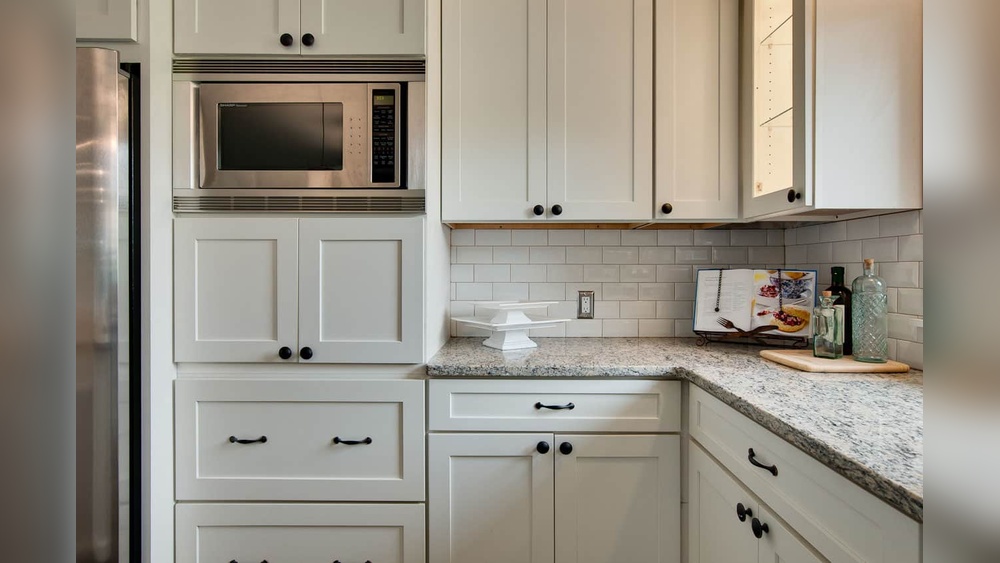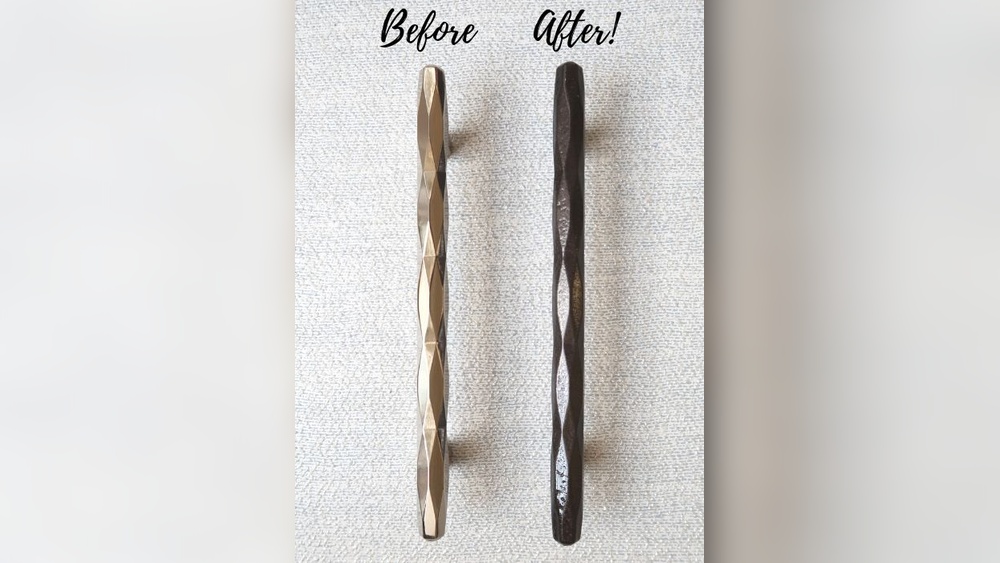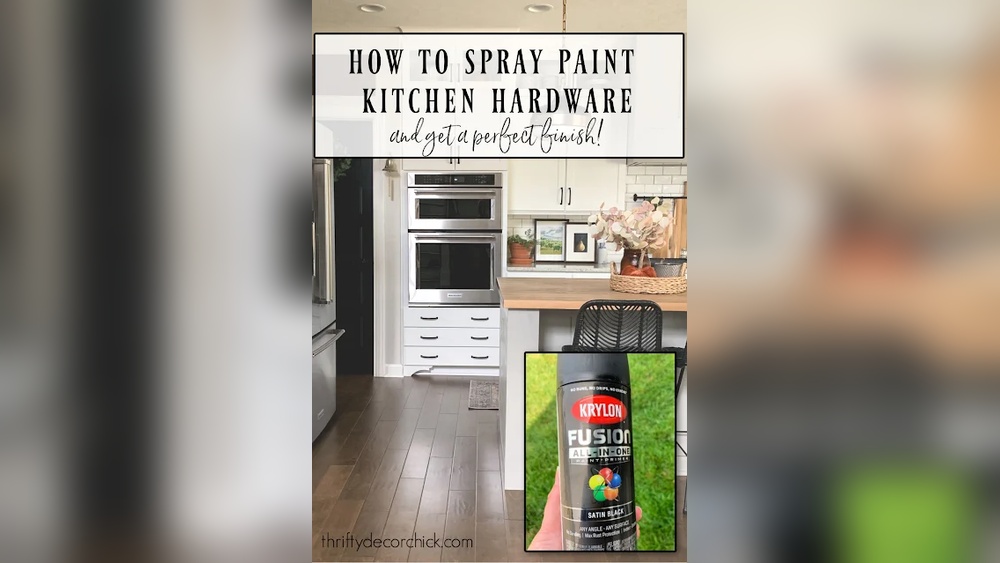
Are you thinking about giving your cabinets a fresh new look without spending a fortune? Spraying paint on your cabinet hardware might be the easiest and fastest way to do it.
But before you grab that spray can, there are some important things you need to know to get the best results. You’ll discover whether spray painting your cabinet hardware is a smart idea, how to do it right, and the common mistakes to avoid.
Keep reading—you’ll be one step closer to transforming your space with just a few simple strokes.
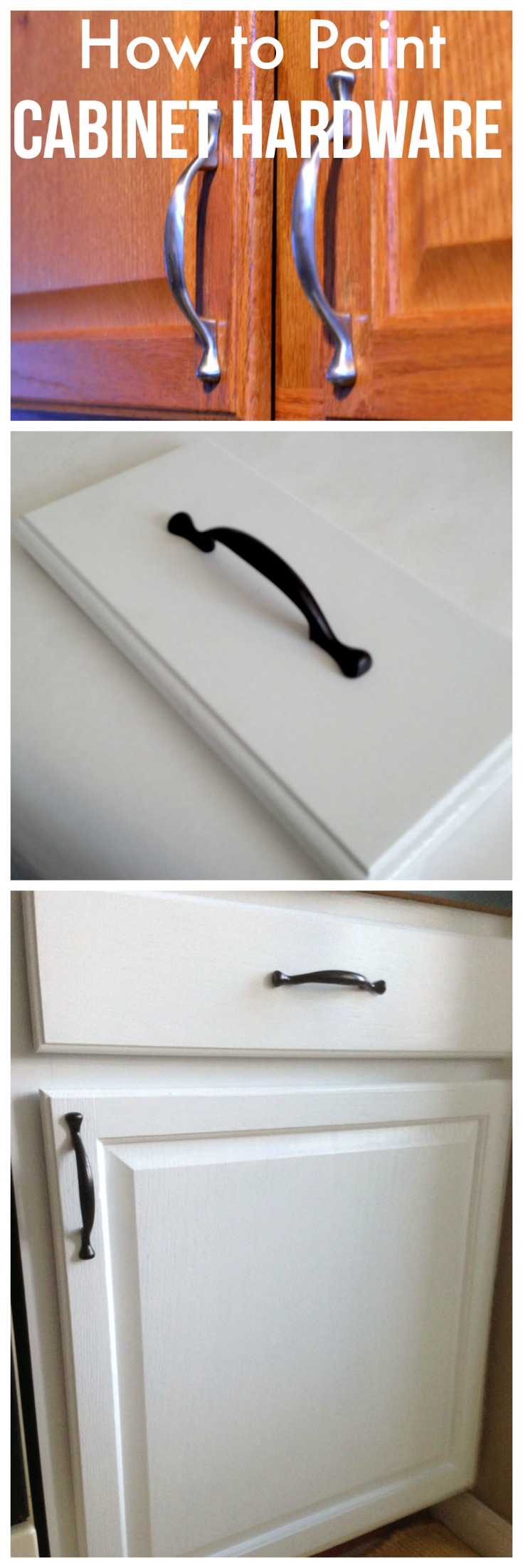
Credit: createandbabble.com
Preparing Hardware For Painting
Preparing cabinet hardware for painting is a key step. It ensures the paint sticks well and looks smooth. Taking time to prepare helps avoid peeling or chipping later. Follow these simple steps to get your hardware ready.
Removing Old Finish
Start by taking off the old finish on your hardware. Use a paint stripper or sandpaper. This removes paint, varnish, or rust. Make sure the surface is bare metal or wood. Removing old layers helps the new paint stick better.
Cleaning And Degreasing
Next, clean the hardware thoroughly. Use warm water and dish soap to wash away dirt. Rinse and dry completely. Then, wipe with a degreaser or rubbing alcohol. This removes oils and grease that block paint adhesion.
Sanding For Better Adhesion
Lightly sand the hardware using fine-grit sandpaper. This creates a rough surface for the paint to grip. Sand all sides evenly. After sanding, clean off dust with a cloth. This step improves paint durability and finish quality.

Credit: porchdaydreamer.com
Choosing The Right Spray Paint
Choosing the right spray paint is key to a successful cabinet hardware makeover. The paint must stick well and look good. It should resist chips and last a long time. Picking the proper spray paint helps you avoid peeling and fading. This section covers types of spray paints, color and finish choices, and paint quality.
Types Of Spray Paints Suitable For Hardware
Metal spray paints work best for cabinet hardware. They bond well to metal surfaces and dry quickly. Look for paints labeled for metal or multi-surface use. Rust-preventive spray paints are ideal for older hardware. They stop corrosion and create a smooth base for color. Primer spray paints improve paint adhesion and durability. Use a primer if the hardware has uneven or old paint.
Color And Finish Options
Spray paints come in many colors. Pick colors that match your kitchen or style. Neutral tones like black, white, or silver fit most designs. Bold colors can make hardware stand out. Choose finishes like matte, satin, or gloss. Matte hides fingerprints and scratches well. Glossy finishes reflect light and look shiny. Satin is a balance between matte and gloss.
Paint Quality And Durability
High-quality spray paint lasts longer and resists damage. Cheap paint may peel or chip after a short time. Choose paints with good reviews and trusted brands. Look for spray paints with protective properties. Some paints resist heat and moisture. These are perfect for kitchen hardware. Proper drying and curing time also increase durability.
Setting Up Your Workspace
Setting up your workspace is the first step to a successful spray paint project. A well-prepared area keeps your hardware safe and helps you work faster. It also protects your home from paint damage. Preparing the right space matters a lot for good results.
Ventilation And Safety Measures
Choose a spot with plenty of fresh air. Spray paint fumes can harm your lungs. Open windows and doors to create airflow. Use a fan if you can. Wear a mask to avoid breathing in chemicals. Gloves protect your hands from paint. Safety glasses keep your eyes safe. Never spray paint in a closed room.
Protecting Surrounding Areas
Cover everything near your workspace with newspaper or plastic sheets. Paint can drift and land on floors or furniture. Use painter’s tape to secure coverings. Remove or move objects that might get paint on them. A drop cloth under your work area helps catch drips. Keep your workspace clean to avoid unwanted marks.
Ideal Weather Conditions
Spray paint works best in dry, mild weather. Avoid painting on rainy or very humid days. High humidity slows drying and causes uneven finishes. Temperatures between 50°F and 85°F are perfect. Too cold or hot weather affects paint texture. Choose a calm day with little wind to prevent dust on paint.
Spray Painting Techniques
Spray painting cabinet hardware can give your space a fresh, new look. Using the right spray painting techniques helps you get smooth, even results. These simple steps make the process easier and more effective. Follow them closely for a professional finish.
Shaking And Preparing The Can
Shake the spray paint can well before use. This mixes the paint inside for consistent color. Usually, shaking for about one to two minutes works best. Clean the hardware before painting to remove dirt and grease. This helps the paint stick better and last longer.
Maintaining Proper Distance
Hold the spray can about 8 to 12 inches from the hardware. Too close causes drips and uneven spots. Too far makes the paint dry before it reaches the surface. Keep your hand steady and move the can smoothly across the hardware.
Applying Thin, Even Coats
Apply several thin layers instead of one thick coat. Thin coats dry faster and reduce runs or bubbles. Spray lightly and cover all sides of the hardware. Allow each layer to dry briefly before applying the next one.
Drying Time Between Coats
Wait at least 10 to 15 minutes between coats. This time lets the paint set and prevents smudging. Check the instructions on the paint can for exact drying times. Proper drying ensures a smooth, durable finish on your hardware.
Finishing Touches
Finishing touches make your spray-painted cabinet hardware look great. These steps protect your hard work and help the paint last longer. Proper finishing ensures the hardware stays shiny and smooth.
Applying A Clear Protective Coat
A clear protective coat guards the paint from scratches and wear. Use a spray clear coat for an even finish. Hold the can about 10 inches away and spray light, even layers. Let each layer dry before applying the next. This coat also adds a nice shine.
Curing And Handling
Let the hardware cure fully before handling. Curing means the paint hardens and bonds well. This process can take 24 to 48 hours. Avoid touching the surface too soon to stop fingerprints and smudges. Place pieces on a clean, dust-free surface while curing.
Reinstalling Hardware
Check the hardware for any rough spots before reinstalling. Use a soft cloth to wipe off dust or fingerprints. Screw the hardware back carefully to avoid scratching the new finish. Tighten screws just enough to hold the piece firmly. Now your cabinets have a fresh, updated look.
Common Mistakes To Avoid
Spray painting cabinet hardware is a great way to refresh your space. Avoiding common mistakes ensures a smooth and lasting finish. These errors often cause frustration and extra work. Knowing what to avoid helps you save time and get better results.
Over-spraying And Drips
Spraying too much paint causes drips and uneven coats. Keep the spray light and even. Hold the can at the right distance, about 6 to 8 inches. Move your hand steadily in one direction. Multiple thin layers work better than one thick layer.
Skipping Surface Preparation
Failing to clean or sand the hardware leads to poor paint adhesion. Remove dirt, grease, and old paint first. Light sanding creates a rough surface for paint to stick. Proper prep means a smoother and longer-lasting finish.
Ignoring Safety Precautions
Spray paint contains strong chemicals that can harm your health. Work in a well-ventilated area or outside. Wear a mask to avoid breathing in fumes. Protect your skin with gloves and old clothes. Safety keeps your project safe and healthy.
Maintaining Painted Hardware
Maintaining painted cabinet hardware keeps it looking fresh and new for longer. Painted surfaces can chip or fade without proper care. Small efforts can protect your hardware’s finish and extend its life.
Cleaning Tips
Use a soft cloth to clean painted hardware. Avoid abrasive cleaners or scrubbing pads. Mild soap with water works well. Dry the hardware after cleaning to stop water spots. Clean regularly to prevent dirt buildup. This keeps the paint from dulling.
Touch-up Techniques
Keep leftover paint for quick touch-ups. Use a small brush for chips or scratches. Apply paint gently in thin layers. Let each layer dry before adding more. This keeps the finish smooth and even. Touch-ups help avoid bigger repaint jobs later.
Long-term Care
Check hardware often for wear or damage. Tighten loose screws to prevent movement. Avoid harsh chemicals that strip paint. Consider a clear sealant to protect paint. This adds a durable, protective layer. Proper care helps hardware stay attractive for years.
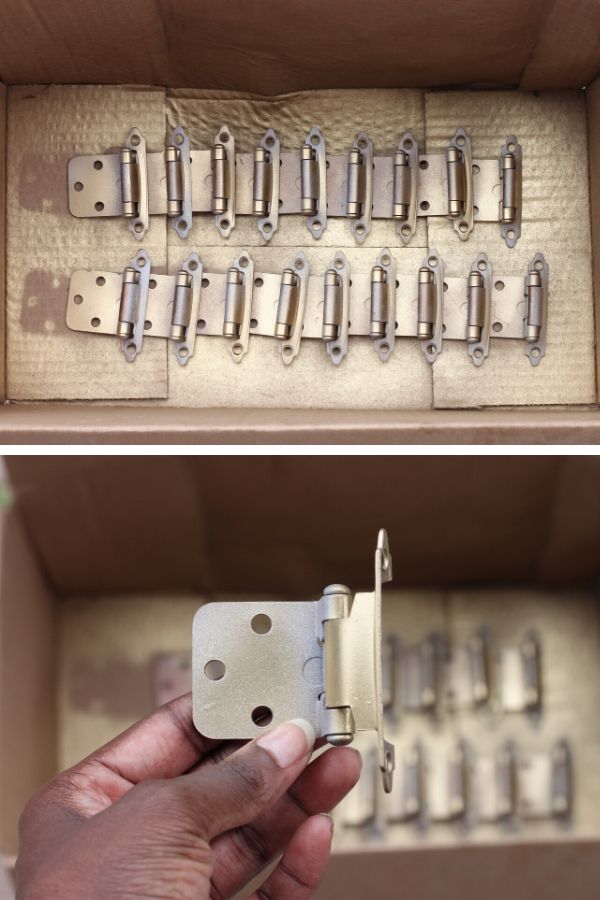
Credit: www.lifesahmazing.com
Frequently Asked Questions
Can You Spray Paint Cabinet Hardware Safely?
Yes, you can safely spray paint cabinet hardware. Clean and sand the pieces first. Use primer for better paint adhesion. Spray in thin, even coats to avoid drips. Allow proper drying time between coats for a smooth finish.
What Type Of Paint Works Best For Hardware?
Spray paints designed for metal or plastic work best. Look for durable, rust-resistant formulas. Appliance epoxy spray paint is a popular choice. It provides a hard, long-lasting finish. Always check the paint label for compatibility.
Should You Remove Hardware Before Spray Painting?
Yes, remove cabinet hardware before painting. It ensures even coverage and avoids paint on cabinets. Removing hardware also allows safer, easier handling. Label pieces for easy reinstallation. This step improves the overall quality and appearance of the finish.
How Long Does Spray Paint Take To Dry On Hardware?
Spray paint usually dries to touch in 15-30 minutes. Full curing can take 24-48 hours. Drying time depends on paint type, temperature, and humidity. Avoid handling the hardware until completely dry to prevent smudges.
Conclusion
Spray painting cabinet hardware can refresh any room quickly. It saves money compared to buying new pieces. Proper prep work ensures the paint sticks well and lasts longer. Choose the right spray paint for metal or wood surfaces. Protect surrounding areas to avoid messes during spraying.
A few simple steps can give cabinets a fresh, clean look. Try it yourself for a fast and easy home update. Small changes often make a big difference.