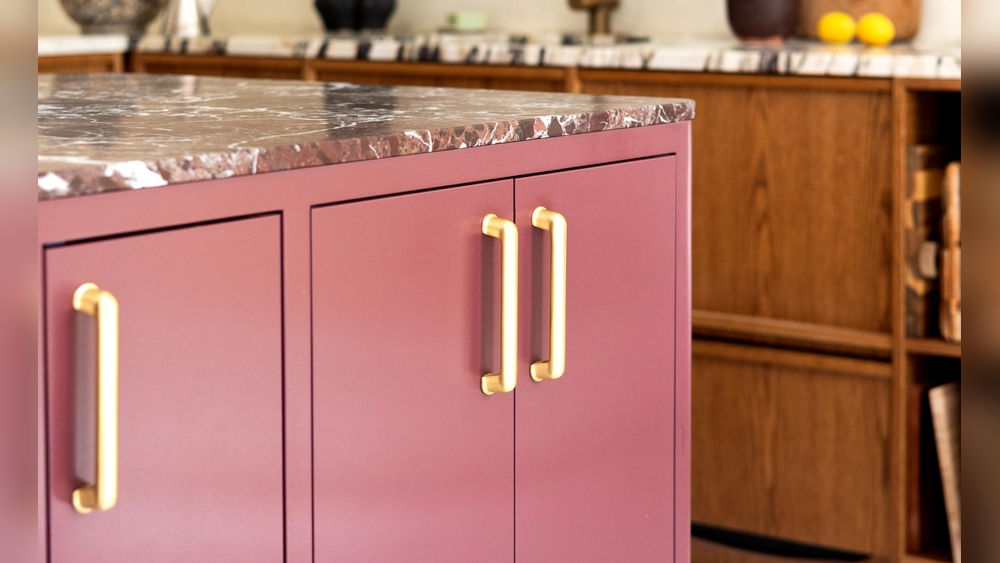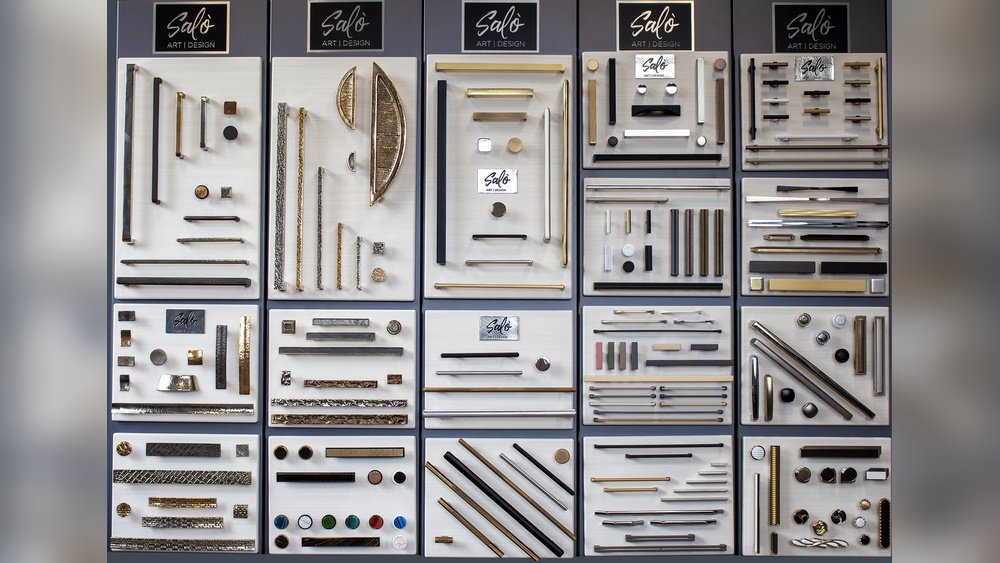
If you want your cabinet hardware to truly stand out and make a lasting impression, how you display it matters more than you might think. Designing a cabinet hardware display isn’t just about putting pieces on a board—it’s about creating an experience that draws your customers in and helps them imagine these handles and knobs in their own homes.
You’ll discover simple, effective ways to showcase your hardware so it looks appealing and makes choosing the perfect piece easy and exciting. Ready to transform your display and boost your sales? Let’s dive in.
Choosing The Right Location
Choosing the right location for your cabinet hardware display is key to attracting attention. The spot should invite customers to stop and explore. It helps to think about where customers move and what catches their eye. A good location boosts interest and sales. Consider factors like how many people pass by, the light, and how easy it is to reach the display.
High Traffic Areas
Place the display where many customers walk by. Busy spots get more views and chances to engage. Near entrances or main aisles work well. Avoid hidden corners or places with little foot traffic. A well-placed display gains more attention and interest.
Lighting Considerations
Good lighting makes the hardware shine. Natural light works best but not always possible. Use soft, bright lights to show the details clearly. Avoid harsh shadows or glare on the display. Proper lighting helps customers see colors and textures better.
Accessibility For Customers
Make sure customers can easily reach the display. It should be at a comfortable height for most people. Leave enough space around for browsing without crowding. Easy access encourages customers to touch and try items. This hands-on experience can increase sales.
Selecting Hardware Types
Selecting the right hardware types is a key step in designing a cabinet hardware display. The choice affects both the look and the feel of the cabinets. It also helps customers understand options available. Choosing hardware that fits well with the style and function of cabinets makes the display more effective. This section explains different hardware types to consider.
Knobs Vs. Pulls
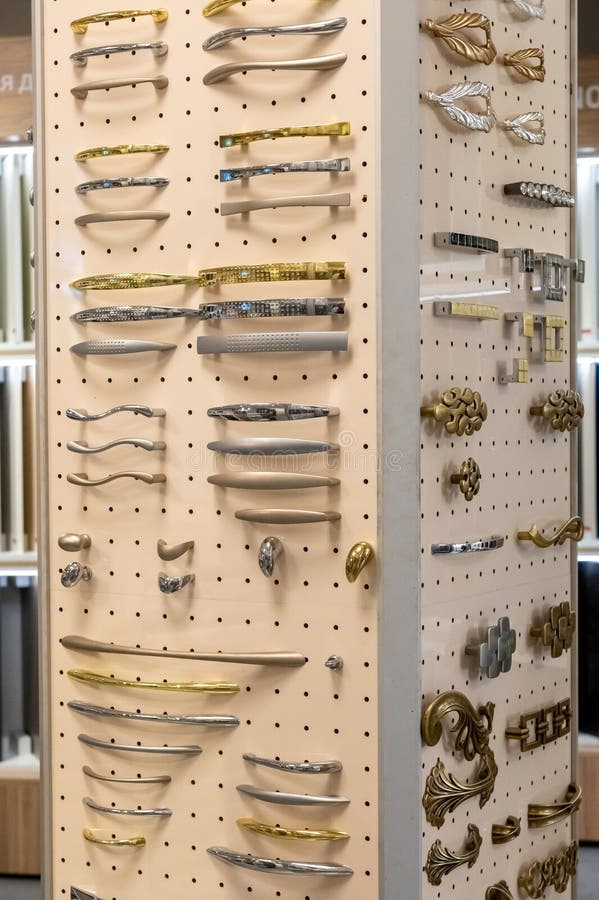
Knobs are small and round. They offer a simple grip and look classic. Pulls are longer and allow using the whole hand. They provide better leverage for opening drawers or doors. Knobs work well on smaller cabinets or drawers. Pulls suit larger cabinets or heavy doors. Showing both types helps customers see practical differences.
Material Options
Hardware comes in many materials. Common choices include metal, wood, and plastic. Metal is strong and long-lasting. Wood adds warmth and a natural feel. Plastic is affordable and comes in many colors. Offering samples of each material type lets customers touch and compare. Material choice affects durability and style.
Finish Varieties
Finish changes the hardware’s look and texture. Popular finishes include brushed nickel, chrome, bronze, and matte black. Brushed nickel has a soft shine and hides fingerprints. Chrome is bright and reflective. Bronze gives a warm, vintage feel. Matte black adds modern boldness. Displaying different finishes helps customers pick what suits their space.
Creating A Cohesive Layout
Creating a cohesive layout for your cabinet hardware display helps customers find what they need fast. A well-organized display looks neat and inviting. It also shows off each piece clearly. This section covers three easy ways to arrange your hardware for the best effect.
Grouping By Style
Arrange hardware by style to keep your display tidy. Group modern pieces together and classic ones in another spot. This helps customers compare similar designs easily. It also highlights the unique features of each style. Use clear labels to mark each style group.
Organizing By Size
Sort hardware by size to create a balanced display. Place small knobs in one area and larger pulls in another. This makes the display look organized and easy to browse. It also helps customers pick the right size for their cabinets. Keep sizes consistent within each section.
Color Coordination
Arrange hardware by color to attract attention and create harmony. Group similar finishes like brushed nickel or bronze together. This shows customers all color options at a glance. A color-coordinated display feels clean and professional. Use lighting to enhance the shine and texture of each finish.
Designing For User Interaction
Designing for user interaction means making the cabinet hardware display easy and fun to use. It invites visitors to touch and explore the products. A good design helps customers understand the features quickly. It guides them through the choices without confusion. Interaction is key to a memorable shopping experience.
Touch And Feel Opportunities
People want to hold and try cabinet hardware. Create space for users to pick up knobs and handles. Use materials that feel good to the touch. Show different textures and finishes clearly. This hands-on approach helps users decide what fits their style.
Clear Labeling
Labels must be simple and easy to read. Use large fonts and clear colors. Include key details like size, material, and price. Place labels near each item without clutter. Clear labeling reduces questions and speeds up decisions.
Interactive Elements
Add features like rotating displays or sliding panels. Let users mix and match hardware with cabinet samples. Use small mirrors or lighting to show details better. Interactive parts keep visitors engaged longer and boost interest.
Incorporating Branding Elements
Incorporating branding elements into your cabinet hardware display helps build recognition. It creates a strong, memorable impression on customers. Branding also sets your display apart from competitors. It invites customers to connect with your style and values.
Logo Placement
Place your logo where customers can easily see it. Use spots like the top center or near popular hardware pieces. Keep the logo size balanced—not too big or too small. Clear logo placement makes your brand instantly recognizable.
Consistent Color Themes
Choose colors that match your brand’s palette. Use these colors in backgrounds, shelves, and labels. Consistent colors help customers associate the display with your brand. It also creates a clean and organized look.
Brand Storytelling
Tell your brand’s story through short, clear messages. Share what makes your hardware unique or your company special. Use simple text panels or small signs near the display. Storytelling helps customers feel more connected to your brand.
Credit: www.dreamstime.com
Using Technology To Enhance Display
Technology can make a cabinet hardware display more interesting and helpful. It lets customers see products in new ways. Using digital tools can also save space and provide more information without clutter. This section explains three ways to use technology in your display.
Digital Screens
Digital screens show images and videos of cabinet hardware. Customers can see different angles and finishes. Screens can play tutorials on installation or care tips. This helps people understand the product better. Screens also allow easy updates with new products or offers.
Augmented Reality
Augmented reality (AR) lets customers visualize hardware on their cabinets. Using a tablet or phone, they can see how handles fit their style. AR creates a virtual preview in real space. This reduces guesswork and increases confidence in buying. It makes the shopping experience interactive and fun.
Qr Codes For More Info
QR codes link customers to extra product details online. They can scan codes with their phones quickly. This opens pages with specs, prices, and customer reviews. QR codes keep the display clean but full of useful info. They also connect offline and online shopping easily.
Maintenance And Updates
Maintaining and updating your cabinet hardware display keeps it fresh and appealing. Regular care helps avoid wear and tear. Updates ensure the display matches current trends and customer needs. This section covers key steps to keep your display in top shape.
Regular Cleaning
Clean your hardware display often to remove dust and dirt. Use a soft cloth and mild cleaner. Avoid harsh chemicals that can damage finishes. Wipe each piece gently to keep it shiny and new. Clean displays attract more customers and show product quality clearly.
Seasonal Refreshes
Change your display with the seasons to keep it interesting. Swap out hardware styles to reflect current trends. Add new colors or finishes that fit the season’s mood. Seasonal updates invite customers to explore new options. They make your display feel lively and relevant all year.
Customer Feedback Integration
Listen to customer opinions about your hardware display. Note which pieces get the most attention or questions. Adjust your display based on this feedback. Remove items that confuse or do not sell well. Add more of what customers like. This helps create a display that truly meets customer needs.

Credit: www.colourbox.com

Credit: www.barzdecorativehardware.com
Frequently Asked Questions
What Materials Work Best For Cabinet Hardware Displays?
Metal, wood, and acrylic are ideal materials for cabinet hardware displays. They provide durability and a clean look. Acrylic offers transparency, while wood adds warmth. Choose materials that match your store style and highlight the hardware effectively.
How To Arrange Cabinet Hardware For Better Visibility?
Arrange hardware by type, size, and finish for easy comparison. Use clear labeling and group similar items together. Maintain consistent spacing to avoid clutter. Proper arrangement helps customers quickly find and assess options, improving their shopping experience.
What Lighting Enhances Cabinet Hardware Displays?
Use bright, focused lighting like LED spotlights to highlight details. Warm white lights create an inviting atmosphere. Avoid harsh shadows by using diffused lighting. Good lighting enhances hardware features and attracts customer attention effectively.
How To Create An Engaging Cabinet Hardware Display?
Incorporate varied hardware styles and finishes to showcase options. Use signage to explain features and benefits. Add sample cabinets or doors for real-life context. Engaging displays encourage customer interaction and boost sales.
Conclusion
Designing a cabinet hardware display can boost your sales and attract customers. Choose a clean layout that shows each piece clearly. Use good lighting to highlight details and colors. Group similar items for easy comparison and better flow. Keep the display neat and tidy at all times.
A well-planned display helps customers pick the right hardware fast. Simple steps lead to a strong, effective presentation. Start creating your display today and see the difference it makes.