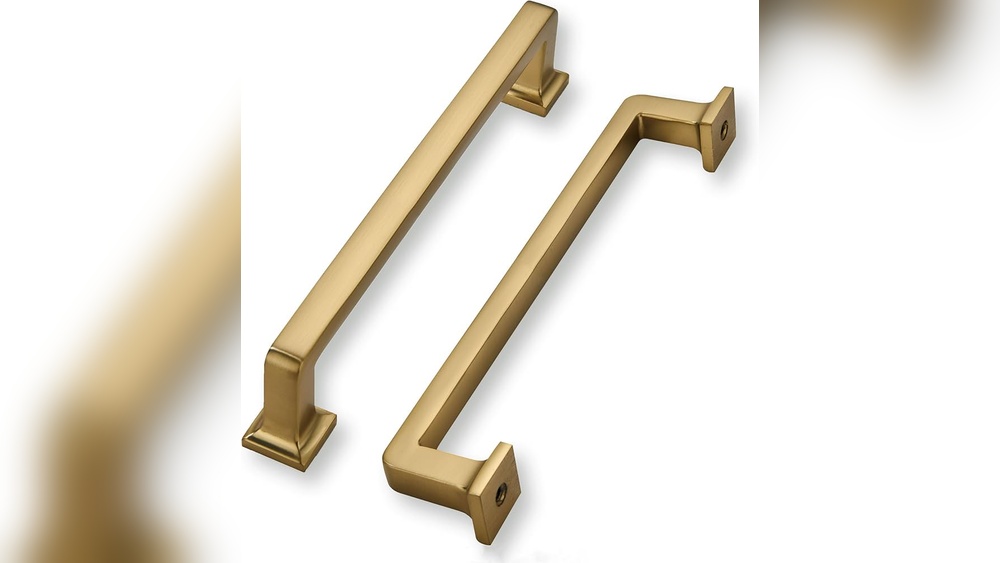
Choosing the right size for your cabinet hardware might seem simple, but it can make a huge difference in how your space looks and feels. Have you ever wondered why some knobs and pulls just don’t feel right on your cabinets?
If your hardware is too big or too small, it can throw off the balance and style of your entire room. You’ll discover exactly how big cabinet hardware should be to match your cabinets perfectly. Keep reading, and you’ll learn easy tips to pick hardware that looks great and works well every time.
Choosing The Right Hardware Size
Cabinet hardware size depends on the cabinet’s size and style. Small cabinets need smaller handles, while large ones suit bigger hardware. Balance looks and function for the best fit.
Factors Influencing Hardware Size
Choosing the right size for cabinet hardware depends on several factors. First, consider the size of your cabinet doors or drawers. Large doors need bigger handles to look balanced. Small drawers work better with smaller knobs. Also, think about how often you use the cabinet. Frequent use calls for sturdy, easy-to-grip hardware. The space around the hardware matters too. Leave enough room so the handle does not feel cramped or too close to the edge. Finally, your personal comfort matters. Hardware should feel good in your hand and be easy to pull or push.
Matching Hardware To Cabinet Style
The style of your cabinets guides the hardware size choice. Modern cabinets often pair well with sleek, minimal handles. These usually come in medium to large sizes for clean lines. Traditional cabinets suit classic knobs or pulls, often smaller and more detailed. Rustic cabinets look great with larger, rugged hardware. The hardware should enhance, not overpower the cabinet design. Also, keep the hardware size consistent throughout the kitchen. Consistency creates a uniform and polished look.

Credit: www.dekkorinc.com
Common Hardware Sizes
Cabinet hardware comes in many sizes to suit different styles and needs. Choosing the right size helps make your cabinets look balanced and work well. Understanding common hardware sizes can guide you in picking the perfect fit for your space.
Standard Handle Lengths
Handles usually range from 3 to 7 inches long. The most common sizes are 3, 4, and 5 inches. Smaller handles work well for drawers and narrow cabinets. Larger handles fit bigger cabinet doors better. The length should match the cabinet size for easy use.
Popular Knob Diameters
Knobs typically measure between 1 and 2 inches in diameter. The 1.25-inch size is very popular. Smaller knobs suit smaller cabinets and drawers. Bigger knobs create a bold look on larger doors. Pick a knob size that feels comfortable to hold.
Measuring For Cabinet Hardware
Measuring for cabinet hardware is a simple step with big impact. Proper measurements ensure your hardware fits well and looks balanced. Small errors can make installation tricky or cause the hardware to look odd. Taking time to measure helps avoid these problems and ensures a clean, polished finish.
How To Measure Drawer Pulls
Start by measuring the distance between the screw holes. This is called the center-to-center measurement. Use a ruler or tape measure for accuracy. Measure from the center of one hole to the center of the other. This tells you what size pulls will fit your drawers.
Do not measure the entire length of the pull. The center-to-center size matters most for installation. Make a note of the measurement before buying new pulls.
Determining Knob Placement
Place knobs where they feel natural to reach. Measure from the top or side edge to the knob center. For cabinet doors, 2 to 3 inches from the corner works well. For drawers, center placement is common.
Keep placement consistent across all cabinets. This creates a neat, uniform look. Use a pencil to mark spots before drilling holes. Double-check measurements to avoid mistakes.
Hardware Sizes For Different Cabinet Types
Choosing the right hardware size depends on the cabinet type. Each cabinet needs handles or knobs that fit well. The hardware should look good and feel comfortable. Size affects both style and function. Let’s explore common cabinet types and their ideal hardware sizes.
Kitchen Cabinets
Kitchen cabinets often have larger doors and drawers. Handles between 3 to 5 inches work best here. Bigger hardware suits bigger cabinets. It also helps when your hands are wet or greasy. Knobs should be about 1 to 1.5 inches wide. They give a balanced look without crowding the space.
Bathroom Cabinets
Bathroom cabinets are smaller than kitchen cabinets. Hardware between 2 to 3 inches fits well. Small handles avoid clutter on compact doors. Knobs around 1 inch are ideal. They add style but stay practical for tight spaces. Choose sizes that keep the space neat and easy to use.
Furniture Cabinets
Furniture cabinets vary in size and style. Medium hardware sizes, about 2 to 4 inches, often work best. Knobs can range from 1 to 2 inches. The hardware should match the furniture’s look and size. This balance helps the piece stand out without overpowering it.
Balancing Function And Aesthetics
Choosing the right size for cabinet hardware means finding a balance between how it works and how it looks. Hardware must be easy to use and fit well with the cabinet’s design. The size affects comfort, grip, and the overall style of the room. Small details like handles and knobs can change the feel of a space.
Comfort And Grip Considerations
Hardware should feel good in your hand. Handles that are too small can be hard to hold. Big handles might be uncomfortable or get in the way. Think about the daily use. Hardware must allow a firm grip without slipping. It should fit the size of your hand and the cabinet door.
Visual Proportion And Scale
Hardware size should match the cabinet size. Large cabinets need bigger handles to look balanced. Small cabinets look best with smaller hardware. Proper scale makes the space look neat and well-planned. Oversized hardware can overpower a cabinet. Too small hardware might seem lost or cheap.

Credit: refusingtoforget.org
Tips For Installing Cabinet Hardware
Installing cabinet hardware may seem simple. Yet, careful steps ensure a perfect look and function. Good hardware placement boosts your cabinet’s style and usability. Follow these tips to install hardware with ease and precision.
Tools Needed
Gather the right tools before starting. You will need a drill with a small drill bit. A screwdriver is essential for tightening screws. Use a tape measure or ruler to mark spots. A pencil helps mark where holes go. A level ensures hardware aligns straight. A template or jig can speed up marking holes evenly.
Ensuring Consistent Placement
Consistency creates a neat, professional appearance. Measure and mark each cabinet door and drawer carefully. Use a template or jig to place hardware at the same height and distance. Double-check measurements before drilling holes. Mark lightly with a pencil to avoid mistakes. Check alignment with a level to keep handles straight. Take your time and work slowly for the best results.
Trends In Cabinet Hardware Sizes
Cabinet hardware sizes have changed a lot in recent years. Designers now focus on making hardware both useful and stylish. The size of handles and knobs can change the whole look of your cabinets. Choosing the right size helps cabinets look balanced and fresh.
Minimalist Hardware
Small and simple hardware is popular in minimalist kitchens. These pieces are subtle and do not draw too much attention. Slim knobs and thin pulls keep the space clean and neat. They work well with modern and sleek cabinet designs. Minimalist hardware fits well in small kitchens too.
Bold And Oversized Handles
Big handles are a strong trend in cabinet hardware. They make a bold statement and add character. Oversized pulls look great on large cabinets or drawers. They can be made of metal, wood, or other materials. These handles give a room a unique and stylish touch.

Credit: www.reddit.com
Frequently Asked Questions
What Is The Ideal Size For Cabinet Hardware?
The ideal size depends on cabinet dimensions and style. Typically, knobs range from 1 to 1. 5 inches. Pulls are usually 3 to 5 inches long. Choose hardware that complements cabinet size and offers comfortable grip and usability.
How To Measure Cabinet Hardware Size Correctly?
Measure cabinet hardware by its center-to-center distance. This is the space between screw holes. For knobs, measure diameter. Accurate measuring ensures proper fit and ease of installation. Always confirm measurements before purchasing hardware.
Does Cabinet Hardware Size Affect Kitchen Aesthetics?
Yes, hardware size impacts kitchen style and balance. Larger cabinets suit bigger pulls or knobs. Small hardware can look lost on large doors. Proper size enhances visual appeal and complements overall design.
Can Wrong Cabinet Hardware Size Cause Usability Issues?
Absolutely. Too small hardware is hard to grip. Oversized hardware may look bulky and catch on clothing. Correct size ensures ease of use and smooth cabinet operation. Choose hardware that fits both function and form.
Conclusion
Choosing the right size for cabinet hardware matters a lot. Small knobs may look neat but can feel hard to use. Large handles are easier to grab but might crowd the space. Think about your cabinet doors and how you use them daily.
Balance style with comfort for the best fit. The right hardware size makes your cabinets look great and work well. Take time to measure and imagine before buying. This way, your kitchen or room will feel just right. Simple choices can make a big difference.