Are your exterior shutters looking loose or outdated? Installing the right shutter fasteners can make all the difference in keeping your shutters secure and enhancing your home’s curb appeal.
If you’ve ever wondered how to do this yourself without hiring a pro, you’re in the right place. In this guide, you’ll discover simple steps to install exterior shutter fasteners quickly and effectively. By the end, you’ll feel confident tackling this easy upgrade that protects your shutters and boosts your home’s style.
Ready to get started? Let’s dive in.
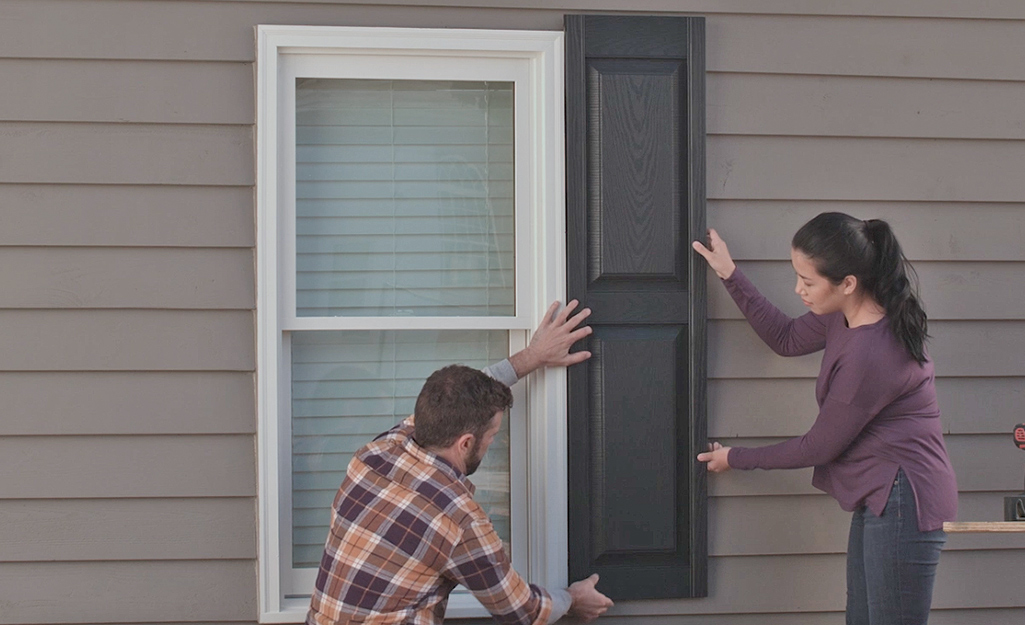
Credit: www.homedepot.com
Choosing The Right Fasteners
Choosing the right fasteners is key to a secure and lasting shutter installation. Fasteners hold shutters firmly against the wall. The wrong type can cause damage or fail to keep shutters in place. This section explains how to pick the best fasteners for your exterior shutters.
Types Of Exterior Shutter Fasteners
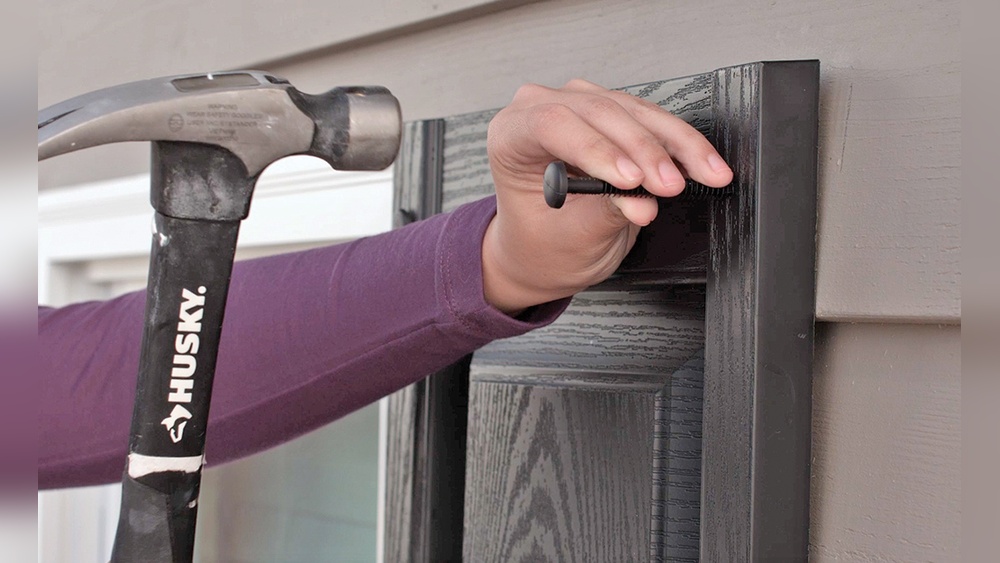
There are several types of fasteners for exterior shutters. Screws are the most common and provide strong support. Bolts offer extra strength but need special tools. Nails can be used for lightweight shutters but may not hold well over time. Choose fasteners that fit your shutter’s weight and size.
Materials And Durability
Fasteners come in many materials. Stainless steel resists rust and lasts long outdoors. Galvanized steel is coated to prevent corrosion. Brass fasteners look nice but may not be as strong. Pick materials that handle weather and moisture in your area.
Matching Fasteners To Shutter Style
Fasteners should match the style of your shutters. Decorative fasteners add charm to traditional shutters. Simple screws suit modern or plain shutters. The size and finish of fasteners also affect the look. Choose fasteners that blend well with your home’s design.
Preparing The Shutter And Wall
Preparing the shutter and wall is the first step in installing exterior shutter fasteners. Careful preparation ensures the fasteners hold well and the shutters stay secure. It helps avoid damage and makes the installation process smoother.
Measuring And Marking Positions
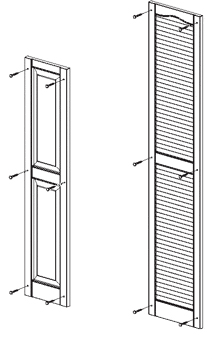
Measure the shutter and wall carefully to find the right spots for fasteners. Use a tape measure for accuracy. Mark the positions on the shutter and wall with a pencil. Double-check the marks to keep them even and balanced. Proper marking prevents mistakes during drilling.
Cleaning The Surface
Clean the shutter and wall surface before installing fasteners. Remove dirt, dust, and grease using a cloth or brush. A clean surface helps the fasteners stick better. Check for loose paint or debris and clear it away. Dry the surface fully to avoid slipping.
Gathering Necessary Tools
Collect all tools needed before starting the installation. Typical tools include a drill, screwdriver, measuring tape, pencil, level, and fasteners. Having tools ready saves time and avoids interruptions. Check tool conditions to ensure they work well. Preparedness leads to a smooth installation.
Installing Shutter Fasteners
Installing shutter fasteners is a key step to keep your shutters secure and functional. Proper installation ensures shutters stay in place during strong winds and bad weather. Follow these simple steps for a strong, lasting hold.
Drilling Pilot Holes
Start by marking where the fasteners will go on the shutters and wall. Use a pencil for clear marks. Choose a drill bit slightly smaller than the screws. Drill pilot holes carefully to avoid splitting the wood. These holes guide the screws and make installation easier.
Attaching Fasteners To Shutters
Place the fasteners on the marked spots of the shutters. Align the holes in the fasteners with the pilot holes. Use screws to attach the fasteners firmly. Tighten screws enough to hold the fastener but avoid over-tightening. Over-tightening can damage the shutter material.
Securing Fasteners To The Wall
Hold the shutter with fasteners against the wall. Mark the wall through the fastener holes for drilling. Drill pilot holes into the wall using the proper drill bit. Insert wall anchors if needed for extra support. Screw the fasteners into the wall anchors or directly into the wall. Check the fasteners are secure and shutters open and close easily.
Adjusting And Testing
Adjusting and testing your exterior shutter fasteners is a key step. It ensures your shutters look great and work well. This part helps avoid future problems like misalignment or sticking. Follow these steps carefully for best results.
Aligning Shutters Properly
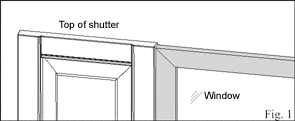
Check that each shutter sits straight and even. Use a level to confirm the alignment. Adjust the fasteners slightly if the shutters tilt or shift. Proper alignment keeps the shutters balanced on the wall. It also improves the overall curb appeal of your home.
Ensuring Smooth Operation
Open and close the shutters several times. Watch for any resistance or catching points. If shutters stick or bind, loosen the fasteners a bit. Test again until the shutters move smoothly. Smooth operation prevents damage and keeps shutters functional longer.
Tightening And Final Checks
Once alignment and movement are perfect, tighten all fasteners firmly. Avoid over-tightening to prevent damage to shutters or wall. Double-check that all fasteners are secure and shutters stay in place. This final step ensures durability and lasting performance.
Maintenance Tips
Maintaining your exterior shutter fasteners helps keep shutters secure and looking good. Regular care prevents damage and extends the life of fasteners. Simple steps can avoid costly repairs and ensure smooth operation.
Regular Inspection
Check fasteners every few months. Look for rust, loose screws, or cracks. Tighten any loose parts with a screwdriver. Early spotting of issues stops bigger problems later.
Cleaning Fasteners
Use a soft brush to remove dirt and debris. Wipe metal fasteners with a damp cloth. Avoid harsh chemicals that can cause damage. Clean fasteners allow shutters to move easily and avoid rust.
Replacing Worn Components
Replace any rusted or broken fasteners immediately. Use matching parts for best fit and strength. Old fasteners weaken the shutter’s hold and may cause damage. Keep spare fasteners on hand for quick fixes.
Credit: exteriorsolutions.com
Credit: exteriorsolutions.com
Frequently Asked Questions
What Tools Are Needed To Install Shutter Fasteners?
You need a drill, screws, screwdriver, measuring tape, and pencil for installation. These tools help ensure precise and secure shutter fastener placement on exterior walls.
How Do I Choose The Right Shutter Fasteners?
Select fasteners based on shutter material and wall type. Metal shutters need rust-resistant fasteners, while wood shutters require sturdy screws for durability.
Can I Install Shutter Fasteners Myself?
Yes, with basic DIY skills, you can install shutter fasteners. Follow step-by-step instructions carefully to ensure proper alignment and secure mounting.
How Do I Maintain Exterior Shutter Fasteners?
Regularly check for rust or looseness. Tighten screws and apply rust-proof paint if needed to keep fasteners functional and looking good.
Conclusion
Installing exterior shutter fasteners can improve your home’s look and safety. Follow the steps carefully for a strong hold. Use the right tools to avoid damage and save time. Check each fastener after installation to ensure it stays secure. Simple maintenance helps shutters last longer and work better.
Enjoy the fresh, neat appearance your shutters bring to your home. A little effort goes a long way in protecting your windows. Keep your tools handy for any future adjustments or repairs.