Do you ever struggle to keep your papers organized without making a mess? Paper fasteners might be the simple solution you’ve been missing.
They hold your documents neatly together, making your work look professional and easy to manage. You’ll discover exactly how to use paper fasteners step-by-step. By the end, you’ll have the confidence to keep your papers tidy and impress anyone who sees your organized work.
Ready to make your paperwork hassle-free? Let’s dive in!
Types Of Paper Fasteners
Paper fasteners come in several types. Each type fits different needs. Choosing the right fastener helps keep papers neat and secure. Learn about the common types below.
Brads And Their Uses
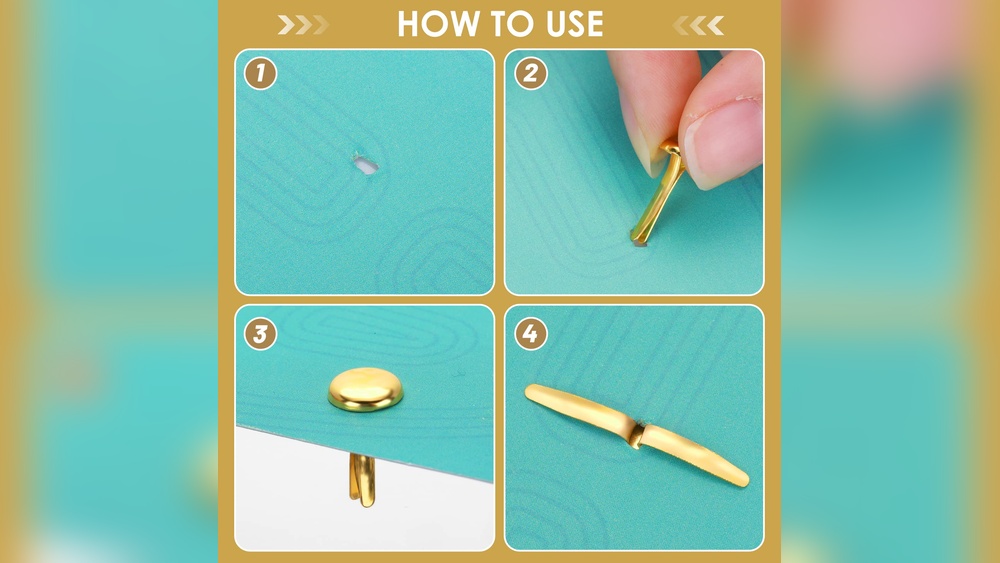
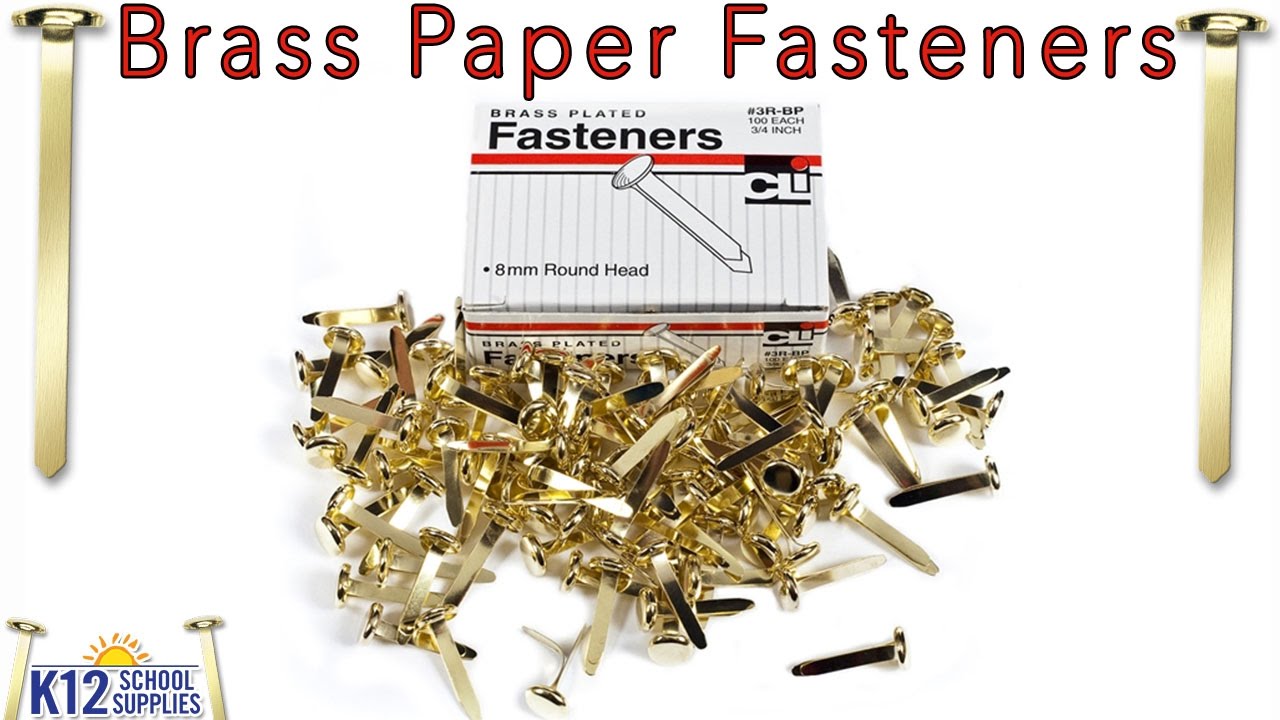
Brads are small metal pins with two legs. You push them through paper holes. Then, spread the legs to hold papers together. They work well for thin stacks of paper. Brads also allow pages to turn easily. Use them for reports, crafts, or presentations.
Prong Fasteners Explained
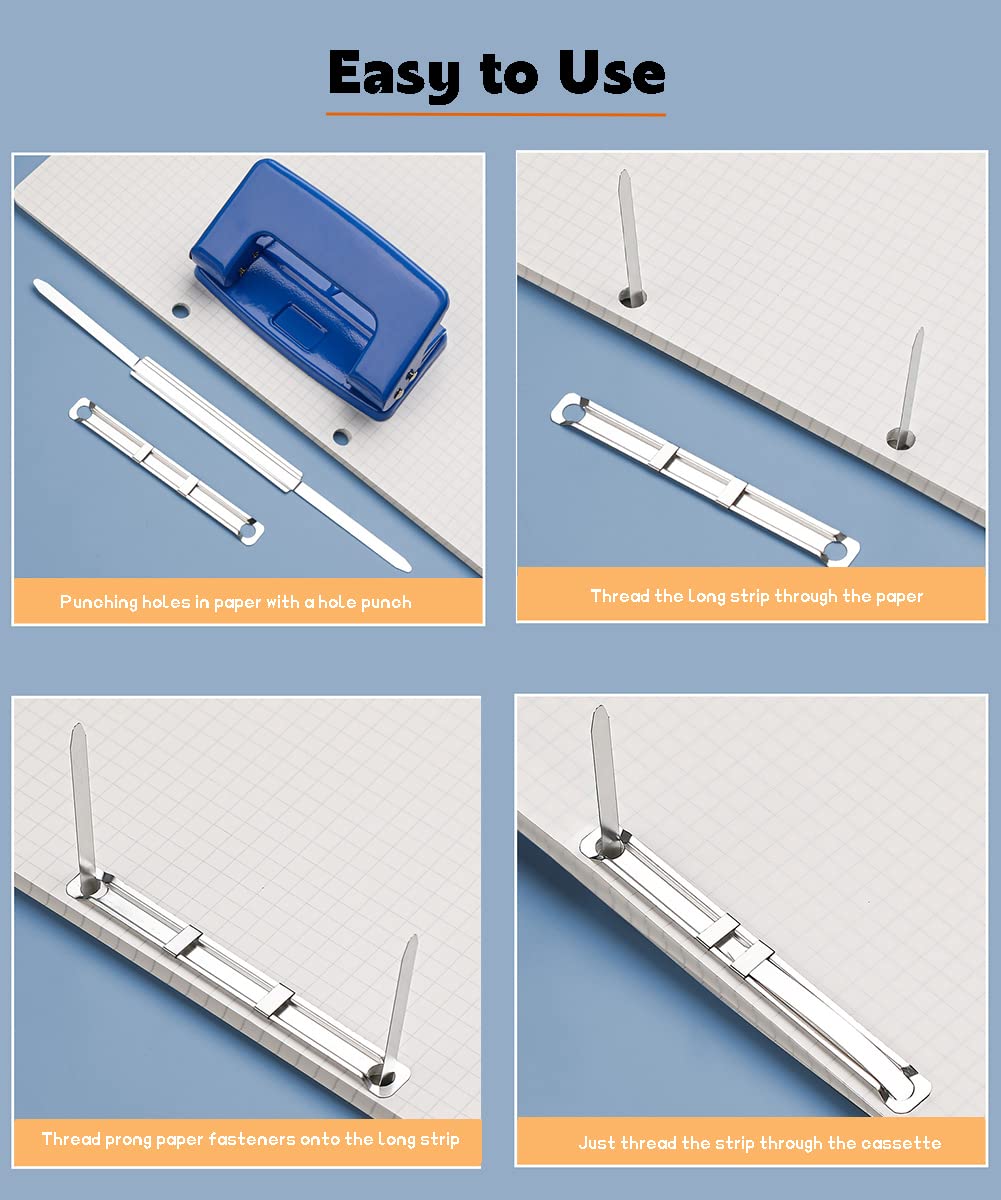
Prong fasteners have a metal base and two long prongs. You punch holes in papers and slide prongs through. Fold prongs flat to secure papers tightly. These fasteners hold large stacks well. Use them for files, documents, or office organization.
Plastic And Metal Clips
Clips come in plastic or metal forms. They clamp papers without punching holes. Clips allow quick addition or removal of papers. Use clips for temporary holds or small stacks. They come in various sizes and colors for easy sorting.
Choosing The Right Fastener
Choosing the right paper fastener is important for keeping your documents neat. The right fastener holds papers securely without damaging them. It also makes your work easier and faster. Consider a few key points before selecting a fastener.
Matching Fasteners To Paper Thickness
Paper thickness varies by the number of sheets. Thin stacks need smaller fasteners. Thick stacks require larger fasteners for a firm hold. Check the fastener size guide on the package. Pick a fastener size that fits your paper stack well.
Considering Document Size
Document size affects the type of fastener you need. Large documents may need longer or wider fasteners. Small documents work well with standard fasteners. Choose a fastener that fits your document without bending or tearing the paper.
Durability And Reusability Factors
Think about how often you will use the fastener. Some fasteners are made for one-time use. Others can be opened and closed many times. Pick a reusable fastener if you need to change papers often. Durable fasteners last longer and hold papers better.
Step-by-step Fastening Process
The step-by-step fastening process helps keep papers neat and organized. It is simple and quick. Follow these clear steps for a secure hold. This guide explains how to use paper fasteners correctly.
Preparing Your Papers
Start by aligning all sheets evenly. Make sure the edges match perfectly. Use a hole punch to create holes where needed. Check that holes are clean and not torn. Proper preparation ensures the fastener works well.
Inserting And Securing Brads
Insert the brad prongs through the holes carefully. Push them all the way through the papers. Open the prongs wide on the back side. Flatten the prongs against the paper surface. This holds the papers firmly in place.
Using Prong Fasteners Correctly
Place the fastener through the punched holes. Pull the prongs out so they extend beyond the papers. Fold the prongs flat to secure the stack. Use a ruler or tool to press prongs down. This prevents papers from shifting or falling.
Credit: www.amazon.sa
Tips For Neat Organization
Keeping papers neat and easy to find is important. Paper fasteners help hold documents together. Using simple tips can make your organization clean and clear. These ideas save time and reduce clutter.
Labeling And Sorting
Label fastened papers clearly. Use tags or small sticky notes. Write the date, topic, or project name. Sort papers by categories. Group similar documents together. This method helps find files fast.
Color Coding Fasteners
Use different colored fasteners for different groups. Red for urgent, blue for ongoing, green for completed. Colors make it easy to spot papers. Your eyes find the right file quickly. This trick keeps your desk tidy.
Avoiding Overstuffing
Do not put too many papers in one fastener. Overstuffing bends or breaks the fastener. It also makes papers hard to flip through. Keep each bundle light and manageable. Change fasteners if the stack grows.
Common Mistakes To Avoid
Using paper fasteners seems simple but mistakes can cause problems. These errors may damage papers or make fastening weak. Avoid common pitfalls to keep documents neat and secure.
Incorrect Hole Placement
Placing holes too close to the edge weakens paper. Holes too far apart make alignment difficult. Measure carefully and punch holes evenly. This ensures the fastener holds papers firmly.
Using The Wrong Fastener Type
Fasteners come in various sizes and styles. Using a small fastener for thick stacks causes tearing. Large fasteners on thin papers look bulky. Match the fastener type to paper thickness for best results.
Forcing Papers Together
Trying to fasten too many papers at once can damage them. It causes folds, tears, or misalignment. Separate large stacks into smaller groups. Fasten each group gently for a clean finish.
Credit: www.youtube.com
Maintaining Your Fastened Documents
Maintaining your fastened documents helps keep papers neat and secure. Proper care prevents damage and loss. It also makes your work easier and more organized.
Regularly Checking Fasteners
Check your paper fasteners often. Look for signs of bending, rust, or looseness. Tighten or adjust them if needed. This keeps papers held firmly together.
Replacing Worn-out Clips
Old fasteners can break or lose grip. Replace worn-out clips quickly. Use the same size and type for best fit. New fasteners protect your documents better.
Storing Fastened Papers Safely
Store fastened papers in a dry, flat place. Avoid bending or folding the documents. Use folders or boxes for extra protection. Safe storage keeps papers clean and intact.

Credit: www.youtube.com
Frequently Asked Questions
What Are Paper Fasteners Used For?
Paper fasteners securely hold multiple sheets together. They organize documents without punching holes or staples. Fasteners allow easy page turning and removal.
How Do You Insert A Paper Fastener?
Punch holes in papers, align fastener prongs through holes. Fold prongs flat against paper back. This keeps sheets firmly attached.
Can Paper Fasteners Be Reused?
Yes, paper fasteners can be reused multiple times. Simply unfold prongs to release papers, then reinsert when needed.
What Types Of Paper Fasteners Exist?
Common types include brass fasteners, plastic fasteners, and split pins. Each varies in material, size, and flexibility for different needs.
Conclusion
Paper fasteners keep your documents neat and organized. They are easy to use and save time. You can join many sheets without damage. Fasteners work well for school, office, or home. Choose the right size for your papers. Store them in a safe place for quick use.
Try them today to keep your work tidy. Simple tools make a big difference in daily tasks.