When you’re tackling a project, big or small, choosing the right fastener can make all the difference between a sturdy result and a frustrating failure. But have you ever stopped to wonder—how many types of fasteners are there, and which one fits your needs perfectly?
From screws to bolts, nuts to rivets, each fastener has a unique role that can affect the strength and durability of your work. You’ll discover the main types of fasteners, understand their specific uses, and learn how to pick the best one for your next task.
Keep reading, because mastering fasteners means mastering your projects with confidence.
Basic Fastener Types
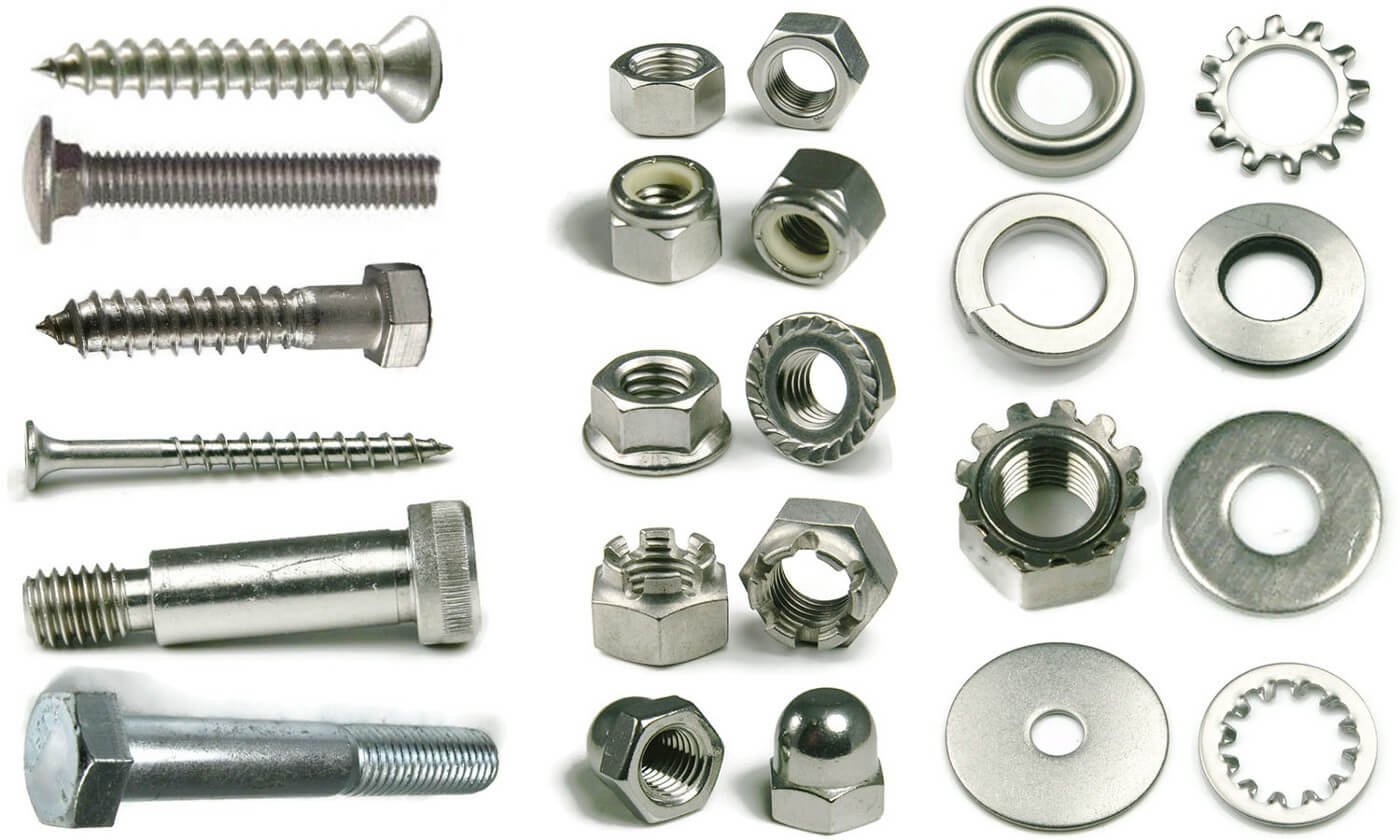
Screws form a major category of fasteners used in various projects. They come in many types, each designed for specific materials and tasks. Knowing screw varieties helps choose the right one for your work. Screws work by cutting threads into the material or fitting into pre-made threads. This section explains the main screw types and their features.
Wood Screws
Wood screws are made to join pieces of wood securely. Their coarse threads grip the wood tightly. The pointed tip helps start the screw without pre-drilling. They often have a smooth shank to pull the wood pieces together. Wood screws come in different lengths and head styles for various wood tasks.
Machine Screws
Machine screws are used with nuts or tapped holes in metal parts. They have uniform threads along the entire shaft. These screws require precise holes for a tight fit. Machine screws are common in machinery, electronics, and automotive work. They come in many sizes and head shapes to fit different tools.
Self-tapping Screws
Self-tapping screws cut their own thread as they are driven in. They save time by removing the need for pre-drilling. These screws are useful for metal, plastic, and wood. Self-tapping screws have sharp threads and tips for easy insertion. They provide strong holding power in thin materials.
Sheet Metal Screws
Sheet metal screws fasten thin metal sheets together or to other materials. Their sharp threads grip metal firmly. These screws work well in HVAC, roofing, and automotive repairs. Sheet metal screws come with different coatings to prevent rust. They often have pan, flat, or hex heads for various tools.
Credit: www.fas10.in
Screw Varieties
Bolts are essential fasteners used in many construction and repair tasks. They come in different shapes and sizes for various needs. Understanding bolt categories helps you pick the right bolt for your project.
Each type of bolt has unique features and uses. Some bolts hold heavy materials, while others are designed for wood or metal. Let’s explore the main bolt categories and their key characteristics.
Hex Bolts
Hex bolts have a six-sided head. This shape allows easy gripping with a wrench or socket. They are common in machinery and construction. Hex bolts provide strong and durable connections.
Carriage Bolts
Carriage bolts have a round head with a square neck. The neck fits tightly into wood or metal. This design stops the bolt from turning when tightening. Carriage bolts are ideal for wood projects.
Lag Bolts
Lag bolts are large and have coarse threads. They are made for heavy wood fastening. Lag bolts are used in building decks or wooden frames. They need a pilot hole before installation.
Eye Bolts
Eye bolts have a looped head shaped like an eye. They are used to attach cables or ropes. Eye bolts provide secure lifting points. They are common in rigging and hoisting jobs.
Bolt Categories
Nuts are essential fasteners that work with bolts to hold parts tightly. They come in different shapes and functions. Each type serves a specific purpose in fastening applications. Understanding nut types helps choose the right one for your project.
Hex Nuts
Hex nuts are the most common type of nut. They have six flat sides for easy gripping with a wrench. These nuts fit standard bolts and provide strong fastening. Hex nuts are used in machines, construction, and automotive repairs.
Lock Nuts
Lock nuts prevent loosening under vibration or movement. They have a special design to grip the bolt tightly. Some use nylon inserts or a deformed thread to lock in place. Lock nuts are ideal for machinery and equipment that move or shake.
Wing Nuts
Wing nuts have two large “wings” for hand tightening. They do not need tools and are easy to remove. These nuts are used where frequent adjustments or removals are required. Wing nuts are common in furniture and light fixtures.
Cap Nuts
Cap nuts have a domed top to cover the bolt end. This protects threads and prevents injury from exposed bolts. They give a finished look and protect against dirt and moisture. Cap nuts are used in decorative and safety applications.
Nut Types
Washers are small but vital components in fastening systems. They sit between the fastener and the material surface. Their main job is to spread the load evenly. This helps prevent damage and loosening of the fastener. Washers come in different types, each designed for a specific purpose. Understanding these types can help you choose the right washer for your project.
Flat Washers
Flat washers are the most common type. They are simple, thin discs with a hole in the center. Their main job is to distribute pressure from the fastener. This stops damage to the surface and reduces wear. Flat washers also help fill gaps between parts.
Lock Washers
Lock washers prevent fasteners from loosening due to vibrations. They come in shapes like split rings or toothed designs. These washers bite into the material and fastener head. This creates extra friction and keeps the fastener tight. Lock washers are useful in machines and vehicles.
Fender Washers
Fender washers have a larger outer diameter than flat washers. This wide surface spreads the load over a bigger area. They protect soft or thin materials from being crushed. Fender washers are often used in automotive and electrical work.
Sealing Washers
Sealing washers provide a leak-proof seal around fasteners. They usually have a rubber or soft material layer. This layer blocks water, air, or dust from entering. Sealing washers are common in plumbing and outdoor equipment.
Rivet Styles
Fasteners come in many materials. The choice affects strength, durability, and cost. Different jobs need specific materials for the best results. Some materials resist rust, while others are light or decorative. Understanding material choices helps pick the right fastener for your project.
Steel Fasteners
Steel fasteners are strong and widely used. They handle heavy loads and tough conditions. Steel can rust if not treated. Many steel fasteners get coatings to prevent rust. They work well in construction and machinery.
Stainless Steel Fasteners
Stainless steel fasteners resist rust and corrosion. They last longer in wet or outdoor settings. Stainless steel is a bit more expensive than regular steel. These fasteners are common in kitchens and marine environments. They look shiny and clean for a neat finish.
Brass Fasteners
Brass fasteners are softer than steel but resist corrosion well. They are good for electrical and decorative uses. Brass has a gold-like color that appeals to designers. These fasteners do not rust, making them ideal for moist areas. They are easy to shape and work with.
Plastic Fasteners
Plastic fasteners are light and resist many chemicals. They do not conduct electricity, useful for electronics. Plastic fasteners are less strong but do not rust or corrode. They come in many colors and sizes for different uses. Ideal for light loads and non-metal applications.

Credit: indiandiy.blogspot.com
Washer Varieties
Specialty fasteners serve unique purposes beyond basic joining tasks. They provide solutions for specific materials, shapes, or environmental conditions. These fasteners ensure strong, reliable connections in challenging situations. Their designs often address problems standard fasteners cannot handle.
Threaded Inserts
Threaded inserts create strong threads in soft materials. They are commonly used in wood, plastic, and metal. Inserts allow repeated assembly and disassembly without wear. They improve load distribution and prevent material damage. These fasteners come in various forms like helical coil and press-fit types.
Anchors
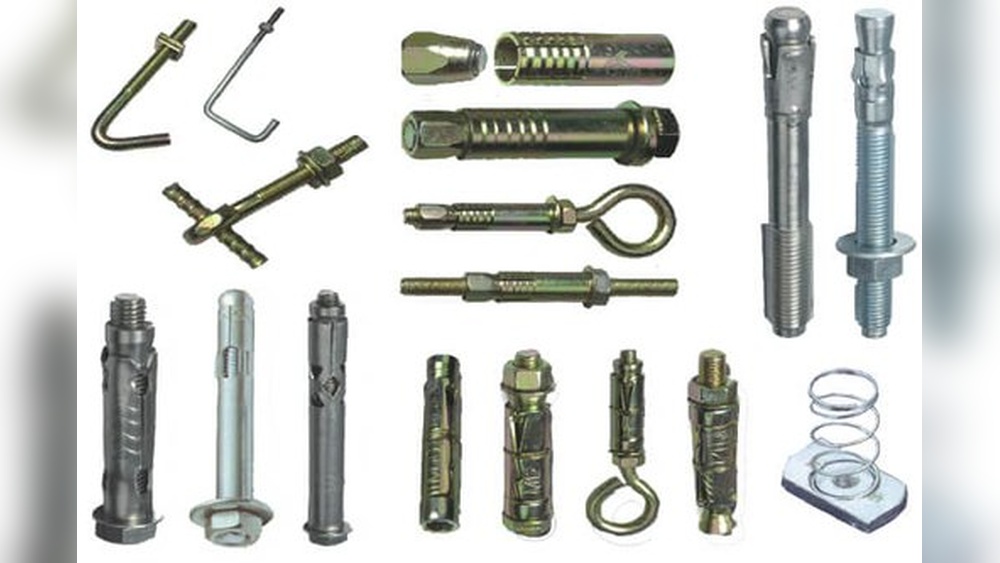
Anchors secure fasteners in hollow or brittle materials. They expand or grip inside walls, concrete, or drywall. Anchors provide extra holding power where screws alone would fail. Different types include expansion anchors, toggle bolts, and sleeve anchors. They are essential for mounting heavy objects safely.
Clips And Clamps
Clips and clamps hold parts together without threading. They offer quick assembly and easy removal. Clips often snap onto panels or edges to keep pieces aligned. Clamps apply pressure to hold objects firmly during work or transport. These fasteners are common in automotive and electronics industries.
Locking Mechanisms
Locking fasteners prevent loosening due to vibration or movement. They use features like nylon inserts or locking tabs. These mechanisms maintain tight joints in machines and vehicles. Types include lock nuts, lock washers, and safety wire fasteners. Locking fasteners enhance safety and reliability in critical applications.

Credit: abalegal.eu
Frequently Asked Questions
What Are The Five Basic Types Of Fasteners?
The five basic types of fasteners are screws, bolts, nuts, rivets, and washers. Screws thread into materials directly. Bolts pair with nuts to secure objects. Nuts have internal threads to fasten bolts. Rivets create permanent joints by deforming ends. Washers distribute load and protect surfaces.
How Many Types Of Fastening Are There?
There are five basic types of fasteners: screws, bolts, nuts, rivets, and washers. Each serves a unique fastening purpose.
What Are The 5 Ways To Identify Fasteners?
Identify fasteners by their type: screws, bolts, nuts, rivets, and washers. Check thread style, head shape, and usage.
What Is The Most Popular Fastener?
The most popular fastener is the screw. Screws create strong, secure holds by threading directly into materials without needing nuts.
Conclusion
Fasteners come in many types, each serving a unique purpose. Screws, bolts, nuts, rivets, and washers form the basic categories. Choosing the right fastener depends on the job and materials involved. Knowing their differences helps ensure strong and lasting connections.
Fasteners keep structures secure and reliable every day. Understanding these types makes projects easier and safer. Remember, the right fastener makes all the difference.