When you’re working on a project that involves joining materials, you might wonder: are fasteners and screws the same thing? It’s easy to think they’re interchangeable, but understanding the difference can save you time, effort, and even money.
If you want your work to be strong and reliable, knowing exactly what you’re using—and why—matters a lot. You’ll discover how fasteners and screws relate, what sets them apart, and how choosing the right one affects your results. Keep reading, and you’ll never confuse these essential tools again.

Credit: www.theengineeringchoice.com
Fasteners Defined
A fastener is a hardware device that mechanically joins or affixes two or more objects together. Fasteners hold materials tightly, ensuring stability and strength in construction or manufacturing. They come in many shapes and sizes, designed for different jobs and materials.
Understanding fasteners helps choose the right tool for any project. Screws are just one kind of fastener among many others.
Types Of Fasteners
Fasteners include screws, bolts, nuts, nails, rivets, and anchors. Each type has a unique shape and function. Screws have threads that dig into materials. Bolts need nuts to hold parts together. Nails are smooth and hammered into place. Rivets fasten materials by deforming the tail end. Anchors secure fasteners in walls or concrete.
Common Uses
Fasteners are used in building homes, furniture, vehicles, and machines. Screws work well for wood and metal parts. Bolts hold heavy machinery and structural components. Nails are common in framing and woodworking. Rivets appear in metalwork and aircraft. Anchors fix items to walls or concrete surfaces.
What Makes A Screw
Screws play a vital role in holding materials firmly together. They differ from other fasteners in unique ways. Understanding what makes a screw helps to see how it works in various projects.
A screw has specific features that allow it to grip materials tightly. These features include its thread design, ability to tap its own hole, and how it fastens from one side only. Each aspect adds to its efficiency and use.
Thread Design
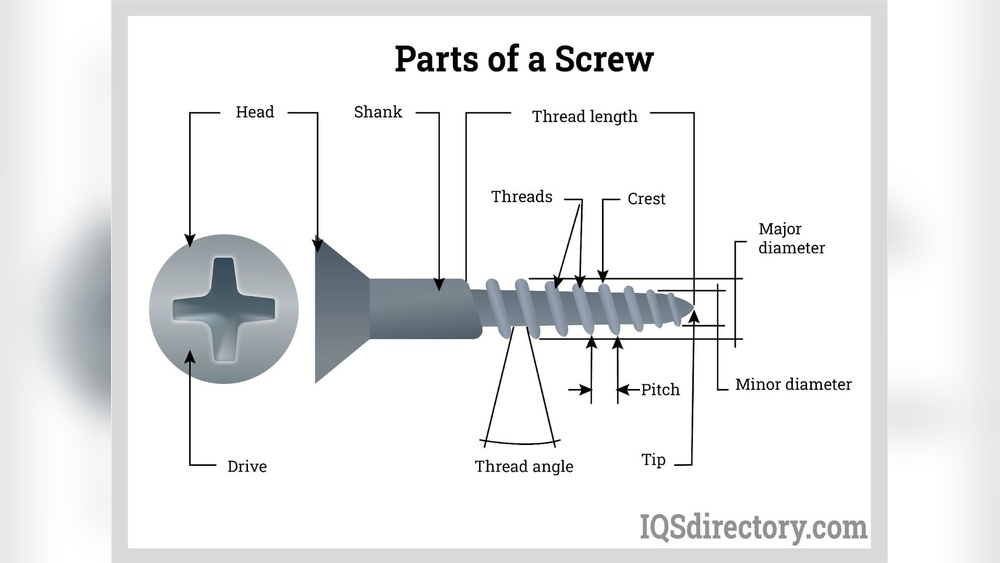
Screw threads are helical ridges wrapping around the shaft. They dig into materials and create a strong hold. The thread spacing and shape affect how well the screw grips. Coarse threads work well in soft materials. Fine threads are better for hard materials.
Self-tapping Ability
Many screws can cut their own hole while being driven in. This self-tapping feature saves time and effort. It removes the need for pre-drilling in some materials. Self-tapping screws are common in wood, plastic, and metal work.
Single-side Fastening
Screws fasten materials from one side only. They do not require a nut on the opposite side. This makes screws easier to use in tight or hidden spaces. Single-side fastening helps in assembly and repair tasks.
Bolt Characteristics
Bolts have distinct features like requiring a nut to hold parts tightly. Screws, on the other hand, twist directly into materials. These differences define their roles, though both are types of fasteners used to join objects securely.
Bolts are strong fasteners used to join two or more parts tightly. They differ from screws by their design and how they work. Bolts require extra components and have unique features that make them suitable for heavy-duty tasks.
Need For A Nut
A bolt always needs a nut to hold parts together firmly. The nut screws onto the bolt’s threads, creating a secure connection. Without a nut, the bolt cannot fasten materials properly. This combination provides high strength and stability.
Two-sided Fastening
Bolts fasten objects from both sides. One side has the bolt head, and the other side has the nut. This design helps spread the load evenly. It also prevents the bolt from loosening under vibration or pressure.
Thread And Shank Structure
Bolts have a threaded section and a smooth shank. The threads grip the nut tightly. The smooth shank provides strength and resists bending. This structure makes bolts ideal for heavy and structural applications.

Credit: www.tjlituo.com
Key Differences Between Screws And Bolts
Understanding the key differences between screws and bolts helps in choosing the right fastener. Both are common fasteners but serve different purposes. Their design and use vary in several important ways. Below are the main distinctions to consider.
Thread Engagement
Screws have threads that run along most or all of their length. They cut into the material for a tight grip. Bolts usually have threads only on part of the shaft. They rely on a nut to secure the joint firmly.
Installation Methods
Screws are often driven directly into wood, metal, or plastic. This does not require a nut or washer. Bolts need a pre-drilled hole and a matching nut. The nut tightens the bolt and holds parts together.
Load Bearing
Bolts are designed to handle higher loads and stress. Their strength comes from the combination of bolt and nut. Screws are better for lighter loads and fastening single pieces. They rely on thread friction within the material.
Other Fastener Types
Fasteners include more than just screws and bolts. Various types serve different purposes in construction and DIY projects. Understanding these other fasteners helps choose the right one for your task. They offer unique benefits depending on the materials and conditions involved.
Nails And Anchors
Nails are simple fasteners made of metal. They hold materials like wood together using friction. Nails drive straight into the material without threading. This makes them quick and easy to install.
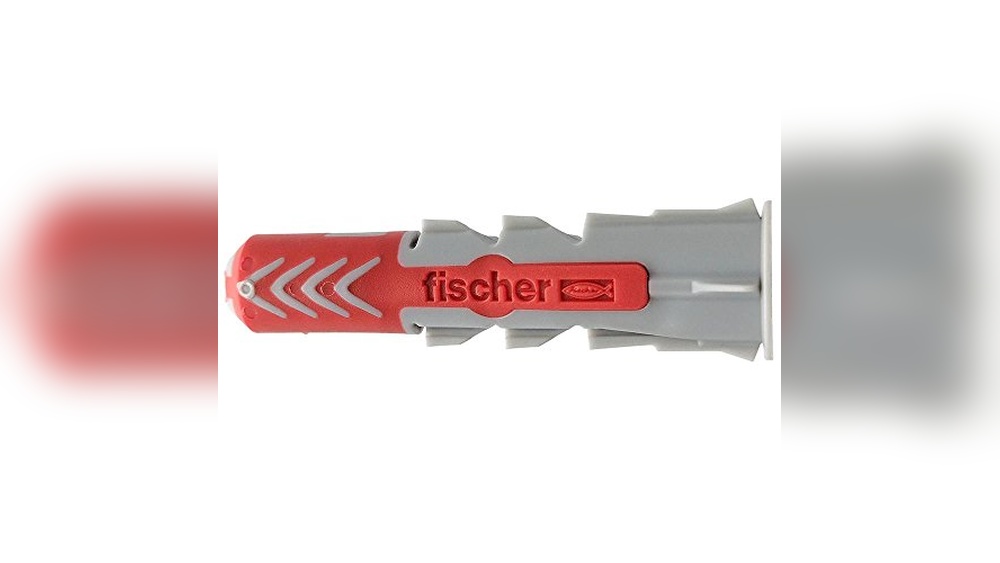
Anchors provide extra support in materials like drywall or concrete. They expand or grip inside the hole to hold screws securely. Anchors prevent screws from loosening in soft or brittle surfaces. They are essential for hanging heavy items safely.
Specialty Fasteners
Specialty fasteners include items like rivets, clips, and toggle bolts. Rivets join materials permanently by deforming the fastener end. Clips hold parts together without screws or nails. Toggle bolts use spring-loaded wings to secure objects inside hollow walls.
Each specialty fastener suits specific tasks that screws or nails cannot handle well. They often provide stronger or more flexible connections. Choosing the right specialty fastener improves project stability and longevity.

Credit: www.youtube.com
Choosing The Right Fastener
Choosing the right fastener is key to a successful project. Fasteners come in many types, each designed for specific uses. Selecting the wrong fastener can cause weak joints or damage materials. This section helps you pick the best fastener for your needs.
Material Compatibility
Fasteners must match the materials they join. Some metals react badly with others, causing rust or corrosion. Use stainless steel fasteners for outdoor or wet areas. For wood, choose screws designed to grip wood fibers tightly. Plastic or soft materials need special fasteners to avoid cracking.
Project Requirements
Think about what your project needs. Is it a heavy load or light decoration? Fasteners for heavy loads must be strong and secure. Small craft projects require smaller, less powerful fasteners. Also, check if the fastener needs to be removable or permanent. This affects the type and design you choose.
Strength And Durability
Choose fasteners that can hold under stress and time. Steel fasteners offer high strength for heavy-duty use. Brass or aluminum fasteners work well for lighter tasks and resist corrosion. Consider the environment where the fastener will be used. Coastal areas need rust-resistant options for long life.
Frequently Asked Questions
Is A Fastener The Same As A Screw?
A fastener is a general device that joins objects. A screw is a fastener with threads that secure by twisting into material.
What Are Examples Of Fasteners?
Examples of fasteners include screws, bolts, nuts, nails, washers, rivets, anchors, clips, and clamps. These hardware items join materials securely.
What Is A Female Screw Called?
A female screw is called a nut. It has internal threads to receive a male screw or bolt.
Are Nails And Screws Fasteners?
Yes, nails and screws are both fasteners. They join materials by holding them together securely.
Conclusion
Fasteners include many types of hardware, not just screws. Screws are a specific kind of fastener with threads. They often hold materials by twisting into them. Bolts, nuts, and nails also fall under fasteners. Knowing the difference helps in choosing the right tool.
Each fastener serves a unique purpose in construction. Using the correct fastener improves strength and safety. Always pick fasteners based on your project’s needs. This knowledge makes your work easier and more effective.