Have you ever wondered what holds things together, from your furniture to the gadgets you use every day? That’s where fasteners come in.
But what exactly is a fastener, and why is it so important for your projects and repairs? Understanding fasteners can save you time, money, and frustration. You’ll discover what fasteners are, how they work, and how to choose the right one for your needs.
Keep reading—you’ll be surprised how something so small can make a big difference.
Fastener Basics
Fasteners are small but essential parts used in many products and structures. They hold things together firmly. Understanding fastener basics helps in choosing the right type for any job.
This section covers what fasteners are, the materials used, and how they work.
What Is A Fastener
A fastener is a hardware device that joins two or more objects. It keeps parts connected without changing their shape. Examples include screws, bolts, nuts, and nails. Fasteners create strong and lasting bonds.
Common Fastener Materials
Fasteners come in many materials. Steel is strong and widely used. Stainless steel resists rust and lasts longer. Brass offers good corrosion resistance and looks nice. Plastic fasteners are light and resist chemicals. Material choice depends on strength and environment needs.
How Fasteners Work
Fasteners hold parts by gripping or threading. Screws and bolts use threads to twist and lock tightly. Nails use friction to stay in place. Some fasteners use pressure or clips. Good fasteners prevent parts from moving or falling apart.
Types Of Fasteners
Fasteners are essential in construction, repair, and manufacturing. They hold parts together securely. Different tasks need different types of fasteners. Choosing the right fastener ensures strength and durability. Below are the common types used in many projects.
Bolts And Screws
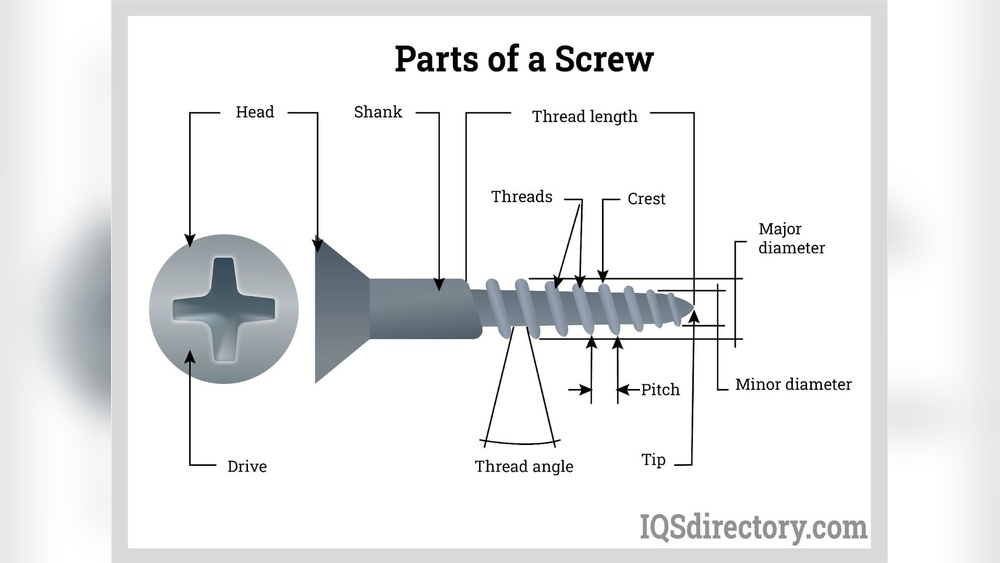
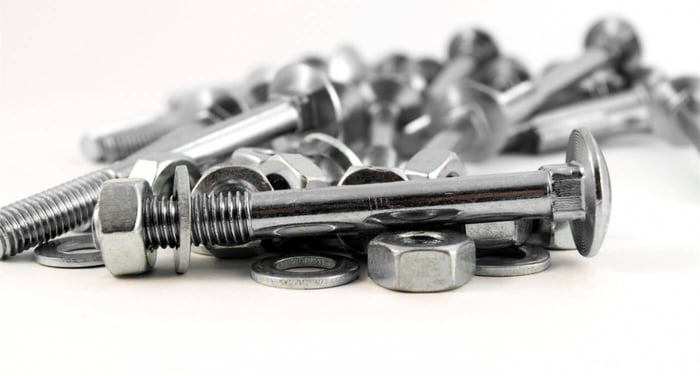
Bolts and screws are similar but serve different roles. Bolts need nuts to hold parts tightly. Screws screw directly into materials like wood or metal. Both come in many sizes and shapes. They provide strong and reliable connections.
Nuts And Washers
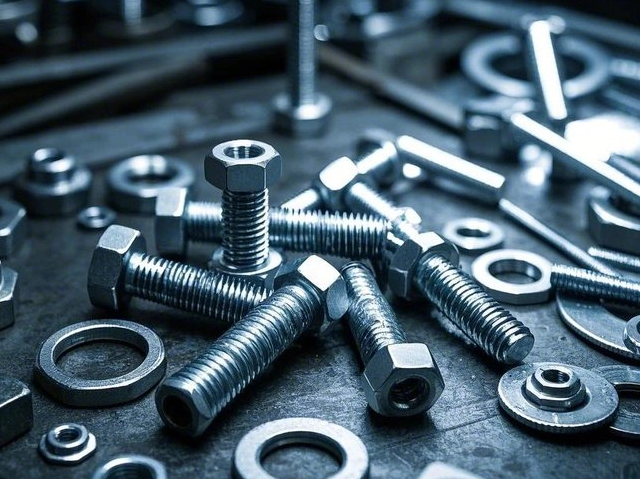
Nuts pair with bolts to secure joints. They screw onto the bolt’s threaded end. Washers sit under nuts or bolt heads. Washers spread pressure and prevent damage to surfaces. They help keep fasteners tight and stable.
Rivets
Rivets join materials by deforming their tail end. They create a permanent bond that does not loosen. Common in metal construction and aircraft assembly. Rivets are strong and resist vibration well. They offer a smooth finish without threads.
Clips And Clamps
Clips and clamps hold parts without threads or screws. Clips snap into place and are easy to remove. Clamps apply pressure to hold objects firmly. Both are useful for temporary or adjustable fastening. Often used in automotive and furniture assembly.
Anchors And Inserts
Anchors secure fasteners in weak materials like drywall. Inserts create strong threads inside soft materials. Both improve holding power and prevent fasteners from pulling out. They come in plastic, metal, and other materials. Ideal for walls, concrete, and wood.
Choosing The Right Fastener
Choosing the right fastener is important for every project. The right fastener keeps parts secure and lasts long. Picking the wrong one can cause problems later. Understanding key factors helps in making the best choice. Consider material, strength, environment, and ease of use.
Material Compatibility
Fasteners must match the materials they join. Different metals can cause rust or damage. Use fasteners made from similar or compatible materials. For wood, choose screws made for wood. For metal, use bolts or rivets designed for metal parts.
Load And Strength Requirements
Know how much weight the fastener will hold. Some fasteners hold heavy loads, others do not. Choose a fastener with the right strength. Check the size and type for the job. Too weak fasteners can break or bend easily.
Environmental Factors
Think about where the fastener will be used. Outdoor fasteners need to resist rain and sun. Use rust-resistant or stainless steel fasteners outside. For wet or salty areas, pick corrosion-proof types. This helps fasteners last longer and work well.
Ease Of Installation
Choose fasteners that are easy to install. Some require special tools or skills. Simple screws or nails work for quick jobs. Complex fasteners may need drills or wrenches. Pick fasteners that fit your tools and skills.
Credit: www.hainafastener.com
Fastener Applications
Fasteners play a key role in many industries. They hold parts together securely and make structures strong. Different types of fasteners suit different jobs. Their applications vary from small electronics to large buildings. Understanding where fasteners are used helps us see their importance.
Construction
Fasteners in construction join wood, metal, and concrete parts. Nails, screws, and bolts keep buildings stable. They make bridges, houses, and skyscrapers safe. Using the right fastener is vital for durability. They resist wind, weight, and weather forces.
Automotive
Cars rely on fasteners to hold parts like engines and doors. Bolts and clips keep components in place during travel. Fasteners help absorb shocks and vibrations. They ensure safety and smooth vehicle operation. Precision fasteners improve fuel efficiency and reduce noise.
Electronics
Small screws and clips fasten circuit boards and screens. Fasteners protect delicate parts from damage. They allow easy repair or replacement of components. Fasteners in electronics must be tiny but strong. They help devices stay compact and reliable.
Furniture
Fasteners join wood, metal, and plastic parts in furniture. Screws and bolts create sturdy chairs, tables, and beds. They support weight and prevent wobbling. Fasteners also make it easy to assemble and move furniture. Quality fasteners improve lifespan and safety.
Diy Projects
DIY enthusiasts use fasteners for home repairs and crafts. Screws, nails, and anchors fix shelves, cabinets, and decorations. Fasteners make projects stable and long-lasting. They fit various materials like wood, drywall, and plastic. Choosing the right fastener leads to better results.
Fastener Maintenance And Safety
Fastener maintenance and safety are essential for secure and lasting connections. Proper care prevents failures and keeps structures safe. Regular checks and correct handling extend fastener life and ensure safety.
Inspection Tips
Check fasteners regularly for signs of damage or wear. Look for cracks, rust, or loose parts. Tighten any loose fasteners immediately. Use a flashlight to spot hidden issues. Keep a record of inspection dates and findings.
Proper Torque Settings
Apply the correct torque to avoid over-tightening or loosening. Use a torque wrench for accuracy. Follow manufacturer guidelines for each fastener type. Incorrect torque can cause fasteners to fail or damage materials. Re-check torque after initial installation.
Preventing Corrosion
Protect fasteners from moisture and chemicals. Use coatings like paint or anti-rust sprays. Choose stainless steel or coated fasteners in wet areas. Clean fasteners regularly to remove dirt and salt. Replace corroded fasteners promptly to avoid failure.
Replacing Worn Fasteners
Replace fasteners showing wear or damage immediately. Use the same size and type for replacements. Do not reuse fasteners that are stretched or cracked. Proper replacement ensures continued strength and safety. Dispose of old fasteners safely to avoid hazards.
Credit: fastenersdirect.com

Credit: neolube.com
Frequently Asked Questions
What Is A Fastener Used For In Construction?
A fastener joins two or more objects securely. It ensures structural stability and holds materials in place. Common fasteners include screws, bolts, and nails. They are essential in building, manufacturing, and repairs.
What Are The Common Types Of Fasteners?
Common fasteners include screws, nails, bolts, nuts, and rivets. Each type serves different purposes based on strength and application. Selection depends on materials and load requirements. Proper fastener choice ensures durability and safety.
How Do Fasteners Differ From Adhesives?
Fasteners provide mechanical joining, while adhesives bond chemically. Fasteners allow easy disassembly; adhesives create permanent bonds. Fasteners are preferred for strength and reusability. Adhesives suit delicate or smooth surfaces without drilling.
Why Is Fastener Material Important?
Fastener material affects strength, corrosion resistance, and durability. Steel fasteners are strong but may rust. Stainless steel resists corrosion but costs more. Choosing the right material ensures longevity and performance in specific environments.
Conclusion
Fasteners hold parts together in many objects we use daily. They come in different shapes and sizes for various jobs. Knowing about fasteners helps in choosing the right one for your work. They make construction and repair easier and safer.
Simple tools and fasteners build strong structures. Understanding their role adds value to any project you do. Keep fasteners in mind for reliable and lasting results.