Have you ever struggled with attaching snap fasteners to your clothes or craft projects? If so, you’re not alone.
Snap fastener pliers are the perfect tool to make this task quick and easy, but only if you know how to use them right. In this guide, you’ll discover simple, step-by-step instructions that will help you get professional-looking results every time.
Keep reading, and you’ll master this handy skill that saves you time and frustration. Your next project will thank you!
Choosing Snap Fastener Pliers
Choosing the right snap fastener pliers is important for a smooth project. The pliers must fit your needs and work well with your materials. Picking the correct type, size, and quality helps you apply snap fasteners easily and firmly. This guide will help you understand what to look for.
Types Of Snap Fastener Pliers
Snap fastener pliers come in manual and automatic types. Manual pliers are simple and cost less. They need physical strength but give good control. Automatic pliers are faster and easier to use. They work well for many snaps at once. Choose the type that fits your project size and frequency.
Materials And Build Quality
Look for pliers made from strong metals like steel. Good build quality means the pliers last longer. Avoid cheap plastic parts that break easily. Solid handles help you grip tightly without slipping. A well-made tool ensures snap fasteners fit tightly every time.
Selecting The Right Size
Snap fasteners come in different sizes. Your pliers must match the size of snaps you use. Using the wrong size can damage snaps or fabric. Many pliers come with interchangeable dies for different sizes. Check the sizes before buying to avoid problems later.
Preparing Materials
Preparing materials is the first step in using snap fastener pliers. This stage helps ensure your project turns out neat and strong. Getting everything ready saves time and avoids mistakes. Proper preparation makes the snap fasteners easy to attach and last longer.
Choosing Suitable Fabric
Select fabric that matches your project needs. Thick fabrics like denim or canvas hold snaps well. Thin or stretchy fabrics may tear or stretch around snaps. Test a small fabric piece to check how it handles snap pressure. Choose fabric that stays firm and does not move too much.
Marking Snap Placement
Use a pencil or fabric marker to mark snap spots. Accurate marks keep snaps aligned and even. Measure carefully to place snaps at the right distance. Mark both sides of the fabric where the snaps meet. Clear marks help avoid mistakes during snap attachment.
Gathering Additional Tools
Prepare other tools for a smooth process. Have scissors ready to cut threads or fabric if needed. A ruler or tape measure helps with precise marking. Keep a small hammer handy for some snap types. Organize tools nearby to avoid searching during work.
Setting Up Pliers
Setting up snap fastener pliers correctly is the first step to a smooth project. Proper setup ensures the snaps attach firmly and look neat. It also helps avoid damage to your fabric and the fastener parts.
Before starting, organize your snap fastener components. Keep them within reach. This makes the process faster and easier.
Attaching Snap Fastener Components
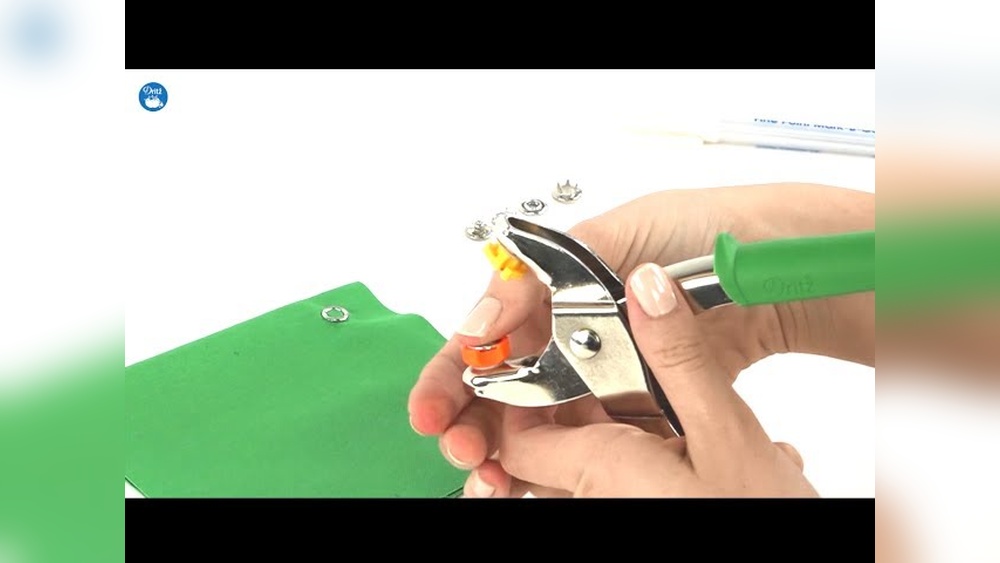
Begin by placing the snap cap in the top jaw of the pliers. The cap is the visible part of the snap. Insert the socket or stud into the bottom jaw. These parts fit together to hold the fabric tightly.
Ensure the components face each other correctly. Misalignment can cause weak snaps or damage. Press the handles gently to test the fit. Adjust if the parts do not line up perfectly.
Adjusting For Fabric Thickness
Thicker fabrics need a wider gap between the plier jaws. Thin fabrics require a tighter grip to avoid crushing. Most pliers have a small screw or knob for adjustment.
Turn the screw to set the right distance. Test on a scrap piece of fabric first. This prevents mistakes on your main material. Proper adjustment helps the snap hold well without damaging fabric.

Credit: www.thesewingdirectory.co.uk
Attaching Snap Fasteners
Attaching snap fasteners is a simple task with the right tools. Snap fastener pliers help you fix snaps securely on fabric or leather. Proper attachment ensures the snaps work well and last long. Follow these steps for the best results.
Positioning The Snap Correctly
Place the snap parts on the fabric carefully. The socket and stud must face each other. Make sure the fabric is flat and smooth. Position the snap where you want it to stay. A small mistake here can cause misalignment.
Applying Pressure Evenly
Hold the pliers firmly but gently. Apply steady pressure to close the snap parts. Avoid pressing too hard to prevent damage. Too little pressure may leave the snap loose. Even pressure helps the snap fasten tightly.
Checking Snap Alignment
After attaching, check if the snap parts line up. The snap should close without force. Test it by opening and closing a few times. Misaligned snaps wear out quickly or don’t stay closed. Adjust or reattach if needed for perfect fit.
Troubleshooting Common Issues
Using snap fastener pliers can be easy, but some common problems may arise. These issues can affect the look and function of your snaps. Knowing how to fix them helps you get the best result every time. Here are simple ways to solve common snap fastener problems.
Fixing Misaligned Snaps
Misaligned snaps do not close properly or look uneven. Check if the snap parts are placed correctly on the fabric. Use the pliers carefully to press the snap pieces straight. Try pressing again if the snap feels loose or crooked. Align the top and bottom parts before squeezing the pliers. This ensures the snap works smoothly and looks neat.
Dealing With Fabric Damage
Fabric can tear or stretch while attaching snaps. Use a small piece of interfacing or fabric behind the snap area. This adds strength and protects the fabric. Avoid pressing too hard with the pliers. Hold the fabric tight but gentle during the process. Choose snap size and type that suit your fabric thickness. This reduces damage and keeps fabric looking good.
Ensuring Snap Durability
Snaps should stay secure and last long. Make sure the snap parts fit well together before pressing. Use firm but steady pressure with the pliers for a strong hold. Avoid over-bending or forcing the snap pieces. Test the snap by opening and closing it several times. Replace worn or bent snaps to keep your project durable and functional.

Credit: www.youtube.com
Maintaining Snap Fastener Pliers
Maintaining snap fastener pliers keeps them working well for a long time. Regular care prevents damage and saves money. Simple steps after each use help the tools stay clean and smooth. Proper storage protects pliers from rust and wear. These small actions make a big difference.
Cleaning After Use
Wipe the pliers with a dry cloth after every use. Remove dirt, fabric, and metal bits stuck in the jaws. Avoid using water, as it can cause rust. For tough grime, use a soft brush gently. Clean pliers work better and last longer.
Lubricating Moving Parts
Apply a drop of light machine oil to the joints. Move the handles to spread the oil evenly. This reduces friction and stops squeaking. Lubrication keeps the pliers opening and closing smoothly. Do this once a month or when the pliers feel stiff.
Safe Storage Tips
Store the pliers in a dry place to prevent rust. Use a tool box or a drawer with a soft lining. Keep them away from heavy tools that can cause damage. Avoid leaving pliers in damp or dusty areas. Proper storage keeps them ready for the next job.

Credit: www.amazon.com.au
Frequently Asked Questions
How Do Snap Fastener Pliers Work?
Snap fastener pliers press two snap parts together securely. They align and clamp the snap without damaging fabric. This tool simplifies attaching snaps quickly and evenly. It ensures a strong, professional finish on garments and accessories.
What Materials Can Snap Fastener Pliers Handle?
Snap fastener pliers work on various materials like fabric, leather, and vinyl. They are suitable for lightweight to medium-weight textiles. Using the right snap size ensures secure attachment. Avoid using them on very thick or hard materials.
How To Choose The Right Snap Fastener Size?
Select snap size based on fabric thickness and project type. Small snaps suit lightweight fabrics; larger ones fit heavier materials. Check the pliers’ compatibility with snap sizes before purchase. Correct sizing ensures durability and proper function.
Can Snap Fastener Pliers Be Used For Repairs?
Yes, snap fastener pliers are ideal for repairing snaps on clothes. They allow quick replacement without sewing. This tool helps restore the snap’s functionality easily. It saves time and keeps garments wearable longer.
Conclusion
Snap fastener pliers make attaching snaps quick and easy. Hold the fabric firmly before pressing the pliers. Align the snap parts carefully to avoid mistakes. Practice on scrap material to build confidence. Clean the pliers regularly to keep them working well.
Using these tools saves time and effort in sewing projects. Snap fastener pliers are useful for clothes, bags, and crafts. With simple steps, you can create neat and strong snaps. Enjoy your work and wear your creations proudly!