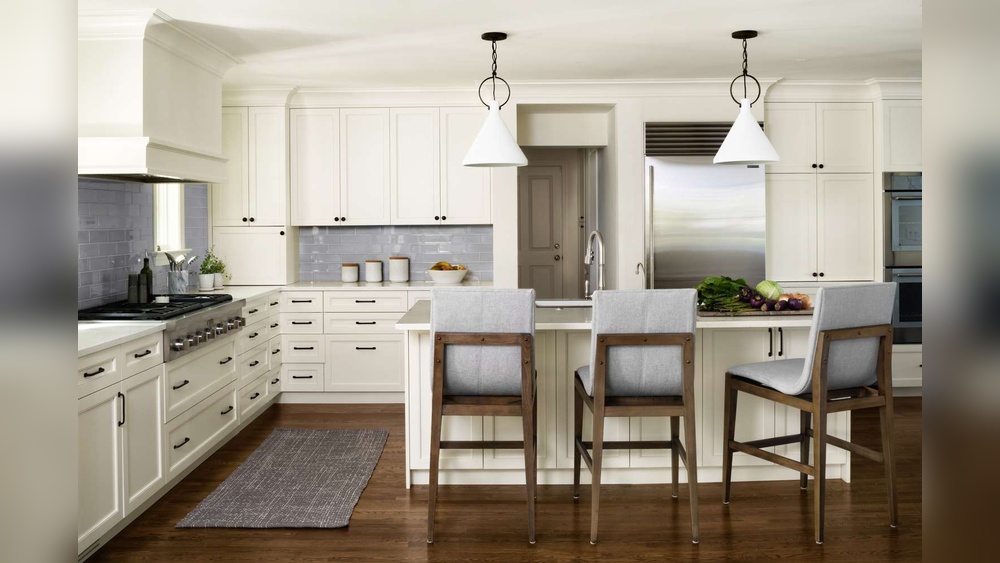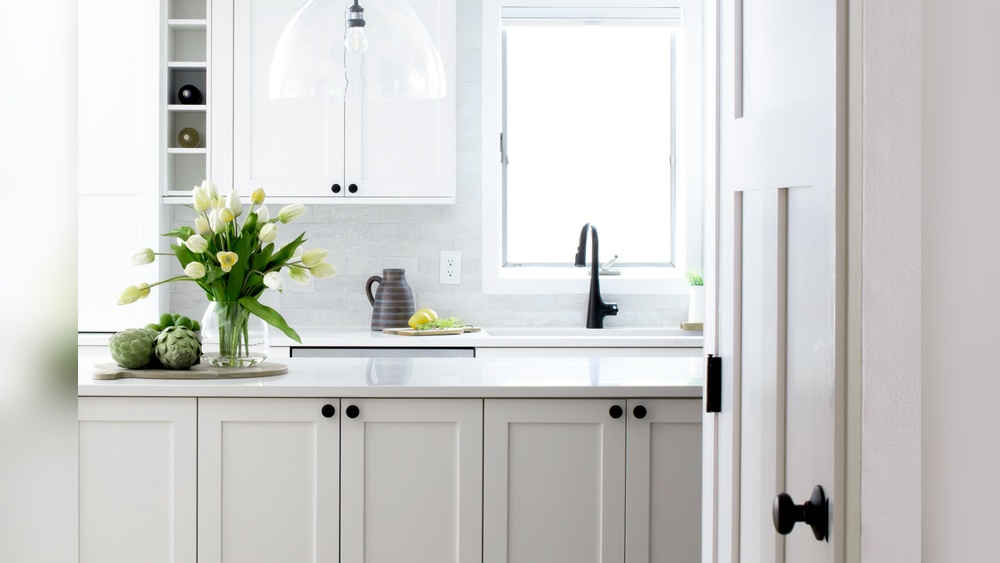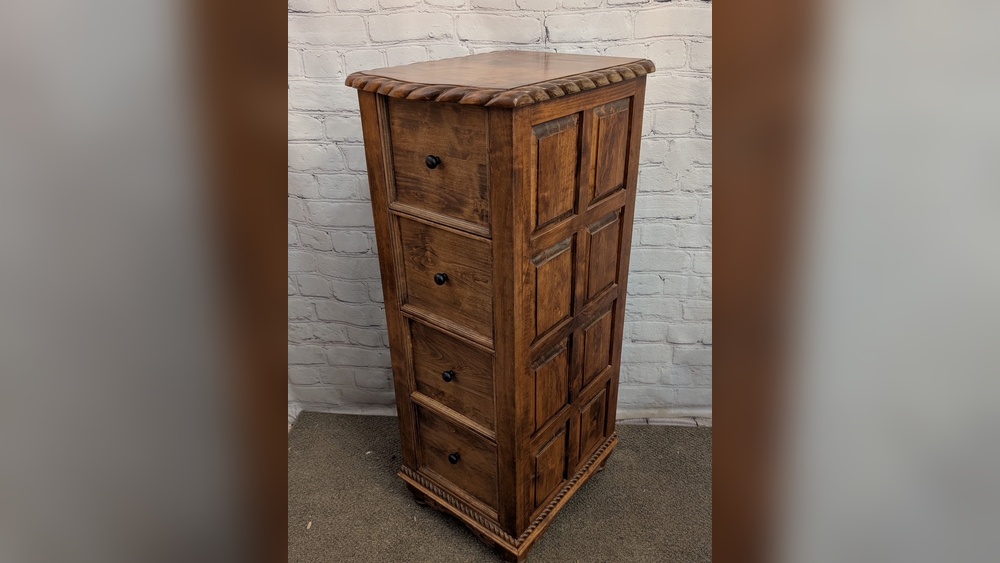
Are you curious about hardware cabinets and why they matter? Whether you’re setting up a workspace or organizing your tools, understanding the basics of hardware cabinets can save you time and frustration.
This discussion will break down what hardware cabinets really are, how they work, and why choosing the right one makes a big difference for your projects. Keep reading to discover the simple yet powerful ways these cabinets can improve your setup and make your life easier.
Hardware Cabinets Basics
Hardware cabinets are essential for organizing tools and equipment. They protect items from dust and damage. Knowing the basics helps in choosing the right cabinet. This section covers types, materials, and sizes of hardware cabinets.
Types Of Hardware Cabinets
There are several types of hardware cabinets. Storage cabinets have shelves for small parts. Tool chests offer drawers for hand tools. Locker-style cabinets provide secure storage. Mobile cabinets come with wheels for easy movement.
Common Materials Used
Hardware cabinets are made from different materials. Steel is strong and durable. Wood offers a classic look but needs care. Plastic cabinets are lightweight and resistant to moisture. Metal cabinets resist rust with proper coating.
Standard Sizes And Dimensions
Cabinets come in various sizes to fit spaces. Small cabinets are ideal for tight areas. Medium cabinets hold more tools and parts. Large cabinets suit big workshops and garages. Heights typically range from 30 to 72 inches.

Credit: www.bedroomfurniturediscounts.com
Choosing The Right Cabinet
Choosing the right cabinet is important for organizing your hardware well. It helps keep tools and parts safe and easy to find. The right cabinet saves time and space. It also protects your items from damage. Think about your needs before picking a cabinet. This way, you get the best fit for your workspace.
Assessing Storage Needs
Start by looking at what you need to store. Count your tools, screws, and small parts. Some items need more space or special compartments. Think about future needs too. Choose a cabinet with enough shelves and drawers. This keeps everything tidy and easy to reach.
Space And Location Considerations
Measure the area where you want the cabinet. Make sure there is enough room to open doors and drawers. Check if the floor can hold the cabinet’s weight. Consider lighting and ventilation around the cabinet. A good location makes work easier and safer.
Weight Capacity And Durability
Hardware can be heavy. Pick a cabinet that holds your items without bending. Look for strong materials like steel or thick wood. Check for sturdy hinges and locks. A durable cabinet lasts longer and protects your tools well.
Design And Style Options
Hardware cabinets come in many design and style choices. These choices affect how your space looks and feels. Picking the right design can make your room more inviting and organized.
Design and style options help match cabinets to your home’s personality. From shapes to colors, each detail plays a role. Understanding these options helps you choose cabinets that fit your needs and taste.
Modern Vs Traditional Designs
Modern hardware cabinets have clean lines and simple shapes. They often use metal and glass for a sleek look. Traditional designs feature more details and classic shapes. Wood with carved patterns is common in traditional styles. Both styles offer unique looks for different rooms.
Color And Finish Choices
Colors range from bright whites to deep browns. Light colors make rooms feel larger and brighter. Dark colors add warmth and richness. Finishes can be glossy, matte, or textured. Each finish changes the cabinet’s feel and look.
Customization Features
Many cabinets offer custom options. You can choose shelf sizes, door styles, and hardware. Custom cabinets fit your space and storage needs perfectly. This flexibility lets you create a unique look. It also helps keep your items organized better.

Credit: www.bedroomfurniturediscounts.com
Installation Tips
Installing hardware cabinets requires careful planning and simple steps. Proper setup ensures safety and long-term use. Follow the tips below to make your installation smooth and efficient.
Preparing The Space
Clear the area where the cabinet will go. Remove obstacles and clean the floor. Check the wall for strength and levelness. Measure the space to confirm cabinet fits well. Good preparation prevents problems during installation.
Tools Required
Gather all tools before starting. You will need a drill, screwdriver, level, tape measure, and pencil. A stud finder helps to locate wall supports. Keep safety gear like gloves and goggles nearby. Having tools ready speeds up the process.
Step-by-step Setup Guide
Start by marking the spots for screws on the wall. Use the stud finder to find strong points. Drill holes carefully at the marked spots. Align the cabinet with the holes and hold it in place. Secure the cabinet with screws tightly. Check with a level to keep it straight. Adjust if needed before tightening fully.
Maintenance And Care
Hardware cabinets need regular care to stay strong and look good. Proper maintenance stops small issues from becoming big problems. It also keeps the cabinet safe and extends its life.
Taking care of these cabinets is simple with the right steps. Cleaning, avoiding damage, and fixing issues fast are key parts. Each step helps keep the cabinet working well for years.
Cleaning Techniques
Use a soft cloth to wipe dust and dirt. Avoid harsh chemicals that can hurt the cabinet’s finish. Mild soap and water work best for regular cleaning. Dry the surface well to stop rust or water spots. Clean the cabinet often to keep it fresh and neat.
Preventing Damage
Keep heavy items off the cabinet to avoid dents. Avoid sharp tools near the surface to stop scratches. Use pads under items to protect the finish. Make sure the cabinet stays dry to prevent rust. Place the cabinet away from direct sunlight to avoid fading.
Repair And Replacement
Check the cabinet for loose screws or handles regularly. Tighten or replace parts to keep the cabinet stable. Small scratches can be fixed with touch-up paint or markers. Replace broken shelves or panels quickly to avoid further damage. Use proper tools for repairs to protect the cabinet.
Common Mistakes To Avoid
Choosing the right hardware cabinets is important for organization and safety. Many people make simple mistakes that cause problems later. Avoiding these errors helps keep your cabinets in good shape and protects the devices inside.
Overloading Cabinets
Putting too much weight inside cabinets is common. This can cause shelves to bend or break. Overloading also blocks access to important equipment. Use only the recommended weight limits. Distribute items evenly to prevent damage.
Ignoring Proper Ventilation
Hardware needs air to stay cool and work well. Cabinets without ventilation cause heat build-up. Overheating can damage devices and reduce their life. Choose cabinets with vents or fans. Keep air flowing to avoid heat problems.
Skipping Regular Inspections
Many skip checking cabinets regularly. Small issues can grow into big problems. Look for signs of damage or wear. Check locks, shelves, and ventilation often. Fix problems early to save time and money.
Future Trends In Hardware Cabinets
The future of hardware cabinets is shifting towards smarter, greener, and safer solutions. These trends reflect the growing needs of homes and businesses. They aim to provide better organization, sustainability, and protection.
New technologies and materials will change how hardware cabinets are designed and used. The focus will be on ease of use and reducing environmental impact. Security will also get a major boost to keep valuables safe.
Smart Storage Solutions
Smart cabinets will use sensors to track items inside. This helps users know what they have and what is missing. Some models will connect to apps for easy management.
These systems will save time and reduce clutter. Voice control and automatic lighting will add convenience. Smart storage will make hardware cabinets more efficient.
Eco-friendly Materials
Future cabinets will use recycled and renewable materials. Bamboo, recycled plastics, and reclaimed wood are popular choices. These materials reduce waste and lower carbon footprints.
Manufacturers will focus on durability and sustainability. Eco-friendly designs will attract buyers who care about the planet. This trend supports a healthier environment.
Innovative Security Features
Advanced locks with fingerprint and facial recognition will appear. These features offer stronger protection than keys or codes. Some cabinets will include alarms and real-time alerts.
Security cameras inside cabinets will monitor access. These innovations will help prevent theft and damage. Safety will become a top priority for hardware storage.
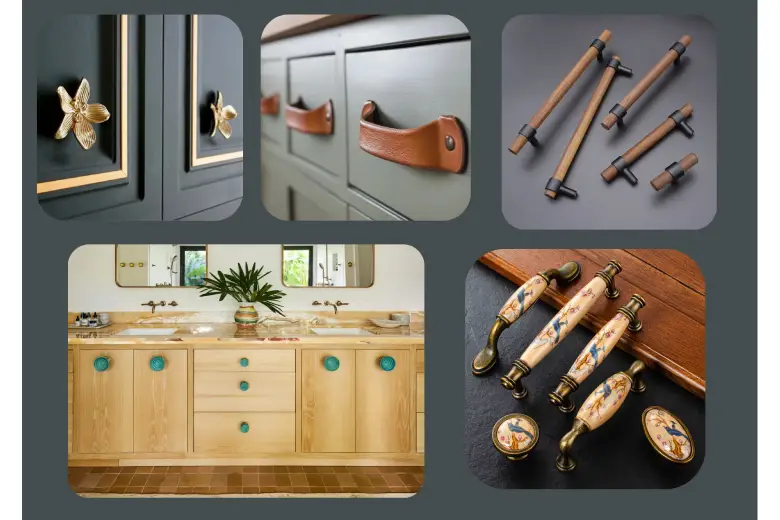
Credit: www.andacademy.com
Frequently Asked Questions
What Are Hardware Cabinets Used For?
Hardware cabinets store and organize electronic components and tools. They protect devices from dust and damage. These cabinets improve workspace efficiency and safety by keeping hardware secure and accessible.
How To Choose The Right Hardware Cabinet?
Consider size, material, and ventilation when selecting a cabinet. Choose durable materials like steel for long-lasting use. Ensure enough space for all components and good airflow to prevent overheating.
What Materials Are Hardware Cabinets Made From?
Hardware cabinets are commonly made from steel, aluminum, or plastic. Steel offers durability, aluminum is lightweight, and plastic is cost-effective. Material choice depends on usage, environment, and budget.
How To Maintain A Hardware Cabinet Properly?
Regularly clean and inspect the cabinet for dust and damage. Tighten loose screws and check ventilation systems. Proper maintenance extends the cabinet’s lifespan and protects stored equipment.
Conclusion
Hardware cabinets play a key role in organizing tools and parts. They protect items from dust and damage. Choosing the right cabinet depends on space and needs. Simple designs often work best for easy access. Good cabinets help keep work areas neat and safe.
Think about size, material, and durability before buying. A well-chosen cabinet makes your work smoother and faster. Small details matter in hardware storage solutions. Keep your workspace tidy with the right hardware cabinet.