
Have you ever wondered what holds together the things you use every day, from your car to your furniture? The answer often lies in something small but mighty: the fastener bolt.
Understanding what a fastener bolt is can change the way you see the objects around you and even help you make smarter choices in your DIY projects or repairs. You’ll discover exactly what a fastener bolt is, why it’s so important, and how it works to keep everything secure.
Keep reading, and you’ll gain the knowledge that can make your next project easier and more reliable.
Fastener Bolt Basics
Fastener bolts are essential tools in construction and repair. They join parts tightly and securely. Understanding the basics helps choose the right bolt for the job.
Bolts come in many shapes and sizes. Each type serves a special purpose. Knowing their features makes projects easier and safer.
Bolt Vs Screw
Bolt and screw often seem the same but differ. A bolt needs a nut to hold parts together. Screws usually work alone by cutting their own thread into material. Bolts are stronger and used for heavy loads. Screws fit better in wood and light materials.
Common Bolt Materials
Bolts come from different materials based on use. Steel is common for strength and durability. Stainless steel resists rust and suits outdoor jobs. Brass bolts resist corrosion and look nice. Alloy bolts handle high pressure and heat well.
Bolt Anatomy
A bolt has three main parts: head, shank, and thread. The head allows turning with a tool. The shank is the smooth part under the head. Threads wrap around the shank to grip materials. Some bolts have full threads; others have partial threads.
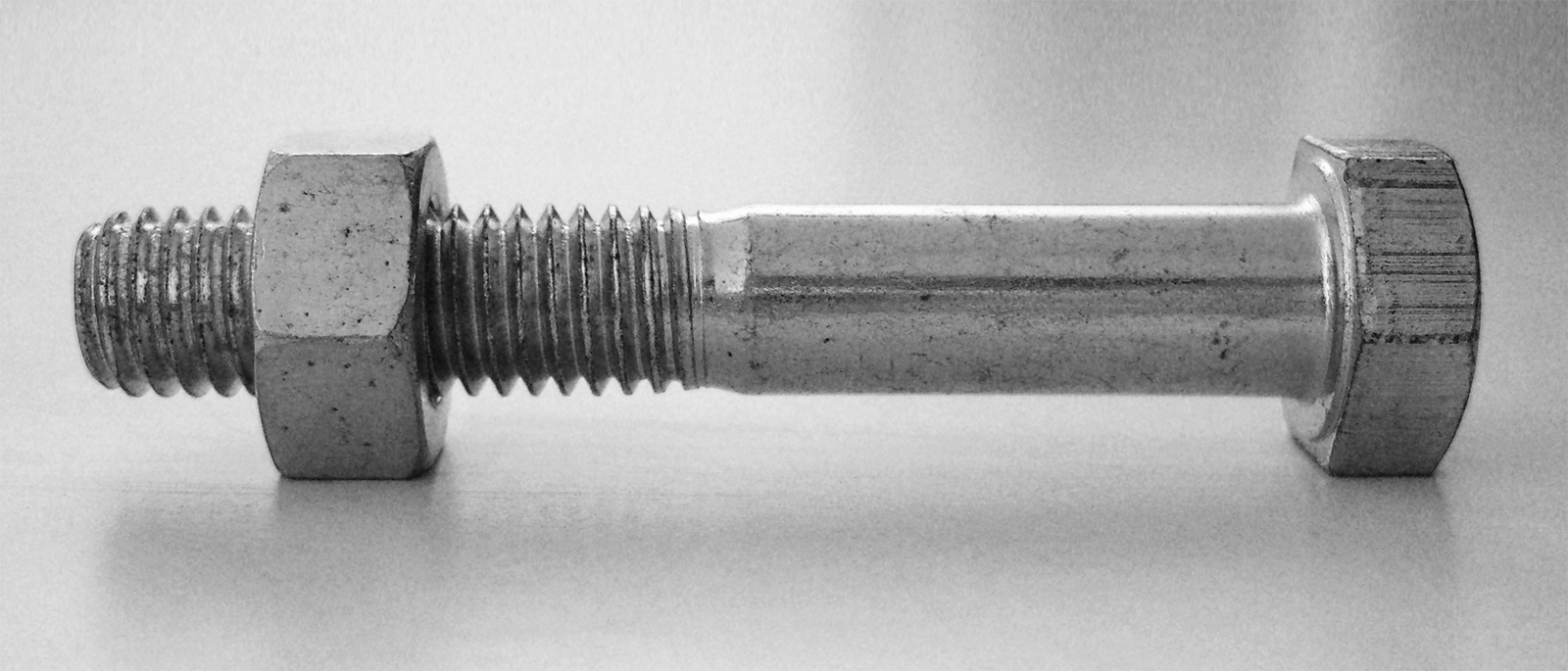
Credit: en.wikipedia.org
Types Of Bolts
Bolts are essential fasteners used in many projects. They hold parts together tightly and securely. Different types of bolts serve different purposes. Each type offers unique features for specific tasks.
Understanding bolt types helps you choose the right one. This ensures strong and lasting connections. Below are common types of bolts used in construction and repair.
Hex Bolts
Hex bolts have six-sided heads. They are easy to grip with a wrench. These bolts are strong and widely used in construction. Hex bolts fit into pre-drilled holes and hold parts firmly.
Carriage Bolts
Carriage bolts have smooth, rounded heads. Their square neck fits into wood to stop spinning. They are perfect for wood-to-wood or wood-to-metal joints. Carriage bolts provide a clean, finished look.
Eye Bolts
Eye bolts have a loop at the top. They are used to attach ropes or cables. Eye bolts are common in lifting and rigging tasks. The loop allows easy connection to hooks or chains.
Lag Bolts
Lag bolts are large and heavy-duty. They have coarse threads for wood. These bolts are used to fasten heavy objects to wood. Lag bolts provide strong, lasting hold in timber.
Anchor Bolts
Anchor bolts secure objects to concrete or masonry. They expand inside the material for a tight grip. Anchor bolts are used in building foundations. They keep structures stable and safe.
Machine Bolts
Machine bolts have flat or rounded heads. They are used with nuts and washers. These bolts fasten metal parts together. Machine bolts are precise and come in many sizes.
Bolt Grades And Strength
Bolt grades and strength play a key role in choosing the right fastener bolt. They tell us how much force a bolt can handle. Using the correct grade ensures safety and durability in construction and machinery. Understanding these grades helps select bolts for different tasks and environments.
Understanding Bolt Grades
Bolt grades show the bolt’s material and strength level. They are usually marked on the bolt head. Common grades include Grade 2, Grade 5, and Grade 8. Grade 2 is low strength, used in light tasks. Grade 5 is medium strength, good for automotive and structural use. Grade 8 is high strength, for heavy-duty applications.
High-strength Bolts
High-strength bolts resist strong forces and heavy loads. They are made from stronger steel and heat-treated for toughness. These bolts are common in bridges, buildings, and machines. Using high-strength bolts prevents failures and extends the life of the structure.
Corrosion-resistant Bolts
Corrosion-resistant bolts last longer in wet or harsh environments. They often have coatings like zinc, stainless steel, or galvanized finishes. These coatings stop rust and damage from moisture. Choosing corrosion-resistant bolts protects metal parts and reduces maintenance costs.

Credit: baitalnuhas.com
Choosing The Right Bolt
Choosing the right bolt is key for any project. The correct bolt ensures strong, safe connections. It also prevents damage and failure. Knowing how to pick the right bolt saves time and money. Several factors affect this choice. Size, material, and load are the main points to consider.
Bolt Size And Thread Pitch
Bolt size means length and diameter. The size must fit the parts being joined. Too small bolts can break under pressure. Too large bolts may not fit or cause damage. Thread pitch is the distance between threads. It affects how tightly the bolt fits. Fine threads are better for precision and strength. Coarse threads work well in soft materials. Choose size and pitch to match the job.
Material Considerations
Bolt material affects strength and resistance. Steel bolts are strong and common. Stainless steel resists rust and works outdoors. Brass bolts resist corrosion but are softer. Aluminum bolts are lightweight but less strong. Choose material based on environment and load. Avoid rust in wet places. Use strong materials for heavy loads.
Load And Stress Factors
Bolts must handle the forces they face. Static loads stay constant over time. Dynamic loads change or move. Choose bolts that handle the highest expected load. Consider tension, shear, and bending forces. Overloading a bolt can cause failure. Safety margins help prevent accidents. Always pick bolts rated for your needs.
Common Bolt Uses
Bolt fasteners have many practical uses in daily life and industry. They hold parts tightly and ensure strong connections. Their design offers stability and ease of assembly. Different industries rely on bolts for safe and efficient operations.
Construction Applications
Bolt fasteners secure steel beams and structural components. They join walls, floors, and roofs in buildings. Bolts also fix heavy equipment to foundations. This ensures safety and strength in construction projects.
Automotive Uses
Bolts hold engine parts and car frames together. They secure tires, brakes, and suspension systems. Automotive bolts must resist vibrations and high temperatures. This keeps vehicles safe and reliable on the road.
Machinery And Equipment
Bolts fasten gears, motors, and machine frames. They allow easy maintenance and part replacement. Industrial machines depend on bolts for stable operation. Strong bolts reduce downtime and increase productivity.
Furniture Assembly
Bolts connect wooden and metal furniture parts. They create sturdy tables, chairs, and cabinets. Using bolts makes furniture durable and easy to assemble. This helps in quick setup and long-lasting use.

Credit: www.anchorbolt.co.in
Installation Tips
Installing fastener bolts correctly is crucial for strong and safe connections. Proper installation prevents damage and ensures the bolt holds tight over time. Follow simple steps to improve the life and performance of your bolts.
Proper Torque Application
Applying the right torque is key to bolt installation. Too much force can strip threads or break the bolt. Too little force allows the bolt to loosen. Use a torque wrench to measure the exact force needed. Check the manufacturer’s specifications for the correct torque value. Tighten bolts gradually and evenly in a cross pattern if multiple bolts are used.
Using Washers And Nuts
Washers help distribute the load and protect the surface under the bolt head. Choose washers that fit well with the bolt size. Nuts secure the bolt in place and should match the bolt thread type. Tighten nuts against washers for a firm hold. Avoid mixing different materials to prevent corrosion and damage.
Preventing Loosening
Vibration and movement can cause bolts to loosen over time. Use locking nuts or thread-locking compounds to keep bolts tight. Check bolts regularly and re-tighten if needed. Installing lock washers or split rings also helps keep bolts secure. Proper installation reduces maintenance and improves safety.
Maintenance And Inspection
Maintenance and inspection of fastener bolts are crucial for safety and durability. Regular checks help find problems early. This prevents accidents and costly repairs. Proper care ensures bolts hold parts tightly and work well over time.
Signs Of Bolt Wear
Look for cracks or rust on the bolt surface. Worn threads make bolts loose and weak. Bent or twisted bolts indicate damage. Check for signs of corrosion, which can reduce strength. Any unusual changes mean the bolt may fail soon.
When To Replace Bolts
Replace bolts with visible damage or heavy rust. Bolts that no longer tighten properly need changing. Change bolts after strong impacts or accidents. Follow manufacturer guidelines for replacement intervals. Using worn bolts risks machine failure and injury.
Safety Precautions
Wear gloves and eye protection during inspection. Use proper tools to avoid bolt damage. Do not overtighten bolts; it can cause breakage. Ensure machines are off before checking bolts. Keep a record of bolt conditions and replacements.
Frequently Asked Questions
What Is A Fastener Bolt Used For?
A fastener bolt joins two or more objects securely. It provides strong, removable connections in machinery and structures.
How Does A Fastener Bolt Differ From A Screw?
Bolts require a nut to tighten, while screws thread into materials directly. Bolts are stronger for heavy loads.
What Materials Are Fastener Bolts Commonly Made From?
Fastener bolts are usually made from steel, stainless steel, or brass. Material choice depends on strength and corrosion resistance needs.
How Do You Choose The Right Fastener Bolt Size?
Choose bolt size based on load, material thickness, and hole diameter. Proper size ensures secure and safe connections.
Conclusion
Fastener bolts hold things tightly and keep them safe. They come in many sizes and shapes for different jobs. Choosing the right bolt helps parts fit well and last longer. Knowing how bolts work makes fixing and building easier. Simple but strong, bolts are key in many projects.
Use bolts wisely to make your work steady and secure.

