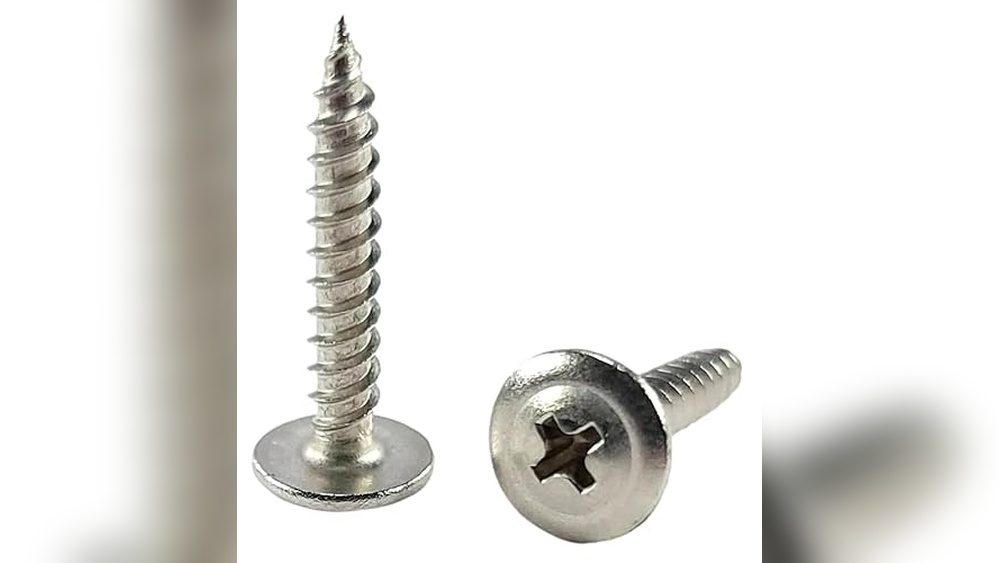
Are you struggling to keep things together when working on your projects? Knowing how to use a fastener correctly can make all the difference.
Whether you’re fixing furniture, building something new, or tackling small repairs, the right fastener and proper technique save you time and frustration. In this guide, you’ll discover simple steps to choose and use fasteners like a pro—no guesswork, no mess.
Keep reading to learn how to make your work stronger and easier every time.
Types Of Fasteners
Fasteners join two or more objects securely. They hold parts together in many projects. Choosing the right fastener depends on the material and purpose. Understanding the types of fasteners helps you pick the best one. Below are common types of fasteners used in everyday tasks.
Screws And Bolts
Screws have sharp threads that bite into materials. They are good for wood, metal, and plastic. Bolts need nuts to hold parts tightly. Both provide strong, removable joints. Use screws and bolts for sturdy connections.
Nails And Staples
Nails are smooth or ridged metal rods. They work well with wood and soft materials. Staples have two prongs and fasten thin materials. Both are quick to use but less strong than screws. Nails and staples suit light or temporary jobs.
Rivets And Clips
Rivets permanently join metal sheets or parts. They need special tools for installation. Clips hold parts together without tools. They allow easy removal and repositioning. Rivets and clips are common in metalwork and crafts.
Anchors And Adhesives
Anchors secure fasteners in drywall or masonry. They prevent loosening under weight. Adhesives bond surfaces without drilling or nails. They work well on smooth, clean surfaces. Anchors and adhesives provide extra support in tough spots.

Credit: m.made-in-china.com
Choosing The Right Fastener
Choosing the right fastener is crucial for any project. The right fastener ensures strength, durability, and safety. Picking a poor fastener can cause damage or failure. Consider the materials you join, the weight they hold, and the environment around them.
Material Compatibility
Fasteners must match the materials they join. Metals can react and cause rust or corrosion. Use stainless steel fasteners for metal that touches water. Wood needs screws designed for wood grain. Plastic parts need fasteners that do not crack or break the material.
Load Requirements
Think about how much weight the fastener must hold. Heavy loads need strong bolts or screws. Light loads can use smaller nails or screws. Check the fastener’s strength rating. Using a weak fastener can cause accidents or damage.
Environmental Factors
Consider where the fastener will be used. Outdoor projects need rust-resistant fasteners. Indoor fasteners do not need special coatings. Wet or salty environments require corrosion-proof fasteners. High temperatures need fasteners that do not melt or weaken.
Size And Length
Choose the correct size for a secure fit. The fastener must be long enough to hold parts tightly. Too short fasteners can loosen over time. Too long fasteners can damage materials. Measure thickness before selecting size and length.
Tools Needed For Fastening
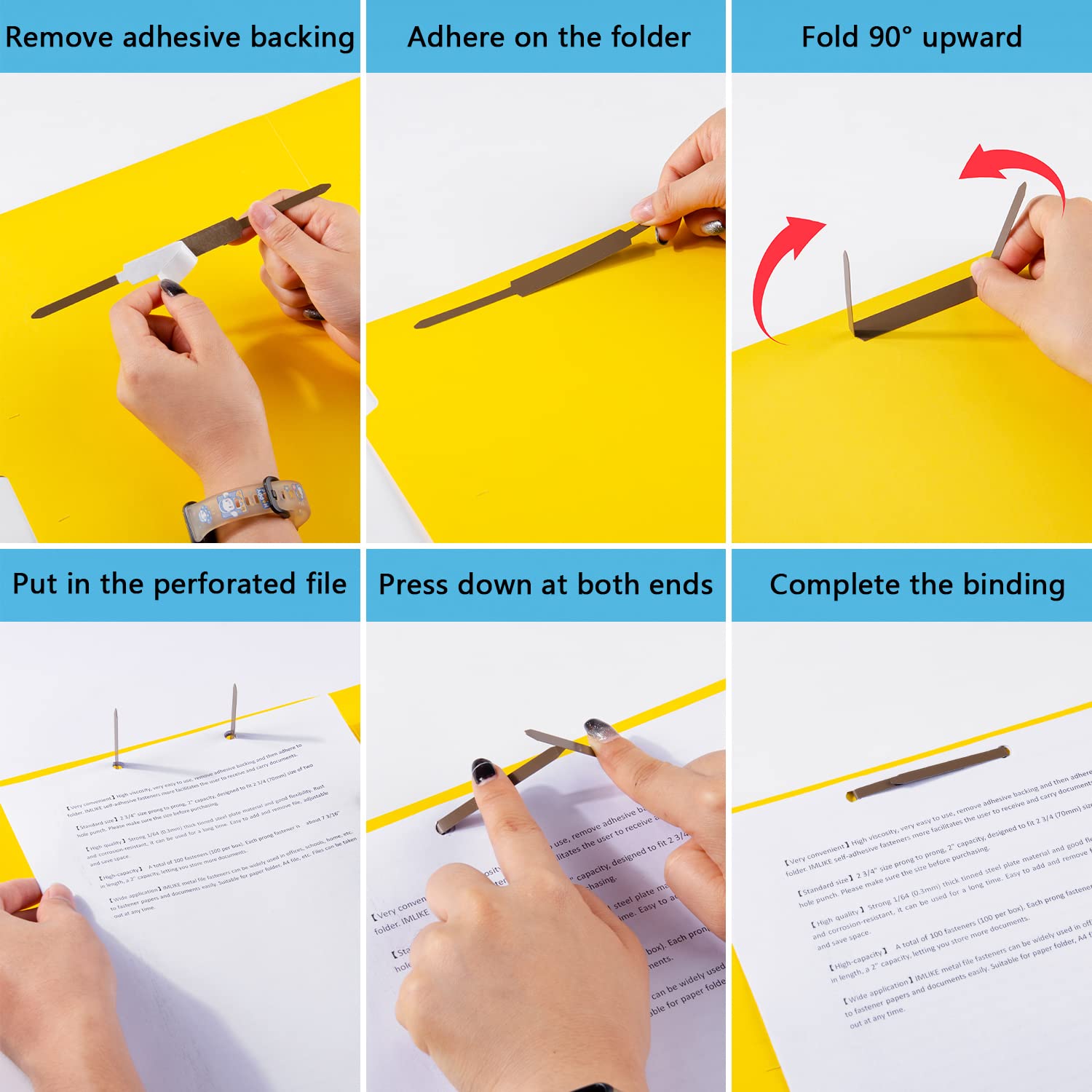
Using a fastener properly needs the right tools. These tools help you fix materials tightly and safely. Knowing which tools to use makes your work easier and faster.
Different fasteners require different tools. Some tools help turn screws, while others tighten bolts. Measuring tools ensure you place fasteners correctly. Let’s explore the main tools needed for fastening.
Screwdrivers And Drills
Screwdrivers are basic tools to turn screws by hand. They come in flathead and Phillips types to fit screw heads. Drills make driving screws faster and need less effort. Use the right bit size to avoid damaging screws.
Wrenches And Pliers
Wrenches tighten or loosen nuts and bolts. They come in fixed or adjustable sizes for different bolts. Pliers grip and hold small fasteners firmly. They help twist or pull fasteners that are hard to reach.
Hammers And Mallets
Hammers drive nails into wood and other materials. Use claw hammers to remove nails as well. Mallets are softer and prevent damage when tapping fasteners. Choose a mallet for delicate materials or wood joints.
Measuring And Marking Tools
Measuring tools like tape measures help place fasteners accurately. Marking tools such as pencils or markers show where to drill or hammer. Precise marks stop mistakes and ensure a neat finish. Measure twice, mark once for best results.
Credit: www.amazon.sa
Preparing The Surface
Preparing the surface is a vital step before using any fastener. It ensures strong holds and prevents damage. A clean, dry, and well-aligned surface makes fastening easier and more secure.
Cleaning And Drying
Remove dirt, dust, and grease from the surface. Use a cloth or brush for cleaning. Dry the area completely to avoid rust or slipping. A clean surface helps the fastener grip tightly.
Drilling Pilot Holes
Drill small pilot holes for screws or nails. Pilot holes guide the fastener and reduce wood splitting. Use a drill bit slightly smaller than the fastener size. This step makes fastening smoother and safer.
Aligning Components
Place the parts in their exact positions. Check edges and corners carefully for alignment. Hold pieces steady before inserting the fastener. Proper alignment prevents gaps and weak joints.
Techniques For Secure Fastening
Techniques for secure fastening help keep parts joined safely. Using the right methods stops fasteners from loosening or breaking. This ensures long-lasting and strong connections.
Applying these techniques makes your work reliable. It also prevents damage and saves time fixing problems later.
Proper Torque Application
Use a torque wrench to apply the correct force. Too little torque can cause loose connections. Too much torque may damage the fastener or parts. Check the manufacturer’s torque specifications before tightening.
Apply steady pressure and avoid sudden twists. This ensures even tension and a secure hold.
Using Washers And Nuts
Washers spread the load and protect surfaces from damage. They also prevent nuts from loosening. Use the right size washer for your fastener. Match nuts to bolts for a tight fit. Lock nuts provide extra resistance to vibration.
Avoiding Over-tightening
Over-tightening can strip threads or break fasteners. Tighten just enough to hold parts firmly. Stop when you feel resistance or reach the torque limit. Using a torque wrench helps avoid over-tightening mistakes.
Locking Mechanisms
Locking mechanisms keep fasteners from loosening over time. Examples include lock washers, thread-locking fluid, and nylon-insert nuts. Choose the right locking method for your project. These tools add extra security to fastened joints.
Common Fastening Mistakes
Fastening is simple but easy to get wrong. Small mistakes can cause big problems. These errors reduce strength and waste materials. Avoiding common mistakes helps your project last longer and work better.
Using Incorrect Fastener Types
Choosing the wrong fastener weakens the joint. Different materials need different fasteners. Wood needs screws made for wood, metal needs bolts or machine screws. Using the wrong type can cause slipping or breakage. Always match fasteners to the material and purpose.
Ignoring Material Limits
Each material has limits for weight and stress. Fasteners that are too small or weak fail quickly. Over-tightening can crack wood or strip metal threads. Understand the strength of your materials. Use fasteners that fit those limits for safety.
Improper Tool Use
Using the wrong tool can damage fasteners and materials. A screwdriver too big or small can strip the screw head. Wrenches that don’t fit bolts cause slipping and rounding. Use the right size and type of tool every time. This saves time and keeps fasteners secure.
Skipping Surface Preparation
Surface prep is often forgotten but very important. Dirt, oil, or paint can stop fasteners from holding well. Clean surfaces improve grip and prevent rust. Sanding rough spots helps screws bite in better. Take time to prepare surfaces for stronger joints.
Maintenance And Inspection
Maintenance and inspection keep fasteners working well. They stop problems before they start. Regular checks help find loose or damaged fasteners fast. Careful attention extends the life of your equipment.
Regular Tightness Checks
Check fasteners often to keep them tight. Loose fasteners cause parts to move and wear out. Use the right tools to tighten bolts and screws. Do not over-tighten, or parts may break. Mark fasteners after tightening to track any changes.
Replacing Damaged Fasteners
Look for cracks, rust, or worn threads on fasteners. Replace any that show damage. Using damaged fasteners can cause failure or accidents. Choose new fasteners that match the size and type needed. Keep spare fasteners handy for quick replacement.
Corrosion Prevention
Corrosion weakens fasteners and reduces their strength. Keep fasteners clean and dry to prevent rust. Use anti-corrosion sprays or coatings on metal fasteners. Store fasteners in a dry place away from moisture. Regularly inspect to catch corrosion early.
Credit: theblogstar-94.webself.net
Frequently Asked Questions
What Types Of Fasteners Are Commonly Used?
Common fasteners include screws, bolts, nuts, nails, and rivets. Each type suits different materials and applications for secure joining.
How Do I Choose The Right Fastener Size?
Choose a fastener size based on material thickness, load requirements, and hole diameter. Proper size ensures strength and prevents damage.
Can I Reuse Fasteners Safely?
Some fasteners like bolts can be reused if undamaged. Avoid reusing nails or screws that lose grip or show wear.
What Tools Are Needed To Use Fasteners?
Basic tools include screwdrivers, wrenches, pliers, and drills. Using the right tool ensures proper installation and prevents fastener damage.
Conclusion
Using a fastener correctly makes your work stronger and safer. Choose the right type for your project. Always check tightness to avoid problems later. Practice helps you get better and faster. Simple steps lead to great results. Keep tools and fasteners clean and ready.
Small details matter in every task. Now, you can use fasteners with confidence and skill.