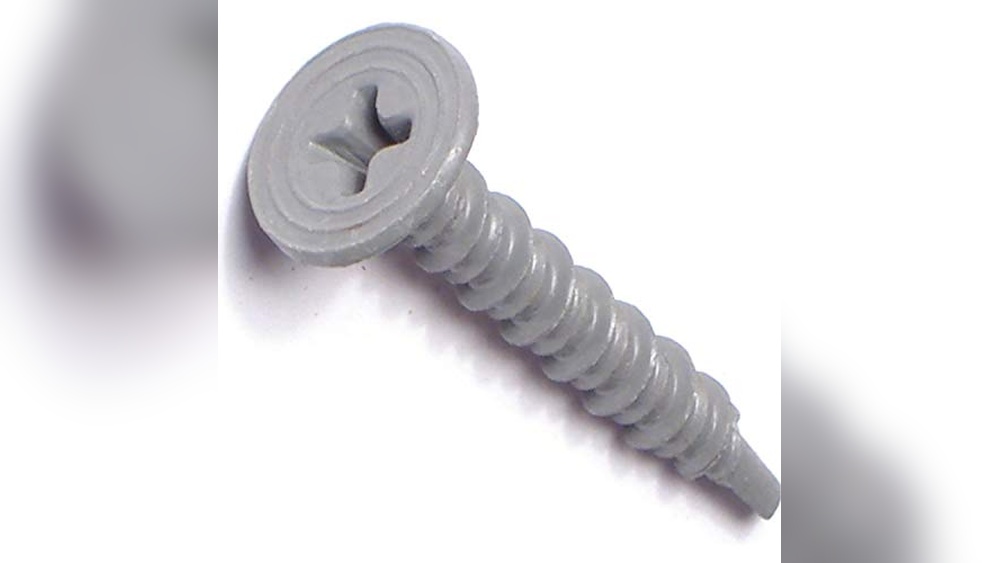
Choosing the right fasteners for your Hardie Board is one of the most important steps in ensuring your siding stays strong and looks great for years. If you use the wrong nails or screws, you risk damage, poor hold, and costly repairs down the road.
But don’t worry—this guide will help you find exactly what you need. By the time you finish reading, you’ll know which fasteners work best, how to install them properly, and how to protect your investment. Ready to get it right the first time?
Let’s dive in.
Types Of Hardie Board Fasteners
Choosing the right fasteners for Hardie Board is important. These fasteners hold the siding in place and protect it from damage. The type of fastener affects the durability and strength of the installation. Different materials and styles suit different needs. Understanding these types helps you pick the best option for your project.
Nails Vs Screws
Nails are quick to install and cost less. They work well for many siding jobs. Screws hold stronger and resist pull-out. They give more grip, especially in windy areas. Screws take longer to install but offer better holding power. Choose nails for speed and screws for strength.
Stainless Steel Fasteners
Stainless steel fasteners resist rust and corrosion. They last longer in wet or salty conditions. These fasteners keep siding secure and clean-looking. They cost more but protect your Hardie Board from damage. Ideal for coastal or humid climates.
Galvanized Fasteners
Galvanized fasteners have a zinc coating that prevents rust. They are less expensive than stainless steel. Good for most normal weather conditions. Zinc coating wears off over time if exposed too much. Best for areas with mild weather and low moisture.
Coated Fasteners
Coated fasteners have a special finish to fight rust. They come in different types, such as epoxy or ceramic coatings. These coatings add extra protection and reduce corrosion. Coated fasteners balance cost and durability well. Suitable for many outdoor projects.
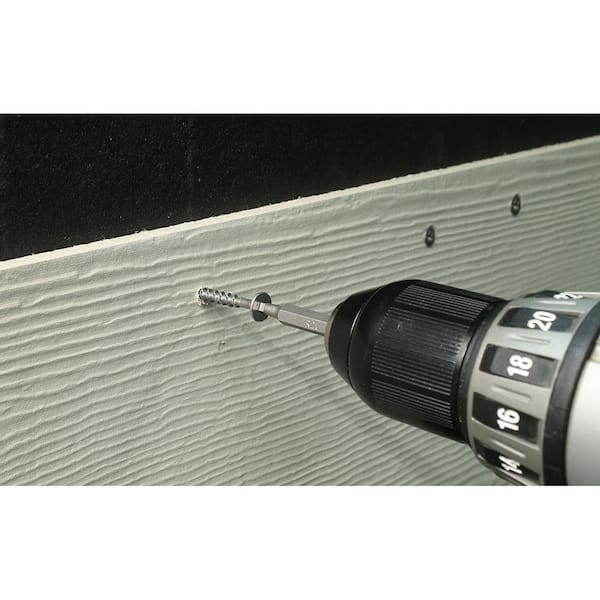
Credit: www.homedepot.com
Choosing The Right Fastener Size
Choosing the right fastener size is key for installing Hardie Board properly. The correct size ensures a strong hold and prevents damage. Using fasteners that are too short or too thin can cause loose panels or cracks. Too long or too thick fasteners might split the material or make installation harder. Proper sizing helps secure the board firmly to the structure.
Length Considerations
Fastener length must be enough to pass through the Hardie Board and into the framing behind. A good rule is to allow at least 1 inch of fastener into the wood stud or metal framing. For standard 5/16 inch Hardie Board, use fasteners at least 1 1/4 inches long. Longer fasteners provide better grip but avoid going too long to prevent hitting pipes or wires inside walls.
Diameter Importance
Fastener diameter affects holding strength and ease of installation. Use fasteners with a diameter between 6 and 8 for Hardie Board. Thinner fasteners may not hold well and can bend. Thicker fasteners provide strong grip but require more effort to drive and risk splitting. Choose a diameter that fits snugly without damaging the board.
Fastener Placement Tips
Placing fasteners correctly on Hardie Board is important for a strong, lasting installation. Proper placement prevents damage and ensures the siding holds well over time. Small details in spacing and positioning make a big difference in performance. Follow these tips to secure Hardie Board firmly and avoid common mistakes.
Spacing Guidelines
Keep fasteners about 8 inches apart on walls. For corners or edges, reduce spacing to 6 inches. This gives extra strength where stress is higher. Avoid placing fasteners too close or too far. Consistent spacing helps the board stay tight and stable.
Edge And End Distance
Place fasteners at least 3/8 inch from edges and ends. This stops the board from cracking or breaking. Too close to the edge can weaken the siding. Proper distance protects the material and keeps it looking good.
Avoiding Overdriving
Drive fasteners just flush with the board surface. Pressing too deep can damage the siding. Overdriving reduces holding power and may cause cracks. Use a drill with clutch control to prevent this. Correct depth keeps the siding secure and intact.
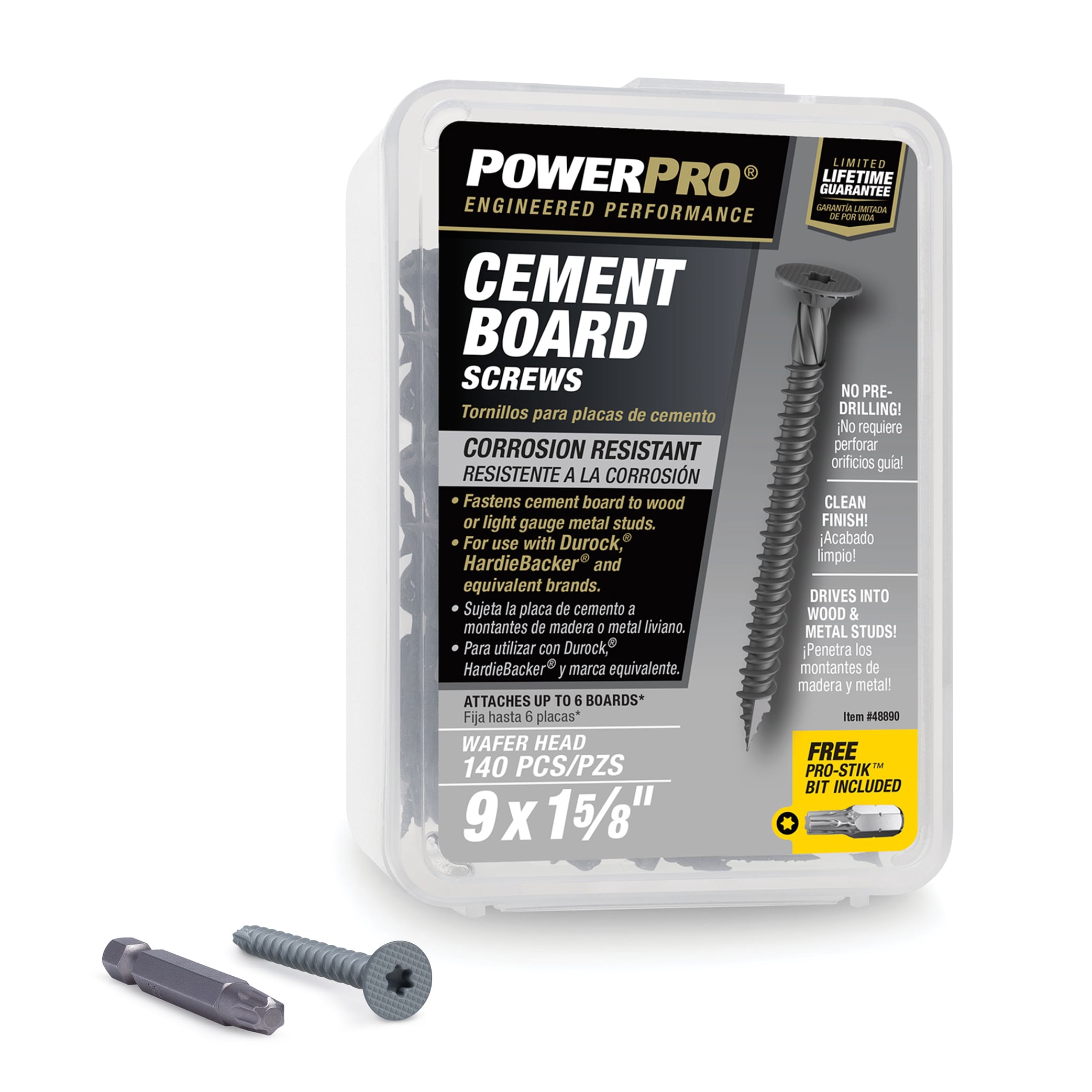
Credit: www.lowes.com
Special Fasteners For Different Conditions
Choosing the right fasteners for Hardie Board is key. Different environments need special fasteners to protect the siding and keep it strong. Using the correct fastener helps stop rust, corrosion, and damage. It also makes sure the siding stays attached during tough weather.
Coastal Area Fasteners
Coastal areas have salty air that can cause metal to rust fast. Use fasteners made from stainless steel or hot-dipped galvanized steel. These materials resist salt and moisture better than regular steel. Avoid using plain steel nails or screws that will corrode quickly. Corrosion weakens the hold and can ruin your siding over time.
High Humidity Environments
High humidity means more moisture in the air. This can cause rust and mold growth on fasteners. Choose fasteners with corrosion-resistant coatings like ceramic or epoxy. Stainless steel fasteners also work well in humid places. Proper fasteners prevent damage and keep siding secure. They help siding last longer without problems.
Cold Weather Considerations
Cold weather can make materials brittle and harder to work with. Use fasteners that stay strong in low temperatures. Stainless steel or specially coated fasteners resist cracking and breaking. Avoid fasteners that become brittle and fail in freezing conditions. Strong fasteners keep Hardie Board fixed tightly, even in winter.
Tools For Installing Hardie Board Fasteners
Choosing the right tools is key to a smooth Hardie Board installation. Using proper tools helps fasten the boards securely and saves time. It also prevents damage to the material and ensures a neat finish.
Hardie Board requires specific fasteners and tools to hold it firmly. This section covers the essential tools needed for installing Hardie Board fasteners. These tools make the process easier and safer.
Recommended Nail Guns
Nail guns speed up the fastening process. For Hardie Board, use a coil siding nailer or a framing nailer. These nail guns deliver the right power and depth control. Choose one that can handle corrosion-resistant nails. This keeps your siding strong and durable.
Screwdrivers And Drills
Drills are necessary for Hardie Board screws. A cordless drill with adjustable torque works best. It prevents over-driving or stripping screws. Use a screwdriver bit designed for exterior screws. This ensures a tight and secure fit every time.
Safety Equipment
Safety is important during installation. Wear safety glasses to protect your eyes from dust and debris. Use gloves to shield your hands from sharp edges. A dust mask helps avoid inhaling harmful particles. Proper safety gear keeps you safe throughout the job.

Credit: forum.nachi.org
Common Mistakes To Avoid
Installing Hardie Board requires the right fasteners and techniques. Mistakes in fastener choice or method can cause damage and reduce durability. Avoiding common errors helps keep your siding strong and secure.
Using Incorrect Fastener Types
Choose fasteners made for Hardie Board. Avoid nails or screws that rust or break easily. Galvanized or stainless steel fasteners resist corrosion and last longer. Using the wrong type can cause the siding to loosen or stain over time.
Improper Fastener Depth
Drive fasteners too deep or too shallow. Too deep can crack the siding or damage its surface. Too shallow leaves the board loose and vulnerable to wind or moisture. Fasteners should sit flush with the siding for the best hold.
Ignoring Manufacturer Guidelines
Follow Hardie Board’s installation instructions closely. The manufacturer provides specific fastener types and spacing rules. Ignoring these can void warranties and cause installation problems. Proper guidelines ensure a strong and lasting finish.
Maintenance And Inspection Of Fastened Hardie Board
Maintaining and inspecting fastened Hardie Board is key to its long life. Regular checks help spot problems early. This keeps your siding strong and looking good.
Fasteners hold the Hardie Board in place. Over time, weather and wear can affect them. Careful inspection and simple maintenance prevent damage and costly repairs.
Checking For Rust Or Corrosion
Look closely at all fasteners for rust or corrosion. Rust weakens the metal and reduces holding power. Use a bright light to see clearly. Replace any fasteners showing signs of rust. This protects your siding from loosening or falling.
Retightening Loose Fasteners
Check if any fasteners feel loose or move. Loose fasteners allow the Hardie Board to shift or warp. Use a screwdriver to tighten them gently. Avoid over-tightening to prevent damage. Regular retightening keeps the siding secure and flat.
Replacing Damaged Fasteners
Damaged fasteners cannot hold the siding properly. Look for bent, broken, or stripped heads. Remove damaged fasteners carefully with the right tool. Replace them with corrosion-resistant screws made for Hardie Board. Proper fasteners ensure strong, lasting installation.
Frequently Asked Questions
What Fasteners Are Best For Hardie Board Siding?
Stainless steel or hot-dipped galvanized nails are best for Hardie Board siding. They resist rust and corrosion, ensuring long-lasting durability.
Can I Use Screws Instead Of Nails On Hardie Board?
Yes, corrosion-resistant screws can be used. They provide better holding power but must be compatible with fiber cement material.
What Size Fasteners Work Well With Hardie Board?
Use 2 to 2. 5-inch fasteners for proper penetration. This length secures the board without damaging the material.
Should Fasteners Be Galvanized For Hardie Board?
Yes, galvanized fasteners prevent rust and corrosion. This protects the siding and extends its lifespan.
Conclusion
Choosing the right fasteners for Hardie Board is key to strong, lasting siding. Use corrosion-resistant nails or screws made for fiber cement. These hold the boards firmly and stop damage from weather. Avoid cheap or wrong fasteners that can cause problems later.
Proper fasteners keep your home safe and looking good. Remember, simple choices now save you trouble later. Always pick fasteners designed for Hardie Board to get the best results.