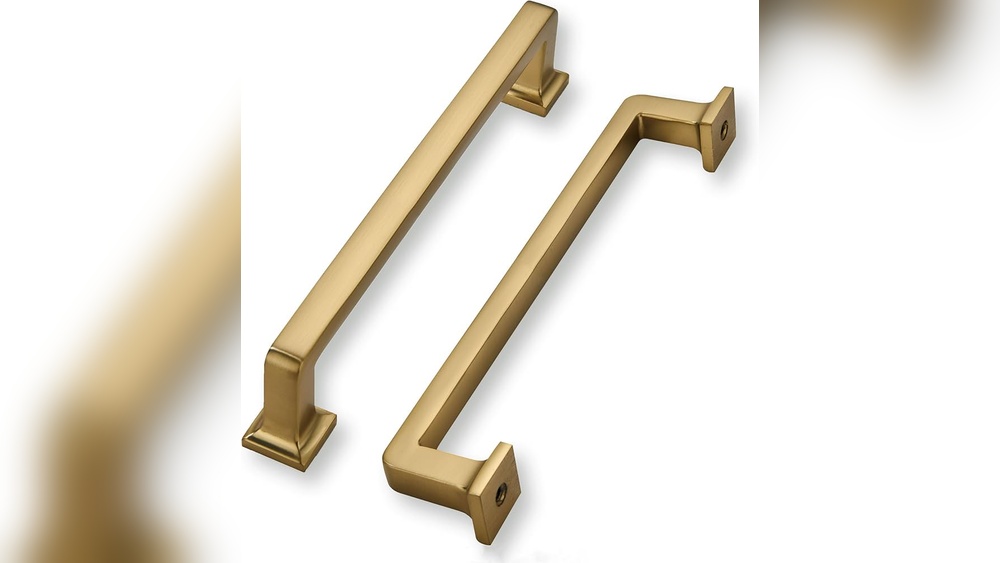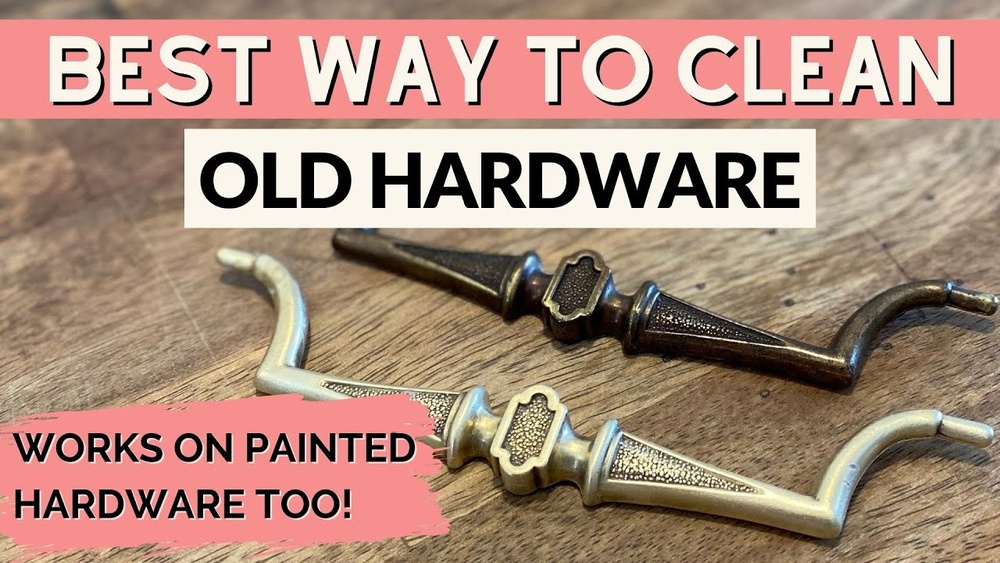
Are you staring at your old cabinets, wondering how to remove that stubborn hardware without damaging the wood? Taking off old knobs, handles, or hinges might seem simple, but one wrong move can leave marks or even ruin your cabinet doors.
You don’t have to be a pro to do it right. You’ll discover easy, step-by-step tips that make removing old hardware quick and hassle-free. Keep reading, and you’ll gain the confidence to refresh your cabinets like a true DIY expert.
Tools You’ll Need
Removing old hardware from cabinets needs the right tools. Using proper tools makes the work easier and safer. Without the correct tools, you might damage the cabinet or hurt yourself. Prepare these tools before starting your project.
Basic Hand Tools
You need a screwdriver set with flathead and Phillips heads. These help remove screws holding the hardware. A hammer can help loosen stuck pieces. Pliers are useful for gripping and pulling out stubborn parts. A utility knife can cut through old paint or caulk around hardware.
Specialized Removal Tools
A putty knife or scraper helps lift hardware gently. A pry bar can remove larger or nailed-on pieces. Sometimes a drill with a screwdriver bit speeds up screw removal. Small sockets and wrenches may be needed for bolts or nuts. These tools reduce damage to wood and finish.
Safety Gear
Wear safety glasses to protect your eyes from flying debris. Gloves protect your hands from sharp edges and splinters. A dust mask helps avoid breathing in dust and old paint particles. Use knee pads if you work low to the ground. Safety gear keeps you safe during removal work.

Credit: www.cabinetnow.com
Preparing The Workspace
Preparing your workspace is the first step to safely remove old hardware from cabinets. A neat and organized area helps you work faster and avoid damage. Taking time to set up the space makes the task easier and less stressful.
Clearing The Area
Remove all items near the cabinet. Clear counters, tables, and floors. This gives you enough room to move and place tools. A clean area prevents accidents and keeps hardware parts from getting lost.
Protecting Surfaces
Cover nearby surfaces with a cloth or plastic sheet. This stops scratches and stains from tools or old hardware. Protecting surfaces saves time on cleaning after the work is done. Use tape to hold covers in place if needed.
Organizing Hardware
Prepare small containers or trays for screws and knobs. Sort each piece by type and size as you remove them. Keeping hardware organized helps you find parts easily later. Label containers if you plan to reuse the hardware.
Assessing The Hardware
Before removing old hardware from cabinets, assessing the hardware is key. This step helps you plan the removal process smoothly. It also protects the cabinet’s surface from damage. Taking time to inspect each piece can save effort later.
Identifying Types Of Hardware
First, identify the type of hardware on the cabinet. Common types include knobs, handles, and hinges. Some cabinets may have specialty items like locks or decorative plates. Knowing the type helps choose the right tools for removal.
Look closely at how the hardware attaches to the cabinet. Screws are the most common fasteners. Some pieces may be nailed or glued. This affects how you approach removal.
Checking For Rust Or Damage
Next, check the hardware for rust or damage. Rusty screws or hinges can be hard to remove. They may break or strip the screw head. Damage can also mean the hardware is stuck or fragile.
Note any hardware that looks weak or corroded. Prepare extra tools like pliers or rust remover. This preparation makes the removal easier and safer for the cabinet.
Removing Screws And Fasteners
Removing screws and fasteners is the first step in taking old hardware off cabinets. It requires care to avoid damage to the wood or hardware. Using the correct tools and techniques helps make the job easier and safer.
Using The Right Screwdriver
Choose a screwdriver that fits the screw head perfectly. This prevents slipping and damage. Match the size and type, such as flathead or Phillips. Hold the screwdriver straight and apply steady pressure. Turn slowly to loosen the screws without stripping them.
Dealing With Stripped Screws
Stripped screws can be tough to remove. Try using a rubber band between the screwdriver and screw head for extra grip. Another option is a screw extractor tool made for this problem. Work carefully to avoid breaking the screw inside the wood.
Applying Penetrating Oil
Penetrating oil helps loosen stuck screws and rusted fasteners. Apply a small amount to the screw and wait 10 to 15 minutes. This softens rust and makes turning easier. Use the proper screwdriver to gently remove the screw after the oil soaks in.
Handling Stuck Or Painted-over Hardware
Removing old hardware from cabinets can be tricky when paint covers the edges or the parts are stuck tight. Handling stuck or painted-over hardware needs care to avoid damage. Using gentle methods helps preserve the cabinet’s surface and the hardware itself. Patience and the right tools make the task easier and safer.
Softening Paint Seams
Paint often seals hardware to the cabinet. Softening these seams loosens the hold. Use a small brush to apply warm water or rubbing alcohol along the painted edges. Let it sit a few minutes. This step helps dissolve the paint without harsh chemicals. It makes hardware easier to move or remove.
Using Heat For Loosening
Heat can soften paint and old glue sticking hardware. Use a hairdryer on low or medium heat. Aim the heat at the edges of the hardware. Keep the dryer moving to avoid heat damage. After warming, try gently moving the hardware. It should loosen enough to pull off without force.
Gentle Pry Techniques
Use tools like a flat screwdriver or putty knife carefully. Place the tool under the hardware edge. Slowly lift or wiggle to break the paint seal. Protect cabinet surfaces by placing a thin cloth or cardboard under the tool. Work gradually around the hardware. Avoid sudden force that could chip paint or wood.

Credit: www.youtube.com
Preventing Cabinet Damage
Removing old hardware from cabinets requires care to avoid damage. Cabinets often have delicate finishes and wood that can chip or scratch easily. Taking steps to protect the surface helps keep your cabinets looking good and saves time on repairs.
Protecting Wood Finish
Start by cleaning the area around the hardware. Dirt and dust can cause scratches during removal. Use a soft cloth and gentle cleaner. Avoid harsh chemicals that can harm the finish. Cover the surrounding wood with painter’s tape. This creates a barrier between tools and the cabinet surface.
Avoiding Splintering
Use the right tools for the job. A small screwdriver or pry tool helps control force. Apply slow, steady pressure to avoid sudden slips. Pull hardware straight out to reduce stress on the wood. If the wood feels soft or weak, stop and reassess. Splintering happens when wood fibers tear. Prevent this by working gently and carefully.
Using Tape And Padding
Place painter’s tape around screws and edges. Tape protects paint and wood from scratches. Add padding like a folded cloth or foam under tools. This cushions the cabinet and absorbs impact. Padding prevents dents and surface damage during prying or twisting. Always check tape and padding placement before starting work.
Cleaning Up After Removal
Cleaning up after removing old hardware from cabinets is an important step. It makes the cabinets look fresh and ready for new handles or knobs. Proper cleanup helps avoid damage and ensures a smooth installation of new hardware.
Removing Residue
Old hardware often leaves behind sticky residue or glue. Use a soft cloth and warm soapy water to wipe the area. For tougher spots, rubbing alcohol or a gentle adhesive remover works well. Avoid harsh chemicals that can damage the cabinet finish. Clean until the surface feels smooth and free of sticky patches.
Repairing Minor Surface Damage
Removing hardware can cause small scratches or holes. Fill holes with wood filler that matches the cabinet color. Apply with a putty knife and smooth it out. Let it dry completely before sanding lightly. Use fine-grit sandpaper to blend the repair with the surrounding area. This step keeps cabinets looking neat and well cared for.
Preparing For New Hardware
Once clean and repaired, the surface must be ready for new hardware. Check that the area is dry and free of dust. Mark new drill points if needed, using a pencil. Test new hardware placement before drilling to avoid mistakes. Clean surfaces help new screws hold tightly and prevent damage later.

Credit: househomemade.us
Frequently Asked Questions
How Do I Safely Remove Old Cabinet Hardware?
Start by unscrewing knobs or handles with a screwdriver. Use gentle force to avoid damaging the wood. If screws are stuck, apply a lubricant to loosen them before removal.
What Tools Are Needed To Remove Old Cabinet Hardware?
You will need a screwdriver matching the screw type, possibly a drill, and a lubricant. A putty knife can help pry off stubborn hardware without damaging cabinets.
How Can I Avoid Damaging Cabinets During Hardware Removal?
Work slowly and carefully. Use the correct screwdriver size. Avoid using excessive force. Protect the cabinet surface with painter’s tape around the hardware to prevent scratches.
What If Screws Are Stripped Or Stuck In Old Cabinets?
Apply a penetrating oil to loosen screws. Use a rubber band for extra grip on stripped screws. If needed, use pliers or a screw extractor carefully.
Conclusion
Removing old hardware from cabinets can be simple and quick. Use the right tools to avoid damage. Take your time and work carefully. Old screws and nails may be stuck, but patience helps. Clean the surface after removal for a smooth finish.
This makes adding new hardware easier and better. Keep safety in mind to protect your hands and eyes. Enjoy your refreshed cabinets with a neat, clean look. Small steps lead to great results.