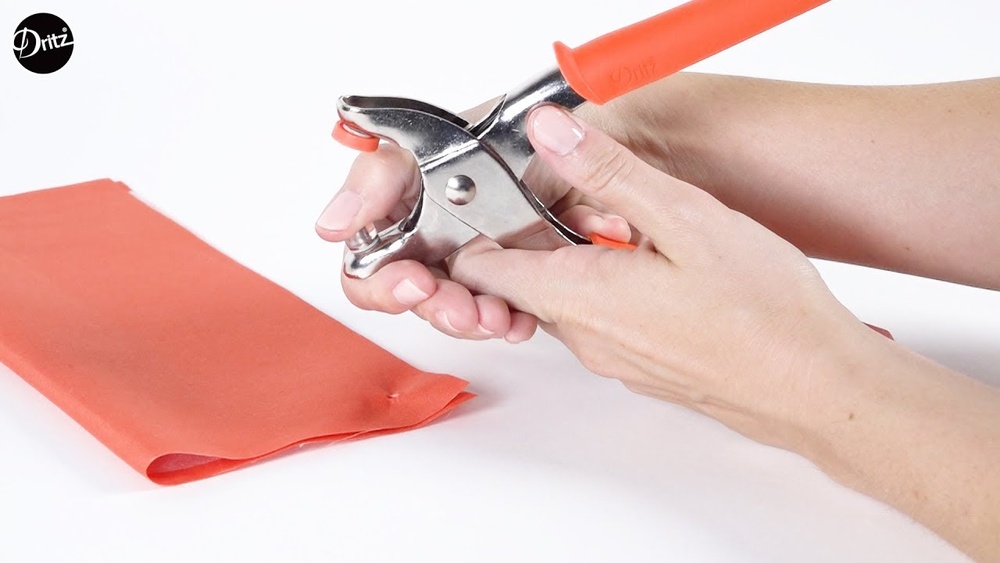
Are you tired of struggling with tricky fasteners that never seem to line up right? Using a Dritz Snap Fastener Tool can change the way you handle snaps forever.
It’s simple, quick, and gives your projects a professional finish every time. In this guide, you’ll learn exactly how to use this handy tool with ease, so you can save time and avoid frustration. Keep reading to discover the secrets that make snap fastening smooth and stress-free for you.
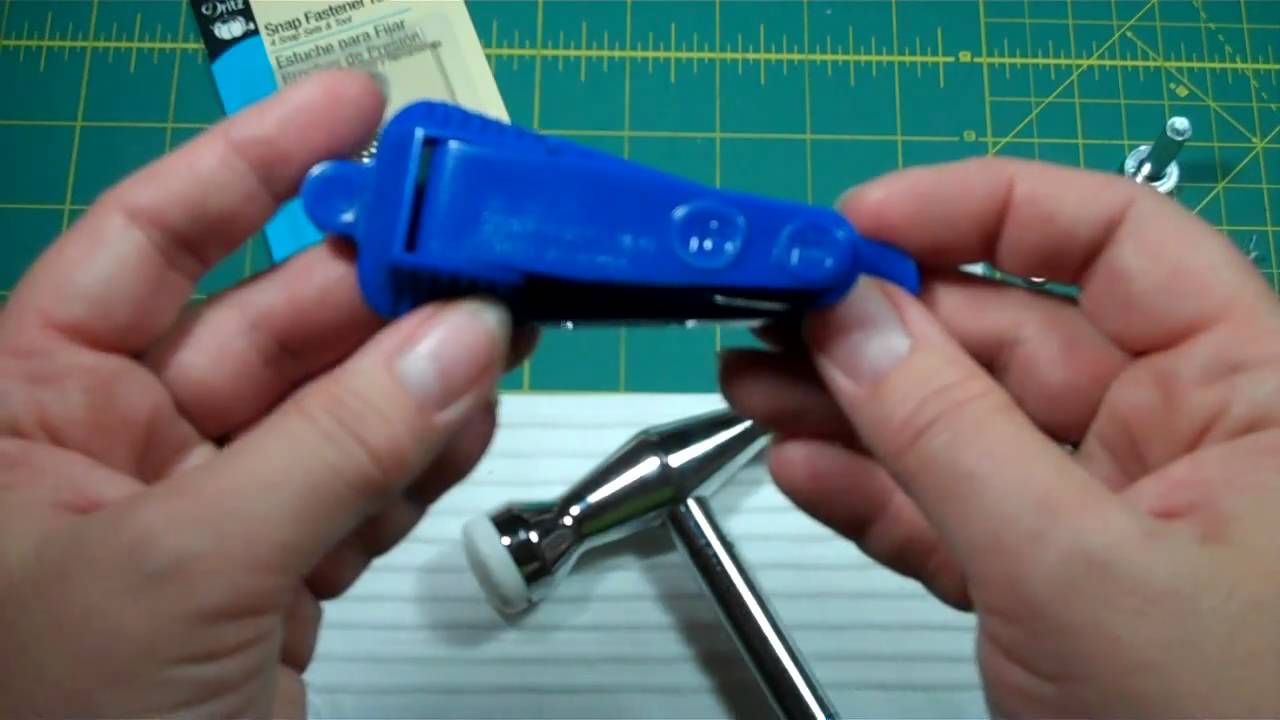
Credit: www.youtube.com
Choosing The Right Snap Fasteners
Choosing the right snap fasteners is important for your sewing projects. The right snaps ensure your fabric stays secure and looks neat. Different snap fasteners work better for different fabrics and uses. Understanding the types and materials helps you pick the best snaps for your needs.
Types Of Snap Fasteners
Snap fasteners come in several types. Metal snaps are strong and long-lasting. Plastic snaps are lighter and good for children’s clothes. There are also sew-on snaps that need stitching. Snap fasteners can be round or square in shape. Choose the type that fits your project style and strength needs.
Materials Compatible With Snaps
Snap fasteners fit well with many materials. They work best on cotton, denim, and canvas. Thin fabrics like silk or chiffon need gentle snaps. Thick fabrics like leather require heavy-duty snaps. Avoid using snaps on very stretchy fabrics as they may pull off. Match the snap material to your fabric for the best hold.
Credit: www.indianainker.com
Preparing Your Materials
Preparing your materials is a key step before using a Dritz snap fastener tool. It helps you work faster and avoid mistakes. Proper preparation ensures your snaps attach securely and look neat.
Marking Snap Placement
Start by choosing the exact spot for your snaps. Use a fabric marker or tailor’s chalk to mark the points clearly. Measure carefully to keep snaps evenly spaced. Mark both sides of the fabric where the snaps will join. Double-check your marks before moving on. This step prevents crooked or misplaced snaps.
Gathering Necessary Tools
Collect all the tools you need before starting. You will need the Dritz snap fastener tool, snaps, a hammer, and the fabric piece. Keep scissors, a ruler, and a marker close by. Having everything ready saves time and keeps your work organized. Make sure your workspace is clean and flat for best results.
Setting Up The Dritz Snap Fastener Tool
Setting up the Dritz Snap Fastener Tool is the first step to attaching snaps easily. Proper setup ensures the tool works smoothly and your snaps hold tightly. Follow the steps carefully to prepare the tool for use.
Tool Components Overview
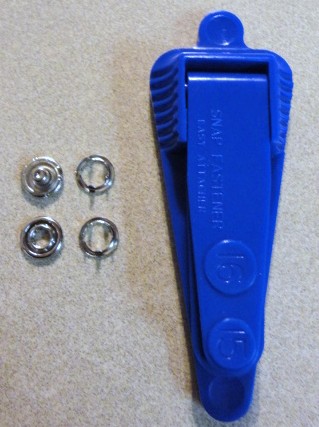
The Dritz Snap Fastener Tool has several main parts. There is a base where the snap pieces fit. A plunger or punch presses the snaps together. The tool also includes different dies for various snap sizes. Each part works together to set snaps firmly in fabric.
Inserting Snap Parts Into The Tool
Start by choosing the right snap size for your project. Place the snap cap in the base die with the front side up. Insert the socket or stud into the top die, matching the snap cap below. Make sure each part fits snugly. Align the fabric between the snap parts before pressing the tool down. This prevents misalignment and damage to the snaps.

Credit: www.handicraft.com
Attaching Snaps To Fabric
Attaching snaps to fabric with a Dritz Snap Fastener Tool is simple and effective. This tool helps you add snaps quickly to clothes, bags, or crafts. The process involves securing each part of the snap firmly to the fabric. Doing this right ensures the snaps stay strong and work perfectly.
Securing The Snap Cap
Start by placing the snap cap on the fabric’s front side. Use the Dritz tool to hold the cap in place. Press down firmly to secure the cap. Make sure the fabric lies flat under the snap cap. Avoid moving the fabric while pressing to keep the snap tight.
Fixing The Socket And Stud
Next, attach the socket to the back side of the fabric. Align it with the snap cap. Use the tool to press the socket firmly. For the stud, place it on the opposite piece of fabric. Press it down with the tool until secure. Both parts must be tight for a strong hold.
Ensuring Proper Alignment
Check the snap parts before pressing. The cap and socket should line up perfectly. The stud must match the socket’s position. Misalignment causes snaps to not close well. Adjust fabric and snaps carefully before applying pressure. Proper alignment makes the snap work smoothly every time.
Troubleshooting Common Issues
Troubleshooting common issues with the Dritz snap fastener tool helps you get better results. Some problems may occur during use. These can stop your snaps from working well or damage your fabric. Knowing how to fix these issues saves time and effort. Below are solutions to frequent problems users face.
Snaps Not Closing Properly
Snaps may not close tightly if the tool is misaligned. Check that the snap parts are placed correctly in the tool. Press firmly and evenly when setting the snap. Using too little force can cause loose snaps. Also, check if the snaps are the right size for your fabric. Replace worn or bent snap parts. Clean the tool after use to keep it working well.
Damaged Fabric
Fabric can tear if the snap is set too close to the edge. Leave enough space around the snap to avoid damage. Use a stabilizer under thin or stretchy fabric. Avoid using excessive pressure when pressing the snaps. Sharp snap edges can cut delicate materials. Choose snaps designed for light fabrics. Practice on scrap fabric to prevent mistakes on your project.
Care And Maintenance Of The Tool
Taking care of your Dritz Snap Fastener Tool keeps it working well for years. Proper maintenance helps avoid damage and ensures smooth use. Simple steps make a big difference in the tool’s life.
Cleaning The Snap Fastener Tool
Wipe the tool after every use to remove dirt and fabric fibers. Use a soft cloth to clean all parts gently. Avoid water or harsh chemicals that can cause rust. For stubborn dirt, a small brush works well. Keep the tool dry to prevent damage and rust.
Storing For Longevity
Store the tool in a dry, cool place away from direct sunlight. Use a protective case or pouch to avoid dust and scratches. Keep it with other sewing tools to find it quickly. Do not leave it in damp areas or near heat sources. Proper storage keeps the tool safe and ready to use.
Frequently Asked Questions
What Is A Dritz Snap Fastener Tool Used For?
The Dritz Snap Fastener Tool attaches snap buttons to fabric quickly. It replaces sewing snaps by hand, saving time and effort. It’s ideal for crafts, garments, and DIY projects requiring secure, easy-to-use fasteners.
How Do You Prepare Fabric For Dritz Snaps?
Mark the snap position on your fabric clearly before attaching. Ensure fabric layers are aligned and flat for accurate placement. Avoid thick fabrics that may be hard to puncture with the snap tool.
Can The Dritz Snap Tool Work On Thick Fabrics?
Yes, it works on moderately thick fabrics like denim and canvas. For very thick materials, multiple tries or heavier tools may be needed. Always test on a scrap piece to ensure good snap attachment.
How Do You Align Snaps Using The Dritz Tool?
Line up the snap parts on both fabric sides carefully. Use the tool’s guide to keep snaps centered. Proper alignment ensures snaps close securely and look neat.
Conclusion
Using the Dritz snap fastener tool makes attaching snaps simple and quick. Practice a few times to get comfortable with the steps. Always align the snaps carefully for a strong hold. This tool works well on many fabrics and projects.
Keep it clean and store it safely after use. With patience, you can add snaps to clothes or crafts easily. Try it out and see the difference it makes. Small tools can make big tasks easier. Snap fasteners add a neat, professional look to your work.