Have you ever struggled to hold metal sheets together while working on a project? If so, you’re not alone.
That’s where Cleco fasteners come in. These small but powerful tools can make your job faster, easier, and more precise. You’ll discover exactly what Cleco fasteners are, how they work, and why they might become your new favorite tool. Keep reading to unlock the secret to smoother, stronger assembly every time.
Cleco Fasteners Basics
Cleco fasteners are simple tools that help hold parts together during work. They keep pieces in place before permanent fasteners go in. These fasteners save time and make assembly easier. Knowing the basics of Cleco fasteners helps in many projects.
They come in handy in many fields, especially in metalwork and aviation. Understanding their types, uses, and sizes gives you the right tool for the job. Here is a clear guide to the basics of Cleco fasteners.
What Cleco Fasteners Are
Cleco fasteners are temporary fasteners for holding materials. They look like small clamps or pins. The fastener fits through holes in the material to keep pieces aligned. They are easy to install and remove. This makes them great for trial assembly or adjustments.
Common Uses In Assembly
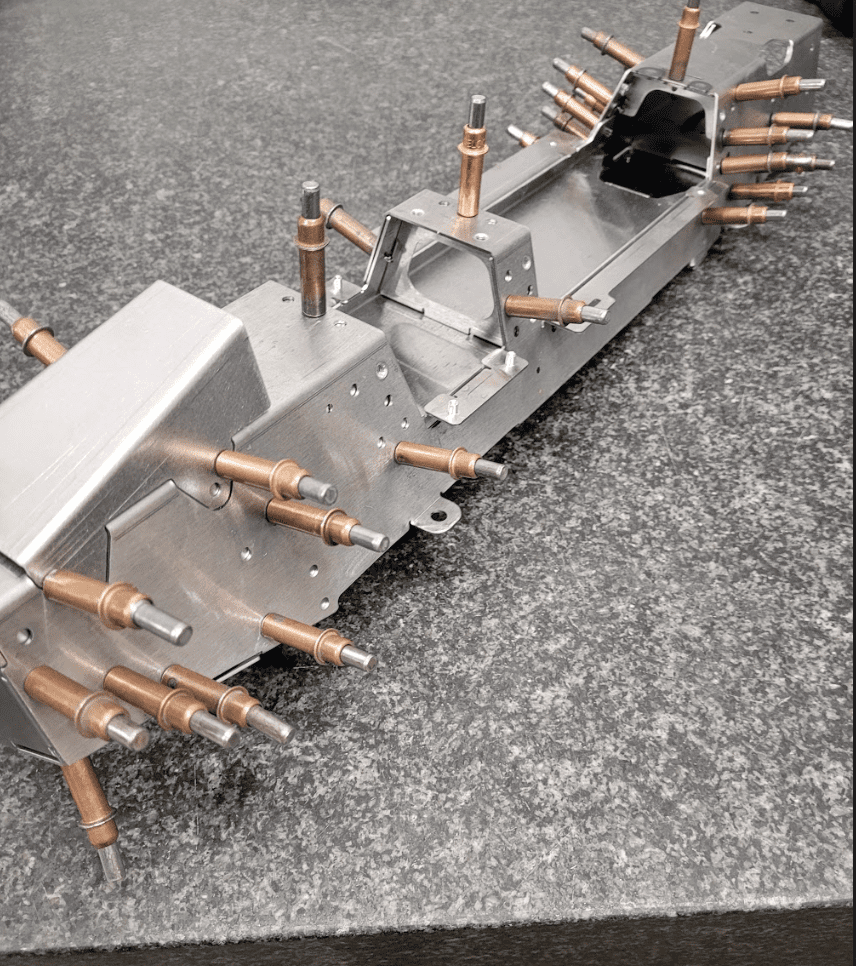
Cleco fasteners hold parts during drilling, fitting, or welding. They keep metal sheets from moving while working on them. Aircraft builders use Clecos to align panels before riveting. Car body shops use them to fit body panels. They are useful in any project needing precise assembly before final fastening.
Materials And Sizes
Cleco fasteners come in steel, aluminum, and copper. Steel Clecos are strong and used for heavy-duty work. Aluminum ones are lighter for delicate materials. Sizes vary based on hole diameter and material thickness. Common sizes fit holes from 1/8 inch to 1/4 inch. Choosing the right size ensures a tight hold without damage.
How Cleco Fasteners Work
Cleco fasteners hold metal pieces tightly during assembly. They act like temporary screws. These fasteners keep parts aligned and secure before permanent rivets or bolts are added. Understanding how Cleco fasteners work helps in many construction and repair projects.
Installation Process
First, drill holes in the materials to join. Insert the Cleco fastener into the hole. Use a special tool to squeeze the fastener. This action expands the fastener inside the hole. It grips the metal pieces together firmly. The parts stay aligned for easy work.
Removal Techniques
To remove, use the same tool as installation. Squeeze the tool to release the fastener’s grip. Pull the Cleco out gently. This leaves the metal pieces ready for permanent fastening. Removal is quick and leaves no damage.
Tools Required
A Cleco plier is essential for both installation and removal. These pliers compress the fastener’s spring mechanism. They come in different sizes for various Cleco fasteners. Using the right tool ensures safe and easy handling.
Types Of Cleco Fasteners
Cleco fasteners come in different types to suit various tasks. Each type offers unique features and strength levels. Choosing the right one helps in holding materials firmly during assembly or repair. Below are the main types of Cleco fasteners commonly used in workshops and industries.
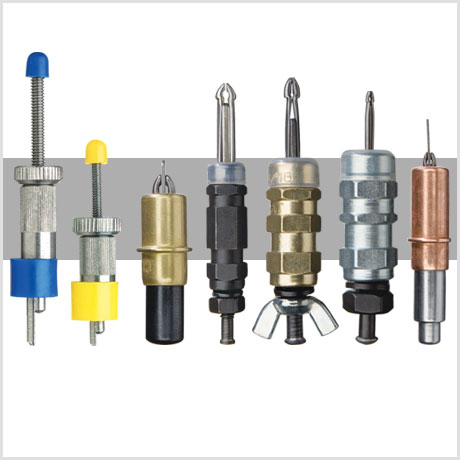
Standard Clecos
Standard Clecos are the most common type. They work well for general sheet metal work. These fasteners are easy to install and remove. They hold materials tightly without causing damage. Standard Clecos come in various sizes to fit different hole diameters. They are perfect for light to medium tasks.
Heavy Duty Variants
Heavy Duty Clecos provide extra strength and durability. They are designed for thicker or tougher materials. These fasteners can handle more stress and hold parts firmly. Heavy duty variants often feature a stronger spring mechanism. They are ideal for heavy sheet metal or structural work.
Specialty Fasteners
Specialty Clecos serve unique or specific needs. Some are made for high-temperature environments or corrosion resistance. Others are designed for irregular or unusual hole shapes. Specialty fasteners offer solutions when standard types don’t fit. These Clecos help in specialized industries like aerospace or automotive manufacturing.
Credit: www.approvedsheetmetal.com
Advantages Of Using Cleco Fasteners
Cleco fasteners offer many benefits in construction and manufacturing. They hold parts firmly and help workers save time. Using Clecos makes projects smoother and more accurate. These small tools improve the entire assembly process.
Speed And Efficiency
Cleco fasteners allow quick temporary fastening. Workers can join parts fast without screws or bolts. This speed helps finish jobs sooner. Time saved means lower labor costs and faster project completion.
Reusability Benefits
Clecos can be used many times over. They do not wear out easily. This reusability reduces the need to buy new fasteners often. It makes Clecos cost-effective for long-term use.
Precision Alignment
Cleco fasteners keep parts perfectly aligned. They hold materials steady during drilling or welding. This precision ensures holes match and parts fit well. Better alignment means stronger, cleaner finished products.
Applications Across Industries
Cleco fasteners serve many industries due to their strength and ease of use. They hold materials tightly during assembly or repair. Their temporary nature allows quick adjustments and removal. This makes them ideal for projects needing precision and speed.
Different fields use Cleco fasteners for various tasks. Each industry benefits from their reliable grip and simple handling. Below are some common applications across key industries.
Aerospace Assembly
In aerospace, Cleco fasteners secure metal sheets before final riveting. They keep parts aligned during aircraft frame construction. This ensures safety and accuracy in the build process. Using Clecos reduces errors and saves time on the assembly line.
Automotive Manufacturing
Automakers use Cleco fasteners to hold panels during car body assembly. They help maintain perfect fit and finish on doors and hoods. Clecos allow workers to adjust parts quickly before permanent welding or bolting. This improves production speed and quality control.
Sheet Metal Fabrication
Sheet metal workers rely on Cleco fasteners to clamp pieces for cutting and shaping. The fasteners keep metal steady, preventing slips or gaps. This leads to cleaner edges and better fitting parts. Their easy release helps speed up the fabrication process.
Credit: www.panamericantool.com
Maintenance And Care
Proper maintenance and care extend the life of Cleco fasteners. These tools face wear and tear during frequent use. Regular attention keeps them working smoothly and avoids costly replacements. Clean fasteners perform better and last longer. Storage also plays a crucial role in preserving their condition. Troubleshooting small issues early prevents bigger problems later. Follow simple steps for maintenance to ensure reliability every time you use Cleco fasteners.
Cleaning Tips
Clean Cleco fasteners after each use. Remove dirt, metal shavings, and dust with a soft brush. Use a mild solvent or soapy water for stubborn grime. Avoid harsh chemicals that can damage metal parts. Dry fasteners completely to prevent rust. Lubricate moving parts lightly with machine oil. This reduces friction and keeps the fastener working smoothly.
Storage Recommendations
Store Cleco fasteners in a dry place to stop rust. Use a toolbox or a small container for protection. Keep fasteners separated to avoid scratches and damage. Avoid leaving them in damp or humid areas. Label storage containers to find the right size fastener quickly. Proper storage helps maintain their shape and functionality.
Troubleshooting Common Issues
Fasteners not holding tight? Check for worn or damaged parts. Replace missing springs or clips immediately. If the fastener sticks, clean and lubricate the mechanism. Bent or broken fasteners must be discarded for safety. Tighten loose parts regularly to keep firm grip. Regular checks help catch problems before work slows down.
Choosing The Right Cleco Fastener
Choosing the right Cleco fastener matters for any project. The correct fastener holds parts tightly and fits the materials well. It also speeds up your work and keeps it safe.
Wrong fasteners can cause damage or weak joints. Picking the best one means knowing what to look for. Learn about key points to help you decide.
Factors To Consider
Size is important. The fastener should fit the hole and material thickness. Strength matters too. Pick a fastener that can handle the pressure of your task. The type of fastener affects how easy it is to use. Some fasteners are better for quick assembly. Others hold more tightly.
Matching Fasteners To Materials
Different materials need different fasteners. Thin metals need smaller, lighter fasteners. Thick metals need stronger, larger fasteners. Soft materials like plastic require gentle fasteners to avoid damage. Steel fasteners work well with metal parts. Choose fasteners that suit the material to keep parts safe and secure.
Budget And Quality Balance
Cheap fasteners may save money but break easily. High-quality fasteners last longer and hold better. Balance your budget with the quality you need. Spend more for important or heavy-duty projects. For light work, basic fasteners can be enough. Think about long-term use to get the best value.
Credit: en.wikipedia.org
Frequently Asked Questions
What Are Cleco Fasteners Used For?
Cleco fasteners temporarily hold materials together during assembly. They are mainly used in metal fabrication and aircraft construction. These fasteners allow easy alignment and removal before permanent fastening.
How Do Cleco Fasteners Work?
Cleco fasteners use a spring-loaded mechanism. When inserted into drilled holes, they expand to hold parts tightly. This ensures precise positioning until final riveting or welding.
What Materials Are Cleco Fasteners Compatible With?
Cleco fasteners work well with sheet metal, aluminum, and other thin materials. They provide secure temporary fastening without damaging or deforming the materials.
Are Cleco Fasteners Reusable?
Yes, Cleco fasteners are highly reusable. They can be quickly installed and removed multiple times, making them ideal for repetitive assembly tasks and adjustments.
Conclusion
Cleco fasteners hold materials tightly during assembly or repair. They save time and effort by allowing quick temporary fastening. These tools are common in metalwork and aviation industries. Knowing how to use Clecos helps ensure precise and secure fits. Their simple design makes them easy to handle and reliable.
Choosing the right Cleco fastener can improve your project’s quality. Always check the size and type before use. Clecos play a small but important role in many construction tasks. They keep parts aligned until permanent fasteners are in place. A basic tool with a big impact.