Have you ever struggled to join two materials when you can only access one side? That’s exactly where a blind fastener comes in handy.
If you want a strong, reliable connection without needing to reach behind your project, understanding what a blind fastener is will change the way you work. Keep reading, and you’ll discover how this simple yet clever tool can make your tasks easier, faster, and more secure.

Credit: www.gilgharda.com
Basics Of Blind Fasteners
Blind fasteners are essential in many industries for joining materials. They allow secure connections where only one side is accessible. This makes them ideal for tight spaces or complex assemblies. Understanding their basics helps in choosing the right fastener for a job.
Definition And Design
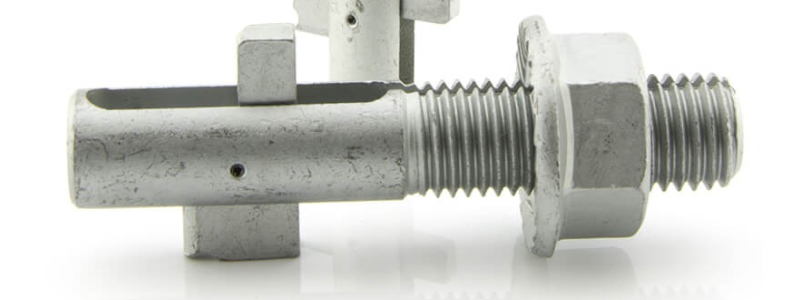
A blind fastener is a type of mechanical fastener used to join two parts. It installs from one side only, making the back side inaccessible. The design includes a body and a mandrel or pin that expands the fastener in the hole. This expansion creates a strong hold on the material’s blind side.
Types Of Blind Fasteners
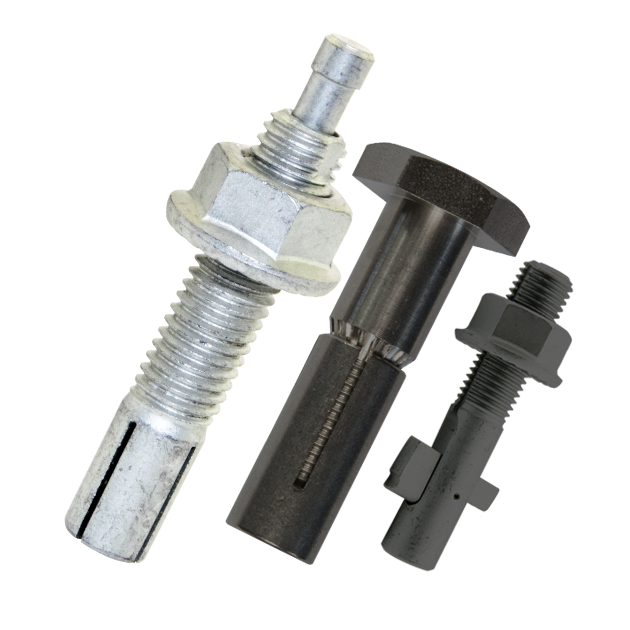
There are several types of blind fasteners. Blind rivets are common and use a mandrel to expand the fastener body. Blind bolts work like bolts but can be installed from one side. Push-type and drive-type fasteners rely on force to expand and lock in place. Each type suits different materials and load needs.
Materials Used
Blind fasteners come in various materials. Aluminum is lightweight and resistant to corrosion. Steel offers high strength for heavy-duty use. Stainless steel provides both strength and corrosion resistance. Some fasteners use nylon or plastic for light applications. Material choice depends on the environment and the parts joined.
Benefits Of Blind Fasteners
Blind fasteners offer several key benefits that make them popular in many industries. They provide a simple, strong solution for joining materials. Their unique design allows installation from one side only, saving time and effort. These fasteners improve work efficiency and reduce the need for extra tools or helpers.
Ease Of Installation
Blind fasteners install quickly and easily. Only one side of the material needs access. This feature helps in tight spaces or complex assemblies. Workers save time as no second person is required. Installation is also clean and safe, with fewer risks of damage.
Strength And Durability
These fasteners create strong, lasting joints. They resist vibration, tension, and shear forces well. Many are made from corrosion-resistant materials. This ensures long life even in harsh environments. The joints maintain integrity under stress and wear.
Versatility In Applications
Blind fasteners work with many materials like metal, plastic, and wood. They fit various thicknesses and shapes. Industries such as automotive, aerospace, and construction use them. Their adaptability makes them ideal for many projects.
Cost-effectiveness
Using blind fasteners reduces labor costs and time spent. Fewer tools and less equipment are needed for installation. Their durability lowers maintenance and replacement expenses. Overall, they offer a budget-friendly fastening solution.
Common Uses
Blind fasteners are widely used in many industries. Their ability to secure materials from one side makes them very useful. They work well in tight spaces or when access is limited. This section explains common uses of blind fasteners.
Automotive Industry
Blind fasteners join car parts quickly and securely. They hold panels, trims, and frames together. These fasteners resist vibration and harsh conditions. Car makers prefer them for speed and strength.
Construction And Architecture
Builders use blind fasteners in metal and wood structures. They connect beams, panels, and facades. Their one-sided installation saves time on site. They ensure strong and lasting joins in buildings.
Electronics And Appliances
Blind fasteners attach parts inside small gadgets and machines. They fit in tight spots where screws can’t reach. Appliances like washers and microwaves often use these fasteners. They help keep devices sturdy and safe.
Aerospace Applications
Aircraft need lightweight, strong fasteners that work in hard-to-reach areas. Blind fasteners meet these demands well. They secure panels and components on planes. Their reliability helps ensure flight safety and efficiency.
Installation Techniques
Installing blind fasteners requires a clear process and the right tools. The method ensures a secure and strong hold in materials that are hard to access. Proper installation prevents damage and improves the fastener’s performance.
Tools Required
You need a blind rivet gun or a special setting tool. Drill bits help create holes for the fastener. Measuring tools ensure the hole matches the fastener size. Safety glasses protect your eyes during drilling and setting. A deburring tool cleans the hole edges for a better fit.
Step-by-step Process
Start by drilling a hole through the materials to join. Make sure the hole is clean and the right size. Insert the blind fastener into the hole. Use the rivet gun to pull the mandrel. The fastener expands and grips the material tightly. Keep pulling until the mandrel snaps off. Check the fastener is secure and flush with the surface.
Troubleshooting Tips
If the fastener does not grip, check the hole size. Too large holes cause loose fitting. If the mandrel does not snap, apply more pressure. Avoid pulling too hard to prevent tool damage. If the fastener pulls through, use a thicker material or larger fastener. Always inspect for cracks or damage after installation.
Comparing Blind Fasteners With Other Fasteners
Blind fasteners differ from other fasteners in how they attach materials. They are designed to work from one side of a part. This makes them useful in tight spaces or where the back side is hard to reach. Many fasteners need access from both sides, but blind fasteners do not.
Understanding these differences helps choose the right fastener for a job. Here is a comparison of blind fasteners with traditional fasteners.
Advantages Over Traditional Fasteners
Blind fasteners install quickly and easily from one side. This saves time and effort during assembly. They work well in tight or confined spaces without room behind the workpiece. These fasteners create strong, reliable joints that resist vibration and loosening. They reduce the need for extra tools or helpers to hold parts in place. Blind fasteners also minimize damage to surfaces because they do not require access to the back side.
Limitations To Consider
Blind fasteners may cost more than standard screws or bolts. They have size limits and may not fit very thick materials. Some types are less reusable once installed. Not all blind fasteners hold as much load as traditional fasteners. The installation requires proper tools to set them correctly. Choosing the wrong type can lead to weak joints or damage. Consider these limits before selecting blind fasteners for your project.
Choosing The Right Blind Fastener
Choosing the right blind fastener is important for a strong and lasting hold. Blind fasteners join materials where only one side is accessible. Picking the correct type ensures safety and durability. Several factors affect the choice of fastener for your project.
Factors To Consider
Material type matters. Metals, plastics, or composites need different fasteners. Thickness of the materials affects fastener length and strength. Environmental conditions like moisture or heat impact fastener material choice. Load requirements define how strong the fastener should be. Ease of installation can save time and effort on the job.
Matching Fastener To Application
Consider the purpose of your project. Temporary or permanent fastening calls for different fasteners. Use corrosion-resistant fasteners for outdoor or wet environments. Select fasteners that fit tight spaces or hard-to-reach areas. Check the fastener’s grip range to match material thickness. A proper fit prevents loosening and damage over time.
Maintenance And Inspection
Maintaining and inspecting blind fasteners is key to keeping structures safe and strong. These fasteners join parts where only one side is accessible. Checking them often helps find problems early. It stops bigger damage and keeps everything working well.
Routine Checks
Look at blind fasteners regularly. See if they are loose or missing. Check for rust or dirt around them. Clean fasteners with a soft brush or cloth. Tighten any fasteners that feel loose. Use proper tools to avoid damage. Keep records of each inspection for future reference.
Signs Of Wear And Replacement
Look for cracks or breaks in the fastener head. Notice if the fastener moves when pressure is applied. Rust or corrosion weakens the fastener’s hold. Bent or deformed fasteners cannot hold parts properly. Replace any fastener showing these signs. Use the right replacement to keep strength and safety.
Credit: www.blindbolt.com
Credit: www.blindbolt.com
Frequently Asked Questions
What Is A Blind Fastener Used For?
A blind fastener secures materials where only one side is accessible. It’s ideal for tight spaces and hard-to-reach areas. Industries like aerospace and automotive commonly use them for strong, reliable joints without needing access to both sides.
How Does A Blind Fastener Work?
A blind fastener expands or locks from one side when installed. It creates a tight bond by gripping the material internally. This mechanism allows fastening without needing to hold or see the backside, making it practical for blind or sealed assemblies.
What Materials Are Blind Fasteners Made From?
Blind fasteners are commonly made from aluminum, steel, stainless steel, and sometimes titanium. These materials offer strength, corrosion resistance, and durability. The choice depends on application requirements like load, environment, and material compatibility.
What Are The Advantages Of Blind Fasteners?
Blind fasteners allow installation from one side, saving time and labor. They provide strong, vibration-resistant joints and work well in tight spaces. Their ease of use reduces assembly costs and improves safety in inaccessible areas.
Conclusion
Blind fasteners join materials quickly and securely from one side. They save time and work well in hard-to-reach spots. These fasteners come in many types and sizes for different jobs. Choosing the right one improves strength and durability. Understanding blind fasteners helps you pick the best option.
Simple, strong, and reliable—blind fasteners solve many fastening challenges. They keep projects safe and steady without extra effort. A smart choice for builders and DIYers alike.