Are you sure you know which fasteners are truly threaded? It might seem simple, but many people confuse threaded fasteners with other types.
Knowing the difference can save you time, money, and frustration in your projects. You’ll discover exactly which fasteners are threaded and how to spot them easily. Stick around, because understanding this can make your work smoother and more efficient than ever before.

Credit: marshfasteners.com
Threaded Fasteners Basics
Threaded fasteners are essential parts in many machines and structures. They hold parts together firmly and allow easy assembly and disassembly. Understanding their basics helps in choosing the right fastener for any project. These fasteners come in various shapes and sizes, each designed for specific uses.
Types Of Threaded Fasteners
Threaded fasteners include screws, bolts, and studs. Screws usually have a pointed end and are used with materials like wood or plastic. Bolts have a flat end and often need a nut to hold parts tight. Studs are threaded rods used to connect two parts without a head. Each type fits different needs and provides strong connections.
Common Materials Used
Steel is the most common material for threaded fasteners. It offers strength and durability. Stainless steel resists rust and works well outdoors. Brass and aluminum are lighter and resist corrosion but are not as strong. Choosing the right material depends on the environment and load requirements.
How Threads Work
Threads are spiral ridges on the fastener’s shaft. They convert turning force into linear force. This pulls parts together tightly. The thread pitch, or distance between threads, affects how fast the fastener moves. Coarse threads are quicker to install, while fine threads hold better in metal. Proper thread engagement ensures a secure fit.

Credit: threadedfasteners.com
Identifying Threaded Fasteners
Identifying threaded fasteners helps choose the right one for your project. Threaded fasteners have grooves that spiral around their shaft. These grooves hold parts together tightly.
Knowing how to spot and measure these fasteners saves time and effort. It also ensures the fastener fits perfectly and works well.
Visual Characteristics
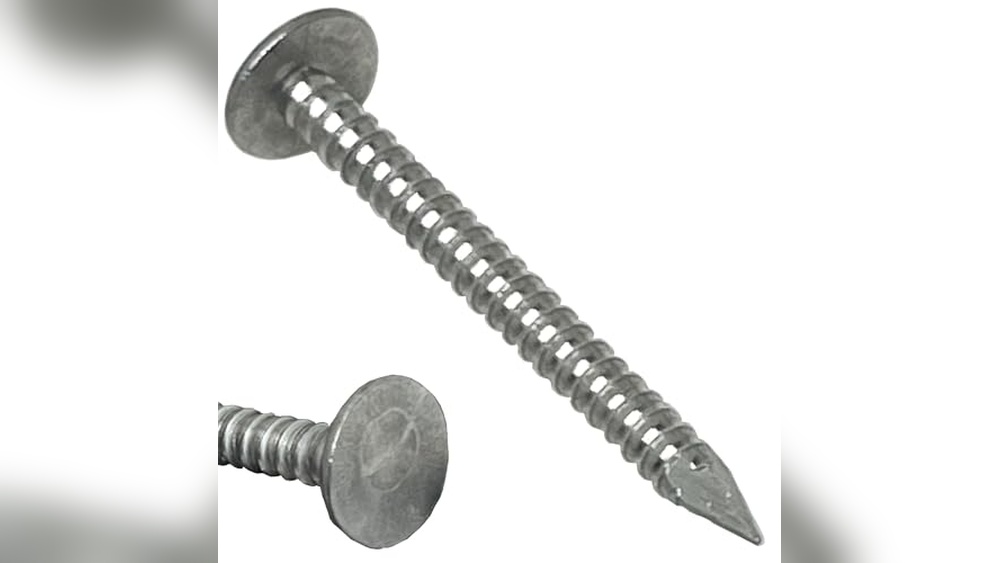
Threaded fasteners show clear spiral patterns on their body. These threads wrap around the fastener in a helical shape. The head of the fastener often has a shape for tools, like a hex or Phillips slot.
Threaded fasteners include bolts, screws, and studs. They have visible ridges that grip into materials. The thread shape can be coarse or fine, depending on the use.
Measuring Thread Size And Pitch
Thread size means the diameter of the fastener’s shaft. Pitch is the distance between two thread peaks. Measuring pitch helps find the exact match for nuts or holes.
Use a ruler or caliper for diameter measurement. A thread pitch gauge shows how close the threads are. Both size and pitch must match for a tight fit.
Tools For Identification
Common tools help identify threaded fasteners quickly and clearly. A caliper measures diameter with high accuracy. A thread pitch gauge checks thread spacing easily.
Visual guides or charts can compare thread types. Magnifying glasses reveal fine thread details. Using the right tools avoids mistakes in choosing fasteners.
Common Threaded Fasteners
Threaded fasteners are essential in many projects and repairs. They join parts by using threads that fit tightly together. These fasteners hold materials firmly and allow easy assembly or disassembly.
Understanding common types helps in choosing the right fastener. Each type has its unique purpose and shape. Below are the most popular threaded fasteners used in various industries.
Bolts And Screws
Bolts and screws look similar but serve different roles. Bolts usually need a nut to hold parts together. Screws can hold materials alone by cutting their own threads.
They come in many sizes and head shapes. Bolts and screws are used in wood, metal, and plastic projects. Their threads provide a strong grip that resists loosening.
Nuts And Washers
Nuts are small pieces that match bolt threads. They secure bolts by tightening around them. Washers are thin discs placed under nuts or bolt heads.
Washers spread the load and protect surfaces from damage. Both nuts and washers improve the strength and stability of fastened joints. They prevent loosening caused by vibration or movement.
Studs And Threaded Rods
Studs are rods threaded on both ends or along the whole length. They fit into tapped holes and hold parts together with nuts. Threaded rods are long rods fully threaded from end to end.
They are cut to length and used when extra reach or custom size is needed. Studs and threaded rods offer strong connections in machines and structures. Their threads provide flexibility for various fastening needs.

Credit: www.engineeringexpress.com
Non-threaded Fasteners To Compare
Non-threaded fasteners hold parts together without using threads. They rely on other methods to join materials securely. These fasteners often provide quick assembly and disassembly options. They are useful when a threaded fastener is not suitable or needed. Understanding these helps compare their uses against threaded fasteners.
Rivets
Rivets are metal pins that join two pieces permanently. They pass through holes in the materials and get deformed. This deformation locks the parts together tightly. Rivets are strong and often used in construction and metalwork. They do not allow removal without damage.
Clips And Pins
Clips and pins hold parts by fitting into grooves or holes. They are easy to insert and remove. These fasteners work well for temporary or adjustable connections. Common types include cotter pins, hairpin clips, and snap rings. They provide secure fastening without threading.
Adhesive Fasteners
Adhesive fasteners use glue or bonding agents to join surfaces. They spread evenly between parts and harden to hold firmly. These fasteners avoid holes or damage to materials. Adhesives work on many surfaces, including metal, plastic, and wood. They offer clean, invisible joints without mechanical parts.
Applications Of Threaded Fasteners
Threaded fasteners are essential in many industries. They hold parts together tightly and allow easy assembly or disassembly. Their strong grip and reusability make them very popular. These fasteners come in many shapes and sizes to fit different needs. Below are key areas where threaded fasteners are widely used.
Automotive Industry
Cars and trucks rely on threaded fasteners to hold parts firmly. Engines, wheels, and doors use bolts and screws. These fasteners keep vehicles safe and stable during movement. They allow quick repairs and part replacements. Without threaded fasteners, assembling vehicles would be slow and difficult.
Construction And Building
Buildings use threaded fasteners in steel frames, roofs, and walls. They connect beams and panels with strong joints. Fasteners help workers build structures faster and safer. They also allow for adjustments and repairs after construction. Their strength supports heavy loads and harsh weather conditions.
Electronics And Machinery
Small screws and bolts secure electronic devices and machines. They hold circuit boards, casings, and moving parts. Threaded fasteners keep delicate components safe and stable. They make it easy to open devices for maintenance or upgrades. Their precision fits are key in small, complex equipment.
Choosing The Right Fastener
Choosing the right threaded fastener is important for any project. The correct fastener ensures safety, durability, and efficiency. Different fasteners serve different purposes. Knowing how to pick the right one saves time and money. Consider several key factors before making your choice.
Load And Strength Requirements
Fasteners must hold the parts firmly together. They must handle the force or weight applied. Choose a fastener with the right strength rating. Stronger fasteners suit heavy loads and high stress. Lighter fasteners work for small or delicate tasks. Check the material and size for proper strength.
Environmental Considerations
Fasteners face different conditions like moisture, heat, or chemicals. Some corrode or weaken under harsh conditions. Stainless steel or coated fasteners resist rust and wear. Use weather-resistant fasteners for outdoor projects. Match the fastener type to the environment for longer life.
Cost And Availability
Price matters, especially for large projects. Some fasteners cost more due to materials or design. Choose a fastener that fits your budget but meets needs. Check local stores or suppliers for quick availability. Easy-to-find fasteners save time and reduce delays.
Frequently Asked Questions
What Are Common Types Of Threaded Fasteners?
Common threaded fasteners include screws, bolts, studs, and threaded rods. These fasteners create secure joints by engaging with internal threads in materials or nuts.
How To Identify A Threaded Fastener?
A threaded fastener has external helical ridges, called threads. Threads allow it to screw into a matching internal thread or nut securely.
Why Use Threaded Fasteners Over Non-threaded?
Threaded fasteners provide strong, adjustable connections. They allow easy assembly, disassembly, and maintenance without damaging parts compared to non-threaded fasteners.
Can Nuts Be Considered Threaded Fasteners?
Yes, nuts are threaded fasteners. They have internal threads that mate with bolts or screws to clamp components tightly.
Conclusion
Threaded fasteners hold parts tightly together. Screws, bolts, and nuts all have threads. These threads help them grip and stay in place. They are common in many tools and machines. Knowing which fasteners are threaded helps in choosing right parts.
It also makes repairs and builds easier. Threaded fasteners come in many sizes and types. Each type fits different jobs and materials. Understanding them saves time and avoids mistakes. Keep these basics in mind for your next project.