Have you ever wondered what holds your furniture, machines, or vehicles together so securely? The answer often lies in something small but powerful—a fastener bolt.
If you’re curious about what a fastener bolt is and why it’s essential for countless everyday objects, you’re in the right place. Understanding this simple yet crucial component can help you make smarter choices in repairs, construction, or DIY projects.
Keep reading, and you’ll discover how fastener bolts work, why they matter, and how to pick the right one for your needs.
Fastener Bolt Basics
Fastener bolts are essential tools in construction and manufacturing. They join parts securely and hold structures together. Knowing the basics helps you understand their role and use.
Fastener bolts come in many shapes and sizes. Each has a special job depending on the project needs.
Bolt Definition
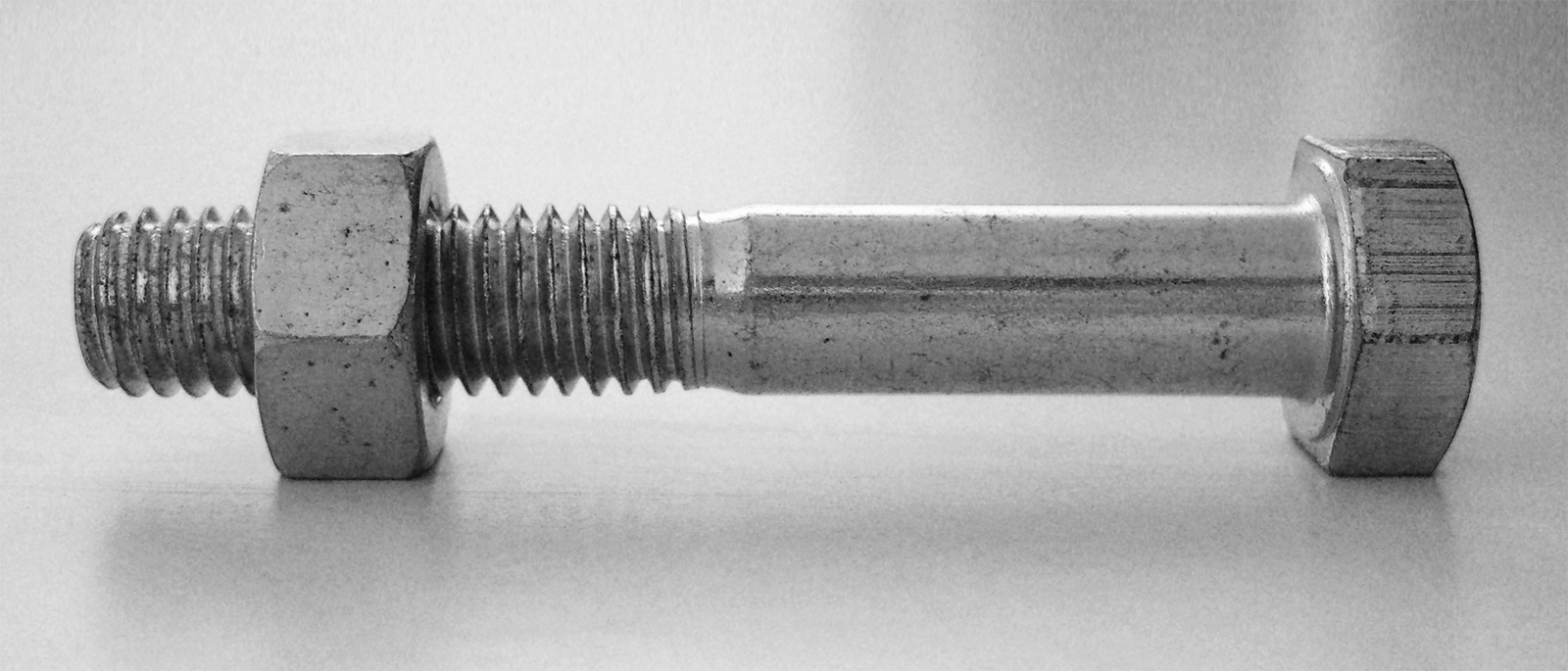
A bolt is a type of fastener with a threaded shaft. It works with a nut to hold objects tightly. Bolts are different from screws because they need a nut to lock parts.
Bolt Components
Bolts have a head, a threaded shaft, and sometimes a smooth shank. The head allows tools to turn the bolt. Threads help the bolt grip the nut or material. Some bolts have a smooth section between the head and threads for better fit.
Common Materials
Bolts are made from steel, stainless steel, brass, or aluminum. Steel bolts are strong and common. Stainless steel bolts resist rust and suit wet areas. Brass bolts are good for decoration and light use. Aluminum bolts are light and resist corrosion.
Credit: en.wikipedia.org
Types Of Bolts
Bolts are essential fasteners in many projects. They join materials tightly and securely. Different types of bolts serve different purposes. Each type has a unique shape and use. Knowing these types helps pick the right bolt for your job.
Here are some common types of bolts and their uses.
Hex Bolts
Hex bolts have a six-sided head. They are easy to tighten with a wrench. These bolts are strong and used in construction and machinery. Their shape offers good grip and torque.
Carriage Bolts
Carriage bolts have a round, smooth head. Their square neck keeps them from turning. They are often used in wood projects. Carriage bolts create a clean, finished look.
Eye Bolts
Eye bolts have a looped head. They attach ropes or cables. These bolts are common in lifting and rigging. Their shape helps hold loads safely.
Lag Bolts
Lag bolts are large and heavy-duty. They have sharp threads for wood. These bolts provide strong connections in timber. Lag bolts are used in decks and fences.
U-bolts
U-bolts are shaped like the letter “U.” They hold pipes and tubes in place. These bolts secure round objects firmly. U-bolts are common in plumbing and automotive work.
Anchor Bolts
Anchor bolts fix structures to concrete. They have a bent or hooked end. These bolts keep buildings stable and safe. Anchor bolts are vital in construction foundations.
Bolt Head Styles
Bolt head styles play a big role in choosing the right fastener bolt. The head design affects how you use a bolt. It influences the tool needed and the bolt’s strength. Different projects call for different bolt head styles. Each style has a unique shape and purpose.
Understanding these styles helps you pick the best bolt. It ensures a secure fit and smooth installation. Let’s explore the common bolt head styles and their features.
Hex Head
The hex head is the most common bolt head. It has six flat sides, shaped like a hexagon. This design allows easy gripping with wrenches or sockets. Hex heads provide strong torque and grip. They are widely used in construction and machinery.
Square Head
Square head bolts have four flat sides. They offer good grip but less than hex heads. Square heads work well in tight spaces. Their shape prevents slipping during tightening. These bolts are often used in older or traditional equipment.
Flange Head
Flange head bolts have a wide base under the head. The flange acts like a built-in washer. It spreads the load and prevents damage to the surface. These bolts need fewer parts and save time. Common in automotive and heavy equipment.
Button Head
Button head bolts have a low, rounded top. They provide a smooth finish and less height. This style is useful where clearance is limited. Button heads look neat and reduce snagging. They are common in electronics and furniture.
Countersunk Head
Countersunk head bolts sit flush with the surface. The head has a conical shape that fits into a hole. This design creates a smooth, flat finish. Countersunk bolts are perfect for applications needing a clean look. Often used in woodworking and metalwork.

Credit: baitalnuhas.com
Bolt Thread Types
Bolt threads come in different types to fit various needs. The thread type affects how a bolt holds parts together. Choosing the right thread ensures strong, secure fastening. Understanding these thread types helps you pick the best bolt for your project.
Coarse Threads
Coarse threads have fewer threads per inch. They are thicker and deeper than fine threads. These bolts are easier to install and remove. Coarse threads resist damage in dirty or rough conditions. They are common in construction and heavy machinery.
Fine Threads
Fine threads have more threads per inch. They offer better grip and hold than coarse threads. Fine threads are used in precision equipment and automotive parts. They resist loosening from vibrations better. These bolts need careful handling to avoid damage.
Metric Threads
Metric threads use millimeters to measure thread pitch. They are standard in most countries worldwide. Metric bolts fit metric nuts and parts. These threads come in both coarse and fine forms. Metric bolts offer precise measurements and compatibility.
Unc Vs Unf
UNC stands for Unified National Coarse threads. UNF means Unified National Fine threads. UNC bolts are thicker and better for quick assembly. UNF bolts provide stronger grip and better stress resistance. Both are common in the United States and work with standard nuts.
Bolt Grades And Strength
Bolt grades and strength determine how strong and reliable a bolt is. Different grades show the bolt’s ability to handle stress and weight. Choosing the right grade is key for safety and durability in any project.
Grade Markings
Bolt grade markings are small symbols or numbers on the bolt head. These marks tell you the bolt’s strength and type. For example, a grade 5 bolt has three radial lines. Grade 8 bolts have six radial lines. These markings help identify the bolt quickly.
Material Strength
Bolt strength depends on the material used to make it. Common materials include carbon steel, alloy steel, and stainless steel. Alloy steel bolts are stronger than carbon steel bolts. Stainless steel bolts resist rust but are usually less strong.
Each grade has a specific tensile strength. This means how much force the bolt can take before breaking. Higher-grade bolts handle more force and last longer in tough conditions.
Corrosion Resistance
Corrosion resistance protects bolts from rust and damage. Stainless steel bolts resist rust well. Zinc-coated or galvanized bolts also resist corrosion. Choosing bolts with good corrosion resistance extends their life.
Corrosion is a big problem in outdoor or wet environments. Using the right bolt material helps keep structures safe and strong over time.
Common Bolt Uses
Bolt fasteners are essential in many industries. They join materials firmly and safely. Their design allows easy assembly and disassembly. Bolts come in various sizes and types. Each type fits specific uses and materials.
Construction
Bolts hold beams, columns, and panels in place. They support heavy loads and resist vibration. Builders use bolts for steel frameworks and concrete structures. Bolts ensure buildings stay strong and safe over time.
Automotive
Cars and trucks rely on bolts for engine parts and chassis. Bolts keep wheels, brakes, and frames connected. They handle high pressure and heat inside engines. Bolts make vehicle repairs and maintenance easier.
Machinery
Machines need bolts to join gears, shafts, and housings. Bolts help machines run smoothly and reduce breakdowns. They allow quick replacement of worn or damaged parts. Bolts are vital in factories and workshops.
Furniture
Furniture assembly uses bolts for strong, lasting joints. They connect wood, metal, and plastic pieces securely. Bolts make furniture easy to move or fix. They provide stability for chairs, tables, and beds.
Electrical Applications
Bolts fasten electrical panels, junction boxes, and equipment. They ensure safe connections and prevent loose parts. Bolts resist corrosion and protect against electrical hazards. They help maintain reliable power systems.
Installation Tips
Installing fastener bolts correctly ensures strong and safe connections. Proper installation prevents damage and extends the bolt’s life. Follow clear steps for the best results.
Choosing The Right Bolt
Select bolts that fit the material and load requirements. Check the size, length, and thread type carefully. Use bolts made from the right metal for the environment. Stainless steel bolts work well for wet areas. Avoid mixing different metals to stop rust and corrosion.
Torque Specifications
Use a torque wrench to tighten bolts to the correct level. Too much force can break the bolt or strip threads. Too little force makes the connection weak and unsafe. Follow manufacturer torque guidelines for each bolt type. Tighten bolts in a cross pattern for even pressure.
Bolt Maintenance
Inspect bolts regularly for signs of wear or rust. Clean bolts and apply anti-seize lubricant if needed. Replace any bolts that show damage or corrosion. Keep bolts tight but avoid over-tightening during maintenance checks. Proper care increases bolt durability and safety.

Credit: www.anchorbolt.co.in
Bolt Accessories
Bolt accessories are small parts that help bolts work better. They make connections stronger and safer. These accessories hold bolts in place and stop them from loosening. They also spread pressure to protect materials. Using the right accessories extends the life of a bolt and the whole structure.
Nuts
Nuts are round pieces with a hole in the middle. They screw onto the bolt’s threaded end. This locks the bolt firmly. Different types of nuts fit various bolts and needs. They keep parts tightly joined and stop bolts from slipping out.
Washers
Washers are flat discs placed under nuts or bolt heads. They spread the load evenly over a larger area. This stops damage to the surface of the material. Washers also reduce friction during tightening. They help keep bolts tight and prevent leaks.
Locking Devices
Locking devices stop bolts from loosening under vibration. They include lock washers, lock nuts, and thread-locking fluids. These devices grip the bolt threads tightly. This keeps bolts secure in machines and vehicles. Locking devices increase safety and reliability of fastened parts.
Frequently Asked Questions
What Is A Fastener Bolt Used For?
A fastener bolt joins two or more objects tightly. It provides strong, secure connections in machinery and structures. Bolts ensure stability and durability in various applications.
How Does A Fastener Bolt Differ From A Screw?
Bolts require nuts for fastening, while screws do not. Bolts create stronger joints and are used for heavy-duty connections. Screws are typically used for lighter materials and direct threading.
What Materials Are Fastener Bolts Made From?
Fastener bolts are commonly made from steel, stainless steel, brass, or titanium. Material choice depends on strength, corrosion resistance, and application requirements. Steel bolts are most widely used in construction.
How To Choose The Right Fastener Bolt Size?
Select bolt size based on load requirements and hole diameter. Consider bolt length, diameter, and thread pitch for proper fit. Correct sizing ensures safe and effective fastening.
Conclusion
Fastener bolts hold things tightly and keep structures strong. They come in many types, sizes, and materials. Choosing the right bolt is key for safety and durability. Understanding bolts helps you pick the best one for any project. Simple, reliable, and essential—bolts make a big difference.
Keep bolts tight and check them often to avoid problems. Now you know what a fastener bolt is and why it matters.