If you’re working with a fiberglass hood, installing Dzus fasteners is one of the best ways to secure it quickly and safely. But if you’ve never done it before, the process might seem tricky or even intimidating.
Don’t worry—you’re about to learn a simple, step-by-step method that will make your installation smooth and precise. By the end of this guide, you’ll know exactly how to fit Dzus fasteners on your fiberglass hood, giving you a professional finish and peace of mind on the road.
Ready to get started? Let’s dive in and transform your hood installation from a challenge into an easy, satisfying task.
Credit: blog.demon-tweeks.com
Tools And Materials
Marking fastener locations on a fiberglass hood is a crucial step for a secure and precise installation. Accurate marks prevent misalignment and ensure the Dzus fasteners fit perfectly. This process requires patience and careful measurement to avoid damaging the hood.
Determining Fastener Placement
Start by deciding where the fasteners will hold the hood firmly. Place them near the edges for better grip. Space the fasteners evenly to balance the pressure. Avoid placing them too close to the corners to prevent cracks.
Using Tape For Accurate Marking
Apply masking tape on the hood where you plan to drill. Tape protects the surface from scratches. It also makes the marks more visible. Use a fine-tip marker to dot the exact spots on the tape.
Measuring And Aligning Points
Use a ruler or measuring tape to check distances between marks. Align the points to keep the fasteners straight. Double-check measurements before drilling any holes. Correct alignment helps the hood close smoothly and securely.
Credit: www.kineticvehicles.com
Marking Fastener Locations
Drilling holes in a fiberglass hood is a crucial step for installing Dzus fasteners. Precision and care ensure a strong, clean fit. Proper drilling prevents damage to the hood and keeps the installation secure. This section covers how to select drill bits, make clean holes, and avoid cracks.
Selecting Drill Bit Sizes
Choose the right drill bit size to match the fastener diameter. Use a drill bit slightly larger than the fastener shaft. This allows the fastener to fit without forcing. Avoid bits that are too big to prevent loose fitting. Check the fastener package for recommended hole size.
Creating Clean Holes In Fiberglass
Start drilling with a slow speed to reduce heat. Use masking tape over the hole area to minimize splintering. Drill straight and steady, without wobbling the bit. Clear debris often to keep the hole clean. Finish by smoothing edges with fine sandpaper or a deburring tool.
Avoiding Damage And Cracks
Apply light pressure to avoid cracking the fiberglass. Do not drill too fast to prevent overheating. Support the hood from underneath to reduce vibration. If cracks appear, stop drilling immediately. Use a backing plate or clamp to strengthen the drilling area.
Drilling Holes
Installing fastener hardware on a fiberglass hood requires precision and care. Properly fitted fasteners ensure the hood stays secure during use. This section guides you through installing each component of Dzus fasteners. Focus on correct placement and firm attachment for safety and durability.
Inserting And Securing Dzus Springs
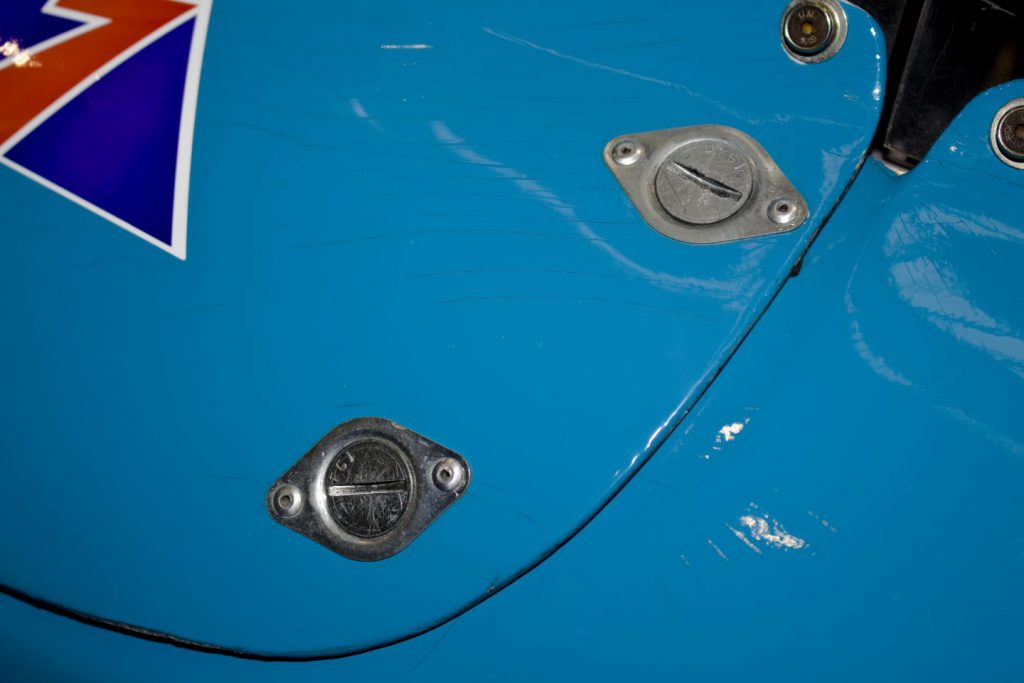
Begin by placing the Dzus spring into the pre-drilled hole on the hood. Push the spring until it fits snugly without forcing it. Use a small screwdriver to adjust the spring tabs if needed. The spring must stay firmly in place to hold the fastener tight.
Check that the spring does not move or fall out easily. A secure spring keeps the quarter-turn mechanism functional and reliable. Take your time to ensure the spring is well seated before proceeding.
Mounting Fastener Receptacles
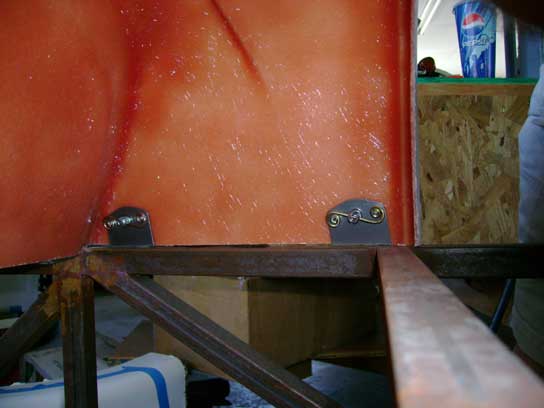
Next, attach the fastener receptacles to the frame or latch points under the hood. Align the receptacles with the holes drilled in the mounting surface. Use bolts or rivets suitable for metal or fiberglass for a strong hold.
Do not overtighten bolts; this can crack the fiberglass or damage the hardware. The receptacles must be flush and stable to allow smooth insertion of the fasteners. Test by turning the fastener into the receptacle to confirm proper fit.
Using Doubler Plates For Strength
Doubler plates add extra support to the fiberglass around fastener holes. Position the doubler plate behind the hood panel at each fastener location. Secure the plate with adhesive or rivets, matching the fastener holes precisely.
This reinforcement prevents cracking and distributes stress evenly. It extends the life of your hood and fasteners. Always use doubler plates if your fiberglass is thin or fragile.
Installing Fastener Hardware
Ensuring a durable installation of Dzus fasteners on a fiberglass hood requires attention to detail. Proper techniques help avoid issues like vibrations and fastener wear. Careful maintenance keeps the fasteners working well over time. The tips below guide you through key steps for a strong, lasting setup.
Preventing Hood Vibrations
Vibrations can loosen Dzus fasteners and damage the hood. Use rubber washers under the fastener heads to absorb shocks. Tighten fasteners firmly but avoid over-tightening, which can crack fiberglass. Check alignment of the hood and fasteners to ensure even pressure. Add foam tape around the hood edges to reduce movement and noise.
Maintaining Fastener Functionality
Regular inspection keeps fasteners reliable. Look for signs of wear or corrosion on the springs and pins. Replace any damaged parts immediately. Test each fastener by twisting it to confirm smooth locking and unlocking. Avoid forcing stuck fasteners; clean them gently to prevent damage. Proper care extends the life of your fasteners.
Cleaning And Lubrication Advice
Clean fasteners with a soft brush to remove dirt and debris. Use mild soap and water, avoiding harsh chemicals that harm fiberglass or metal. Dry fasteners completely after cleaning. Apply a light coat of silicone-based lubricant to the moving parts. This prevents rust and ensures smooth operation without attracting dust. Repeat lubrication every few months for best results.
Credit: www.youtube.com
Frequently Asked Questions
Do Fiberglass Hoods Need Hood Pins?
Fiberglass hoods often need hood pins for extra security and to prevent lifting at high speeds. Hood pins keep the hood firmly in place. Many aftermarket fiberglass hoods require hood pins since factory latches may not hold properly. Installing hood pins improves safety and stability.
How To Fit Dzus Fasteners?
Insert the Dzus fastener upside down through the hole. Twist it 90 degrees clockwise to lock. Ensure holes align properly before fastening.
What Tools Do I Need For Dzus Fasteners?
You need a dimpler, transfer punch, drill with a burr bit, and a Dzus spring drill fixture for accurate installation.
What Size Hole For Dzus Fastener?
Drill a 7/16 inch (11mm) hole for standard Dzus fasteners. Adjust size slightly for specific fastener types.
Conclusion
Installing Dzus fasteners on a fiberglass hood is simple with the right steps. Measure and mark holes carefully for accuracy. Use proper tools to drill clean, precise holes. Insert fasteners firmly and twist to lock them in place. This method secures your hood while allowing quick removal.
Following these tips ensures a neat, strong fit every time. Now, your fiberglass hood stays safe and looks professional. Enjoy the ease and reliability Dzus fasteners provide.