Are you looking for the perfect solution to keep your projects strong and secure? ES Fasteners might be exactly what you need.
Whether you’re fixing something at home or working on a big construction job, the right fasteners can make all the difference. You’ll discover why ES Fasteners stand out, how they can save you time and effort, and what makes them reliable for any task.
Keep reading to find out how these small components can have a huge impact on your work.
Credit: www.pwmall.com
Es Fasteners Overview
Es Fasteners are small parts that hold things tightly together. They keep objects strong and stable. Many industries use these fasteners every day.
These fasteners come in many shapes and sizes. Each type fits a special need or purpose. They help machines, buildings, and furniture stay safe.
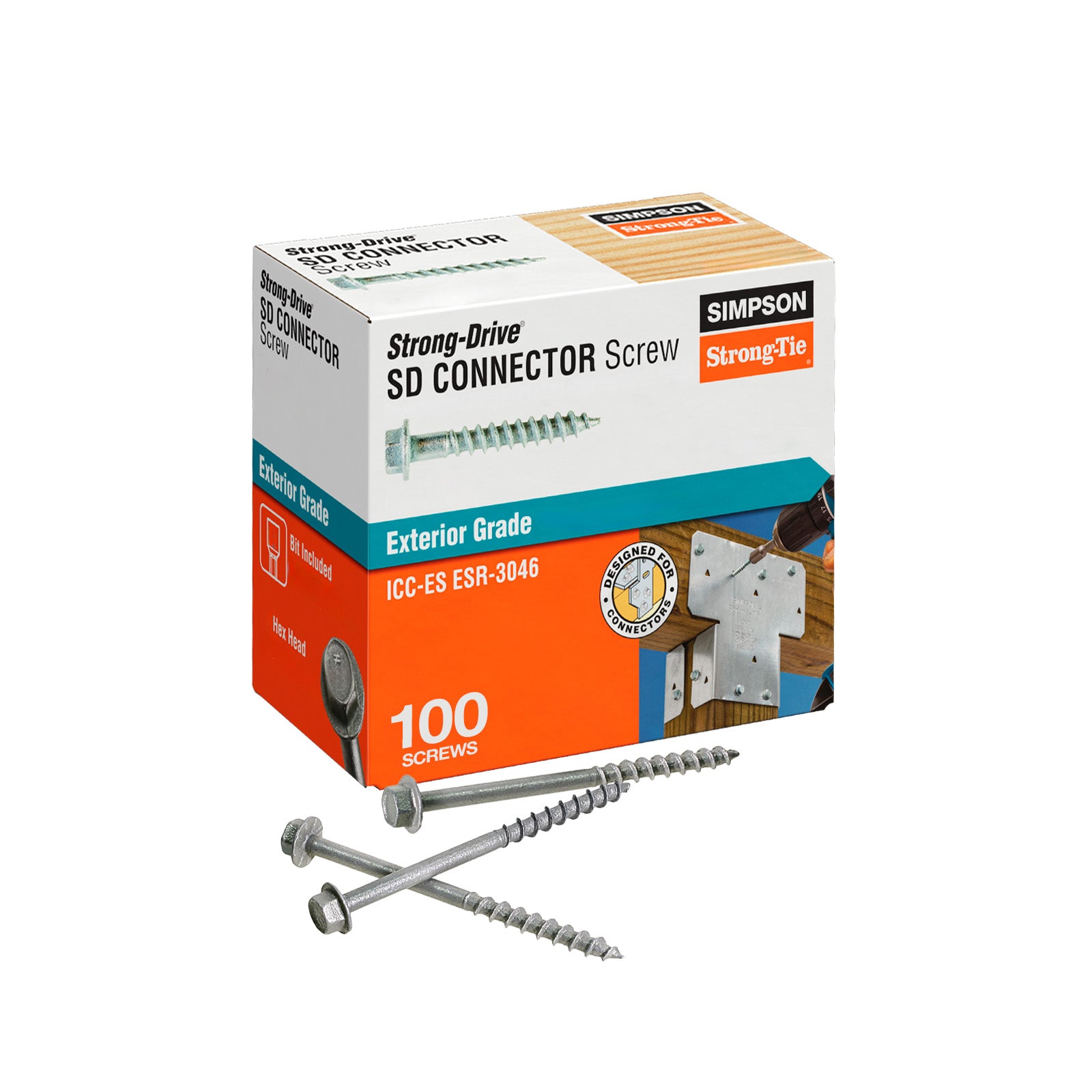
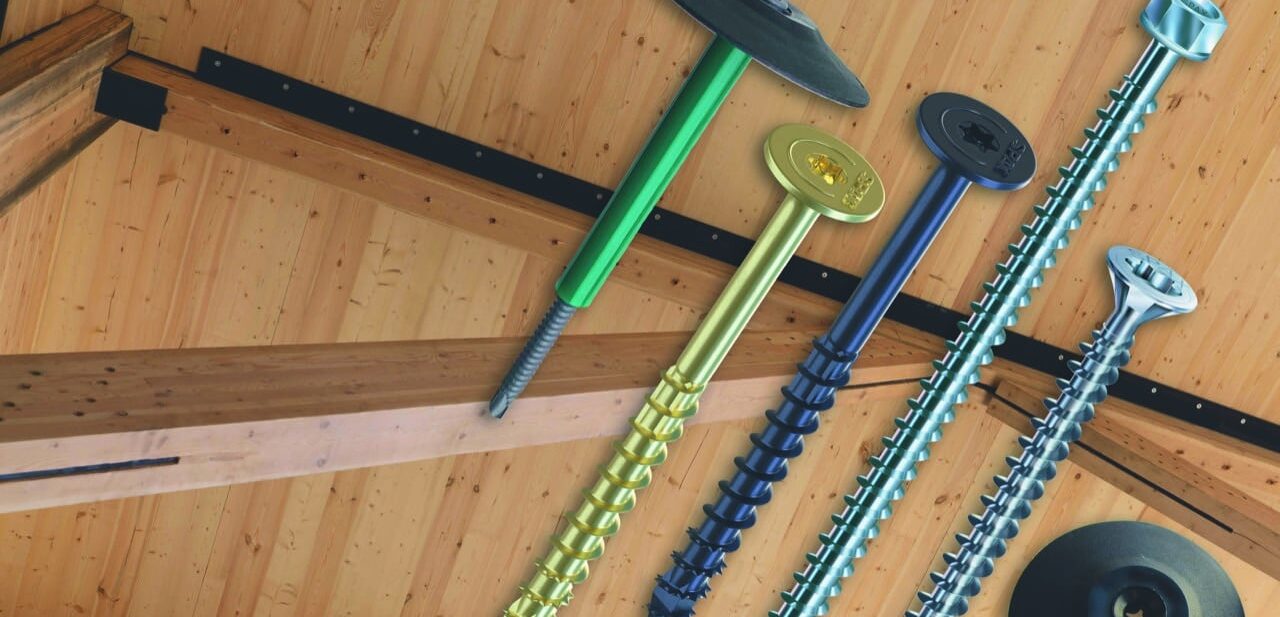
Es Fasteners include screws, bolts, nuts, and washers. Each type has a unique way to join materials. Screws dig into surfaces, while bolts use nuts to lock.
Materials Used In Es Fasteners
They are made from steel, stainless steel, brass, and other metals. These materials resist rust and wear. This makes fasteners last longer in tough conditions.
Applications Of Es Fasteners
Es Fasteners are used in cars, electronics, construction, and home projects. They keep parts from moving or breaking. Reliable fasteners ensure safety and durability.
Benefits Of Choosing Es Fasteners
These fasteners offer strong holding power and easy installation. They reduce repair needs and save time. Their variety allows use in many different jobs.
Types Of Es Fasteners
Es fasteners come in many types to suit different needs. Each type has a unique role in holding parts together. Understanding these types helps you pick the right fastener for your project.
Fasteners vary by shape, size, and function. Some are simple, like bolts, while others are more specialized. Here are the main types of Es fasteners.
Bolts And Screws
Bolts and screws are common Es fasteners. Bolts usually need a nut to tighten parts. Screws can hold materials directly by threading into them. Both provide strong, secure connections.
They come in many sizes and head styles. Some have flat heads, others are round or hexagonal. These fasteners fit many materials like wood, metal, and plastic.
Nuts And Washers
Nuts and washers work with bolts to secure joints. Nuts thread onto bolts to lock parts in place. Washers sit under nuts or bolt heads to spread pressure.
Washers prevent damage to surfaces and reduce loosening. Nuts and washers come in different shapes and materials. They help ensure a tight and lasting hold.
Specialty Fasteners
Specialty fasteners serve unique purposes in specific projects. They include rivets, anchors, and clips. These fasteners handle special materials or conditions.
Rivets join parts permanently. Anchors secure fasteners in walls or concrete. Clips hold parts without screws or bolts. Specialty fasteners add versatility to Es fastener options.
Materials And Coatings
Choosing the right materials and coatings is key for Es Fasteners. They affect strength, durability, and resistance to rust. Each option offers unique benefits for various projects and environments.
Stainless Steel Options
Stainless steel fasteners resist corrosion and rust. They work well in wet or humid places. These fasteners stay strong and look good for a long time. Common types include 304 and 316 stainless steel. 316 offers higher corrosion resistance, ideal for salty or harsh conditions.
Galvanized Finishes
Galvanized fasteners have a zinc coating to fight rust. This coating protects steel from moisture and wear. They suit outdoor and industrial use. Hot-dip galvanizing is a common process for durable protection. This finish extends the fastener’s life without extra cost.
Custom Coatings
Custom coatings give extra protection or color. Options include black oxide, epoxy, and ceramic coatings. These coatings can improve appearance and add resistance to heat or chemicals. Custom coatings help fasteners fit specific needs and environments.
Credit: www.fastenersplus.com
Applications Across Industries
Es Fasteners serve many industries with strong, reliable connections. They hold parts together, making structures and machines safe and stable. Various sectors depend on these fasteners for daily operations and long-term projects.
Construction Uses
In construction, Es Fasteners secure beams, walls, and roofs. Builders trust their strength to keep buildings steady. These fasteners resist weather and heavy loads. They help create bridges, homes, and offices with lasting durability. Easy installation saves time on busy job sites.
Automotive Applications
Cars and trucks use Es Fasteners to join parts tightly. Engines, frames, and interiors rely on them for safety. Fasteners withstand vibrations and heat from engines. They keep vehicles running smoothly and reduce repairs. This reliability improves driver and passenger safety.
Electronics And Appliances
Small Es Fasteners hold electronic devices and appliances together. They secure circuit boards, screens, and casings firmly. These fasteners prevent damage from drops or shocks. They also allow easy repair and part replacement. Their precision fits compact designs perfectly.
Durability Factors
Durability is a key factor in choosing ES fasteners. Their strength and long life make them reliable for many projects. Understanding what affects durability helps in selecting the best fastener for any task.
Corrosion Resistance
Corrosion resistance protects fasteners from rust and damage. ES fasteners often use materials like stainless steel or coatings. These prevent rust in wet or humid conditions. Rust-free fasteners last longer and keep structures safe.
Load-bearing Capacity
Load-bearing capacity shows how much weight a fastener can hold. ES fasteners have high strength to support heavy loads. This makes them ideal for construction and machinery. Choosing the right load capacity avoids failures and accidents.
Environmental Considerations
Environmental factors affect the durability of fasteners. ES fasteners perform well in extreme temperatures and chemicals. They resist wear from sunlight and moisture. This ensures they stay strong in tough outdoor conditions.
Installation Techniques
Installing ES fasteners correctly is key to strong and safe connections. Good installation ensures parts hold tightly and last long. It also prevents damage to materials and tools.
This section covers essential installation techniques. It explains proper torque settings, necessary tools, and safety practices. Follow these steps to improve your fastening work.
Proper Torque Settings
Torque is the force used to tighten fasteners. Using the right torque prevents fasteners from being too loose or too tight. Too much torque can damage threads or break bolts. Too little torque can cause parts to loosen.
Check the manufacturer’s guidelines for the correct torque values. Use a torque wrench for accuracy. Tighten fasteners gradually and evenly to avoid stress.
Tools And Equipment
Using the right tools makes installation easier and safer. Common tools include torque wrenches, impact drivers, and ratchets. Select tools that fit the fastener size and type.
Keep tools clean and well-maintained. Dull or worn tools can slip and damage fasteners. Use calibrated torque tools for precise tightening.
Safety Practices
Safety is crucial during fastener installation. Wear safety glasses and gloves to protect eyes and hands. Keep your workspace clean and free of hazards.
Follow proper lifting techniques when handling heavy parts. Avoid rushing to prevent mistakes. Inspect fasteners and tools before use to ensure they are in good condition.
Troubleshooting Common Issues
Troubleshooting common issues with ES fasteners helps keep projects secure and safe. Problems can arise from use or wear. Knowing how to spot and fix these issues saves time and money.
Loosening And Vibrations
Fasteners can loosen over time due to vibrations. Machines and vehicles create constant movement. This movement causes screws and bolts to back out slowly. Check fasteners regularly to catch loosening early. Tighten them with proper tools and correct torque. Using locking washers or thread lockers can stop loosening. These methods improve hold under vibration stress.
Material Fatigue
Material fatigue happens when fasteners face repeated stress. Small cracks form and grow inside the metal. This weakens the fastener and may cause breaks. Inspect fasteners for signs of wear or cracks. Replace any fastener showing fatigue signs. Choosing fasteners with higher strength can prevent fatigue. Proper installation and avoiding over-tightening also reduce fatigue risk.
Fastener Failures
Fastener failures include breaks, stripping, or corrosion. Breaks often result from too much force or poor material. Stripping happens when threads wear or get damaged. Corrosion weakens fasteners exposed to moisture or chemicals. Use the right fastener type for the environment. Replace damaged fasteners immediately. Proper care and material choice reduce failure chances.
Choosing The Right Fastener
Choosing the right fastener is important for every project. The correct fastener ensures strength and durability. It also saves time and money by avoiding mistakes. Fasteners come in many types, sizes, and materials. Picking the right one depends on your specific needs.
Assessing Project Needs
Start by understanding the project’s requirements. Consider the materials you are joining. Think about the weight and stress the fastener must hold. Check the environment, such as moisture or heat. These factors help decide the fastener type and size. A good match prevents damage and failure.
Cost Vs. Quality
Cheap fasteners may save money upfront. But poor quality can cause problems later. Fasteners that break or rust increase repair costs. Investing in quality fasteners improves safety and lasts longer. Balance cost with the need for strength and durability. Spend wisely to avoid future expenses.
Supplier Selection
Choose suppliers with a strong reputation. Reliable suppliers offer certified and tested fasteners. They provide clear product details and support. Check for consistent stock availability. A trustworthy supplier helps maintain your project schedule. Good service also solves problems faster.
Future Trends In Fasteners
The fastener industry is changing quickly. New technologies and ideas shape its future. Fasteners will be stronger, smarter, and better for the planet.
These trends help industries build safer and more efficient products. They also reduce waste and lower costs. Let’s explore what’s next for fasteners.
Innovative Materials
Fasteners are made from new materials that improve strength and weight. Lightweight metals like titanium are common. They resist corrosion and last longer.
Composite materials mix different substances to create durable fasteners. These materials handle heat and pressure well. They also reduce the total weight of structures.
Smart Fastening Solutions
Smart fasteners include sensors that monitor tension and wear. They send data to computers for real-time checks. This helps prevent failures and costly repairs.
Some smart fasteners adjust themselves automatically. They keep the right tightness without human help. This saves time and improves safety.
Sustainability Focus
Recycling fastener materials reduces waste and saves energy. Companies design fasteners that are easy to recycle. This lowers environmental impact.
Eco-friendly coatings protect fasteners without harmful chemicals. Sustainable production methods also reduce carbon footprints. These efforts support a greener future.
Credit: www.nadra.org
Frequently Asked Questions
What Are Es Fasteners Used For?
ES Fasteners are used to securely join materials in construction and manufacturing. They provide strong, reliable connections for wood, metal, and plastic.
How Do Es Fasteners Improve Construction Quality?
ES Fasteners enhance construction quality by ensuring tight, durable joints. They resist loosening and corrosion, increasing the lifespan of structures.
Are Es Fasteners Suitable For Heavy-duty Applications?
Yes, ES Fasteners are designed for heavy-duty use. Their high-strength materials and precision manufacturing make them ideal for industrial and structural projects.
What Materials Are Es Fasteners Made From?
ES Fasteners are commonly made from stainless steel, carbon steel, or alloy steel. These materials offer strength, corrosion resistance, and durability.
Conclusion
Es fasteners provide strong and reliable connections for many projects. They come in different types, sizes, and materials to fit various needs. Choosing the right fastener helps ensure safety and durability. Easy to use and widely available, they save time and effort.
Trust Es fasteners to hold your work firmly together. Quality and performance matter most in any build or repair. Keep these points in mind for your next project. Strong bonds start with good fasteners.