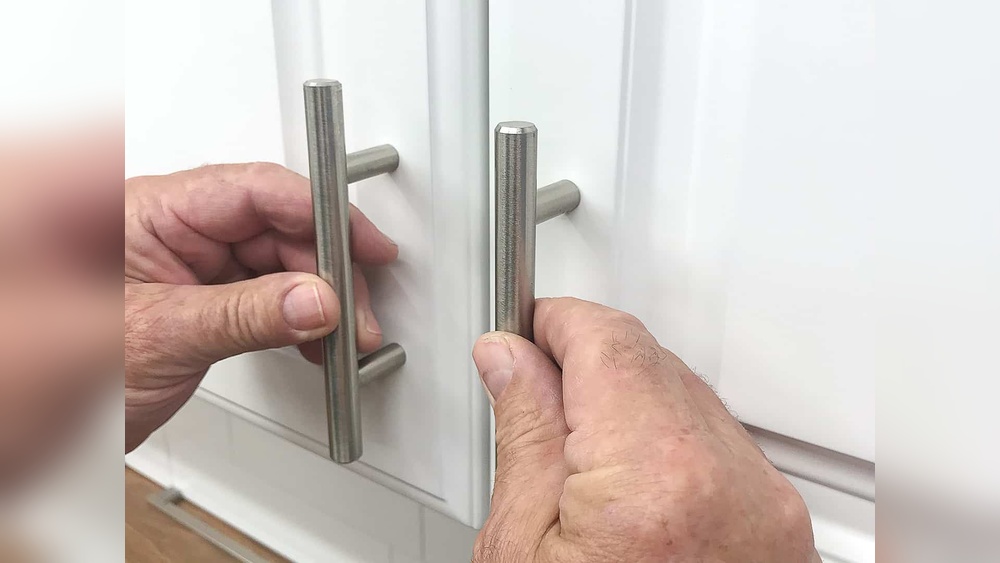
Are you tired of struggling to install cabinet hardware perfectly every time? You’re not alone.
Misaligned handles and knobs can turn a simple project into a frustrating mess. But what if there was an easy way to get precise, professional results without the guesswork? Installing a cabinet hardware jig is the secret tool that can save you time, reduce errors, and make your cabinets look flawless.
Keep reading, and you’ll learn exactly how to set up and use this handy device to transform your DIY projects and impress everyone with your craftsmanship.
Choosing The Right Cabinet Hardware Jig
Choosing the right cabinet hardware jig is important for a neat and fast installation. The right jig helps place handles and knobs precisely every time. It saves time and avoids mistakes. Knowing what to pick makes the job easier and better.
Types Of Hardware Jigs
There are several types of cabinet hardware jigs. Some jigs are simple with fixed hole spacing. Others are adjustable for different handle sizes. Some come with built-in rulers and guides. Choose a jig that fits your hardware style and project needs.
Materials And Build Quality
Jigs are made from plastic, metal, or wood. Metal jigs last longer and stay accurate. Plastic jigs are lighter and cheaper but less durable. Look for a jig that feels solid and stable. Good build quality means better results and longer use.
Compatibility With Cabinet Types
Cabinets come in many shapes and sizes. Some jigs work better on flat doors. Others fit curved or framed cabinets. Check if the jig suits your cabinet style. This helps place hardware evenly and avoids damage.
Gathering Necessary Tools And Materials
Before starting to install your cabinet hardware jig, gather all tools and materials. This step saves time and avoids interruptions. Having everything ready helps you work smoothly and accurately. It also reduces mistakes during installation.
Essential Tools List
Collect a drill with drill bits that fit your screws. A screwdriver or a power driver is important for securing hardware. Use a tape measure to mark exact positions. A pencil helps mark drill spots clearly. Clamps keep the jig steady while drilling. A level ensures your hardware stays straight.
Hardware And Screws Selection
Choose cabinet handles or knobs that fit your design. Make sure screws are the right length for your cabinet doors. Too long screws can damage the door. Too short screws won’t hold the hardware firmly. Pick screws that match the hardware’s finish for a neat look.
Safety Gear Recommendations
Wear safety glasses to protect your eyes from dust and wood chips. Use ear protection if your drill is loud. Gloves can protect your hands from sharp edges. Work in a well-lit area to avoid mistakes. Keep your workspace clean to prevent accidents.
Preparing The Cabinet Surface
Preparing the cabinet surface is a key step in installing cabinet hardware jig. It ensures the hardware fits well and looks neat. Taking time to prepare the surface prevents mistakes and saves effort later.
Cleaning And Measuring
Start by cleaning the cabinet surface with a soft cloth. Remove dust and dirt to get a clear view. Dirt can cause errors when marking or drilling. Next, measure the area carefully using a ruler or tape measure. Measure twice to avoid mistakes. Accurate measurements help place hardware correctly.
Marking Drill Points
Mark the drill points clearly with a pencil. Use the measurements to guide your marks. Make small dots where screws will go. Clear marks reduce the risk of drilling in the wrong spot. Keep marks light so they can be erased if needed.
Ensuring Proper Alignment
Check the alignment of the marks before drilling. Use a level or straight edge to keep marks even. Proper alignment makes the hardware look balanced. Adjust marks if they are off to one side. This step helps create a professional finish.
Credit: www.homedepot.com
Setting Up The Hardware Jig
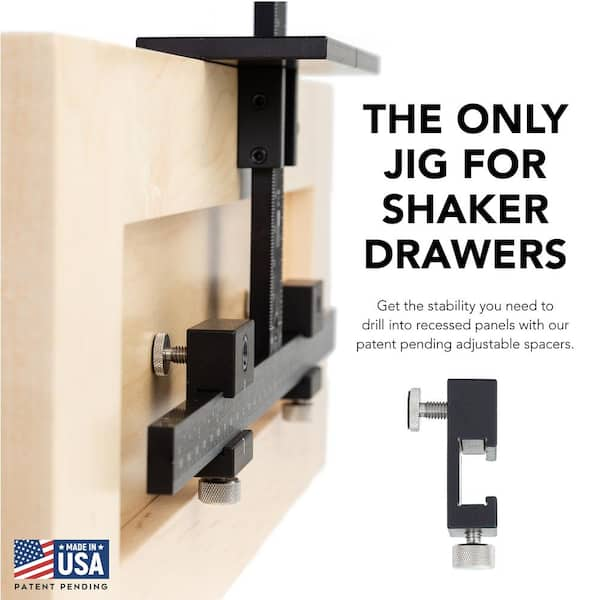
Setting up the hardware jig is the first step to install cabinet hardware correctly. This tool helps you place handles and knobs in the right spot every time. Proper setup saves time and avoids mistakes. Follow these steps to get your jig ready for the job.
Adjusting Jig For Specific Hardware
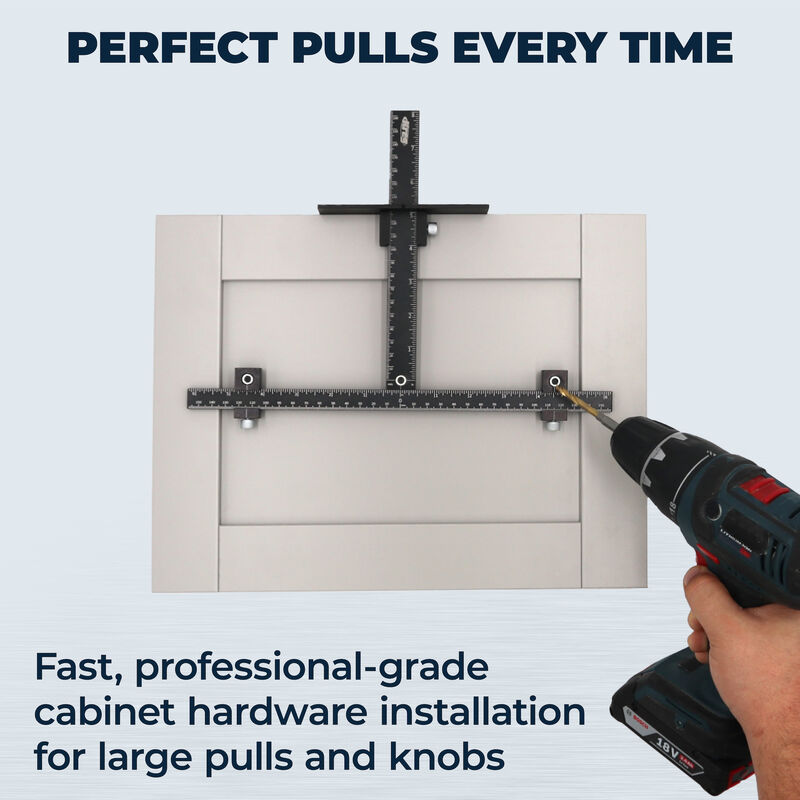
Different hardware pieces need different settings on the jig. Check the size and shape of your handles or knobs. Adjust the holes and guides on the jig to match these measurements. This ensures the holes you drill will fit your hardware perfectly.
Securing The Jig In Place
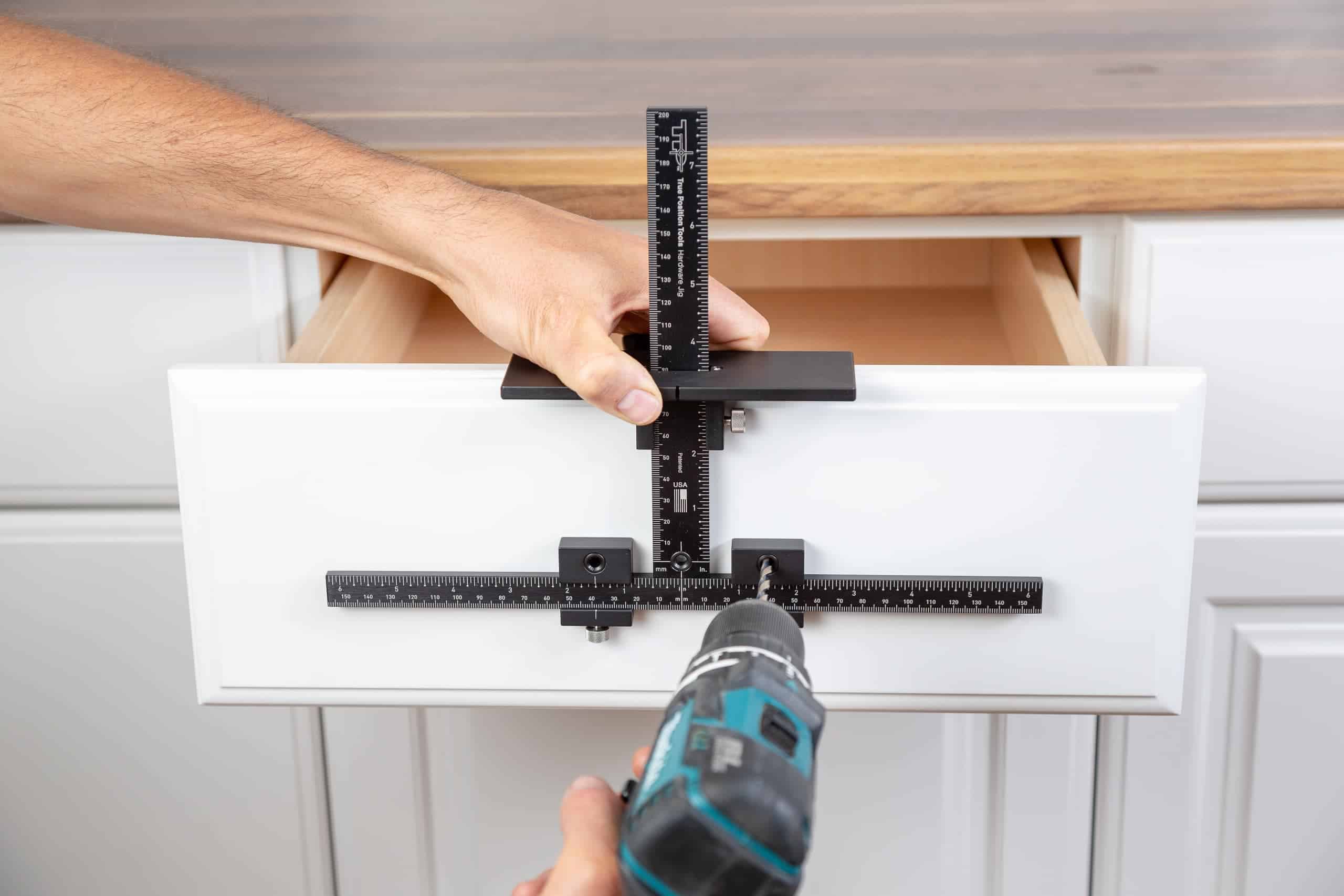
Keep the jig steady during drilling. Use clamps or screws to hold it firmly on the cabinet door or drawer. A moving jig causes crooked holes and uneven hardware placement. Secure it well to get clean, straight holes every time.
Double-checking Measurements
Measure twice before drilling. Verify the jig’s position matches your desired hardware location. Check distances from edges and between holes. This step prevents costly mistakes and keeps your cabinet hardware aligned and balanced.
Drilling Holes With Precision
Drilling holes with precision is key to installing cabinet hardware correctly. Accurate holes keep handles straight and secure. Poor drilling leads to misaligned hardware and damage. Using the right tools and techniques helps avoid costly mistakes. Follow these steps to drill holes cleanly and precisely.
Selecting The Right Drill Bit
Choose a drill bit that matches your hardware screws. Use a bit slightly smaller than the screw diameter. This ensures a tight fit without splitting the wood. For soft wood, standard twist bits work well. For harder materials, consider brad point bits for cleaner holes. Inspect bits for sharpness before starting. Dull bits cause rough, inaccurate holes.
Drilling Techniques For Accuracy
Mark hole positions clearly with a pencil or tape. Use a cabinet hardware jig to guide drilling. Hold the drill steady and perpendicular to the surface. Start with a slow speed to avoid slipping. Drill straight through without tilting the bit. After drilling, remove wood dust to check hole quality. Repeat carefully for each hole to keep alignment.
Avoiding Common Mistakes
Avoid drilling holes too close to edges to prevent splitting. Do not force the drill; let it cut smoothly. Avoid moving the jig during drilling for consistent hole placement. Double-check measurements before drilling each hole. Keep the drill bit clean from debris. Stop drilling if the bit overheats to prevent damage. These steps protect your cabinets and hardware.
Installing Cabinet Hardware
Installing cabinet hardware is a simple step that enhances your cabinets’ look and function. A cabinet hardware jig helps place handles and knobs in the right spot. This tool saves time and ensures even placement on every door or drawer.
Follow these steps to attach your hardware correctly and securely. Proper installation keeps your cabinets looking neat and working well for years.
Attaching Handles And Knobs
Start by aligning the handle or knob with the holes marked by the jig. Hold the hardware in place and insert screws through the back of the cabinet door or drawer. Make sure the handle or knob sits flat and straight before tightening the screws.
Tightening Screws Correctly
Use a screwdriver to tighten screws firmly but gently. Avoid over-tightening, which can strip the screw holes or damage the hardware. Tighten screws until the handle or knob feels secure and does not move.
Final Adjustments For Fit
Check each handle or knob for alignment and fit. Adjust the hardware slightly if it looks crooked or loose. Test by pulling gently to ensure it stays firmly in place. Small tweaks improve the overall appearance and function.
Tips For Consistent Results
Achieving consistent results when installing cabinet hardware requires careful planning and precise work. Small mistakes can cause misaligned handles or uneven spacing. Follow these tips to keep your hardware installation accurate and neat. Consistency saves time and creates a professional look.
Working With Multiple Cabinets
Mark your measurements clearly before starting. Use the jig to make holes in one cabinet, then repeat the process exactly on others. Check your marks often to avoid mistakes. Keep the jig in the same position for each cabinet. This ensures all hardware aligns perfectly across multiple doors.
Maintaining Jig Accuracy
Clean the jig after each use to remove dust and debris. Dust can cause the jig to slip or shift. Tighten all screws and locks before every use. Loose parts affect hole placement. Store the jig flat in a safe place to prevent bending or damage.
Troubleshooting Common Issues
If holes don’t line up, double-check your measurements. Use a level to confirm the jig is straight. If the jig slips, add clamps to hold it firmly. Drill pilot holes slowly to avoid splitting the wood. Replace any worn parts on the jig to keep it working properly.
Credit: www.kregtool.com
Credit: truepositiontools.com
Frequently Asked Questions
What Is A Cabinet Hardware Jig Used For?
A cabinet hardware jig helps you drill accurate holes for handles and knobs. It ensures consistent placement across doors and drawers. Using a jig saves time and improves the overall look of your cabinetry. It’s essential for both DIYers and professionals.
How Do I Set Up A Cabinet Hardware Jig?
To set up a cabinet hardware jig, align it with the edge of your cabinet door. Adjust the guide holes based on your hardware size. Secure the jig firmly to prevent movement. This setup ensures precise drilling every time.
Can I Use Any Drill With A Cabinet Hardware Jig?
Yes, most drills can be used with a cabinet hardware jig. A standard electric drill or cordless drill works well. Use the recommended drill bit size for your hardware. Avoid large or hammer drills to prevent damage.
How To Ensure Accurate Hole Placement With A Jig?
Measure your cabinet door dimensions carefully before using the jig. Double-check the jig’s alignment and clamp it securely. Mark reference points if needed. Drill slowly and steadily to maintain precision.
Conclusion
Installing a cabinet hardware jig saves time and ensures accuracy. It helps place handles and knobs evenly every time. Using the right tools makes the job easier and faster. Follow the steps carefully for best results. Practice a few times to build confidence.
Soon, your cabinets will look neat and professional. Enjoy the satisfaction of a well-done project. Keep your workspace clean and organized throughout. This simple tool makes cabinet upgrades simple and fun.


