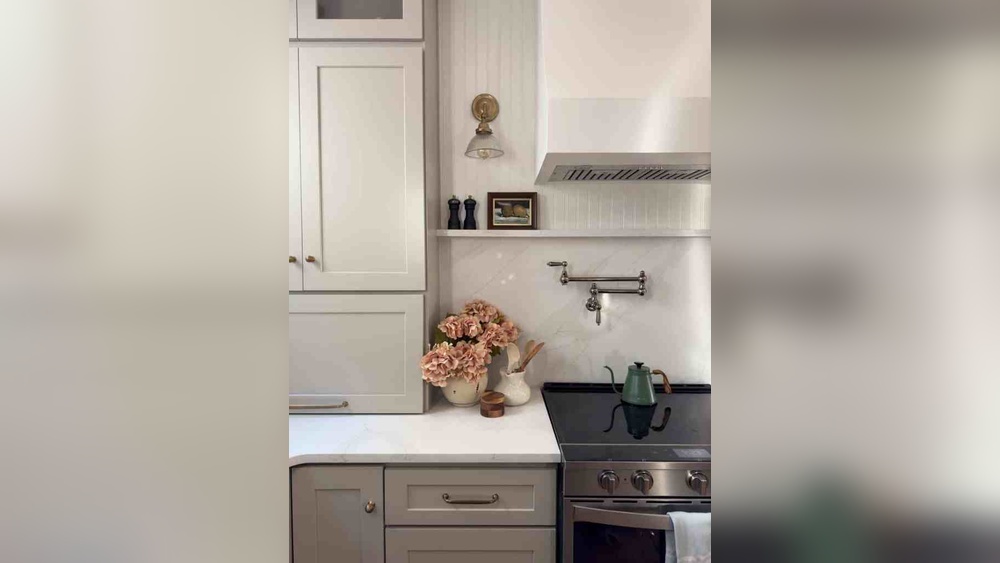
Are your cabinet handles looking dull or outdated? You don’t have to replace your entire cabinet to give your kitchen or bathroom a fresh new look.
Refurbishing your cabinet hardware is an easy and affordable way to transform your space instantly. You’ll discover simple steps to restore shine, update styles, and make your cabinets look brand new. Ready to give your cabinets a quick makeover? Let’s dive in and bring your hardware back to life!
Gathering Tools And Materials
Before starting to refurbish cabinet hardware, gathering the right tools and materials is important. This step helps save time and ensures a smooth process. Having everything ready avoids interruptions and keeps the work organized.
Essential Tools Needed
You need basic tools for hardware refurbishment. A screwdriver set is necessary to remove and reattach handles or knobs. Sandpaper helps smooth rough surfaces or remove old paint. A soft cloth is useful for cleaning parts before refinishing.
Other helpful tools include a small brush for applying paint or finish evenly. Pliers assist in handling small parts or stubborn screws. Gloves protect your hands from chemicals or sharp edges. A container for soaking parts can also be handy.
Choosing The Right Supplies
Select supplies based on the hardware material. For metal handles, use metal polish or spray paint made for metal surfaces. For wooden knobs, choose wood stain or paint suitable for wood. Pick a finish that matches your cabinet style.
Opt for non-toxic and easy-to-use products. This choice keeps your workspace safe and clean. Select supplies in colors that refresh your cabinets and fit your home’s look. Keep the quality good to ensure long-lasting results.
Removing Old Hardware
Removing old cabinet hardware is the first step in a successful refurbishment. This process helps prepare your cabinets for new handles and knobs. Taking off the old pieces carefully prevents damage to the cabinet surface.
Proper removal also saves time and effort later. It lets you see any needed repairs under the hardware. Clean surfaces ensure new hardware fits well and looks great.
Safely Taking Off Handles And Knobs
Use a screwdriver that fits the screws exactly. Turning the screws slowly avoids stripping them. Hold the handle or knob steady to stop it from spinning.
Keep screws and hardware in a small container. This prevents losing any parts during the project. If screws are stuck, apply a little oil and wait before trying again.
Cleaning The Cabinet Surface
Remove dust and dirt with a soft cloth or sponge. Use mild soap and warm water for sticky spots. Avoid harsh chemicals that can damage the finish.
Dry the surface completely before adding new hardware. Check for any scratches or holes that need fixing. Clean cabinets look fresh and help new hardware stand out.
Preparing Hardware For Refurbishing
Preparing cabinet hardware for refurbishing is an important step. It makes sure the new finish lasts longer and looks better. Clean, smooth surfaces help paint or polish stick well. Taking time in this step saves effort later.
Stripping Old Finish
Remove old paint, varnish, or rust before starting. Use a chemical stripper or soak hardware in a remover solution. Let it sit as the instructions say. Scrape off loosened finish with a plastic scraper. Rinse and dry parts carefully. This clears the surface for refinishing.
Sanding And Smoothing
Sand hardware with fine-grit sandpaper to smooth rough spots. Focus on edges and curves for an even surface. Wipe off dust with a clean cloth. This step helps paint or polish cover every area. Smooth surfaces look more professional and last longer.
Applying New Finish
Applying a new finish to cabinet hardware gives it a fresh look. It also protects the metal from rust and wear. A good finish makes old handles and knobs look like new. This step is important for a neat and lasting result.
Painting Tips
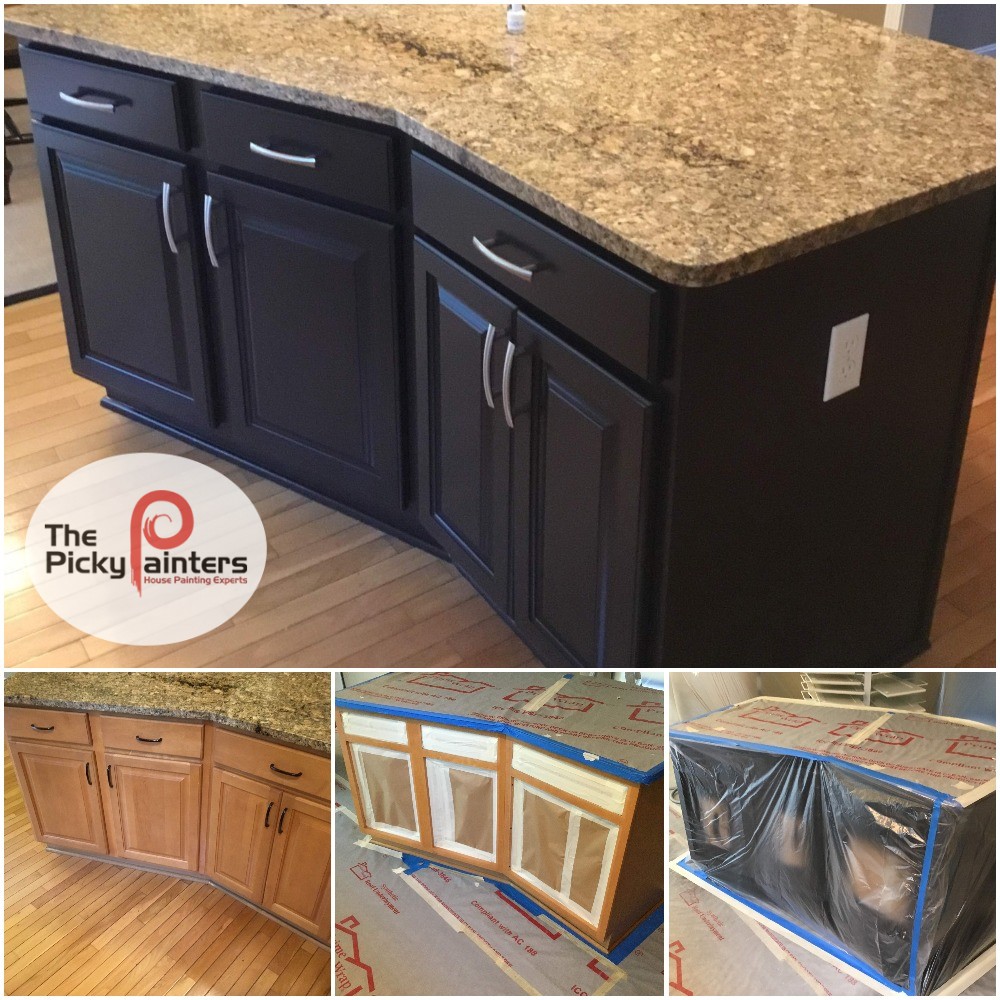
Clean the hardware well before painting. Remove dirt and grease with soap and water. Dry completely to help paint stick better. Use light, even coats to avoid drips. Let each coat dry before applying the next. Sand lightly between coats for a smooth finish.
Using Spray Paint Or Brush
Spray paint works well for small, detailed hardware. Hold the can about 6 to 8 inches away. Spray in short bursts to cover evenly. For brush painting, choose a small, soft brush. Use smooth strokes to avoid brush marks. Both methods need patience for best results.
Sealing For Durability
Seal the painted hardware to protect the finish. Use a clear spray sealer or brush-on clear coat. This adds shine and stops paint from chipping. Apply thin, even layers and let dry fully. A sealed finish lasts longer and looks better.
Adding Decorative Touches
Adding decorative touches to cabinet hardware breathes new life into old pieces. These small changes create a big impact. They help match your cabinets to your room’s style. Simple steps like using colors or small accents make hardware stand out. This section shows easy ways to decorate your cabinet hardware with style and charm.
Using Patinas And Glazes
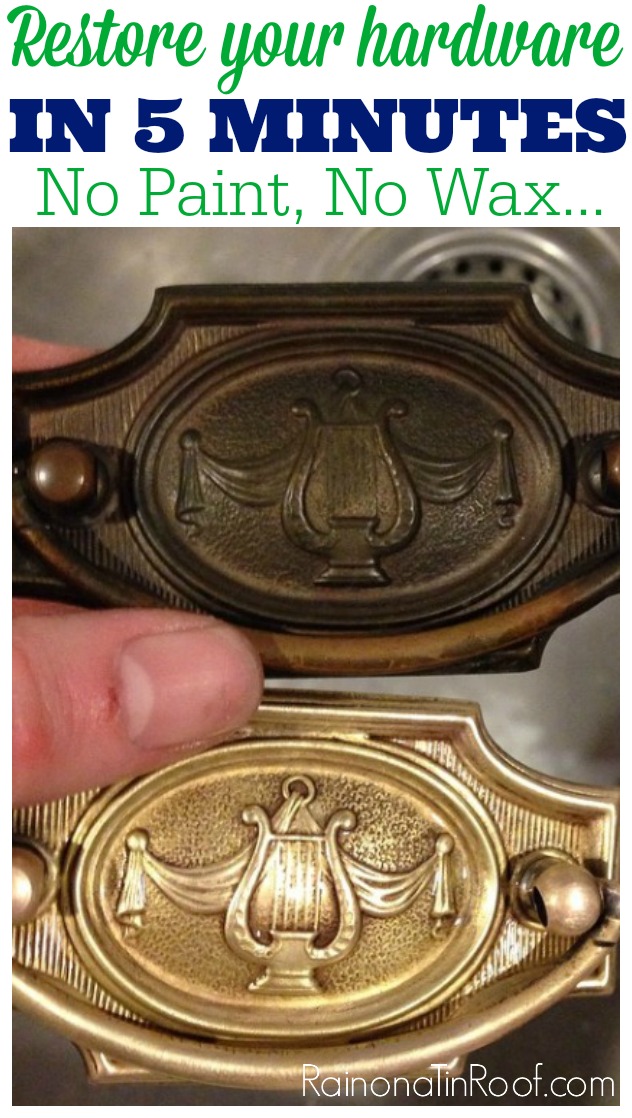
Patinas and glazes change the color and texture of metal hardware. They give a worn, vintage look or a shiny new finish. Applying patinas is simple. Use a brush or cloth to add color. Let the patina dry fully. You can create green, blue, or dark tones.
Glazes add depth and shine. They highlight details and create contrast. A glaze can make your hardware look richer and more elegant. Both patinas and glazes protect the metal too. They prevent rust and wear from daily use.
Incorporating Decorative Accents
Decorative accents add personality to plain hardware. Small gems, beads, or metal studs work well. Glue these accents carefully on handles or knobs. Choose colors that match your room or cabinets.
Another idea is to wrap thin wire or twine around hardware parts. This adds texture and interest. You can also paint tiny patterns or dots on knobs. These small details create unique, eye-catching hardware that fits your style.
Credit: rainonatinroof.com
Reinstalling Refurbished Hardware
Reinstalling refurbished cabinet hardware is the final step in your project. It brings new life to your cabinets and makes them look fresh. Take your time to place each piece carefully. Proper installation ensures the hardware works well and lasts longer.
Aligning And Securing Pieces
Start by aligning the hardware with the existing holes on the cabinet. Check that handles or knobs sit straight and even. Use a level or ruler for accuracy. Insert screws slowly to avoid stripping the holes. Tighten screws just enough to hold the piece firmly. Over-tightening can damage the cabinet or hardware.
Final Adjustments For Fit
Open and close cabinet doors to test the hardware fit. Make small adjustments if pieces feel loose or tight. Adjust screw tightness or reposition the hardware slightly. Ensure knobs and handles feel comfortable to use. Proper fit improves both function and appearance. Take a step back and review your work before finishing.
Maintenance Tips For Longevity
Maintaining refurbished cabinet hardware extends its life and keeps it looking fresh. Simple care routines prevent damage and avoid frequent replacements. Follow these tips to keep your hardware in top shape for years.
Cleaning Refurbished Hardware
Clean hardware gently with a soft cloth. Avoid abrasive cleaners that can scratch surfaces. Use mild soap and water for most finishes. Dry the hardware completely to stop rust or water spots. Regular cleaning removes dirt and oils that cause wear.
Preventing Wear And Tear
Use hardware with care to reduce damage. Avoid hanging heavy items on cabinet handles. Tighten screws regularly to keep pieces secure. Protect finishes by wiping spills quickly. Proper use and care help hardware last longer and look better.

Credit: www.youtube.com
Credit: thepickypainters.com
Frequently Asked Questions
How Do I Remove Old Cabinet Hardware Safely?
To remove old hardware, use a screwdriver to unscrew handles or knobs gently. Keep screws safe for reuse. Avoid damaging the cabinet surface by working slowly and applying steady pressure.
What Materials Can I Use To Clean Cabinet Hardware?
Use warm soapy water or a vinegar solution for cleaning. Avoid harsh chemicals that damage finishes. Dry thoroughly to prevent rust or corrosion on metal hardware.
How Can I Restore Scratched Cabinet Hardware?
Light scratches can be buffed out using fine steel wool or a metal polish. For deeper scratches, consider repainting or replacing the hardware for a fresh look.
Is It Better To Repaint Or Replace Cabinet Hardware?
Repainting is cost-effective and works well for minor wear. Replace hardware if it’s outdated or severely damaged to enhance your cabinet’s appearance and function.
Conclusion
Refurbishing cabinet hardware can refresh your space quickly. Small changes make a big difference in appearance. Clean, sand, paint, or polish your pieces with care. Take your time and enjoy the process. This project saves money and adds personal style.
Your cabinets will look like new again. Try it yourself and see the results. Simple steps lead to great improvements. Feel proud of your handiwork every day.