Have you ever wondered how the lid on an open-head drum stays securely fastened? Whether you use these drums for storage, shipping, or industrial purposes, knowing how the lid is sealed can save you time and prevent spills.
You’ll discover the simple yet effective methods used to keep these lids tight and safe. By the end, you’ll feel confident handling open-head drums without worry. Keep reading to unlock the secrets behind their secure fastening!
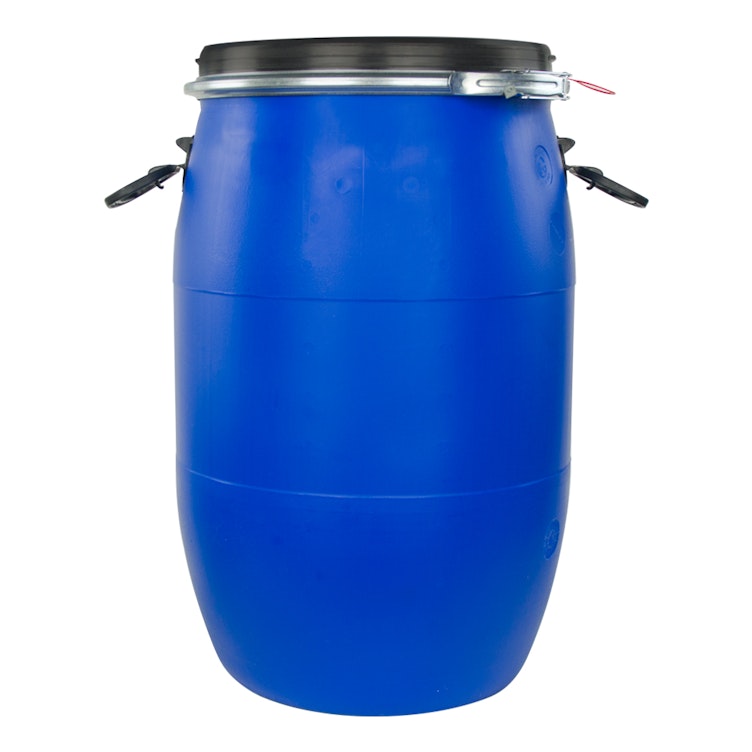
Credit: www.usplastic.com
Types Of Open-head Drums
Open-head drums are common containers used for storing and shipping materials. They have removable lids that allow easy access to the contents inside. These drums come in various types, each designed for specific uses and materials. Understanding the different types helps in choosing the right drum for your needs.
Each type offers unique features based on its construction and size. This affects how the lid is fastened and how secure the drum is. Below, we explore the materials used and common sizes of open-head drums.
Materials Used
Open-head drums are made from steel, plastic, or fiber. Steel drums provide strong protection. They resist damage and are good for hazardous materials. Plastic drums are lightweight and resist corrosion. They suit liquids and chemicals. Fiber drums are light and eco-friendly. They work well for dry goods and powders.
Common Sizes
Open-head drums come in many sizes. The most common size is 55 gallons (208 liters). Smaller drums include 30 gallons (114 liters). Larger drums can hold up to 85 gallons (322 liters). The size depends on the material stored and transport needs. Choosing the right size helps in handling and storage.
Credit: megamorebroadband.com
Components Of An Open-head Drum Lid
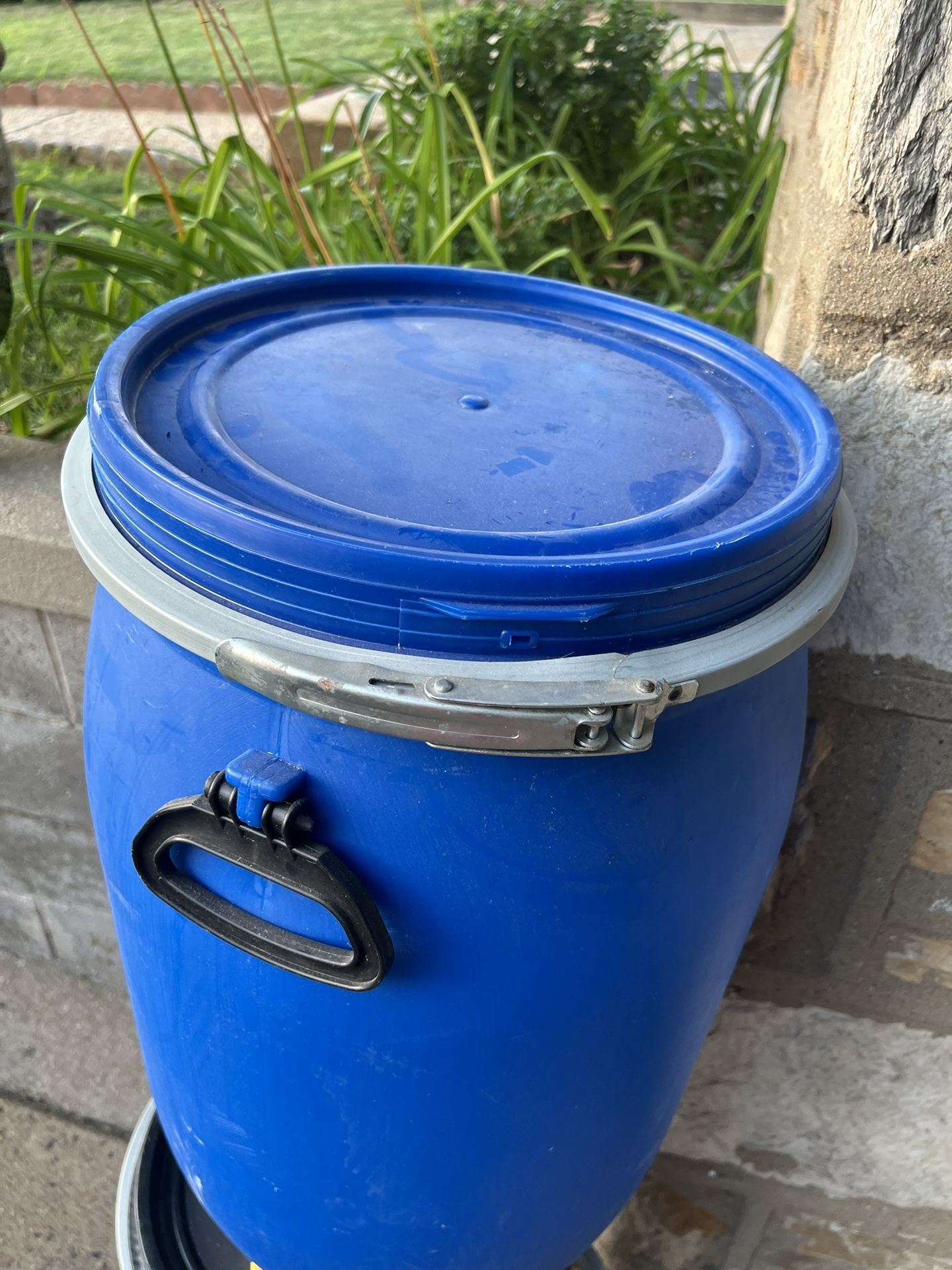
An open-head drum lid is fastened using a clamp ring that wraps around the drum’s rim. This ring tightens to hold the lid securely in place. A lever or bolt usually locks the clamp, ensuring the drum stays sealed during use.
Lid Structure
An open-head drum lid has a solid metal top. It is separate from the drum body. The lid fits over the drum’s open end. It has a flat surface that covers the drum fully. Around the edge, the lid has a small lip. This lip helps the lid sit tightly on the drum. The design allows easy removal and secure closure.
Sealing Elements
The lid uses sealing elements to keep contents safe. A rubber or plastic gasket fits inside the lid’s lip. This gasket creates a tight seal when the lid closes. It stops air, water, and dust from entering the drum. The gasket also prevents leaks of liquids inside. It is flexible and durable for repeated use.
Fastening Methods For Drum Lids
Open-head drums need secure lids to keep contents safe. The lids fasten tightly to prevent spills and contamination. Several methods exist to lock the lid firmly in place. Each method offers different ease and strength of fastening. Understanding these methods helps in choosing the right drum for your needs.
Lever Lock Ring
The lever lock ring uses a simple lever mechanism. It tightens the lid by pulling the lever down. This action clamps the lid securely to the drum. It is quick and easy to open or close. The lever lock ring is common for drums that need frequent access. It provides a strong hold without tools.
Bolt Ring Clamp
The bolt ring clamp uses a bolt and nut system. Tightening the bolt pulls the ring tight around the lid. This method offers a very secure seal. It requires a wrench or tool to fasten or loosen. The bolt ring clamp is ideal for heavy-duty drums. It ensures the lid stays firmly in place during transport.
Cam Lock Ring
The cam lock ring uses cams to lock the lid. Turning the cam pulls the ring tight around the drum rim. It locks the lid with moderate force. This method is faster than bolt clamps but stronger than lever locks. The cam lock ring is good for drums needing a balance of security and speed.
Credit: www.studocu.com
Tools Required For Securing Lids
Securing the lid on an open-head drum needs the right tools. These tools help tighten the lid safely and firmly. Using proper equipment prevents leaks and keeps the contents secure. The main tools include wrenches, spanners, and lever lock handles.
Wrenches And Spanners
Wrenches and spanners fit around the drum’s locking ring. They turn the ring to tighten or loosen the lid. These tools come in different sizes for various drum types. Using the correct size avoids damage to the ring or lid. A good grip ensures the lid stays sealed during transport.
Lever Lock Handles
Lever lock handles provide extra force for closing drum lids. They attach to the locking ring and use leverage to tighten it. These handles make sealing the drum easier and faster. They reduce hand strain and improve safety. Lever lock handles suit heavy-duty drums and frequent use.
Step-by-step Lid Fastening Process
Fastening the lid on an open-head drum is a simple but important process. It ensures the drum stays sealed and secure. Follow these clear steps to fasten the lid properly. This keeps the contents safe and prevents spills.
Preparing The Drum
Start by cleaning the drum’s rim. Remove dirt, dust, and debris. Check the drum for any damage or dents. Make sure the surface is dry. This helps the lid fit tightly and evenly.
Positioning The Lid
Place the lid carefully on top of the drum. Align the lid’s edge with the drum’s rim. Make sure the lid sits flat and even. Avoid tilting or forcing the lid into place.
Engaging The Fastener
Locate the metal clamp or locking ring around the lid. Position it so it fits snugly over the lid’s edge. Make sure the fastener is evenly placed all around. This keeps the lid from moving.
Tightening And Securing
Use the tightening tool or bolt on the fastener. Turn it slowly and steadily to tighten. Watch the lid to keep it flat as you tighten. Stop when the fastener feels firm and secure. Check the seal to avoid leaks.
Safety Tips During Fastening
Fastening the lid on an open-head drum requires care to keep everyone safe. Handling the lid and drum parts properly helps avoid accidents. Following safety tips reduces the risk of injury and damage during fastening.
Proper Handling
Always wear gloves and safety glasses before starting. Hold the lid firmly with both hands. Keep fingers clear of the drum’s edge. Position the lid evenly on the drum opening. Avoid sudden movements that might cause the lid to slip.
Avoiding Over-tightening
Do not use too much force when tightening the clamp. Over-tightening can damage the drum or lid. Use a hand tool with controlled pressure. Stop tightening once the lid feels secure. Check the seal for gaps without forcing it.
Common Issues And Solutions
Fastening the lid on an open-head drum is simple but can face some common problems. These issues affect the drum’s sealing and security. Knowing these problems helps keep the drum safe and leak-free. Below are common issues and easy solutions.
Seal Damage
The seal on the lid can get worn or torn. This damage causes leaks and contamination. Dirt or sharp objects can harm the seal during handling. Check the seal regularly for cracks or breaks. Replace the seal if it looks damaged. Clean the seal area before closing the lid. Use a new seal each time for better protection.
Fastener Malfunction
The fastener holds the lid tightly on the drum. It may become loose or break over time. Rust or dirt can stop the fastener from working well. Tighten the fastener firmly but avoid over-tightening. Clean the fastener to remove rust or debris. Replace broken fasteners with correct, matching parts. Proper care keeps the lid secure and safe.
Maintenance Of Drum Fastening Systems
Maintaining the fastening system of an open-head drum lid is crucial for safety and efficiency. The fastening keeps the lid secure, preventing spills and contamination. Regular care extends the life of the drum and ensures it works properly.
Regular Inspection
Check the drum lid and fasteners often. Look for signs of rust, cracks, or loose parts. Tighten any loose clamps or bolts immediately. Early detection of problems avoids bigger issues.
Lubrication And Replacement
Apply lubricant to moving parts to keep them working smoothly. Use a light oil or grease suitable for metal parts. Replace worn or damaged fasteners right away. Fresh parts ensure a tight seal and safe handling.
Frequently Asked Questions
How Is An Open-head Drum Lid Secured Tightly?
An open-head drum lid is secured using a bolt ring clamp. This clamp fits around the drum’s rim and tightens to hold the lid firmly. It ensures the contents stay safe and prevents leaks during transport or storage.
What Tools Are Needed To Fasten A Drum Lid?
Typically, a drum wrench or a lever is used to tighten the bolt ring clamp. These tools help apply the right pressure to secure the lid without damaging it. Proper tools ensure a safe and secure closure.
Why Is The Bolt Ring Clamp Important For Open-head Drums?
The bolt ring clamp provides a tight seal, preventing spills and contamination. It also allows easy removal of the lid when needed. This fastening method balances security and convenience for industrial use.
Can Open-head Drum Lids Be Reused After Removal?
Yes, open-head drum lids can be reused if the bolt ring clamp and lid are undamaged. Proper care during removal and fastening preserves the drum’s integrity and ensures safety for multiple uses.
Conclusion
Securing the lid on an open-head drum keeps contents safe and sealed tight. The clamp ring or bolt ring holds the lid firmly in place. This simple fastening method prevents leaks and contamination. Choosing the right fastener depends on the drum’s use and contents.
Regular checks ensure the lid stays secure during transport and storage. Understanding how the lid fastens helps maintain safety and product quality. It’s a small step that makes a big difference in handling open-head drums.